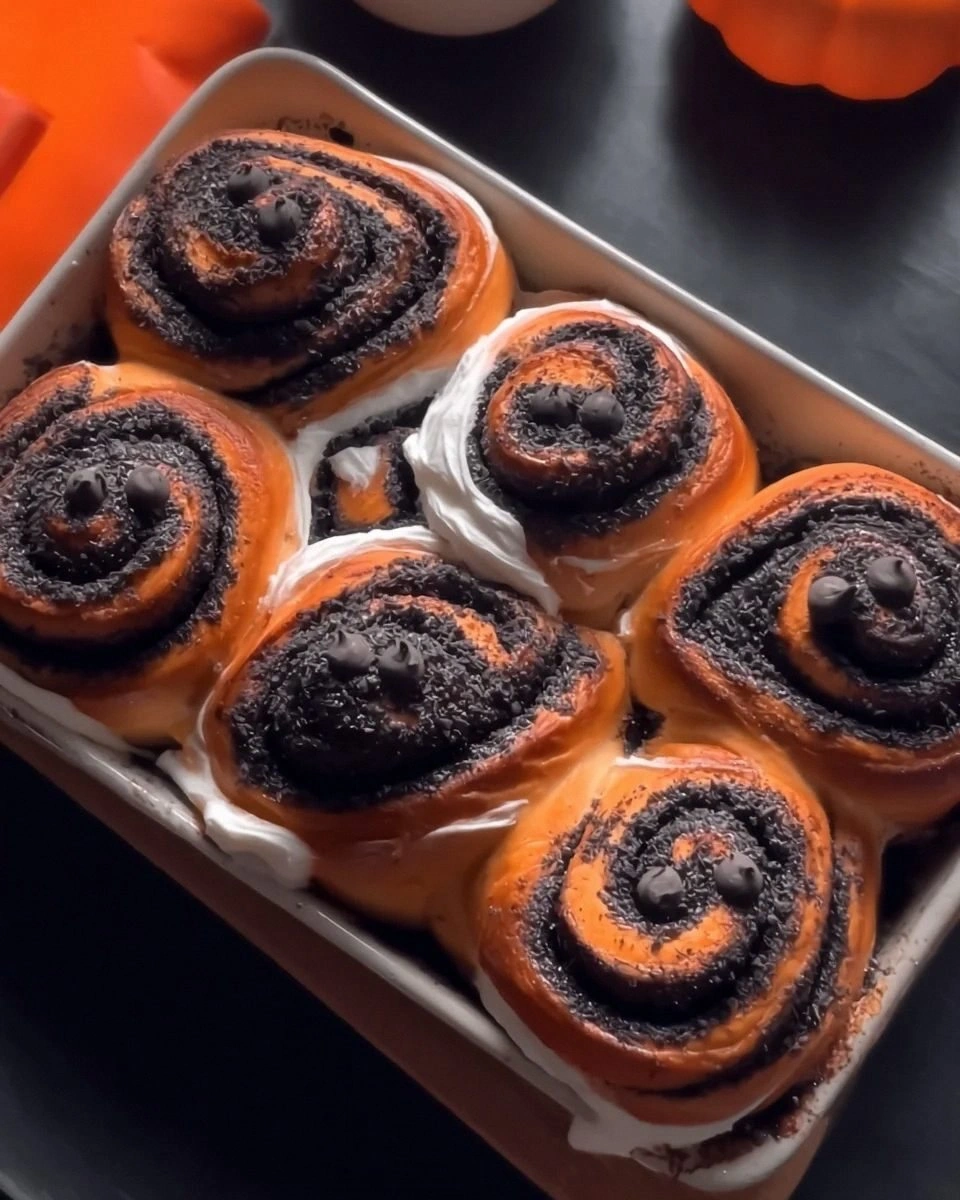
I still remember the Halloween when my kitchen looked like a crime scene. Flour exploded across the counter like a ghost had thrown a tantrum, molasses dripped from the cabinet handles like something out of a horror movie, and I was frantically trying to rescue a batch of cinnamon rolls that had morphed into unrecognizable blobs. My friends were arriving in twenty minutes for our annual spooky movie marathon, and I had promised them the most hauntingly delicious homemade treats. What they got instead were sad, misshapen dough balls that could have doubled as props in a zombie film.
But here's the thing about kitchen disasters — they often lead to the most spectacular discoveries. As I stood there, ready to dump the whole mess into the trash and run to the bakery, I noticed something magical happening in my failure. The cinnamon-sugar filling had caramelized into the most incredible sticky ribbons, creating spider-web patterns across the pan. The dough, despite looking like it had been through a blender, had developed this unbelievably tender texture from my accidental over-proofing. That night, as we laughed at my culinary Frankenstein while watching scary movies, I realized I had stumbled onto something special.
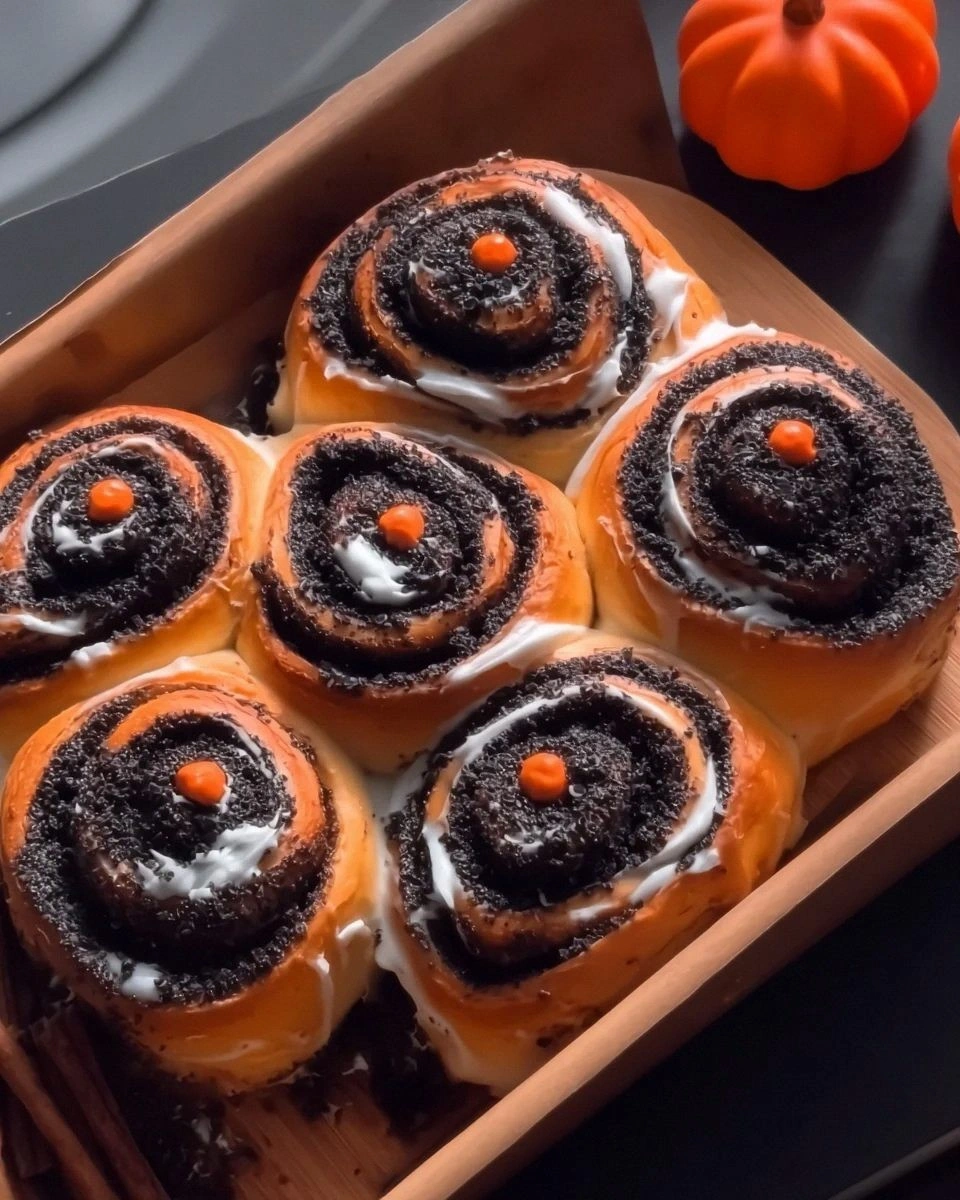
Fast forward through three months of obsessive testing, tweaking, and taste-testing (poor me, right?), and I've cracked the code for what I confidently call the most spectacular spooky cinnamon rolls you'll ever make at home. These aren't your grandma's Sunday morning rolls — though she'd probably elbow you for the last one. We're talking about spirals so perfectly swirled they look like hypnotic eyes staring back at you, with a filling so intensely cinnamon it practically glows, all topped with a cream cheese glaze that you can pipe into ghostly shapes or spider webs. I dare you to taste this and not go back for thirds.
The secret? It's all about embracing the spooky theme instead of fighting it. While other recipes try to make cinnamon rolls pretty and perfect, we're going full Halloween with deep, dark flavors from molasses and dark brown sugar, a touch of activated charcoal for that dramatic black swirl, and a technique that creates naturally haunting patterns. Picture yourself pulling this out of the oven, the whole kitchen smelling like autumn exploded in the best possible way, your guests' eyes widening as they realize these aren't just cinnamon rolls — they're edible Halloween art. Stay with me here — this is worth it.
What Makes This Version Stand Out
Midnight Magic: These rolls get their dramatic appearance from a combination of dark cocoa powder and activated charcoal, creating natural black swirls that look like smoke trapped in dough. The contrast against the orange-brown cinnamon filling is absolutely mesmerizing, like a sunset breaking through storm clouds.
Temperature Play: Most recipes get this completely wrong. Here's what actually works — you want your milk lukewarm, not hot, and your butter just barely melted. Too hot and you'll kill the yeast, too cool and your rise time doubles. I learned this the hard way after eating dinner at 10 PM because my rolls refused to cooperate.
Spice Alchemy: We're not just using cinnamon here, folks. A blend of Ceylon cinnamon, cardamom, and a whisper of black pepper creates this haunting complexity that makes people ask "what IS that amazing flavor?" The black pepper sounds weird, but trust me — it's the secret handshake of serious bakers.
Make-Ahead Genius: These rolls can be assembled the night before and baked fresh in the morning, making them perfect for Halloween brunch or that early Thanksgiving gathering. I'll be honest — I ate half the batch before anyone else got to try it, and I still had enough to impress everyone the next day.
Texture Perfection: The dough includes a touch of mashed sweet potato (yes, really) that keeps these rolls impossibly tender for days. It's like insurance against dry, sad rolls that turn into hockey pucks overnight.
Crowd Psychology: Bring these to any fall gathering and watch what happens. People who swear they're "not really into sweets" will hover by the platter like moths to flame. The spooky appearance breaks down defenses — everyone wants to try "just a bite" and ends up devouring two.
Instagram Gold: In our social media age, these rolls are pure photography magic. The dramatic colors and spooky swirls photograph incredibly well, especially with some creative piping of the glaze into spider webs or ghost shapes. Your feed will look like a professional food stylist invaded your kitchen.
Inside the Ingredient List
The Foundation Builders
Bread flour is your best friend here — the higher protein content creates that perfect chewy texture that makes cinnamon rolls so satisfying. All-purpose flour will work in a pinch, but you'll lose some of that delightful pull-apart quality that makes people close their eyes when they take their first bite. The extra gluten development from bread flour also helps those dramatic swirls hold their shape during baking, creating those hypnotic spirals that make these rolls look like edible art.
Dark brown sugar isn't just for sweetness — it's packed with molasses that caramelizes into sticky, gooey perfection. The deeper flavor stands up to our intense spice blend in a way that regular brown sugar simply can't match. If you've ever wondered why some cinnamon rolls taste flat and one-dimensional, it's usually because they skimped on the molasses-rich brown sugar. This is where the "haunted" flavor comes from — that deep, slightly bitter complexity that keeps people reaching for another bite trying to figure out the mystery.
The Spice Cabinet Alchemists
Ceylon cinnamon, sometimes called "true cinnamon," has a brighter, more complex flavor than the cassia cinnamon most of us grew up with. It's like the difference between a garden tomato and a supermarket one — both are technically tomatoes, but one makes you understand why people obsess over produce. The Ceylon variety brings citrusy notes and a subtle sweetness that plays beautifully with our other spices, creating layers of flavor that unfold as you chew.
Cardamom might seem like an odd choice for cinnamon rolls, but this spice is the secret weapon of Scandinavian bakers for good reason. It adds this ethereal, perfumed quality that makes the cinnamon taste more intense by comparison. Just a whisper transforms ordinary rolls into something that tastes like it came from a fancy European bakery. The trick is to buy whole pods and grind them fresh — pre-ground cardamom loses its magic faster than a vampire at sunrise.
The Color Creators
Activated charcoal is what gives these rolls their dramatic black swirls, but it's practically flavorless so it won't mess with our carefully balanced spices. A little goes a long way — too much and your rolls will look like they're made of asphalt. The key is creating ribbons of darkness that contrast with the orange-brown dough, like marble cake but spooky. If you can't find it, black cocoa powder works too, plus it adds an intense chocolate note that plays beautifully with the cinnamon.
Molasses is the unsung hero here, bringing both color and that haunting depth of flavor that makes people ask for your secret ingredient. Blackstrap molasses is too bitter — you want the regular dark molasses that adds richness without overwhelming the other flavors. It's like adding bass notes to a song — you might not specifically taste it, but you'd miss it if it were gone.
The Texture Magicians
Mashed sweet potato sounds like a weird addition to cinnamon rolls, but it's what keeps them impossibly tender and fresh for days. The natural sugars help with browning while the moisture keeps everything soft and pillowy. Plus, it adds a subtle sweetness that means you can reduce the added sugar without losing flavor. One medium sweet potato, microwaved until soft and mashed smooth, is all you need for a double batch. Trust me on this — once you try it, you'll never go back to plain rolls again.
The Method — Step by Step
- Start by warming your milk to exactly 105°F — use a thermometer here because guessing is how you end up with dead yeast and sad, flat rolls. The milk should feel barely warm on your wrist, like bathwater for a baby. Too hot and you'll murder the yeast, too cool and your rise time will stretch into tomorrow. While the milk warms, melt your butter but let it cool slightly — we want it fluid but not hot enough to scramble the eggs we're about to add. This temperature dance is crucial for getting that perfect rise that makes these rolls lighter than a ghost.
- Proofing the yeast is where the magic begins, and okay, now watch this part closely. Sprinkle the yeast over the warm milk with a teaspoon of the brown sugar — the sugar is like a dinner bell for the yeast, telling it to wake up and get to work. Within five minutes, you should see foamy bubbles forming on the surface, like a miniature witch's cauldron. If nothing happens after ten minutes, your yeast is dead (RIP) and you need to start over. This step is non-negotiable — it's the difference between fluffy clouds of dough and dense hockey pucks that could chip a tooth.
- The dough comes together in a stand mixer, but don't walk away from the stove here. Start with the paddle attachment, mixing the yeast mixture with the sweet potato, eggs, melted butter, and brown sugar until it looks like autumn in a bowl. Switch to the dough hook and add the flour gradually — you're looking for a dough that pulls away from the sides but still sticks to the bottom. This should take about 8 minutes on medium speed, during which your kitchen will start smelling like a bakery possessed by the spirit of fall itself.
- Here's where patience becomes a virtue, though I usually fail miserably at this part. The first rise needs to happen in a warm, draft-free spot — I use my oven with the light on and a bowl of hot water on the rack below. The dough should double in size, which takes about an hour if your yeast is happy and your kitchen isn't freezing. Don't rush this — under-proofed dough will give you rolls that are dense in the middle and split on top like something trying to escape from the oven.
- While the dough rises, make the filling by combining dark brown sugar, Ceylon cinnamon, cardamom, black pepper, and a pinch of salt. The mixture should smell so intoxicating that you'll be tempted to eat it with a spoon (and honestly, I've done worse things). Add just enough melted butter to make it spreadable — too much and it'll leak out during baking, creating a caramelized mess on your pan that sets off every smoke detector in a three-block radius.
- Rolling out the dough is therapeutic if you do it right, frustrating if you don't. Flour your surface just enough to prevent sticking — too much flour makes tough rolls. Roll the dough into a rectangle about 1/4-inch thick, with the long edge facing you. The dough should be elastic and smooth, stretching back slightly as you roll. If it keeps shrinking, let it rest for five minutes — the gluten needs a time-out to relax and cooperate with your vision.
- Spreading the filling feels like finger-painting for adults, and this is the fun part. Use an offset spatula or the back of a spoon to spread the filling all the way to the edges — every bite should have that spicy-sweet hit. For the dramatic black swirls, mix activated charcoal with a tablespoon of the filling and dollop it randomly across the surface. As you roll, these will create haunting spirals that look like smoke trapped in amber.
- Rolling the dough into a log is where many people panic, but stay with me here — this is worth it. Start with the long edge closest to you and roll away from your body, keeping the roll tight and even. Use your fingertips to gently stretch the dough as you roll, creating a spiral that gets more defined with each turn. When you reach the end, pinch the seam to seal it — this prevents the rolls from unraveling during their second rise and baking.
- Cutting the rolls is oddly satisfying when you use the right technique. Dental floss works better than a knife here — it cuts cleanly without squishing the delicate spirals. Slide the floss under the log, bring the ends up, and cross them to slice through. Cut into 12 even pieces, placing them cut-side up in a buttered baking dish. They should be touching but not crowded — they need room to expand into their final, glorious forms.
- The second rise is shorter but just as crucial — about 30 minutes while your oven preheats to 350°F. The rolls should puff up and fill the pan, looking like they're holding hands. Bake for 25-30 minutes until the tops are golden and the filling is bubbling up like molten lava. Your kitchen will smell like autumn and cinnamon had a beautiful baby, and neighbors may start showing up at your door with empty plates and hopeful expressions.
Insider Tricks for Flawless Results
The Temperature Rule Nobody Follows
Room temperature ingredients aren't just a suggestion — they're the difference between a dough that comes together like silk and one that fights you every step of the way. Cold eggs from the fridge will seize up the melted butter, creating tiny flecks of butter that never incorporate properly. Take everything out 30 minutes before you start, or be lazy like me and microwave the eggs in their shells for 10 seconds (yes, it works, no, they won't explode if you're careful). The dough will rise more evenly and you'll avoid those weird butter pockets that create greasy spots in your finished rolls.
Why Your Nose Knows Best
That moment when the rolls are perfectly baked is something you can smell before you can see. The scent changes from raw dough and sugar to something deeper and more complex — like autumn leaves and caramel had a beautiful baby. When your kitchen suddenly smells like the best bakery you've ever visited, start checking for doneness. The rolls should be golden on top and the filling should be bubbling up between the spirals like molten cinnamon lava. A friend tried skipping this step once — let's just say it didn't end well, and we still call them "charcoal rolls" as a joke.
The 5-Minute Rest That Changes Everything
After baking, let the rolls rest in the pan for exactly five minutes before glazing — any longer and the bottom gets soggy from trapped steam, any shorter and the glaze melts into oblivion. This is the perfect time to make your glaze, letting the rolls cool just enough that the glaze sets into a perfect, opaque layer instead of disappearing into the warm dough. It's like the difference between Instagram-worthy and "what happened here" — those five minutes are your insurance policy against sad, disappearing frosting.
The Overnight Miracle
You can make these rolls up to the point of the second rise, then cover them tightly and refrigerate overnight. In the morning, let them sit at room temperature for 30 minutes while your oven preheats, then bake as usual. The slow, cold fermentation develops flavor like you wouldn't believe — it's like the difference between a quick hug and a long embrace. The rolls develop this haunting complexity that makes people ask if you've been taking secret baking classes.
Creative Twists and Variations
This recipe is a playground. Here are some of my favorite ways to switch things up:
The Pumpkin King Version
Replace the sweet potato with canned pumpkin and add pumpkin pie spice to the filling. The result tastes like autumn exploded in your mouth — in the best possible way. Top with a cream cheese glaze spiked with maple extract, and you'll have people proposing marriage after one bite. This version is particularly dangerous because it tastes like you're eating pumpkin pie for breakfast, which somehow feels more acceptable than regular cinnamon rolls.
The Apple Orchard Haunt
Add a layer of thinly sliced apples (Honeycrisp works best) over the filling before rolling. The apples soften into tender pockets of fruit that burst with juice when you bite into them. Toss the slices with lemon juice and a touch of bourbon first — the alcohol burns off during baking, leaving behind this haunting depth that makes people ask what your secret ingredient is. It's like apple pie and cinnamon rolls had a beautiful, spooky baby.
The Chocolate Midnight Massacre
Replace half the cinnamon with Dutch-processed cocoa powder and add mini chocolate chips to the filling. The result is like eating a cinnamon-infused brownie for breakfast, which honestly should be illegal in several states. The chocolate creates these pockets of molten goodness that contrast beautifully with the spicy cinnamon. Warning: these are so rich you might need to lie down after eating one, but they're worth every moment of the food coma.
The Nutty Professor's Revenge
Add toasted pecans or walnuts to the filling, but here's the trick — toss them with a little maple syrup first so they get candied during baking. The nuts add texture and the maple creates these sticky, crunchy bits that are absolutely addictive. It's like someone took pecan pie and cinnamon rolls and created the perfect hybrid. I've seen people who claim they "don't really like nuts" demolish an entire pan of these.
The Citrus Spirit
Add the zest of one orange to the dough and replace the cardamom with orange blossom water. The result is hauntingly aromatic, like eating cinnamon rolls in a citrus grove at midnight. The orange brightens all the warm spices and creates this ethereal quality that makes these rolls feel lighter than air. Perfect for people who find traditional cinnamon rolls too heavy or cloying.
The Savory Sweet Phantom
Add crispy bacon bits to the filling and replace some of the brown sugar with maple sugar. The salty-sweet combination is absolutely devastating — like someone figured out how to make cinnamon rolls addictive to people who claim they "don't really like sweets." The bacon fat mingles with the cinnamon sugar to create this caramelized, smoky-sweet filling that's completely irresistible. Fair warning: these disappear faster than free drinks at an open bar.
Storing and Bringing It Back to Life
Fridge Storage
These rolls stay fresh in an airtight container at room temperature for up to three days, though honestly, they've never lasted more than 24 hours in my house. If you must refrigerate them (and you shouldn't unless your kitchen is hotter than a witch's cauldron), warm them for 10-15 seconds in the microwave before eating. Cold cinnamon rolls are a crime against humanity — the glaze firms up and the dough becomes dense and sad. Add a tiny splash of water before reheating — it steams back to perfection, recreating that fresh-from-the-oven magic.
Freezer Friendly
Unbaked rolls freeze beautifully — assemble them in a disposable pan, cover tightly with plastic wrap and foil, and freeze for up to two months. When the craving strikes (and it will), thaw overnight in the fridge, let them rise at room temperature for an hour, then bake as usual. Baked rolls also freeze well, but wrap them individually so you can grab just one for those midnight emergencies. Pro tip: freeze the glaze separately in ice cube trays, then thaw one cube per roll for fresh-tasting frosting every time.
Best Reheating Method
The oven is your friend here — 300°F for 8-10 minutes brings them back to life better than any other method. The microwave works in a pinch, but you'll lose that perfect texture that makes these rolls special. If you're reheating from frozen, wrap them in foil first so they don't dry out. And here's a baker's secret: brush them with a little melted butter before reheating — it refreshes the crust and adds back that just-baked shine that makes them look irresistible.