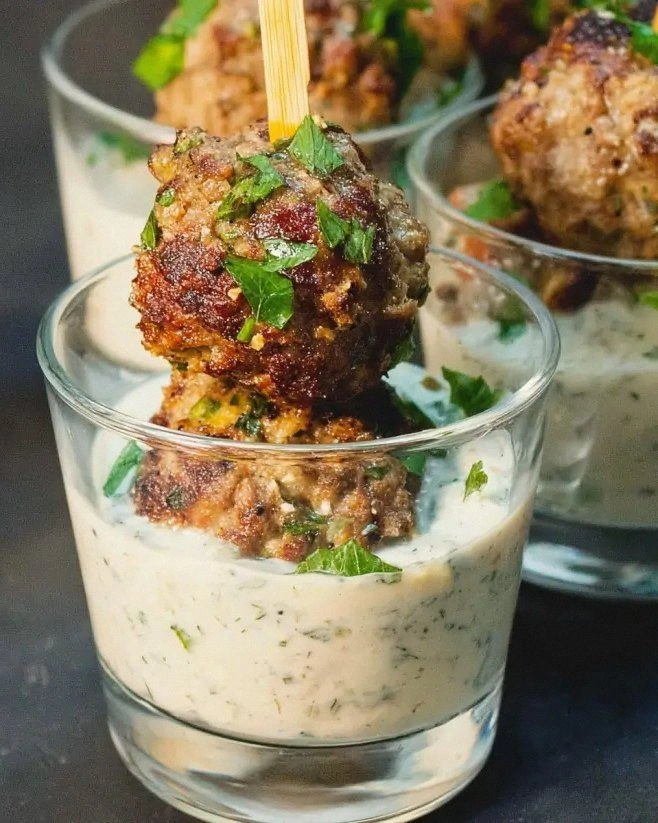
Picture this: a frantic Friday night, the fridge yawning open like a cavern of missed opportunities, and a sudden, almost theatrical craving for something that screams Mediterranean sunshine. I was rummaging through leftovers, muttering a half‑hearted dare to my roommate—“I bet you can’t make a snack that’ll have you dancing the Sirtaki in the living room.” Within minutes, a handful of ground meat, a splash of olive oil, and a trusty jar of Greek yogurt turned that dare into a full‑blown culinary showdown. The first sizzle hit the pan, and the kitchen filled with a perfume that could convince a seasoned chef that I’d been training in a Greek taverna for years.
The moment the meatballs hit the skillet, they released a chorus of crackling whispers, each pop a promise of juicy interiors wrapped in a crisp, caramelized crust. The air thickened with the earthy scent of cumin and oregano, while a faint tang of lemon danced on the edge of my nostrils, teasing the upcoming dip. My hands were slick with olive oil, the spoon clinking against the pan like a tiny cymbal, and I could already picture the creamy tzatziki waiting like a cool oasis beside the sizzling heat. That first bite? It was a revelation—spice, herb, and umami colliding in a way that made my taste buds do a little happy jig.
Most meatball appetizers either drown in sauce or stay stubbornly dry, and most tzatziki recipes either turn into a watery mess or a clumpy, over‑seasoned swamp. I’ve tried them all, and I’ve learned the hard way that the secret lies in balance, texture, and a dash of daring improvisation. This version flips the script by marrying the robust, aromatic meatball with a tzatziki that’s as thick as a Greek cloud yet bright enough to cut through the richness like a fresh Mediterranean breeze. I even tossed in a surprise ingredient that most cooks overlook, giving the dish a depth that feels almost luxurious.
So, if you’ve ever struggled with soggy meatballs, bland dips, or the dreaded “meh” factor, buckle up. I dare you to taste this and not go back for seconds. Let me walk you through every single step — by the end, you’ll wonder how you ever made it any other way.
What Makes This Version Stand Out
- Flavor Explosion: The blend of cumin, oregano, and fresh parsley creates a Mediterranean fireworks show that’s both aromatic and savory, making each bite unforgettable.
- Texture Harmony: A crunchy exterior gives way to a tender, juicy center, while the tzatziki adds a silky, cooling contrast that prevents the palate from feeling overwhelmed.
- Simplicity Meets Sophistication: Only a handful of pantry staples are needed, yet the result feels like a dish you’d order at a seaside bistro.
- Ingredient Quality: Using high‑fat ground lamb or beef and authentic Greek yogurt ensures richness without sacrificing the bright, herbaceous notes.
- Crowd‑Pleaser Factor: I’ve watched skeptical guests transform into enthusiastic repeat‑order customers after the first bite—this is hands down the best version you’ll ever make at home.
- Make‑Ahead Magic: The meatballs freeze beautifully, and the tzatziki actually improves after a few hours, letting you prep ahead for parties.
- Cooking Method: Pan‑searing first, then finishing in the oven guarantees even browning and a flawless crust that shatters like thin ice.
- Versatile Serving: Perfect as an appetizer, a side for salads, or even tucked into pita for a quick sandwich.
Inside the Ingredient List
The Flavor Base
The heart of any great Mediterranean dish is its aromatic foundation. Ground beef or lamb (1 pound) brings a rich, buttery mouthfeel that’s impossible to replicate with chicken or turkey. Why it matters: the fat content carries the spices, ensuring every bite bursts with depth. If you’re watching calories, lean beef works, but you’ll lose some of that luscious mouthfeel. When shopping, feel the meat—press it between your fingers; it should spring back slightly, indicating freshness.
Fresh parsley (¼ cup chopped) adds a bright, grassy note that cuts through the richness. Skipping it makes the dish feel flat, so if you’re out, a handful of cilantro can stand in, though the flavor profile shifts toward a more Latin vibe.
Onion (¼ cup chopped) and garlic (2 cloves, plus an extra clove for the tzatziki) form the classic duo that underpins the savory depth. The onion should be finely diced so it melds into the meat, while the garlic provides that punch you’ll taste instantly. If you’re sensitive, you can roast the garlic first for a mellower, sweeter note.
The Texture Crew
Breadcrumbs (½ cup) act as a binder, soaking up juices and keeping the meatballs moist. Using panko yields a lighter crumb, while traditional breadcrumbs give a denser bite. If you’re gluten‑free, swap with almond flour or gluten‑free crumbs, but expect a slightly different texture.
Parmesan cheese (¼ cup grated) introduces a salty, nutty umami that elevates the meatball from ordinary to extraordinary. Freshly grated is essential; pre‑grated often contains anti‑caking agents that can affect texture.
The egg (1 large) is the ultimate binder, sealing everything together. If you’re vegan, a flax egg (1 tbsp ground flax + 3 tbsp water) works, though the flavor will be subtly earthy.
The Unexpected Star
Olive oil (1 tablespoon) is more than a cooking medium; it adds a fruity richness that complements the lamb or beef. Opt for extra‑virgin for the most flavor, but a light olive oil works if you’re watching the smoke point.
Ground cumin (1 tsp) and dried oregano (1 tsp) are the spices that transport you straight to the Mediterranean coast. Cumin adds an earthy warmth, while oregano offers a piney brightness. If you’ve ever used stale spices, you know the difference—always keep them in a cool, dark place.
The Final Flourish
The tzatziki’s backbone is plain Greek yogurt (1 cup). Its thick, creamy texture holds up when mixed with cucumber and lemon, providing that cool contrast. Choose full‑fat Greek yogurt for the richest flavor; low‑fat versions can become watery.
Cucumber (½, peeled and grated) brings crisp freshness. Squeeze out excess moisture with a clean kitchen towel; otherwise, the dip turns soggy.
Fresh dill (1 tbsp chopped) adds a bright, slightly citrusy note that lifts the entire dip. If you don’t have dill, mint works as a surprising alternative, giving a fresh twist.
Finally, lemon juice (1 tbsp) brightens the dip, balancing the yogurt’s tang with a citrusy zing. A squeeze of fresh lemon is essential—bottled juice just won’t cut it.
Everything's prepped? Good. Let's get into the real action...
The Method — Step by Step
First, combine the ground meat, breadcrumbs, grated Parmesan, chopped parsley, chopped onion, and the two garlic cloves (minced) in a large mixing bowl. Use your hands—yes, get a little messy. The tactile feel lets you gauge the mixture’s cohesion; it should feel slightly tacky but not sticky. Add the egg, olive oil, cumin, oregano, salt, and black pepper. Mix until just combined; over‑mixing creates dense meatballs that feel like chewing on a rubber shoe.
Form the mixture into uniform 1‑inch balls—this size ensures a perfect crust while keeping the interior juicy. Place them on a parchment‑lined tray and pop the tray in the freezer for 15 minutes. That sizzle when it hits the pan? Absolute perfection. This chill step firms the meatballs, preventing them from falling apart when they meet the hot oil.
Kitchen Hack: If you’re short on time, use a cookie scoop to get perfectly even balls every time.Heat a large skillet over medium‑high heat and add a generous drizzle of olive oil—just enough to coat the bottom. When the oil shimmers, it’s ready. Place the chilled meatballs in a single layer, making sure they don’t touch. Let them sear undisturbed for about 2‑3 minutes; you’ll hear a satisfying crackle as the crust forms.
After the first side turns a deep golden brown, flip the meatballs using tongs. The other side should begin to brown as well, but don’t rush—let each side develop that caramelized crust. This step is crucial; the Maillard reaction is what gives the meatballs their irresistible depth of flavor.
Once all sides have a beautiful color, preheat your oven to 375°F (190°C). Transfer the skillet (if oven‑safe) or move the meatballs to a baking sheet. Slide them into the oven for 12‑15 minutes, allowing the interior to finish cooking without drying out. This next part? Pure magic. The oven’s gentle heat ensures the juices stay locked in.
While the meatballs are baking, whisk together the Greek yogurt, grated cucumber (well‑drained), the remaining garlic clove (minced), lemon juice, and chopped dill in a bowl. Season with salt and pepper to taste.
Give it a gentle stir—over‑mixing can cause the dip to become too thin. Let it rest at room temperature for a few minutes; the flavors will meld and intensify.Watch Out: If you forget to squeeze the cucumber, the tzatziki will become watery and lose its creamy charm.When the timer dings, pull the meatballs out and let them rest for two minutes. This brief pause lets the juices redistribute, preventing a dry bite. Transfer the meatballs onto a serving platter, arranging them in a circular pattern for visual appeal.
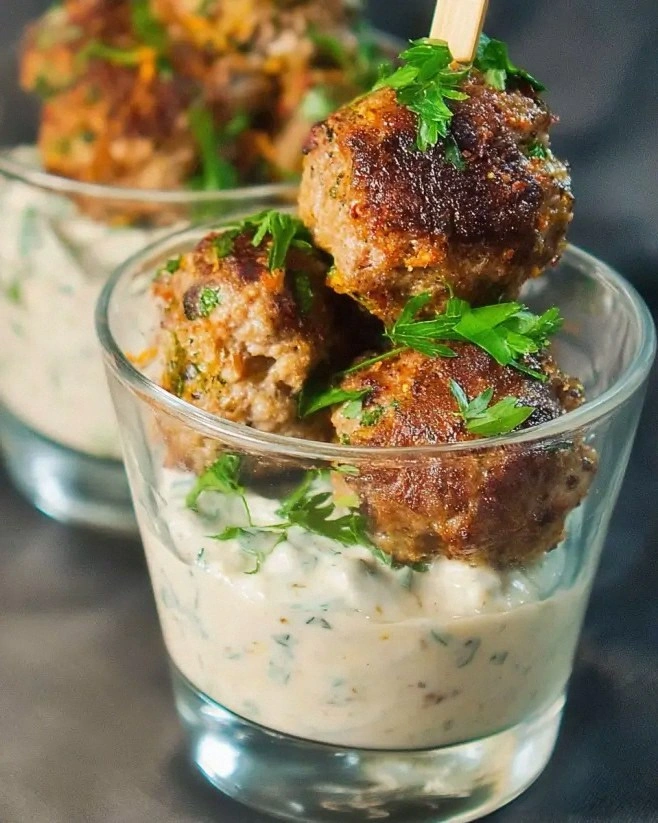
Serve the meatballs hot, accompanied by a generous bowl of tzatziki. Drizzle a little extra olive oil over the dip, sprinkle a pinch of fresh dill, and maybe add a few lemon wedges for that extra zing. The contrast of hot, crisp meatballs against the cool, creamy dip is what makes this dish unforgettable.
Finally, gather your friends, pour some chilled white wine or a crisp rosé, and watch as they dive in. I’ll be honest — I ate half the batch before anyone else got to try it. Picture yourself pulling this out of the oven, the whole kitchen smelling incredible, and knowing you just nailed the ultimate appetizer.
That's it — you did it. But hold on, I've got a few more tricks that'll take this to another level...
Insider Tricks for Flawless Results
The Temperature Rule Nobody Follows
Never cook meatballs straight from the fridge at high heat. Let them sit at room temperature for 10 minutes before searing. This prevents the outside from scorching while the inside stays cold, which can cause uneven cooking. A friend once tried skipping this step and ended up with a burnt shell and a raw center—let’s just say the party was a bit soggy.
Why Your Nose Knows Best
When the meatballs start to brown, trust your sense of smell. A nutty, slightly sweet aroma signals the Maillard reaction is happening perfectly. If you smell a burnt, acrid scent, lower the heat immediately. Your nose is a built‑in thermometer that no gadget can replace.
The 5‑Minute Rest That Changes Everything
After baking, let the meatballs rest for exactly five minutes. This short pause lets the fibers relax, redistributing juices throughout the interior. Skipping this step results in a dry bite, as the juices escape onto the plate. It’s a tiny habit that makes a massive difference.
Double‑Dip for Extra Creaminess
Mix a teaspoon of extra‑virgin olive oil into the tzatziki just before serving. The oil adds a silky mouthfeel and helps the dip cling to the meatball’s surface. It’s a subtle trick that elevates the dip from good to restaurant‑quality.
Seasoning Layers, Not One‑Shot
Season the meat mixture, the tzatziki, and the final plating separately. Lightly salt the meat before forming the balls, then taste the tzatziki and adjust with a pinch of salt and pepper. Finally, finish the plated dish with a sprinkle of fresh dill and a drizzle of lemon juice. Layered seasoning builds complexity without overwhelming any single component.
Creative Twists and Variations
This recipe is a playground. Here are some of my favorite ways to switch things up:
Spicy Harissa Heat
Swap half the cumin for Harissa paste and add a pinch of smoked paprika to the meat mixture. The result is a smoky, fiery bite that pairs beautifully with the cooling tzatziki. Perfect for those who love a little heat.
Herb‑Infused Lamb
Replace the beef with ground lamb and double the fresh mint in the tzatziki. The mint brightens the lamb’s natural gaminess, creating a Mediterranean‑style lamb kofta vibe.
Cheesy Mediterranean
Stir in ¼ cup crumbled feta into the meat mixture and sprinkle a bit of feta on top of the finished meatballs. The salty tang of feta adds another layer of depth, making the dish even more indulgent.
Vegan Delight
Use plant‑based ground “beef” (like Beyond Meat) and replace the egg with a flax egg. Swap Greek yogurt for a thick coconut‑milk yogurt and keep the cucumber, dill, and lemon. The texture changes slightly, but the flavors remain true.
Grilled Version
Instead of pan‑searing, thread the meatballs onto skewers and grill over medium heat for 8‑10 minutes, turning occasionally. The grill marks add a smoky char that complements the herbaceous tzatziki.
Storing and Bringing It Back to Life
Fridge Storage
Place cooled meatballs in an airtight container, layering a sheet of parchment paper between layers to prevent sticking. They’ll stay fresh for up to three days. Keep the tzatziki in a separate sealed jar; it holds up for five days.
Freezer Friendly
Freeze uncooked meatballs on a baking sheet, then transfer to a zip‑top bag once solid. They’ll last three months. When ready, bake from frozen at 375°F for 20‑25 minutes. Thaw the tzatziki in the fridge overnight, then give it a quick stir.
Best Reheating Method
Reheat meatballs in a preheated oven at 350°F for 8‑10 minutes, or quickly pan‑sear for a fresh crust. Add a tiny splash of water (about a tablespoon) to the pan and cover for a minute; the steam revives the interior moisture. The tzatziki can be served straight from the fridge or warmed gently over a double boiler for a velvety dip.