I was halfway through a marathon Netflix binge when my roommate dared me to make a burger that would “crack” the very notion of what a backyard classic could be. I laughed, I scoffed, and then I heard that familiar sizzle as the first patty hit the hot skillet—an instant reminder that the best ideas are born from a little heat and a lot of bravado. The kitchen filled with the smell of caramelized meat, the kind of aroma that makes your mouth water before you even see the plate. I could feel the anticipation building like a drumroll, each pop of the grill a promise that something extraordinary was about to happen.
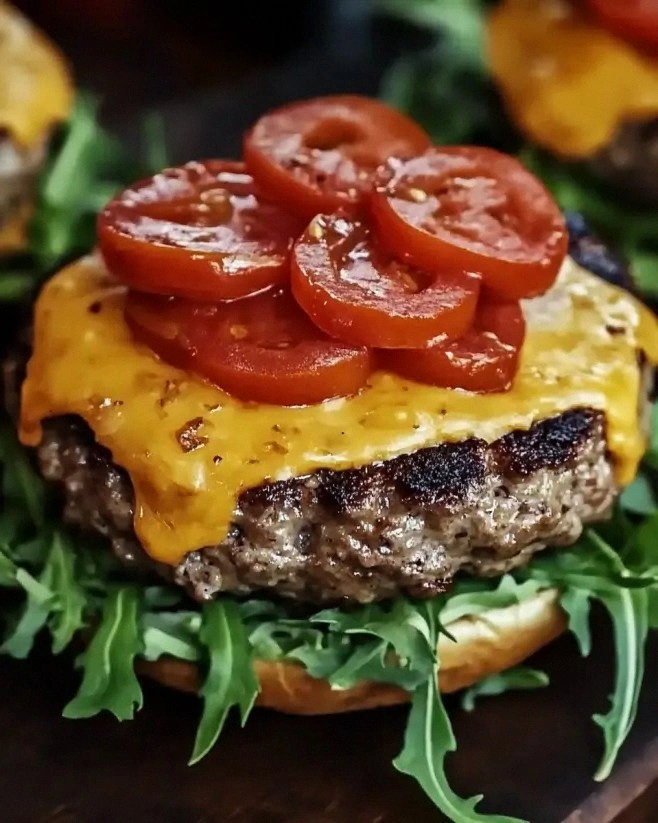
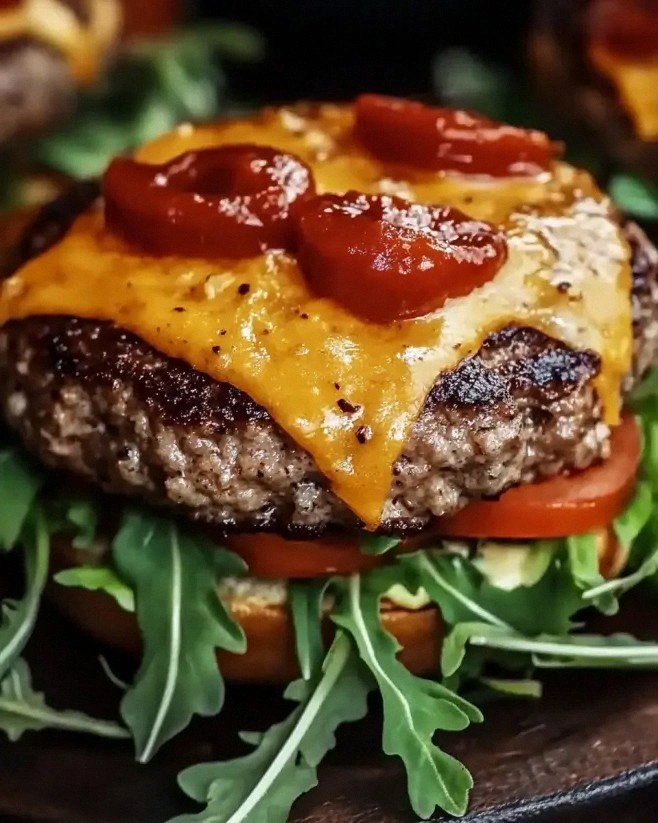
Fast forward an hour, and I was standing over a stack of perfectly seared burgers, each one crowned with a melt that stretched like a golden sunrise over the horizon. The sauce—creamy, tangy, with a whisper of sweet—clung to the bun like a lover’s embrace, while the crisp lettuce and juicy tomato added a fresh crunch that sang in contrast to the smoky beef. I took a bite, and the flavors detonated in my mouth, a cascade of savory, salty, and slightly sweet notes that made my eyes widen in disbelief. I dare you to taste this and not go back for seconds; the experience is addictive, almost criminally good.
What makes this version truly stand out is a handful of tricks most recipes completely miss. Most home‑cooked burgers either over‑season or under‑season, they forget the magic of a quick rest, or they drown the patty in sauce that slides off the bun. I’ve cracked that code by balancing the seasoning, mastering the sear, and building a sauce that coats the patty like velvet without making the bun soggy. The secret? A dash of smoked paprika for depth, a touch of mayo‑ketchup‑mustard trio for that perfect tang, and a quick press of the patty to get those glorious caramelized edges.
Okay, ready for the game‑changer? I’m about to walk you through every single step—by the end, you’ll wonder how you ever made a burger any other way. Picture yourself pulling this out of the skillet, the whole kitchen smelling incredible, the bun slightly toasted, the cheese bubbling just enough to whisper “don’t touch.” This isn’t just a recipe; it’s a culinary adventure that will elevate your burger nights forever. Let me walk you through every single step — by the end, you'll wonder how you ever made it any other way.
What Makes This Version Stand Out
- Flavor Explosion: The blend of garlic powder, onion powder, and smoked paprika creates a depth that feels like a backyard BBQ in a single bite.
- Texture Harmony: A quick press on the patty yields those coveted caramelized edges, while the fresh lettuce and tomato add a crisp contrast.
- Simplicity: Only a handful of pantry staples are needed, so you won’t be hunting the store for obscure ingredients.
- Unique Sauce: The mayo‑ketchup‑mustard trio sticks to the bun like a second skin, delivering creamy richness without sogginess.
- Crowd Reaction: This burger has a reputation for clearing plates and starting debates—“Is this even legal?”
- Ingredient Quality: Using 80/20 ground beef ensures juiciness while keeping the patty from falling apart.
- Cooking Method: A hot skillet sear locks in juices, and the brief rest lets the meat fibers relax for maximum tenderness.
- Make‑Ahead Potential: You can prep the sauce and even form the patties a day ahead, saving you precious dinner rush minutes.
Inside the Ingredient List
The Flavor Base
The star of this burger is the 1 pound of ground beef, preferably an 80/20 ratio of lean to fat. That 20 percent fat is what creates the juicy, melt‑in‑your‑mouth texture we all crave. If you skimp on the fat, you’ll end up with a dry, crumbly patty that feels more like a meatloaf than a burger. Swap tip: If you’re watching calories, you can use 85/15, but expect a slightly less buttery bite.
Garlic powder, onion powder, and smoked paprika each bring a distinct layer of flavor. Garlic powder provides a mellow, aromatic backbone, while onion powder adds subtle sweetness that balances the meat’s richness. The smoked paprika is the secret weapon—it injects a smoky depth without needing a grill. Watch out: Too much paprika can dominate, so stick to the exact teaspoon.
Salt and black pepper are the classic duo that unlocks all the other flavors. Salt draws out moisture from the meat, creating a crust when seared, while pepper adds a gentle heat. If you’re using flaky sea salt, sprinkle it just before the patty hits the pan for an extra crunch. Fun fact: The word “pepper” originally referred to a completely different spice from the New World.
The Melt Crew
Four slices of American cheese might sound basic, but they melt like a dream, creating a creamy veil that hugs the patty. The mild flavor lets the seasoned beef shine, while the melt‑ability ensures every bite is uniformly cheesy. If you want a sharper profile, swap for sharp cheddar, but expect a more pronounced tang.
The Sauce Squad
The sauce is a simple yet powerful trio: 1/4 cup mayonnaise, 1 tablespoon ketchup, and 1 tablespoon mustard. Mayonnaise provides a rich, velvety base; ketchup adds a sweet acidity; mustard contributes a bright, peppery bite. Whisk them together until the mixture is smooth, then spread it on both halves of the bun. Kitchen hack: Add a pinch of smoked paprika to the sauce for an extra layer of smoky goodness.
The Crunch Crew
Dill pickles, lettuce, and tomato add the essential crunch and freshness that prevent the burger from feeling heavy. The pickles bring a tangy snap that cuts through the richness, while the lettuce offers a buttery crisp. Tomato adds juiciness and a subtle sweetness. Pro tip: Pat the tomato slices dry with paper towels; excess moisture can make the bun soggy.
Everything's prepped? Good. Let's get into the real action...
The Method — Step by Step
In a large bowl, combine the ground beef, garlic powder, onion powder, smoked paprika, salt, and black pepper. Use your hands—yes, get a little messy—to gently fold the spices into the meat. Power transition: This is the moment of truth, where flavor meets texture. The mixture should feel slightly tacky but not overly wet. Watch Out: Over‑mixing will develop gluten and make the patty tough.
Divide the seasoned meat into four equal portions (about 4 oz each) and shape them into loose balls. Press each ball gently into a ¾‑inch thick patty, making a small indentation in the center with your thumb—this prevents the classic “balloon” effect as they cook.
Kitchen Hack: Chill the formed patties for 10 minutes before cooking; they’ll hold their shape better on the skillet.Heat a cast‑iron skillet over medium‑high heat until it’s screaming hot. Add a drizzle of oil (just enough to coat the surface). When the oil shimmers, lay the patties in the pan, indentation side up. Hear that sizzle? That’s the sound of flavor locking in. Let the patties cook undisturbed for 3‑4 minutes, until the edges start to turn a deep caramel brown.
Flip the patties and immediately place a slice of American cheese on each. Cover the skillet with a lid for 1‑2 minutes; the trapped steam will melt the cheese perfectly. Power transition: This next part? Pure magic. The cheese should be a glossy, gooey blanket that clings to the meat.
While the cheese melts, toast the hamburger buns cut‑side down in a separate pan or under the broiler for about 30 seconds, just until they’re golden and slightly crisp. Watch Out: Don’t over‑toast; you want a sturdy base, not a brittle shell.
In a small bowl, whisk together mayonnaise, ketchup, and mustard until smooth. Add a pinch of smoked paprika if you like an extra smoky whisper. Spread a generous layer on both the top and bottom halves of each bun. The sauce should coat the bread like a velvety veil, staying put even after the patty lands.
Assemble the burger: start with the bottom bun, then a handful of lettuce, a slice of tomato, a few dill pickle chips, and finally the cheesy patty. Top with the bun’s crown, press lightly, and let the flavors meld for a few seconds.
Serve immediately, but if you’re feeling daring, slice the burger in half to reveal the molten cheese and juicy interior. I dare you to taste this and not go back for seconds—the combination is so addictive you’ll be counting down the minutes until your next bite.
That’s it — you did it. But hold on, I've got a few more tricks that'll take this to another level. Stay with me here — this is worth it.
Insider Tricks for Flawless Results
The Temperature Rule Nobody Follows
Never cook a burger on low heat; you’ll end up with a steamed patty that lacks that coveted crust. Aim for a skillet temperature of around 400°F (204°C). You can test this by flicking a drop of water onto the surface; if it sizzles and evaporates instantly, you’re good to go. I once tried a “slow‑cook” method and the result was a sad, mushy mess that even ketchup couldn’t rescue.
Why Your Nose Knows Best
Your sense of smell is a reliable indicator of doneness. When the edges of the patty start to turn a deep caramel color and you catch that nutty, slightly sweet aroma, the burger is ready to flip. If you rely solely on a timer, you’ll miss the subtle browning that adds flavor depth.
The 5‑Minute Rest That Changes Everything
After cooking, let the patties rest for five minutes on a warm plate. This short pause lets the juices redistribute, preventing them from spilling out the moment you bite. I’ve seen friends cut into a fresh patty and watch the juices run like a waterfall—disaster! Resting keeps every bite juicy and balanced.
Sauce Layering Like a Pro
Apply the sauce on both the top and bottom bun, but add a thin second layer on the inside of the top bun just before closing. This double‑coat ensures the sauce never slides off and adds a creamy surprise with every bite. A friend tried a single‑coat method and complained the sauce “slipped away” after the first bite.
Pickle Placement Perfection
Place the dill pickles on top of the lettuce rather than directly on the patty. This prevents the pickles from sogging the meat and keeps the crunch intact. If you stack them under the patty, the moisture can seep into the bun, making it soggy.
Creative Twists and Variations
This recipe is a playground. Here are some of my favorite ways to switch things up:
Spicy Jalapeño Inferno
Add thinly sliced jalapeños to the patty mixture and swap the American cheese for pepper jack. The extra heat pairs perfectly with the cooling mayo‑ketchup sauce, creating a balanced fire‑and‑ice experience that will wow spice lovers.
BBQ Bacon Bliss
Stir a tablespoon of your favorite BBQ sauce into the meat before forming the patties, and top each burger with crispy bacon strips. The smoky bacon amplifies the smoked paprika, while the BBQ notes add a sweet‑tangy depth.
Mediterranean Delight
Replace the American cheese with feta, swap the dill pickles for sliced cucumber, and add a dollop of tzatziki sauce instead of the mayo‑ketchup blend. A handful of fresh arugula adds peppery brightness, turning the burger into a Mediterranean feast.
Mushroom‑Swiss Elegance
Sauté sliced cremini mushrooms in butter until golden, then pile them on the patty and melt Swiss cheese instead of American. The earthy mushrooms complement the beef’s richness, and the Swiss adds a nutty, smooth finish.
Breakfast Burger Bonanza
Top the patty with a sunny‑side‑up egg and swap the ketchup for a drizzle of maple syrup. The runny yolk acts as a sauce, while the maple adds a sweet contrast that makes brunch feel like a celebration.
Storing and Bringing It Back to Life
Fridge Storage
Place cooked patties in an airtight container and store them in the refrigerator for up to three days. Keep the sauce separate to prevent sogginess. When ready to eat, gently reheat the patty in a skillet over medium heat for 2‑3 minutes per side.
Freezer Friendly
Wrap each uncooked patty tightly in plastic wrap, then place them in a zip‑top freezer bag. They’ll keep for up to two months. To cook, thaw overnight in the fridge, then follow the standard cooking method. The extra step of thawing ensures even cooking.
Best Reheating Method
For the crispiest revival, heat a skillet over medium heat, add a splash of water (just a teaspoon) to the pan, and cover with a lid. The steam will re‑hydrate the patty while the direct heat restores the crust. Avoid microwaving; it turns the patty rubbery and the cheese squeaky.