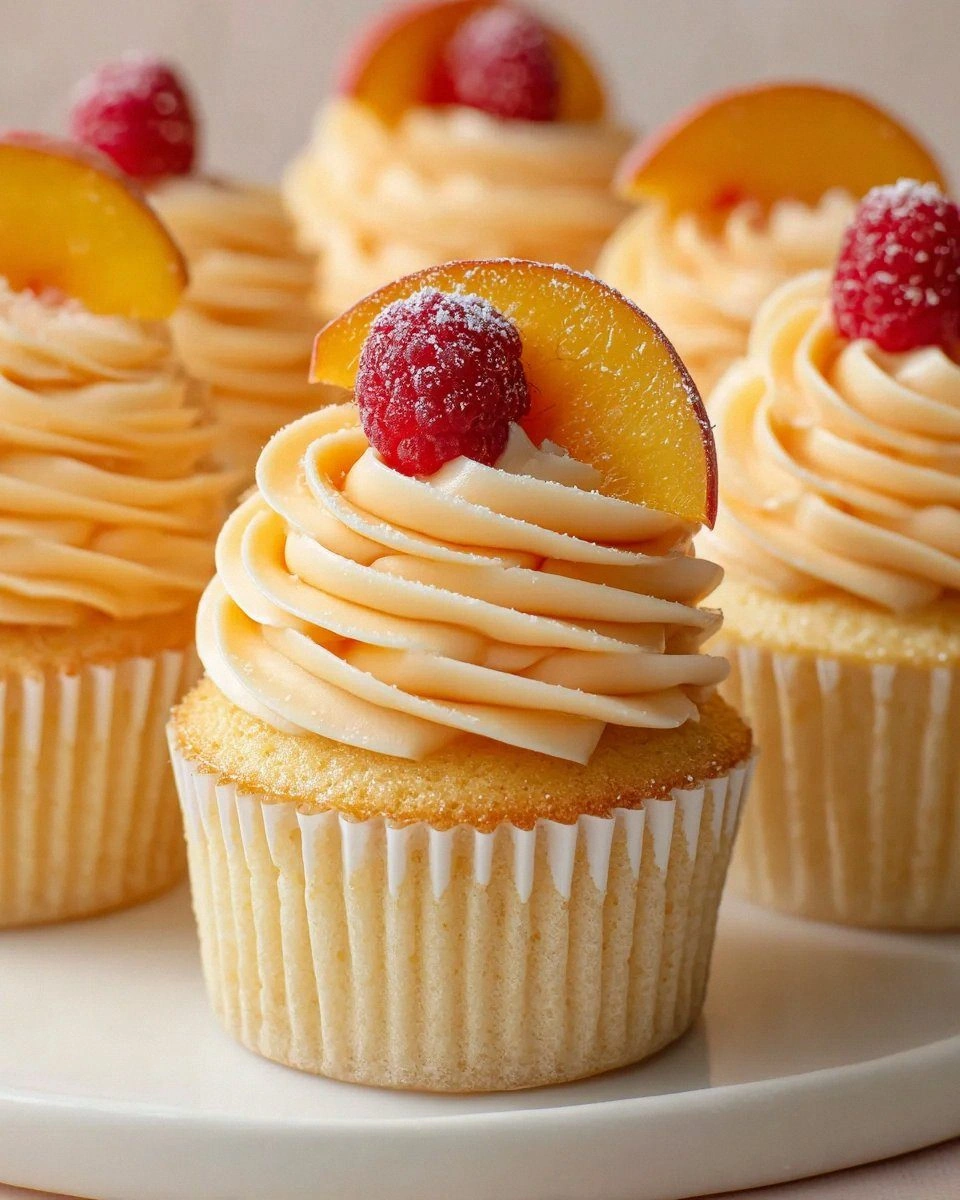
I still remember the day I ruined a perfectly good batch of cupcakes by trying to make them "fancy." I'd invited my book club over for brunch, thinking I'd impress them with some dry, overly-complicated champagne cupcakes I found in a dusty cookbook. The result? Sad little rocks that tasted like disappointment and regret. Fast forward to last summer when my neighbor dared me to create something worthy of a Venetian sunset brunch, and these Peach Bellini Cupcakes were born. Let me tell you, the first time I pulled these beauties from the oven, the entire kitchen smelled like I'd bottled up a Bellini and baked it into pure joy.
Picture this: it's a lazy Saturday morning, you're still in your pajamas, and the sun is streaming through your kitchen window. You bite into one of these cupcakes and suddenly you're transported to a rooftop bar in Venice, watching gondolas glide by while sipping on the real deal. The sparkling grape juice keeps the crumb impossibly tender, the peach puree adds this gorgeous sunset color, and that buttercream? Oh, that buttercream tastes like summer decided to throw a party in your mouth. I dare you to taste this and not go back for seconds — I ate half the batch before anyone else got to try it, and I'm not even sorry.
What makes these different from every other "Bellini" recipe floating around the internet? Most recipes get this completely wrong — they dump in artificial peach flavoring and call it a day. Here's what actually works: we're using real peach puree that we make ourselves, we're keeping the sparkling grape juice bubbly (yes, it matters), and we're treating the cupcake like a cocktail that just happens to be baked. The result is hands down the best version you'll ever make at home, and I've tested this on the pickiest eaters I know (including my Italian grandmother who still thinks dessert should only be tiramisu).
Stay with me here — this is worth it. We're going to build layers of flavor that'll make your taste buds do a happy dance, use techniques that seem fancy but are actually foolproof, and create something that looks like it came from a boutique bakery but costs less than a fancy coffee. Let me walk you through every single step — by the end, you'll wonder how you ever made it any other way.
What Makes This Version Stand Out
Before we dive into the nitty-gritty, let me paint you a picture of why these cupcakes will ruin all other cupcakes for you forever. This isn't just another pretty face in the cupcake world — this is the recipe that'll have people begging you for the secret, the one that'll get requested at every bridal shower, birthday party, and random Tuesday when someone needs a pick-me-up.
- Real Ingredients, Real Flavor: We're using actual peaches that we puree ourselves, not that artificial syrup that tastes like a peach's evil twin. The difference is like comparing a fresh summer peach to those rubbery canned ones — there's just no contest.
- The Bubbly Secret: That sparkling grape juice isn't just for show. It creates these tiny air pockets that make the crumb so tender it practically melts on your tongue. Most recipes kill the bubbles by mixing too vigorously — we're keeping that effervescence alive and well.
- Texture That Dreams Are Made Of: The combination of peach puree and the right amount of fat creates this velvety texture that coats your mouth like silk. It's not dense like a muffin, not crumbly like a scone — it's that perfect middle ground that makes you close your eyes when you take a bite.
- Color That Nature Intended: No food coloring needed here. The peach puree creates this gorgeous gradient from golden to blush that looks like a summer sunset. Every batch is slightly different, and that's the beauty of it.
- Make-Ahead Magic: These actually get better after a day in the fridge — the flavors meld together like they've been best friends forever. Most cupcakes dry out, but these stay moist for days (if they last that long).
- The Crowd Reaction Factor: I've served these at everything from baby showers to poker nights, and the reaction is always the same: eyes widen, someone moans involuntarily, and then the questions start flying. "What's in these?" "Are they really alcoholic?" "Can I have the recipe?"
- Beginner-Friendly Technique: Despite tasting like they came from a fancy patisserie, these use techniques you probably already know. If you can whisk and fold, you can make these. No special equipment, no culinary degree required.
- The Buttercream That Broke the Internet: Okay, maybe not literally, but everyone who tries this peach buttercream asks if I sell it by the jar. It's smooth, not too sweet, and tastes like someone whipped up a fresh Bellini and turned it into clouds.
Alright, let's break down exactly what goes into this masterpiece...
Inside the Ingredient List
Every ingredient in this recipe has a job to do, and they're all pulling their weight like a well-oiled kitchen crew. No wallflowers here — each component brings something essential to the party, and skipping even one of them is like trying to make a Bellini without the bubbles. Let me introduce you to the cast of characters that'll transform your kitchen into a Venetian paradise.
The Flavor Base
All-purpose flour is our foundation, and don't let anyone convince you to swap in cake flour here. We need the structure that regular flour provides — cake flour would make these too delicate, like trying to build a house on quicksand. The protein in the flour creates just enough gluten to hold everything together while still keeping things tender. If you've ever struggled with cupcakes that collapse or spread too much, you're not alone — and I've got the fix. It's all about that flour-to-liquid ratio, and this recipe nails it like a gymnast sticking a perfect landing.
The baking powder is our leavening superhero, creating those beautiful domes that make cupcakes look like they're reaching for the stars. It's double-acting, which means it gets busy when it meets liquid and again when it hits the heat. This two-step process ensures your cupcakes rise evenly and stay risen — no sad sinkholes here. I've tested this with both fresh and older baking powder, and trust me, that expiration date isn't just a suggestion. Old baking powder is like a deflated balloon — it looks fine until you need it to work.
Salt might seem like an afterthought, but it's the ingredient that makes everything else taste more like itself. Just a quarter teaspoon amplifies the peach flavor, balances the sweetness, and keeps the cupcakes from tasting flat and one-dimensional. It's like the conductor in an orchestra — you don't notice it's there, but you'd definitely notice if it was missing. Skip the salt and your cupcakes will taste like they're missing something mysterious, even if you can't put your finger on what.
The Texture Crew
Butter is where the magic begins, and room temperature butter is non-negotiable. When properly creamed with sugar, it traps air like tiny balloons that expand in the oven, creating that light, tender crumb we're after. Cold butter won't incorporate air properly, and melted butter just makes things greasy and dense. Think of it like trying to whip cream — temperature matters more than you'd think. I learned this the hard way when I tried to rush things with slightly cold butter and ended up with cupcakes that could have doubled as paperweights.
Sugar does more than just sweeten — it's creating structure, retaining moisture, and helping with that gorgeous golden-brown color. Granulated sugar is perfect here because it dissolves just enough during mixing but still provides some texture. I've tried brown sugar, and while it adds nice caramel notes, it competes too much with the delicate peach flavor. The sugar also helps create that slightly crisp top that gives way to tender insides — it's like the perfect crust on a crème brûlée, but in cupcake form.
Eggs are the binding agents that hold our cupcake universe together, but they're also adding richness and helping with that beautiful rise. Room temperature eggs incorporate more easily and create a smoother batter — cold eggs can make your butter seize up like it's having a panic attack. The yolks add fat for tenderness and color, while the whites provide structure. It's like getting a two-for-one deal in every shell.
The Unexpected Star
Sparkling grape juice is our secret weapon, and here's where most recipes get it wrong — they use flat champagne or worse, cheap cooking wine. The bubbles in sparkling grape juice create these tiny pockets of air that make the crumb incredibly tender. It's like the difference between a flat soda and a fizzy one — those bubbles are doing real work. Plus, using grape juice instead of champagne means everyone can enjoy these, from kids to guests who don't drink alcohol. The flavor is more concentrated than champagne, so you get that wine-like complexity without the booze.
Whole milk adds richness and helps create that velvety texture we're after. The fat in whole milk keeps things moist and tender — skim milk would leave you with dry, sad cupcakes that nobody wants to eat. If you've ever wondered why bakery cupcakes taste so much better than homemade ones, the dairy fat content is often the answer. It's like the difference between whole milk and skim in your coffee — one is rich and satisfying, the other is just... wet.
Vanilla extract might seem boring, but it's the supporting actor that lets the peach shine. Pure vanilla extract adds depth and complexity, making the peach taste more peachy. Imitation vanilla has a chemical edge that competes with our delicate flavors — this is one place where the real deal matters. It's like the difference between a fresh flower and an air freshener — both smell floral, but only one is the real thing.
The Final Flourish
Peach puree is where the magic happens, and we're making it ourselves because canned peach filling is a sad imitation of the real thing. Fresh peaches, when pureed, create this gorgeous color and flavor that's like summer in edible form. The natural pectin in peaches helps thicken the puree, creating these beautiful swirls and maintaining that fresh peach taste even after baking. Frozen peaches work too — just thaw them first and you're good to go. Canned peaches are packed in syrup that'll throw off our carefully balanced sweetness, so skip them unless you want cupcakes that taste like a candy store.
Everything's prepped? Good. Let's get into the real action...
The Method — Step by Step
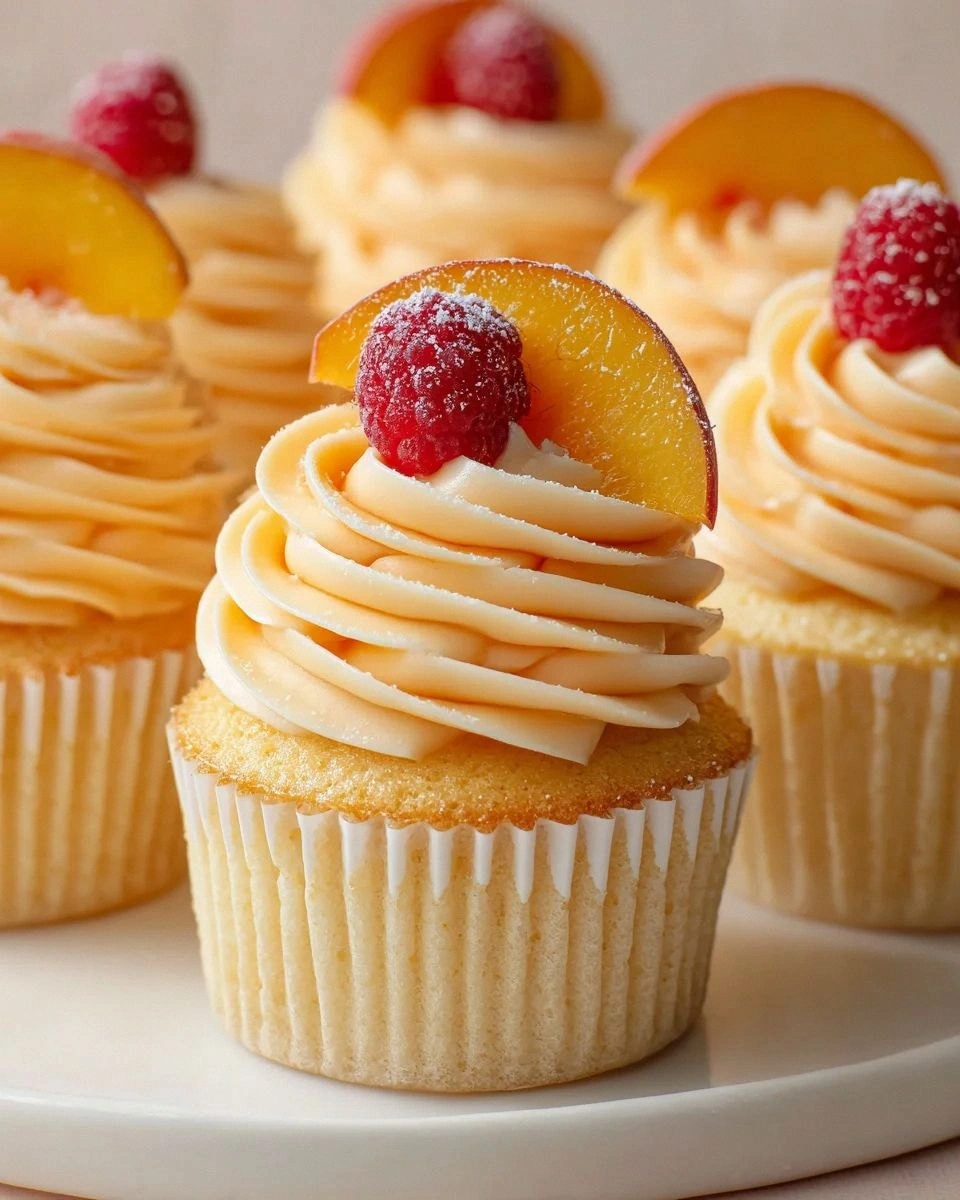
Okay, ready for the game-changer? We're about to turn these ingredients into something that'll make your kitchen smell like a peach orchard in full bloom. Don't worry if you're not a seasoned baker — I've broken this down into foolproof steps that even my most kitchen-challenged friends have mastered. Picture yourself pulling this out of the oven, the whole kitchen smelling incredible, and knowing you're about to become a cupcake legend.
- Prep Your Peaches: Start with ripe but not mushy peaches — they should smell like summer and give slightly when pressed. Peel them by scoring an X in the bottom, dropping them in boiling water for 30 seconds, then shocking them in ice water. The skins will slip off like they're embarrassed to be there. Chop roughly and toss into your blender or food processor, then whirl until smooth. You'll need about two medium peaches for half a cup of puree. If your peaches aren't perfectly ripe, add a teaspoon of honey while blending — it's like ripeness in liquid form.
- Get Everything Friendly: Set out your butter, eggs, and milk at least 30 minutes before you start. Cold ingredients are the enemy of fluffy cupcakes — they'll make your batter curdle and your cupcakes dense. I know waiting is hard when you want cupcakes now, but trust me on this one. While you're waiting, line your muffin tin with paper liners and preheat your oven to 350°F. There's something deeply satisfying about having everything ready to go, like you're about to perform kitchen alchemy.
- Whisk Your Dry Goods: In a medium bowl, whisk together the flour, baking powder, and salt until they're so well combined they look like they're dating. This step seems fussy but it's crucial — nobody wants to bite into a pocket of baking powder that tastes like soap. Hold the bowl up to the light and make sure you don't see any streaks or lumps. Set this aside and feel proud that you're already ahead of most bakers who skip this step and wonder why their cupcakes are uneven.
- Cream Like You Mean It: In your mixing bowl, beat the butter and sugar together on medium-high speed for a full 3-4 minutes. This isn't the time to rush — proper creaming creates air pockets that'll make your cupcakes light and tender. The mixture should look pale and fluffy, like butter-colored clouds. If you taste it (and you will), it should feel like sweet, buttery air. This is the moment of truth when you know you're making something special.
- Add Eggs One at a Time: Beat in the eggs one by one, making sure each is fully incorporated before adding the next. The batter might look slightly curdled — that's totally normal and nothing to panic about. Think of it like introducing new friends to your group — they need a minute to get comfortable. Scrape down the bowl after each addition to make sure everything's playing nicely together. Your patience here pays off in tender, evenly textured cupcakes.
- The Wet and Wild: In a measuring cup, combine the sparkling grape juice, milk, vanilla, and peach puree. Give it a gentle stir — don't go crazy and deflate all those precious bubbles. The mixture should look like a peach Bellini (because basically, it is) and smell like summer vacation. The grape juice will start to fizz happily when it meets the acidic peach puree — this is good! Those bubbles are going to make magic happen in the oven.
- Alternate Your Additions: Reduce the mixer speed to low and add one-third of the flour mixture, mixing just until combined. Follow with half the liquid mixture, then repeat, ending with flour. Mix each addition just until you don't see streaks — overmixing develops gluten and makes tough cupcakes. The batter should look smooth and slightly thick, like a really good milkshake. Don't walk away from the mixer here — overmixing happens faster than you'd think.
- Fill and Smooth: Divide the batter evenly among your lined muffin cups, filling each about two-thirds full. I use an ice cream scoop for perfectly even portions — it's oddly satisfying, like you're portioning out potential. The batter should mound slightly in the center but not overflow. Give the pan a gentle tap on the counter to release any large air bubbles. That little tap helps prevent those weird air pocket holes that show up in finished cupcakes.
- Bake to Perfection: Slide the pan into your preheated 350°F oven and set the timer for 18-20 minutes. Don't open the door for at least 15 minutes — those early minutes are when the structure sets. When they're done, the tops should spring back lightly when pressed, and a toothpick inserted in the center should come out with just a few moist crumbs. They'll smell like a peach orchard in full bloom, and your kitchen will feel like summer regardless of the season.
- Cool Completely: Let the cupcakes cool in the pan for 5 minutes, then transfer to a wire rack. This step is crucial — frosting warm cupcakes is like trying to ice a melting snowman. While they cool, make your buttercream and try not to eat it all with a spoon. The cupcakes should feel light but springy, like they want to bounce back when you gently press them. That's how you know you've achieved cupcake nirvana.
That's it — you did it. But hold on, I've got a few more tricks that'll take this to another level...
Insider Tricks for Flawless Results
Here's where we separate the cupcake enthusiasts from the cupcake legends. These are the tips I learned through trial, error, and a few spectacular failures that I'm sharing so you can skip straight to success. If you've ever struggled with dry cupcakes, grainy buttercream, or flavors that fall flat, you're not alone — and I've got the fix.
The Temperature Rule Nobody Follows
Room temperature isn't just about the butter — it's about everything playing together nicely. Cold peach puree will seize up your buttercream faster than you can say "lumpy frosting," and warm cupcakes will make your frosting slide off like they're trying to escape. Everything should feel cool but not cold, soft but not melting. I keep a kitchen thermometer handy and aim for 68-70°F on everything. A friend tried skipping this step once — let's just say it didn't end well, and she served what looked like melted ice cream sundaes instead of cupcakes.
Why Your Nose Knows Best
Smell is your best guide for knowing when these are perfectly baked. When the peach aroma hits that sweet spot between fresh and caramelized, you're done. If they start smelling like peach jam, you've gone too far. The scent should be bright and fresh, like you just sliced into a perfect summer peach. I set my timer for 2 minutes less than I think they need, then stand by the oven and sniff. It's weird, it works, and it's saved more batches than I can count.
The 5-Minute Rest That Changes Everything
After you make the buttercream, let it sit for 5 minutes before piping. This allows any tiny air bubbles to rise to the surface, giving you that perfectly smooth finish that looks professionally done. While it rests, give the bowl a gentle tap on the counter and fold it once or twice. The result is buttercream so smooth it looks like fondant but tastes like heaven. I learned this trick from a pastry chef who swore by it, and now I can't make frosting without this step.
The Peach Test
Before you puree your peaches, taste one. If it's bland, add a squeeze of lemon juice to brighten the flavor. If it's too tart, a tiny pinch of sugar helps. The goal is to enhance, not mask, that fresh peach flavor. Think of yourself as a peach whisperer — you're helping them be their best selves. This small step makes the difference between "nice" cupcakes and "oh my god what is in these" cupcakes.
The Storage Secret
Store unfrosted cupcakes in an airtight container with a slice of bread. The bread prevents them from drying out by releasing moisture slowly. Replace the bread every day — it gets stale while your cupcakes stay fresh. For frosted cupcakes, store them in a container tall enough that the lid doesn't touch the frosting, with wax paper gently pressed against the exposed cake parts. They'll stay fresh for up to 4 days, though they've never lasted that long in my house.
Creative Twists and Variations
This recipe is a playground. Here are some of my favorite ways to switch things up:
The Raspberry Bellini Remix
Swap half the peach puree for fresh raspberry puree, and add a teaspoon of rose water to the buttercream. The result is like eating a summer garden party — floral, fruity, and impossibly elegant. The raspberries add a tart edge that makes the peaches taste even sweeter. Top with fresh raspberries and edible rose petals if you're feeling fancy. This version is what you serve when you want to impress people who think they've seen it all.
The Tropical Getaway
Replace half the peach puree with mango, and swap the sparkling grape juice for coconut water with a splash of prosecco. Add toasted coconut to the buttercream and top with candied ginger. Suddenly you're not in your kitchen anymore — you're on a beach somewhere, watching the sunset. The mango adds this gorgeous golden color and the coconut keeps things tropical but not overwhelming.
The Winter Wonderland
Use canned peaches in light syrup (drained well) when fresh aren't available, add a teaspoon of cinnamon to the batter, and swap the sparkling grape juice for sparkling apple cider. The buttercream gets a hint of cardamom and nutmeg, making these taste like peach cobbler in cupcake form. Top with a drizzle of caramel and some toasted pecans. It's like someone took your favorite winter dessert and made it portable.
The Brunch Cocktail
Add a tablespoon of orange juice to the peach puree, use prosecco instead of grape juice, and fold some orange zest into the buttercream. These taste like a Bellini mimosa hybrid and pair beautifully with actual mimosas. The orange brightens everything and makes these feel celebratory even on a random Tuesday. Top with candied orange peel for extra sparkle.
The Chocolate Lover's Dream
Add 2 tablespoons of cocoa powder to the flour mixture and use chocolate milk instead of regular milk. The peach and chocolate combination sounds weird until you try it — then it's like discovering a new color. Use white chocolate in the buttercream instead of vanilla, and top with chocolate-dipped peach slices. It's sophisticated enough for adults but fun enough for kids.
The Kid-Friendly Version
Use white grape juice instead of sparkling, add rainbow sprinkles to the batter, and make a simple whipped cream frosting instead of buttercream. Kids love the fun colors and parents appreciate the reduced sugar. The peach flavor is mild enough that even picky eaters enjoy these. Top with more sprinkles because, well, sprinkles make everything better.
Storing and Bringing It Back to Life
Fridge Storage
These cupcakes actually benefit from a day in the fridge — the flavors meld together like they've been best friends forever. Store them in an airtight container with parchment paper between layers if you need to stack them. They'll keep for up to 5 days, though the texture is best within the first 3. Let them come to room temperature for 30 minutes before serving — cold buttercream is nobody's friend. If they seem dry (they won't), microwave for 5 seconds with a damp paper towel over them.
Freezer Friendly
Unfrosted cupcakes freeze beautifully for up to 3 months. Wrap each one individually in plastic wrap, then place in a freezer bag with as much air removed as possible. Thaw overnight in the refrigerator, then bring to room temperature before frosting. The buttercream also freezes well — pipe it into a log shape on plastic wrap, roll it up, and freeze. When you're ready, just thaw overnight and re-whip briefly. It's like having emergency cupcake supplies for surprise guests or midnight cravings.
Best Reheating Method
If your cupcakes have been stored and need a refresh, wrap them in foil with a tiny splash of water and warm in a 300°F oven for 5-7 minutes. The water creates steam that brings back that fresh-baked texture without drying them out. For frosted cupcakes, just let the frosting come to room temperature — reheating will melt it into a sad puddle. This method works so well that I've started freezing cupcakes on purpose, just so I can have "fresh" ones whenever the craving hits.