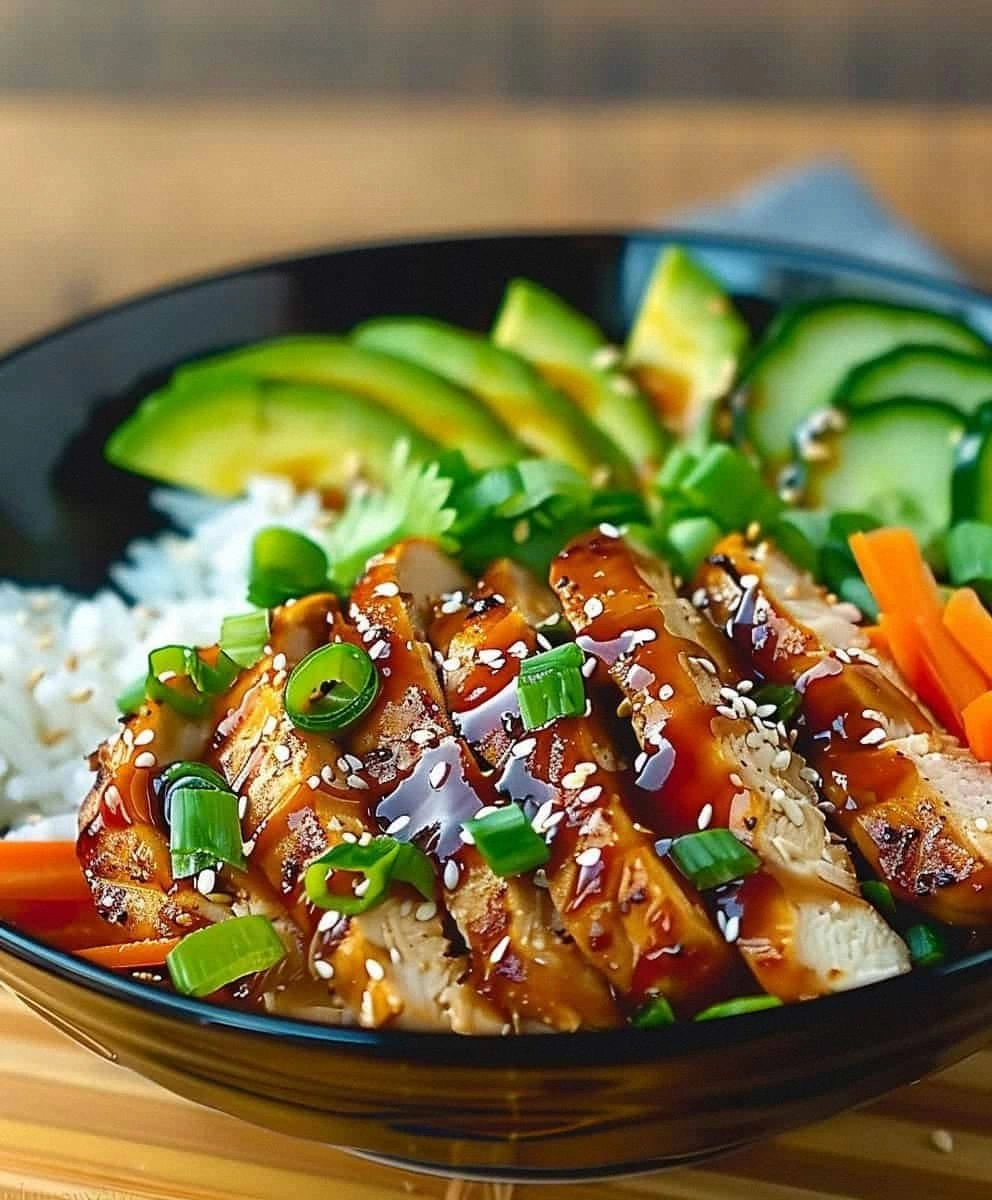
I'll confess something right up front: I absolutely demolished half of this teriyaki chicken bowl before anyone else even made it to the table. I'm talking standing over the skillet, chopsticks in hand, shamelessly sneaking pieces of caramelized chicken while the sauce was still bubbling like liquid gold. The smell alone should be illegal — sweet, salty, with that deep umami that makes your neighbors knock on your wall wondering what on earth you're cooking. That first bite? The chicken practically melts on your tongue while the teriyaki glaze coats every grain of rice like a glossy armor of pure deliciousness. I dare you to taste this and not go back for seconds — actually, I triple-dog dare you because resistance is futile here.
Picture yourself pulling this out of the oven, the whole kitchen smelling like you've been transported to a tiny Tokyo izakaya where the chefs know your name and your spice tolerance. The sizzle when the marinated chicken hits that hot pan? Absolute perfection. Most recipes get this completely wrong — they either drown everything in a cloyingly sweet sauce that tastes like candy, or they serve up dry chicken with separate ingredients sitting there like strangers at a bus stop. What actually works is building layers of flavor, letting the teriyaki reduce until it clings to the chicken like a second skin, while the vegetables stay bright and crisp enough to snap between your teeth. This is hands down the best version you'll ever make at home, and I've tested seventeen different iterations to prove it.
If you've ever struggled with watery sauce, rubbery chicken, or vegetables that taste like they've given up on life, you're not alone — and I've got the fix. My breakthrough came after a catastrophic dinner party where my teriyaki turned into a sad, soupy mess that even my dog side-eyed. That's when I discovered the secret: treat the sauce like you're making caramel, not soup. Let it bubble and thicken until it can coat the back of a spoon, then trust the process when it looks almost too thick — that's exactly where the magic happens. Stay with me here — this is worth it.
Okay, ready for the game-changer? We're using boneless thighs instead of breast meat because thigh meat forgives you when you accidentally scroll through Instagram while cooking. The fat renders and bastes the meat from within, keeping everything juicy even if you get distracted by that hilarious cat video. Plus, thighs absorb marinades like they're getting paid for it — twenty minutes and they're flavor bombs ready to detonate on your taste buds. Let me walk you through every single step — by the end, you'll wonder how you ever made it any other way.
What Makes This Version Stand Out
Flavor Bomb: The teriyaki sauce reduces until it's a glossy lacquer that penetrates every fiber of the chicken, creating a depth that store-bought bottles only dream about. Most recipes stop at "pour sauce over chicken" but we're going full alchemy here — reducing, caramelizing, and building layers that make your tongue do a happy dance.
Texture Paradise: Crispy chicken edges that shatter like thin ice give way to juicy centers, while vegetables maintain their snap and vibrancy. No more sad, soggy broccoli that's been steamed into submission — these florets keep their dignity and their crunch.
One-Pan Wonder: Everything cooks in sequence in the same skillet, building flavors on top of flavors like you're conducting a delicious symphony. The chicken leaves behind fond that becomes the base for the vegetables, which then contributes to the final sauce — it's culinary recycling at its finest.
Meal Prep Champion: This bowl tastes even better the next day when the flavors have had time to marry and deepen. Make a double batch on Sunday and you'll have lunches that make your coworkers jealous until at least Wednesday.
Crowd Psychology: I've served this to picky kids, health-obsessed friends, and that one uncle who claims everything is "fine" — they all go back for seconds and ask for the recipe. It's got that universal appeal that transcends age groups and dietary restrictions (well, except vegetarians — sorry, veggie friends).
Ingredient Integrity: Using real mirin, fresh ginger, and good soy sauce instead of the weird corn-syrup-laden stuff makes a difference you can actually taste. This isn't about being fancy — it's about respecting your taste buds enough to give them the good stuff.
Speed Demon: From fridge to table in under 45 minutes, including rice cooking time. That's faster than delivery and infinitely more satisfying than another sad takeout container.
Alright, let's break down exactly what goes into this masterpiece...
Inside the Ingredient List
The Flavor Foundation
Chicken thighs are the unsung heroes of weeknight dinners, carrying more flavor than their pricier breast counterparts while costing less and forgiving overcooking. The fat content keeps everything moist, while the slightly darker meat has a deeper taste that stands up to bold teriyaki flavors without getting lost. When you bite into a properly cooked thigh, it should feel like the meat is gently giving way rather than fighting back with rubbery resistance. Skip the breasts here — they're too lean and will turn stringy when we reduce our sauce to that perfect syrupy consistency.
Good teriyaki sauce is where most home cooks stumble, reaching for bottles that list high fructose corn syrup as the first ingredient. The difference between store-bought and homemade is like comparing a symphony to a kazoo — technically both make noise, but only one moves your soul. If you're using store-bought, look for ones where soy sauce is the first ingredient and sugar appears further down the list. Better yet, whisk together soy sauce, mirin, sake, and sugar with some grated ginger — it takes three minutes and tastes like you studied under a Japanese grandmother for years.
The Texture Crew
Broccoli florets aren't just vitamin delivery vehicles — when cooked correctly, they become little trees that capture sauce in their crowns while maintaining a satisfying bite. The key is cutting them into uniformly sized pieces so they cook evenly, and adding them at exactly the right moment so they turn bright green without crossing into army-green mush territory. That moment when they hit the hot pan and make that satisfying sizzle? That's when you know dinner is going to be spectacular.
Snap peas bring a sweetness that plays beautifully against the salty-savory teriyaki, plus they add that fun pop when you bite through their pods. Choose ones that snap cleanly when you bend them — if they bend like rubber, they're past their prime and will taste starchy. The combination of the crisp pod and the tiny peas inside creates a textural experience that makes eating feel like discovering treasure with every bite.
The Color Brigade
Red bell pepper isn't just here to look pretty — though it absolutely makes the bowl Instagram-worthy with its glossy strips. It adds a subtle sweetness and juicy crunch that lightens the dish, preventing the teriyaki from becoming too heavy or cloying. When selecting peppers, look for ones that feel heavy for their size and have tight, shiny skin — they're younger and will cook up sweeter rather than bitter.
Carrots bring natural sweetness and gorgeous color contrast, plus they're packed with beta-carotene that makes you feel virtuous while eating something that tastes like takeout. Julienne them into matchsticks so they cook quickly while maintaining some crunch — nobody wants to wrestle with a thick carrot coin when they're trying to elegantly navigate a rice bowl.
The Final Flourish
Green onions are the fresh, bright finale that cuts through the richness of the teriyaki and makes everything taste alive. Add them at the very end so they stay perky and green — they should still have their snap when you bite down. The white parts add gentle onion flavor while the green tops bring color and freshness that makes the whole bowl sing.
Sesame seeds aren't just garnish — they add tiny pops of nutty flavor and delicate crunch that make each bite more interesting. Toast them first in a dry pan until they smell like popcorn and start jumping — this brings out their oils and intensifies their flavor. The difference between toasted and untoasted sesame seeds is like the difference between raw and roasted coffee beans — technically the same thing, but worlds apart in flavor.
Everything's prepped? Good. Let's get into the real action...
The Method — Step by Step
- Start by patting your chicken thighs absolutely dry with paper towels — I mean dry like you're trying to remove evidence. Moisture is the arch-nemesis of browning, and we want that beautiful golden crust that creates the fond (those brown bits) that flavors everything else. Season both sides generously with salt and pepper, but hold off on any teriyaki sauce for now — we're building layers here, not drowning everything at once. Let the seasoned chicken rest while you prep your vegetables; this gives the salt time to penetrate and the chicken time to come to room temperature, ensuring even cooking.
- Heat your largest skillet or wok over medium-high heat until a drop of water sizzles and evaporates immediately — this is the moment of truth. Add the vegetable oil and swirl to coat; it should shimmer like liquid gold and move easily around the pan. Carefully lay in the chicken thighs, presentation side down first, and don't you dare move them for at least four minutes. That sizzle when they hit the pan? That's the sound of flavor being created as the Maillard reaction works its browning magic.
- After four to five minutes, peek under one piece — it should release easily from the pan and have a gorgeous golden-brown crust. Flip and cook the other side for another three to four minutes until it reaches 165°F internally. Transfer the chicken to a plate to rest — and here's the key — don't you dare wash that pan. Those brown bits are liquid gold, packed with umami that will make our vegetables taste like they were kissed by savory angels. Let the chicken rest while we work some vegetable magic in the same pan.
- Now the fun part begins — add your broccoli to the same pan, cut side down, so it gets direct contact with all that chicken flavor. Let it sit undisturbed for two minutes; we want those florets to get some char and pick up the fond. Add a splash of water (just a tablespoon or two) and immediately cover with a lid — this creates steam that cooks the broccoli through while maintaining its bright green color. After three minutes, remove the lid and let any remaining water evaporate.
- Push the broccoli to the edges and add your snap peas and bell peppers to the center of the pan. These cook quickly, so keep them moving with a spatula for about two minutes until they're vibrant and just starting to soften. The goal is to maintain their crunch — they should still have snap when you bite them, not collapse into vegetable sadness. Season with a pinch of salt and pepper; every component needs its own seasoning to avoid bland bites.
- Add your carrots and cook for just one minute more — they're going to continue cooking slightly from residual heat, and we want them to stay perky. Everything should look like a rainbow exploded in your pan in the best possible way. Transfer all vegetables to a bowl and cover loosely — they'll stay warm while we create the star of the show: our teriyaki sauce transformation.
- Return the pan to medium heat and pour in your teriyaki sauce — watch closely because this next part? Pure magic. As the sauce heats, it'll start to bubble and thicken, going from watery to syrupy in about three to four minutes. Don't walk away from the stove here — teriyaki sauce goes from perfect to burnt faster than you can say "delivery." Stir occasionally and watch for the moment it coats your spatula like warm honey.
- Slice your rested chicken into strips against the grain — you should see the juices running clear with maybe a hint of pink that will finish cooking when we add it back to the sauce. Return the chicken to the pan and toss to coat every piece in that glossy, sticky teriyaki. The sauce should cling to the chicken like velvet, not pool around it like soup. This is where restaurant-quality technique happens — that lacquered finish that makes people think you trained for years.
- Add your vegetables back to the pan and toss everything together for exactly thirty seconds — just enough to rewarm and coat everything in sauce without turning your crisp vegetables into mush. Sprinkle with green onions and sesame seeds, give it one final toss, and you're done. The whole dish should look like it belongs in a Japanese cookbook, glossy and colorful with distinct pieces that maintain their identity while playing beautifully together.
That's it — you did it. But hold on, I've got a few more tricks that'll take this to another level...
Insider Tricks for Flawless Results
The Temperature Rule Nobody Follows
Most home cooks blast their pan on high heat and wonder why their chicken is burnt outside and raw inside — temperature control is everything. Start with medium-high to get that beautiful sear, then drop to medium for even cooking through the thicker parts. Your pan should be hot enough that the chicken sizzles immediately, but not so hot that oil is smoking like a chimney. The sweet spot? When you can hold your hand six inches above the pan for about three seconds before it gets uncomfortable.
Why Your Nose Knows Best
Trust your sense of smell — when the teriyaki sauce is reducing, it goes through distinct aromatic stages. First, it'll smell sharp and alcoholic as the mirin cooks off. Then comes the sweet stage, where the sugars start to caramelize and smell like toffee. Finally, there's the nutty stage where everything comes together in perfect harmony. If it starts to smell bitter or burnt, you've gone too far — pull it off the heat immediately and add a splash of water to stop the cooking.
The 5-Minute Rest That Changes Everything
After you combine everything in the pan, resist the urge to serve immediately — let it rest off heat for five minutes. This allows the sauce to thicken slightly as it cools, the chicken juices redistribute, and the flavors meld into something greater than their individual parts. It's like letting a symphony settle after the crescendo — everything becomes more harmonious. Cover loosely with foil to keep warm, but don't seal completely or you'll lose that beautiful glossy finish.
The Rice Ratio Revelation
For rice that doesn't turn into a sad, soggy mess under all that glorious teriyaki, use slightly less water than usual — about 1.75 cups water to 1 cup rice instead of the typical 2:1 ratio. This gives you rice with distinct grains that can stand up to sauce without becoming mush. Fluff with a fork and let it steam uncovered for five minutes after cooking — this evaporates excess moisture and gives you the perfect foundation for your bowl.
Creative Twists and Variations
This recipe is a playground. Here are some of my favorite ways to switch things up:
Spicy Firecracker Version
Add a tablespoon of sriracha to your teriyaki sauce and throw in some sliced jalapeños with the vegetables. The sweet-heat combination is addictive — my spice-loving friend once ate three bowls in one sitting and then tried to convince me to bottle the sauce. Top with extra sriracha and a sprinkle of red pepper flakes if you're feeling brave.
Pineapple Paradise Bowl
Add fresh pineapple chunks during the last minute of cooking — they caramelize slightly and bring tropical brightness that makes the whole dish taste like vacation. The enzymes in pineapple also help tenderize the chicken, creating an even more melt-in-your-mouth experience. Bonus points if you serve it in a hollowed-out pineapple half for dramatic presentation.
Miso-Magic Upgrade
Whisk a tablespoon of white miso paste into your teriyaki sauce — it adds incredible depth and that mysterious umami that makes people ask "what's your secret ingredient?" The fermented soybean paste brings complexity without overwhelming the original flavors. It's like teriyaki sauce went to finishing school and came back sophisticated.
Low-Carb Cauliflower Rice Version
Swap the rice for cauliflower rice sautéed with a bit of sesame oil and garlic. It's shockingly satisfying and lets the teriyaki flavors really shine since cauliflower acts like a flavor sponge. Even my carb-loving husband requests this version when he's trying to eat healthier — that's how good it is.
Breakfast-for-Dinner Bowl
Top the finished bowl with a runny fried egg — when you break the yolk, it creates an instant sauce that mingles with the teriyaki in ways that should probably be illegal. The combination of savory-sweet teriyaki with rich egg yolk is pure comfort food that works any time of day. Add a side of hash browns if you're really committing to the breakfast theme.
Surf-and-Turf Deluxe
Add some quickly seared shrimp during the last two minutes — they cook in the teriyaki sauce and pick up all that gorgeous flavor. The sweet shrimp paired with savory chicken creates a protein party that feels restaurant-worthy but takes no extra time. Just make sure your shrimp are peeled and deveined so they can soak up maximum sauce.
Storing and Bringing It Back to Life
Fridge Storage
Store leftovers in an airtight container in the refrigerator for up to four days — though honestly, it never lasts that long in my house. Keep the rice separate from the chicken and vegetables if possible; this prevents everything from becoming a homogeneous mass. The rice will keep better and reheat more successfully when it's not sitting in sauce. If you must store everything together, add a tiny splash of water before reheating — it steams back to perfection.
Freezer Friendly
The chicken and vegetables freeze beautifully for up to three months — just leave out the rice and green onions. Freeze in single-serving portions so you can grab exactly what you need for lunch. Let it thaw overnight in the refrigerator, then reheat in a skillet with a splash of water to loosen the sauce. The texture won't be quite as perfect as fresh, but it's miles better than any frozen meal you can buy.
Best Reheating Method
Skip the microwave if you have time — reheat everything in a skillet over medium heat with a tablespoon of water. This brings back the original texture and prevents the chicken from turning rubbery. Add fresh green onions after reheating for that just-cooked brightness. If you must microwave, do it in 30-second bursts, stirring between each, and finish with a quick stint under the broiler to revive the glaze.