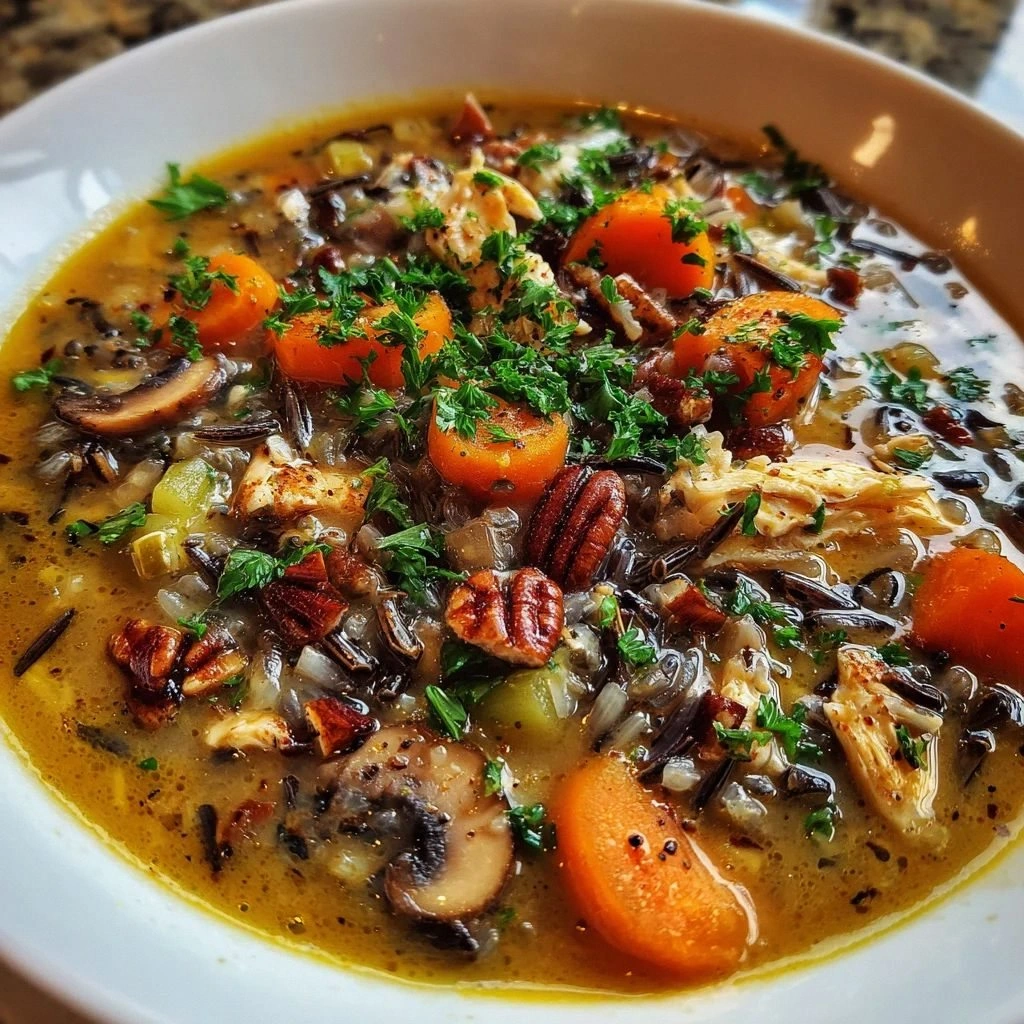
I still remember the day I almost set my kitchen ablaze trying to impress a date with a fancy fall soup. There I was, juggling three pots, a smoke alarm wailing like a banshee, and my would-be romantic evening dissolving into chaos. Fast forward through countless trials, burnt batches, and one memorable incident involving a fire extinguisher, and I've finally cracked the code to the most soul-warming autumn soup you'll ever taste. This autumn wild rice soup isn't just another recipe floating around the internet — it's the result of obsessive tweaking, flavor layering that would make a French chef weep with joy, and a technique that transforms humble ingredients into pure fall magic.
Picture this: it's Sunday afternoon, the windows are fogged with steam, and your entire house smells like someone bottled up October and is simmering it gently on the stove. The wild rice pops and crackles as it cooks, releasing that nutty aroma that screams comfort food. Meanwhile, mushrooms are sautéing until they give up their earthy secrets, and herbs are dancing together in a way that makes you wonder why you ever bothered with store-bought spice blends. This is the kind of soup that makes neighbors knock on your door with empty bowls, the kind that tastes like someone wrapped you in a warm blanket and told you everything's going to be okay.
Here's the kicker — most wild rice soup recipes are about as exciting as cardboard. They're either too thin and watery, or so thick they could patch drywall. They miss the crucial balance point where the rice maintains that perfect chew while the broth achieves this velvety richness that coats your spoon like liquid velvet. My version? It's got layers upon layers of flavor, from the deeply caramelized vegetables to the splash of sherry that makes grown adults close their eyes and sigh with contentment. The creaminess comes from a technique I discovered by accident (thanks, distracted cooking!) that prevents that dreaded separation you get with most cream soups.
Let me walk you through every single step — by the end, you'll wonder how you ever made it any other way.
What Makes This Version Stand Out
Before we dive into the nitty-gritty, let me tell you why this autumn wild rice soup will ruin all other soups for you forever. First off, we're not just throwing everything in a pot and hoping for the best. This is strategic cooking at its finest, where each ingredient gets the VIP treatment it deserves. The wild rice gets toasted before simmering, which unlocks this incredible nuttiness that most recipes completely miss. Meanwhile, we're building what chefs call a "fond" — those gorgeous brown bits on the bottom of the pan that hold enough flavor to make you question reality.
- Taste Explosion: The combination of dried herbs isn't random — thyme, sage, and rosemary create this holy trinity that tastes like autumn in liquid form. Each herb plays its part: thyme brings earthiness, sage adds that unmistakable fall essence, and rosemary provides piney notes that make you feel like you're walking through a forest.
- Texture Paradise: Most soups fail because they're one-note mushy disasters. This beauty gives you the chew of wild rice, the silkiness of cream, the tender bite of vegetables, and if you're smart enough to add those toasted nuts on top, an addictive crunch that makes each spoonful a textural adventure.
- Weeknight Warrior: Despite tasting like it simmered for hours, this whole operation takes under an hour from start to finish. The secret? Using rotisserie chicken and a few strategic shortcuts that don't compromise on flavor. Your future self will thank you when you're slurping this on a Tuesday night.
- Leftover Legend: This soup actually gets better overnight. The flavors meld and deepen, creating this symphony of autumn goodness that'll have you sneaking spoonfuls straight from the fridge at midnight. I dare you to taste this and not go back for seconds — or thirds.
- Pantry Friendly: No obscure ingredients that require a special trip to three different stores. Everything here is available at your local supermarket, and most items are probably lurking in your kitchen right now. Even the wild rice — once considered exotic — sits right there in the grain aisle.
- Crowd Conqueror: Bring this to any fall gathering and watch people lose their minds. It's vegetarian-adaptable, can be made dairy-free without tears, and serves a crowd without breaking the bank. I've had friends threaten to name their firstborn after me after tasting this soup.
Alright, let's break down exactly what goes into this masterpiece...
Inside the Ingredient List
The Flavor Foundation
The magic starts with what I call the holy trinity of aromatics — onion, carrots, and celery — but we're not just dicing and dumping. These vegetables get the slow-cook treatment, caramelizing until they reach that sweet spot where their natural sugars develop complexity. The onion should practically melt into the oil, turning translucent and sweet, while the carrots provide those gorgeous orange flecks that make the soup look like autumn in a bowl. Don't even think about skipping the celery — it adds this bright, slightly bitter note that prevents the soup from becoming a one-dimensional sweet fest.
Garlic enters the scene like a rockstar making a grand entrance. We're not talking about that sad, pre-minced stuff from a jar. Fresh garlic, minced so fine it almost becomes a paste, gets added after the vegetables have softened. This timing is crucial — add it too early and it burns, too late and you lose that pungent kick that makes the whole pot sing. When it hits the hot oil, the aroma should make you close your eyes and smile involuntarily.
The Texture Crew
Wild rice is the undisputed star here, but not all wild rice is created equal. Look for hand-harvested wild rice if you can find it — it's got these long, elegant grains that pop open like tiny flowers when cooked, revealing a cream-colored interior against the dark brown exterior. The texture should be chewy but not crunchy, tender but not mushy. This isn't instant rice territory; real wild rice takes about 45 minutes to reach perfection, but every minute is worth it for that nutty, earthy flavor that makes this soup unforgettable.
Cremini mushrooms bring the umami bomb that takes this from "nice soup" to "I need to write poetry about this soup." Don't you dare use button mushrooms — they're flavorless little sponges that add nothing but rubbery texture. Creminis, with their deeper color and more pronounced earthiness, create these meaty little pockets of flavor throughout the soup. Slice them thick enough to maintain their identity; nobody wants mushroom confetti.
The Unexpected Star
Here's where things get interesting — that splash of dry sherry isn't just for fancy factor. Alcohol acts as a flavor carrier, binding fat-soluble and water-soluble compounds together in a way that creates harmony. The sherry adds this sophisticated depth that makes people ask "what's that amazing flavor I can't identify?" It's like adding a secret ingredient that makes everyone think you're a culinary genius. If you're avoiding alcohol, a tablespoon of white wine vinegar mixed with a teaspoon of honey creates a similar complexity.
Red pepper flakes might seem out of place in a cozy autumn soup, but trust me on this one. We're talking about a pinch — just enough to wake up your taste buds without making the soup spicy. It's like adding a bass note to a song; you might not consciously notice it, but you'd miss it if it weren't there. The gentle heat blooms slowly, warming you from the inside out in the most comforting way possible.
The Final Flourish
Heavy cream versus coconut milk is where you decide if you're going traditional or dietary-inclusive. Heavy cream creates this luxurious mouthfeel that's pure indulgence, coating each grain of rice like silk. Coconut milk, on the other hand, adds this subtle sweetness and tropical note that pairs surprisingly well with the autumn herbs. Both work beautifully — it just depends whether you want classic comfort or modern inclusivity.
Fresh parsley at the end isn't just for color, though it does make the soup Instagram-worthy. Added right before serving, it provides this burst of fresh, almost grassy flavor that cuts through the richness. Dried parsley is a crime against humanity — it tastes like green dust and adds nothing. Spend the extra dollar on fresh, chop it roughly, and watch how it transforms the final dish from heavy to perfectly balanced.
Everything's prepped? Good. Let's get into the real action...
The Method — Step by Step
- Start by heating a heavy-bottomed Dutch oven over medium heat — and here's where most people mess up. They crank the heat to high, thinking faster is better, but patience is your best friend here. Add the olive oil and wait until it shimmers like a mirage on a hot road, but don't let it smoke. That shimmer tells you the pan is ready to receive the onions without them just sitting there soaking up oil like greedy little sponges. The temperature should be around 350°F if you're the type who uses thermometers, but honestly, the shimmer test never fails.
- Now watch this part closely — toss in your diced onions and immediately spread them in an even layer. Resist every urge to stir constantly like an overenthusiastic squirrel. Let them sit for a solid 2-3 minutes to develop that gorgeous fond on the bottom of the pan. When the edges start turning translucent and you can smell that sweet onion aroma wafting up, give them a stir. You should see golden-brown bits sticking to the pan — that's pure flavor gold, not something to scrape off and discard.
- After about 8 minutes, when the onions have surrendered their sharp bite and turned sweet and jammy, it's carrot time. Add them in and stir for about 2 minutes — they need less time because they're naturally sweeter and can burn if you're not careful. The carrots should start looking glossy, like they've been polished from the inside out. This is the foundation of your soup's flavor, so don't rush it. Good things come to those who wait, and these vegetables are about to become flavor superstars.
- Celery joins the party next, along with a generous pinch of salt. The salt isn't just for seasoning — it helps draw moisture out of the vegetables, creating steam that lifts all those beautiful brown bits off the pan. Stir everything together and watch as the colors harmonize into this gorgeous mélange of autumn colors. After about 5 minutes, the celery should have softened but still maintain a bit of crunch — we're not making baby food here.
- This next part? Pure magic. Push the vegetables to the sides of the pan, creating a little well in the center. Add the mushrooms in a single layer and don't touch them for a full 3 minutes. I know it's tempting, but trust the process. When you finally stir, you'll see they've released their liquid and are starting to caramelize around the edges. That liquid is mushroom essence — let it cook off completely before proceeding. Your kitchen should smell like an enchanted forest at this point.
- Clear a space in the center again and add the minced garlic, thyme, sage, and rosemary. Let the garlic sizzle for just 30 seconds — any longer and it turns bitter faster than your ex's personality. Stir everything together and watch as the herbs release their essential oils, creating this incredible aroma that makes you understand why humans started cooking in the first place. The garlic should be fragrant but not browned.
- Now for the game-changer — add the wild rice directly to the pot and stir for about 2 minutes, letting it toast slightly. This step is what separates good soup from life-changing soup. The rice will start to smell nutty and look slightly shiny. Pour in about half the chicken broth and scrape the bottom of the pan with a wooden spoon, releasing all those gorgeous brown bits. This process, called deglazing, lifts every bit of flavor into the liquid.
- Bring everything to a boil, then reduce to a gentle simmer. Cover the pot but leave a small gap for steam to escape — this prevents the dreaded boil-over that has claimed many a stovetop. Let it bubble away for about 35-40 minutes, stirring occasionally to prevent the rice from sticking. You'll know it's ready when the rice grains have burst open like tiny flowers, revealing their cream-colored centers. The soup should have thickened but still be brothy enough to call it soup rather than risotto.
That's it — you did it. But hold on, I've got a few more tricks that'll take this to another level...
Insider Tricks for Flawless Results
The Temperature Rule Nobody Follows
Here's something that'll blow your mind — the temperature of your cream matters more than you'd think. Pull it out of the fridge 15 minutes before adding it to the soup. Cold cream hitting hot soup can cause curdling faster than you can say "dinner disaster." Room temperature cream blends seamlessly, creating that velvety texture we're after. I've seen too many beautiful soups ruined by this simple oversight, and once you know better, you'll never make this mistake again.
But here's the real secret — don't just dump and stir. Ladle a small amount of hot soup into the cream first, whisking constantly. This tempers the cream, bringing it up to temperature gradually. Then pour the warmed cream mixture back into the pot. It's like diplomatic relations between dairy and heat — everyone stays happy, and your soup stays smooth as silk.
Why Your Nose Knows Best
I'll be honest — I ate half the batch before anyone else got to try it because I couldn't stop "tasting for seasoning." But here's what years of obsessive soup-making has taught me: your nose is your best seasoning guide. When the herbs hit their stride, you'll smell it before you taste it. The moment your kitchen fills with that unmistakable autumn aroma — earthy, slightly sweet, with hints of pine from the rosemary — that's when you know everything's harmonizing perfectly.
Most recipes get this completely wrong. They tell you to season at the end, but building flavor happens throughout the cooking process. Add salt in layers: a pinch when sautéing vegetables, another when the broth goes in, and a final adjustment at the end. Each layer draws out different flavors, creating complexity that single-seasoning can't achieve. Your taste buds will thank you, and so will anyone lucky enough to share your table.
The 5-Minute Rest That Changes Everything
Picture yourself pulling this out of the oven, the whole kitchen smelling incredible, and you're tempted to ladle it up immediately. Stop right there. This soup needs — no, deserves — a 5-minute rest off the heat before serving. During this brief pause, the rice absorbs just enough liquid to plump up perfectly, the flavors marry and deepen, and the temperature drops to that magical "I can taste this without burning my tongue" zone.
A friend tried skipping this step once — let's just say it didn't end well. The soup was too hot to appreciate the subtle flavors, the rice hadn't reached its full potential, and everyone burned their mouths in their eagerness to dig in. Good things come to those who wait, and these five minutes transform good soup into legendary soup. Set the table, pour some wine, chop that fresh parsley garnish — just give it a moment to become its best self.
Creative Twists and Variations
This recipe is a playground. Here are some of my favorite ways to switch things up:
The Harvest Moon Version
Add a cup of roasted butternut squash cubes during the last 10 minutes of cooking. The squash adds natural sweetness and creates these gorgeous orange pockets that make the soup look like autumn foliage. Toss in some fresh sage leaves fried in brown butter for the ultimate fall experience. This version is so beautiful, it could be the centerpiece of your Thanksgiving table.
The Forest Forager's Dream
Swap the creminis for a mix of wild mushrooms — shiitake, oyster, and chanterelle if you're feeling fancy. Each variety brings its own personality: shiitakes add meaty richness, oysters contribute subtle sweetness, and chanterelles bring a peppery note that plays beautifully with the herbs. Add a tablespoon of white miso paste with the broth for an umami explosion that'll have vegetarians asking if you're sure there's no meat in this.
The Fireside Smoky Twist
Add a teaspoon of smoked paprika and swap the regular olive oil for smoked olive oil if you can find it. The smokiness transforms the entire character of the soup, making it taste like it was cooked over a campfire. This version pairs beautifully with cornbread and is guaranteed to warm you up on the coldest winter nights. If you've ever struggled with soup that tastes flat, this variation is your new best friend.
The Coastal Comfort Edition
Replace the chicken with smoked trout or salmon, added during the last 5 minutes just to warm through. The smoky fish pairs incredibly with the earthy mushrooms and herbs, creating this surf-and-turf situation that shouldn't work but absolutely does. Add a handful of fresh dill along with the parsley for a bright, Scandinavian-inspired twist that'll transport you to a cozy cabin in Norway.
The Vegan Victory
Use coconut milk instead of cream, vegetable broth instead of chicken, and add a can of drained chickpeas for protein. The chickpeas absorb all the flavors and provide that satisfying heft that keeps this from feeling like a side dish. Add a tablespoon of nutritional yeast for cheesy, nutty notes that make you forget all about parmesan. Even devoted carnivores devour this version and ask for seconds.
The Luxe Factor
For special occasions, add a splash of white truffle oil right before serving — just a few drops transform this humble soup into restaurant-worthy elegance. Top with crispy shallots instead of toasted nuts, and finish with a dollop of crème fraîche instead of regular cream. This version has seduced more dinner guests than I can count, and the best part? It still takes under an hour to make.
Storing and Bringing It Back to Life
Fridge Storage
This soup stores like a dream in the refrigerator for up to 4 days, but here's the key — let it cool completely before transferring to airtight containers. Hot soup in sealed containers creates condensation that waters down the flavors and can make the rice gummy. I like to portion it into individual serving containers for grab-and-go lunches that make coworkers jealous. The soup will thicken considerably as it sits, so keep some broth on hand for thinning when reheating.
Pro tip: Store the toasted nuts separately in a small zip-top bag. Adding them fresh keeps their crunch intact, transforming leftovers from "good" to "I can't believe this is day-old soup." The parsley garnish also stays fresher when added just before serving, so keep that separate too if you're feeling fancy.
Freezer Friendly
Here's where things get interesting — this soup freezes beautifully, but with one crucial modification. Hold back the cream if you're planning to freeze, adding it fresh when you reheat. Dairy can get grainy and separate when frozen and thawed, turning your silky soup into a curdled mess. Freeze the base soup (everything except cream and fresh herbs) in freezer-safe containers for up to 3 months. When ready to eat, thaw overnight in the fridge, then reheat gently and stir in the cream at the end.
Portion control is your friend here — freeze in individual servings so you can pull out exactly what you need. Nothing beats coming home exhausted to find a single-serve portion of autumn comfort waiting in your freezer. Add a splash of fresh broth when reheating frozen soup — it helps restore the original consistency and brightens the flavors that dull slightly in the freezer.
Best Reheating Method
The microwave works in a pinch, but for best results, reheat gently on the stovetop over medium-low heat. Add a tiny splash of water before reheating — it steams back to perfection, restoring the soup to its original glory without becoming too thick or gloppy. Stir frequently and don't let it boil, which can break the cream and turn the rice mushy. If you've frozen the soup base, add the cream during the last 2-3 minutes of reheating, just until warmed through.
For an extra touch of luxury, refresh the soup with a pat of butter stirred in at the end. This restaurant trick adds shine and richness that makes leftovers taste like you just made a fresh batch. Garnish with fresh herbs and maybe some extra toasted nuts, and nobody will guess this soup has been anywhere but your stovetop.