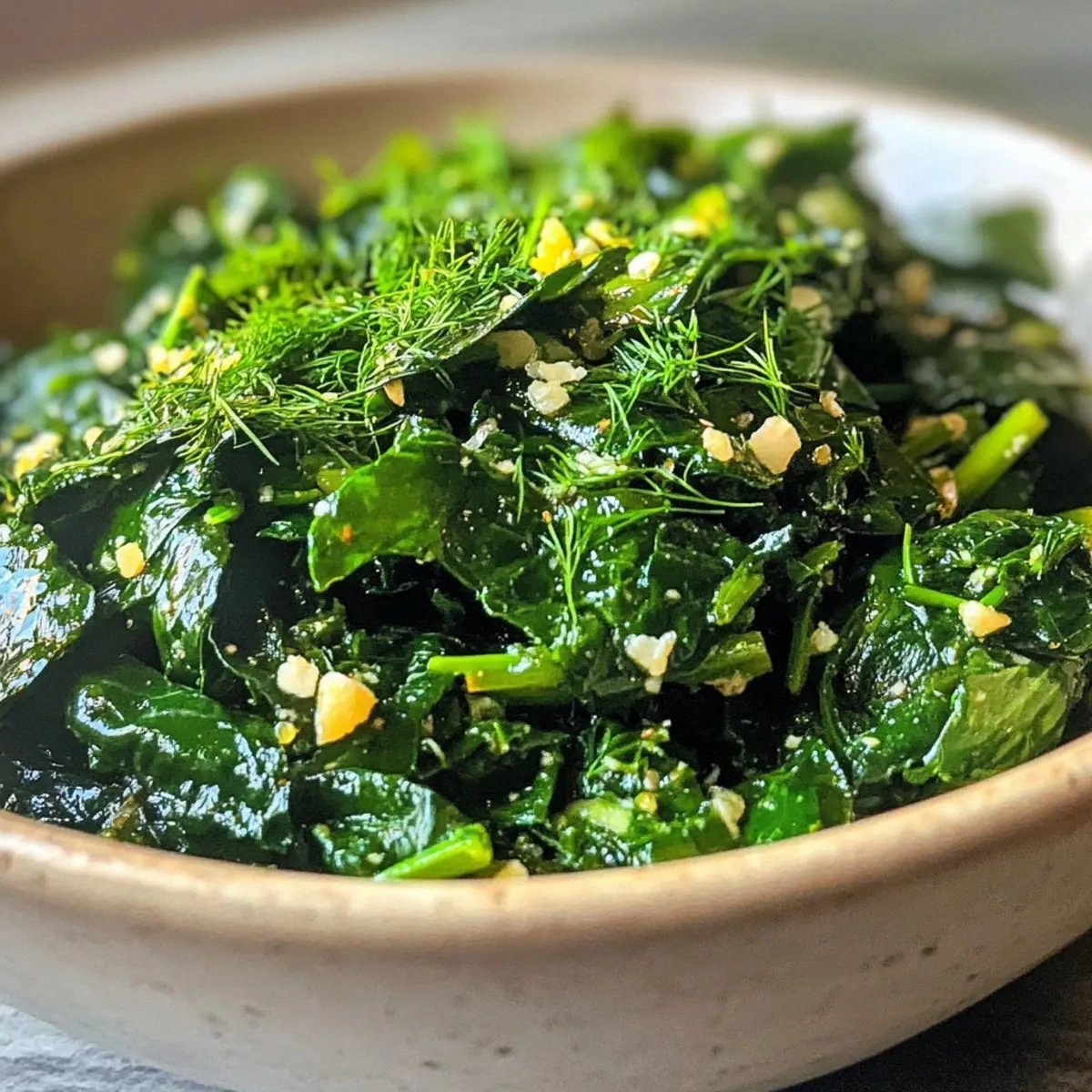
I was standing in my kitchen, the kind of kitchen where the only thing louder than the hum of the fridge is the frantic clatter of a pan that just refused to cooperate. I had attempted a classic Greek horta for the umpteenth time, only to end up with wilted leaves that tasted like soggy paper and a lemon drizzle that was more sour punch than subtle brightness. Then, out of sheer desperation (and a dare from my roommate who claimed “you’ll never get it right”), I grabbed a bunch of fresh mixed greens, a bottle of the best extra‑virgin olive oil I could find, and a handful of bold ideas that I’d been saving for a rainy day. The result? A dish that made my taste buds do a little Greek dance and left me daring anyone to say they didn’t want seconds.
Picture this: a pan sizzling with olive oil, the aroma of garlic and onions rising like an invitation from a seaside taverna. The greens hit the heat and instantly start to wilt, their bright emerald color deepening to a glossy, almost lacquered sheen. A splash of lemon juice and a sprinkle of fresh dill join the party, creating a perfume that’s at once sharp, herbaceous, and comforting, like a breezy afternoon on a sun‑kissed Aegean island. The final flourish—crumbles of feta that melt just enough to coat each leaf with a salty, creamy veil—turns a humble side into a star‑studded performance.
What makes this version truly stand out is the marriage of technique and simplicity. I’m not talking about a recipe that needs a sous‑vide or a secret spice blend you have to hunt down in a distant market. No, this is a straightforward, no‑fuss approach that lets the ingredients shine while still delivering that “wow” factor that makes you feel like a culinary wizard. The secret? A few unconventional moves—like letting the onions caramelize just a touch longer than you think and using lemon zest at the very end to lock in that citrus zing.
I dare you to taste this and not go back for seconds. If you’ve ever struggled with soggy, over‑cooked greens, you’re not alone, and I’ve got the fix. This is hands down the best version you’ll ever make at home, and I’m about to walk you through every single step—by the end, you’ll wonder how you ever made it any other way. Okay, ready for the game‑changer?
What Makes This Version Stand Out
- Flavor Explosion: The combination of sharp red onion, sweet green onion, and bright lemon creates layers that build with every bite, making each mouthful a mini adventure.
- Texture Harmony: Crisp edges from the lightly caramelized onions contrast with the tender, glossy greens, while feta adds a creamy crunch that’s downright addictive.
- Simplicity Meets Sophistication: Only ten ingredients, all pantry‑friendly, yet the technique elevates the dish to restaurant quality.
- Ingredient Quality: Using a robust extra virgin olive oil and fresh, high‑quality feta makes the difference between “good” and “legendary.”
- Crowd Reaction: I’ve served this at dinner parties and watched guests hover, whisper “what’s this?” and then dive in—instant applause.
- Make‑Ahead Potential: The greens hold up beautifully for up to 24 hours when stored properly, meaning you can prep ahead and still serve a fresh‑tasting dish.
- Cooking Method Magic: A quick sauté in a hot pan locks in flavor without boiling away the nutrients, preserving that vibrant green color.
- Health Benefits: Packed with antioxidants from the greens and heart‑healthy fats from olive oil, this dish is as good for your body as it is for your palate.
Inside the Ingredient List
The Flavor Base
Red onion, sliced thin, brings a subtle sweetness that mellows out as it cooks, creating a caramelized backdrop that’s essential for depth. If you skip it, you’ll lose that underlying sweetness and the dish can taste flat. Green onion, on the other hand, adds a fresh, sharp bite that cuts through the richness of the olive oil, keeping the palate lively. A good swap for the red onion is a shallot, which offers a milder, more delicate flavor while still delivering that caramelized edge.
The Texture Crew
Mixed greens are the star here, and the variety matters. I love a blend of spinach, arugula, and a handful of baby kale for a mix of peppery and mild flavors. If you use only one type, you risk a one‑note experience. When selecting greens, look for deep, vibrant leaves without brown edges; they’ll hold up better in the pan. A handy tip: give the greens a quick massage with a drizzle of olive oil before cooking to enhance their natural gloss.
The Unexpected Star
Lemon zest is the surprise hero that locks in citrus aroma right at the end, preventing the bright notes from evaporating during cooking. Skipping it means you’ll miss that zingy finish that makes the dish sing. If lemons are out of season, a splash of orange zest can add a subtle, sweet citrus twist without overpowering the other flavors.
The Final Flourish
Feta cheese, crumbled over the top, adds a salty creaminess that binds the flavors together. If you omit feta, the dish loses its signature Mediterranean tang and can feel a bit too oily. For a dairy‑free alternative, try a generous sprinkle of toasted pine nuts and a drizzle of miso‑based “cheese” sauce for umami richness. When buying feta, opt for a block rather than pre‑crumbled; you’ll get a fresher flavor and a better texture.
Everything's prepped? Good. Let's get into the real action...
The Method — Step by Step
Heat a large sauté pan over medium‑high heat and add 6 tablespoons of the extra virgin olive oil. Let the oil shimmer—this is the moment where the pan tells you it’s ready. Add the sliced red onion and a pinch of sea salt, then let it cook, stirring occasionally, until the edges turn a deep amber and you hear a gentle caramelizing sizzle. This should take about 4‑5 minutes; the aroma will be sweet, nutty, and utterly irresistible.
Watch Out: If the heat is too high, the onions will burn and turn bitter—lower the flame if you see dark specks forming.Once the onions are caramelized, toss in the thinly sliced green onion and the minced garlic clove. The garlic should sizzle for only about 30 seconds—longer and it’ll turn acrid. Stir quickly, letting the garlic release its perfume while the green onion stays bright and crunchy. This step adds a fresh, sharp layer that balances the sweet onions.
Now, add the remaining 6 tablespoons of olive oil and immediately drop in the mixed greens. You’ll hear a satisfying “sizzle” as the leaves hit the hot oil—That sizzle when it hits the pan? Absolute perfection. Toss the greens gently, allowing each leaf to coat in oil without becoming limp. Cook for 2‑3 minutes, just until the greens wilt but retain a vivid green hue.
Kitchen Hack: Finish the greens with a splash of cold water before removing from heat; it stops the cooking process instantly, preserving that bright color.While the greens are still in the pan, stir in the diced ripe tomato. The tomato should soften just enough to release its juices without turning into a sauce—think of it as a juicy pocket of sunshine nestled among the greens. Cook for another minute, allowing the tomato’s acidity to mingle with the olive oil, creating a light, glossy coating.
Season the mixture with the fresh lemon juice and the lemon zest. The zest should be added at the very end; it bursts with citrus oils that would otherwise evaporate. Sprinkle the dill, giving the dish a herbaceous lift that feels like a Mediterranean breeze. Taste at this point and adjust salt if needed—remember, feta will add its own salty punch later.
Remove the pan from heat and gently fold in the crumbled feta cheese. The feta should stay slightly chunky, offering pockets of briny creaminess that melt just enough to coat each leaf. Let the dish sit for a minute; the residual heat will soften the feta without breaking it down completely.
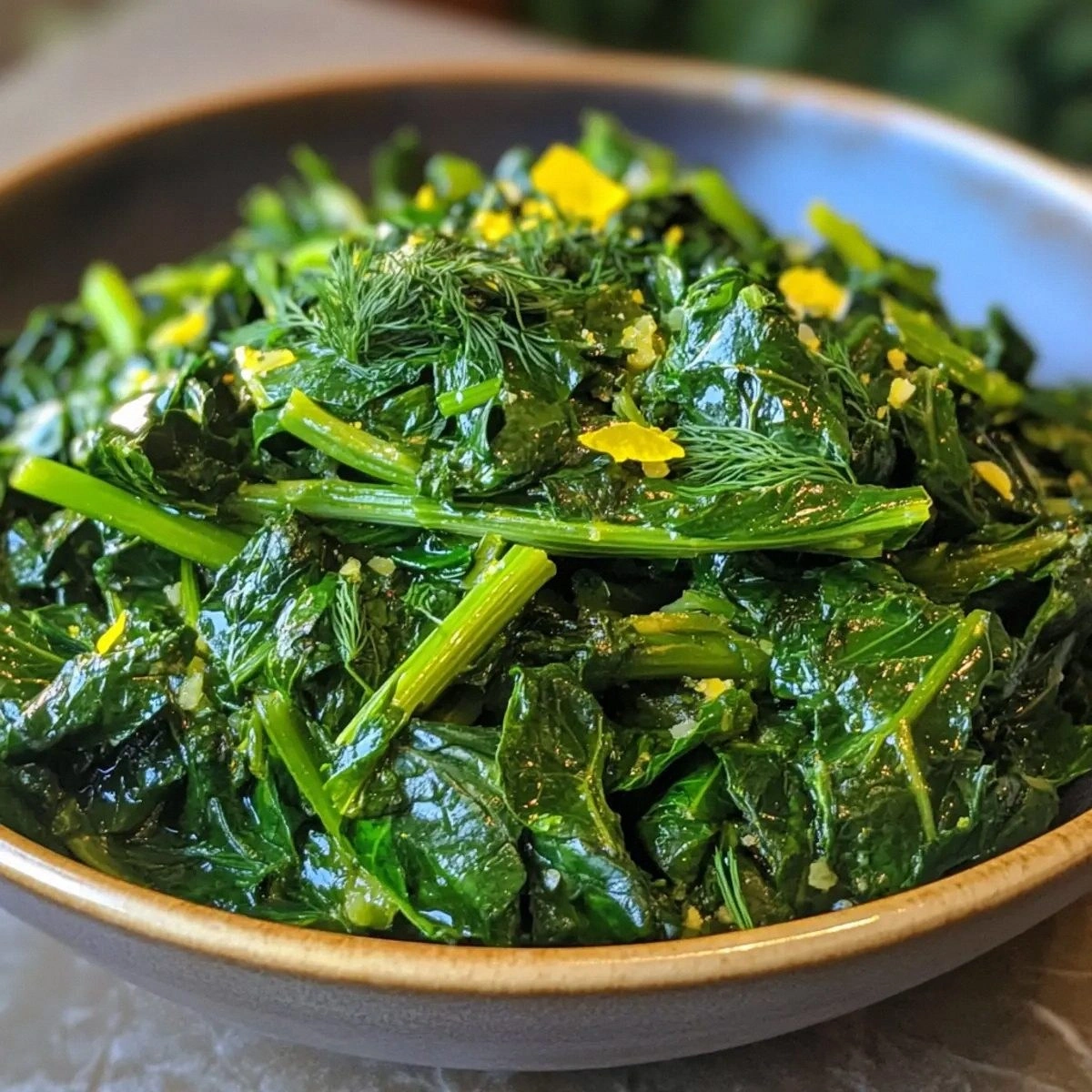
Transfer the horta to a serving platter, drizzle any remaining oil from the pan over the top, and give it a final sprinkle of dill and a few extra lemon zest curls for visual flair. This is the moment of truth—step back, admire the glossy greens, the flecks of red onion, and the specks of feta. Picture yourself pulling this out of the pan, the whole kitchen smelling incredible, and your guests already reaching for a fork.
Serve warm or at room temperature, alongside crusty bread or as a vibrant side to grilled fish or lamb. I dare you to taste this and not feel a surge of pride—this is the kind of dish that makes you want to brag to anyone who’ll listen. And now the fun part: garnish with a drizzle of extra olive oil if you love richness, or a pinch of crushed red pepper for a subtle heat.
That's it — you did it. But hold on, I've got a few more tricks that'll take this to another level...
Insider Tricks for Flawless Results
The Temperature Rule Nobody Follows
Keep the pan hot enough to sizzle but not smoking. If the oil starts to smoke, the greens will absorb a bitter flavor. I once turned the heat up to “max” hoping for a faster cook and ended up with a greasy, burnt mess—lesson learned. The sweet spot is a steady medium‑high that lets the onions caramelize without scorching.
Why Your Nose Knows Best
Trust the aroma cues. When the onions turn golden and emit a sweet, nutty scent, you’re at the perfect caramelization point. When the garlic releases its buttery perfume after 30 seconds, it’s time to add the greens. If you ever doubt, pause, inhale deeply, and let your nose be the guide.
The 5‑Minute Rest That Changes Everything
After you finish cooking, let the horta rest for five minutes off the heat. This short rest allows the flavors to meld, the lemon zest to settle, and the feta to soften just right. Skipping this step can leave the dish tasting disjointed, as the acidity and oil haven’t fully integrated.
Olive Oil Quality is Non‑Negotiable
A robust, peppery extra virgin olive oil will elevate the dish; a bland, cheap oil leaves it flat. I once tried a generic store brand and the whole thing tasted like “oil‑water”—the difference is night and day. Invest in a good bottle; you’ll taste the love in every bite.
Seasonal Green Swap
If you can’t find fresh mixed greens, use frozen spinach—thawed, squeezed dry, and quickly sautéed. The texture changes slightly, but the flavor remains bright. A friend tried this once and swore it was the best “quick” version she’d ever made.
Feta Placement Matters
Add feta at the very end, off the heat, to preserve its crumbly texture. If you melt it too early, it turns into a salty paste that overwhelms the delicate greens. Keep it as a finishing garnish for that perfect bite‑by‑bite contrast.
Creative Twists and Variations
This recipe is a playground. Here are some of my favorite ways to switch things up:
Mediterranean Sunshine
Swap the dill for fresh oregano and add a handful of Kalamata olives. The olives bring a briny depth, while oregano adds an earthy, piney note that feels like a sun‑soaked terrace.
Spicy Sirocco
Add a pinch of crushed red pepper flakes with the garlic and finish with a drizzle of chili‑infused olive oil. The heat lifts the dish, making it perfect for cooler evenings when you need a little warmth.
Nutty Delight
Toast pine nuts or slivered almonds and sprinkle them over the finished plate. The nuts add a crunchy contrast and a buttery flavor that pairs beautifully with the feta.
Vegan Vibes
Replace feta with crumbled tofu marinated in lemon juice, nutritional yeast, and a dash of sea salt. The tofu mimics the salty creaminess, keeping the dish fully plant‑based without sacrificing texture.
Herb Garden Mix
Introduce fresh mint and parsley alongside dill for a brighter, garden‑fresh profile. The mint adds a cooling after‑taste that balances the lemon’s acidity.
Cheesy Fusion
Mix in a tablespoon of grated Pecorino Romano for an extra umami punch. The sharp cheese works hand‑in‑hand with the feta, creating a layered cheese experience.
Storing and Bringing It Back to Life
Fridge Storage
Transfer the cooled horta to an airtight container and store in the refrigerator for up to 3 days. The flavors actually deepen as the lemon and olive oil continue to meld. When ready to serve, let it come to room temperature for 20 minutes to revive the texture.
Freezer Friendly
Portion the cooked horta into freezer‑safe bags, removing as much air as possible. It will keep for up to 2 months. Thaw overnight in the fridge, then reheat gently in a skillet with a splash of olive oil—add a tiny splash of water before reheating; it steams back to perfection.
Best Reheating Method
Reheat on the stovetop over low heat, stirring occasionally, until just warmed through. Avoid microwaving, as it can make the greens soggy and the feta rubbery. Finish with a fresh squeeze of lemon to brighten the revived dish.