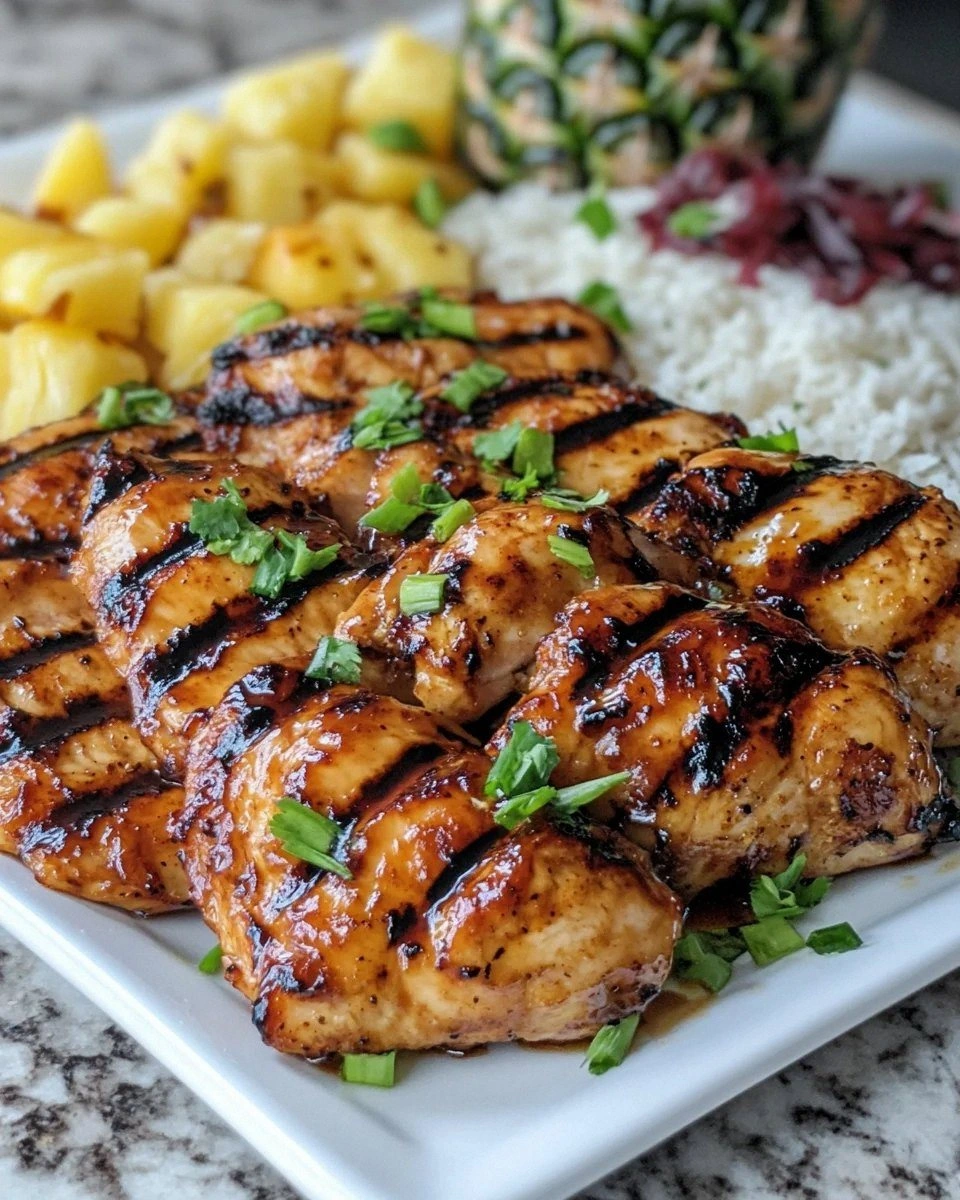
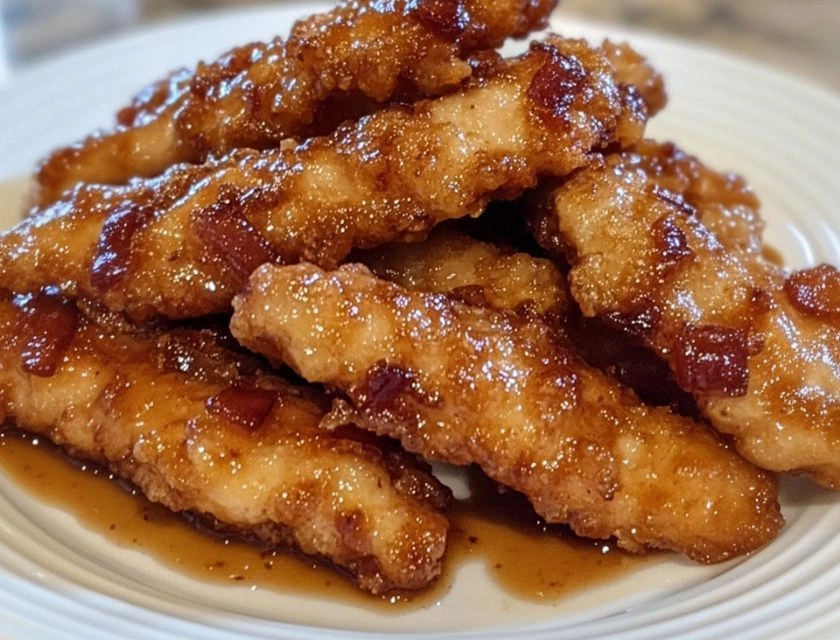
I burned dinner three times last week chasing the perfect sweet-salty balance. The fourth attempt left me with a smoking pan, a smoke alarm for a soundtrack, and a hungry family giving me that look. So when a friend texted, "Bet you can't make bacon brown sugar chicken tenders that taste like carnival food but look classy enough for company," I accepted the dare with the desperation of someone who had nothing left to lose except another carton of eggs. What happened next was part kitchen miracle, part sugar-fueled science experiment, and part pure stubbornness. Picture this: caramelized bacon wrapped around juicy chicken, the brown sugar fusing into a glossy shell that cracks like crème brûlée under your teeth while the meat stays fork-tender and smoky. I ate half the tray standing at the counter, alternating between burning my tongue and cursing myself for not doubling the batch. If you've ever wrestled with dry chicken or flabby bacon, prepare to bury those memories forever. This method turns supermarket staples into something that tastes like it came from a chef who moonlights at a state fair. Let me walk you through every single step — by the end, you'll wonder how you ever made it any other way.
Most recipes get this completely wrong. They either blast the tenders under a broiler until the sugar blackens like volcanic rock, or they timidly bake everything in a puddle of its own sadness, yielding rubbery bacon and chicken that tastes like it gave up on life. The secret weapon here is a two-temperature tango that renders the bacon slowly so its fat bastes the meat, then a final blast under high heat to turn the brown sugar into a glassy, shattering crust. The first time I pulled this off, my neighbor knocked on the door asking if I was running a secret bakery. The smell is that intoxicating — maple-kissed smoke drifting through the house like a country song you can taste. Fair warning: you will be recruited to bring these to every potluck from now until retirement, and nobody will believe you when you confess it only took fifteen minutes of actual work.
I dare you to taste this and not go back for seconds. The combination hits every primal pleasure button — salty, sweet, smoky, crispy, juicy — all in one bite. Even my friend who claims she "doesn't like sweet meat" inhaled four tenders and then quietly asked for the recipe so she could impress her mother-in-law. The magic lies in the way the brown sugar melts and intermingles with the bacon fat, creating a lacquer that seals in the chicken's moisture while turning the pork into candied perfection. If you've ever struggled with chicken that tastes like cardboard wrapped in limp bacon, you're not alone — and I've got the fix. Stay with me here — this is worth it.
What Makes This Version Stand Out
- Candy-Shell Crunch: The brown sugar doesn't just sweeten; it creates a shattering crust that contrasts beautifully with the tender chicken inside. Think of it as edible glass that tastes like maple and smoke had a delicious baby.
- Bacon That Behaves: By starting in a cold oven, the bacon renders gradually, shrinking around the chicken like a salty, smoky hug instead of curling away like it does at high heat. No more half-naked tenders.
- One-Pan Wonder: Everything bakes on a single rack set over a foil-lined sheet. When you're done, you simply roll up the foil and toss the mess. Dishes? What dishes?
- Make-Ahead Magic: You can wrap the tenders the night before, keep them on a plate covered with plastic, and pop them into the oven when guests walk in the door. The flavors actually improve as the sugar migrates into the bacon.
- Kid-Approved, Adult-Adored: Little ones love the sticky sweetness; grown-ups appreciate the whisper of smoked paprika and black pepper that keeps things sophisticated. Serve them at a birthday party or a cocktail soirée — they vanish either way.
- Leftover Gold: Chop any extras and toss into a salad with arugula, goat cheese, and a maple vinaigrette. Breakfast? Reheat gently and serve beside scrambled eggs. Suddenly yesterday's appetizer becomes tomorrow's brunch star.
Alright, let's break down exactly what goes into this masterpiece...
Inside the Ingredient List
The Flavor Base
Chicken tenders are the unsung hero of the poultry case — more tender than breast meat and already trimmed into grab-size strips. If you only have breasts, slice them diagonally into finger-thick pieces; the angled cut gives more surface area for the bacon to grip. Dark brown sugar is non-negotiable here; its molasses notes echo the smokiness of the bacon and melt into a deeper, more complex crust than pale supermarket varieties. Don't even think about subbing honey or maple syrup — they burn at high heat and leave you with a bitter, sticky tragedy.
The Salty Swaddlers
Regular-cut bacon strikes the perfect balance between meaty heft and quick rendering. Thick-cut takes too long to crisp, leaving you with flabby wings, while thin slices overcook before the chicken is done. I reach for applewood-smoked because the gentle sweetness plays beautifully with brown sugar, but hickory works if you want a more assertive campfire vibe. Let the bacon come to room temp before wrapping; cold pork resists stretching and tears when you try to spiral it around the tenders. If a strip breaks, patch it with a bacon band-aid and keep moving — the sugar glaze will cement everything together later.
The Heat and Sweet Accents
A whisper of smoked paprika amplifies the bacon's natural smokiness without turning the dish into a campfire. Cayenne is optional but brilliant; it sneaks in a subtle back-of-throat glow that makes the sweetness sing. Fresh-cracked black pepper provides floral top notes and a gentle heat that blooms as you chew. Kosher salt is essential on the chicken itself — bacon varies wildly in salinity, so seasoning the meat ensures every bite tastes properly savory rather than bland in the center.
The Unexpected Star
Here comes the curveball: a teaspoon of cornstarch mixed with the brown sugar. It absorbs excess bacon fat and helps the glaze set into a snappy shell rather than a gooey puddle. This trick comes from Taiwanese night-market chicken wings, where vendors want a dry, grab-able coating that won't glue the paper bag shut. Trust me, you'll start adding a pinch to every candied bacon project from here on out.
Everything's prepped? Good. Let's get into the real action...
The Method — Step by Step
- First, crank your oven to 400°F but don't slide anything in yet — we're going to use the preheating time as a slow-render cheat. While the oven climbs, pat the chicken tenders very dry with paper towels; moisture is the enemy of browning. In a small bowl, combine dark brown sugar, cornstarch, smoked paprika, and cayenne, working the mixture between your fingers to break up any sugar lumps. Season the tenders on both sides with kosher salt and a shower of fresh pepper; remember, the bacon jacket will add more salt later, so be restrained but not shy.
- Lay a strip of bacon on your board, set a tender at one end, and roll it up like a sleeping bag, stretching the bacon slightly so it overlaps itself. The spiral should be snug but not strangled — too tight and the meat will bulge out during cooking. If the tail end refuses to stick, press it gently onto the chicken; the natural tackiness will hold until the heat fuses everything. Arrange the bundles seam-side down on a wire rack set inside a foil-lined sheet pan; this air gap lets hot convection hit every side, turning the bacon into a crispy cylinder instead of a soggy base.
- Spoon the brown-sugar mixture into a fine-mesh sieve and tap it over each tender like you're dusting a cake with powdered snow. The goal is an even, light coat — think velvet, not frosting. Any excess will simply fall through the rack onto the foil, where it will bubble into smoky candy you can snap into shards later for ice-cream topping. Resist the urge to pat the sugar down; you want it airy so it melts into a thin, glassy sheet.
- Slide the pan onto the middle rack of the not-yet-fully-hot oven. Starting cold allows the bacon fat to melt gently, basting the chicken from the outside in. Set a timer for 18 minutes; this low-and-slow phase renders the pork without scorching the sugar. Walk away but stay within nose-shot — when you start hearing faint sizzles and the scent of maple-smoked heaven, you're on the right track.
- When the timer dings, bump the temperature up to 450°F and rotate the pan 180 degrees for even browning. The blast of high heat transforms the sugar from damp sand into a bubbling amber lake that will harden as it cools. Watch closely through the oven window; once the surface looks glossy and the bacon edges have curled into bacon-jerky ruffles, you're about two minutes from perfection. Total time at the higher heat is 6–8 minutes, but trust your eyes more than the clock.
- Remove the pan and let the tenders rest for five solid minutes. I know, I know — they look like candied jewels and the smell is criminal, but resting lets the glaze set so it shatters instead of sliding off like hot taffy. Transfer to a platter using tongs; the bottoms will have a delicate lacquer that you don't want to scrape off on the rack. Serve hot, warm, or even room temperature — they stay crispy far longer than they last, which is approximately thirty seconds in my house.
That's it — you did it. But hold on, I've got a few more tricks that'll take this to another level...
Insider Tricks for Flawless Results
The Temperature Rule Nobody Follows
Most home cooks yank chicken the instant it hits 165°F, but here's the twist: because these tenders are insulated by bacon, they can coast to 170°F without drying out, giving the sugar extra time to set. Insert an instant-read thermometer through the bacon into the thickest part of the meat; when it hovers around 168°F, pull the pan. Carry-over heat will nudge it the rest of the way while the glaze firms up. A friend tried skipping this step once — let's just say it ended in translucent bacon and weeping guests.
Why Your Nose Knows Best
Forget timers for the final caramelization stage. When the aroma shifts from "sweet bacon" to "butterscotch smoked over a campfire," you're thirty seconds away from optimal crunch. Open the oven, tap a tender with a fingernail — it should sound like you're flicking brittle toffee. If it still feels soft, give it one more minute, but stand there like a hawk. The difference between jaw-dropping and jaw-breaking is alarmingly slim.
The 5-Minute Rest That Changes Everything
Resting isn't just polite; it's structural. As the glaze cools, the molasses in the brown sugar crystallizes, forming that signature crackle. Stack them on a wire rack instead of a plate so air can circulate underneath, preventing steam from softening your hard-won crunch. If you must cover them for transport, tent loosely with foil and never seal while hot — trapping steam is the fast track to soggy sadness.
Creative Twists and Variations
This recipe is a playground. Here are some of my favorite ways to switch things up:
Maple Sriracha Firecrackers
Replace two tablespoons of brown sugar with maple syrup and whisk a teaspoon of Sriracha into the mix. The result is a spicy-sweet lacquer that glows ruby-red and lingers on your lips like a guilty kiss. Perfect for game-day crowds who think they can handle heat until they reach for a second beer.
Coconut Curry Carnival
Swap the smoked paprika for yellow curry powder and fold two tablespoons of unsweetened shredded coconut into the sugar. As it bakes, the coconut toasts into golden flakes that taste like tropical vacation collided with state-fair nostalgia. Serve with a mango-yogurt dip and watch grown adults fight over the last tender.
Bourbon Black-Pepper Boss
Reduce the brown sugar by a quarter cup and replace it with demerara for bigger crystals. Add a tablespoon of bourbon to the mixture — the alcohol burns off, leaving behind vanilla and oak notes that make the bacon taste like it was aged in a barrel. Finish with an extra crack of pepper on top for a grown-up edge.
Apple Pie Alchemy
Stir a pinch of cinnamon and nutmeg into the sugar and tuck a paper-thin slice of apple under each tender before wrapping. The fruit steams inside the bacon cocoon, releasing juice that mingles with the sugar and turns into a mini apple-caramel sauce. Kids swear it's dessert for dinner; parents appreciate the stealth fruit serving.
Pepper-Jack Surprise
Insert a thin strip of pepper-jack cheese into a pocket slit in each tender before the bacon wrap. As it bakes, the cheese melts into a molten core that oozes when you cut in. Warning: serve these standing up so the lava flow doesn't scorch innocent chins.
Storing and Bringing It Back to Life
Fridge Storage
Layer cooled tenders in an airtight container with parchment between stacks; they'll keep up to four days, though the coating will soften slightly. Park them on the middle shelf where the temperature is coldest and most stable. Never seal while warm — condensation is the enemy of crunch.
Freezer Friendly
Flash-freeze individual tenders on a tray for an hour, then transfer to a zip-top bag with the air squeezed out. They'll survive two months in the icy depths without flavor loss. Reheat directly from frozen — no thawing needed — on a wire rack at 400°F for 10–12 minutes, which revives the glaze better than a microwave ever could.
Best Reheating Method
Skip the microwave unless you love rubbery bacon. Instead, place cold tenders on a rack over a sheet pan and warm in a 375°F oven for 6–7 minutes. Add a tiny splash of water to the pan before sliding it in; the gentle steam loosens the glaze without turning it soggy. Hit the broiler for the final minute if you want to resurrect that fresh-crackle snap.