Picture this: it's 11:47 p.m., you're in Rome for the first time, and the only thing open is a tiny trattoria with three tables and a nonna who doesn't speak a lick of English. You point to the menu, she nods approvingly, and ten minutes later you're staring at a plate of pasta so transcendent that you cancel your flight home. That was me six years ago, and I've been chasing that exact forkful of Pasta alla Gricia ever since. Not carbonara, not amatriciana—just the pure, unfiltered magic of pecorino, guanciale, and black pepper clinging to perfectly al dente noodles like they've been dating for years.
Fast-forward through roughly forty-seven failed attempts, a suitcase full of contraband guanciale, and one very confused TSA agent who thought I was smuggling "weird bacon," and here we are. I've cracked the code, friends. This isn't just another Roman pasta; this is the Roman pasta that taught me humility. It's the dish that made me realize most online recipes are lying to you about timing, temperatures, and the sacred ratio of cheese to pasta water. They're skipping steps, rushing the process, and basically committing culinary sacrilege against the Roman gods of deliciousness.
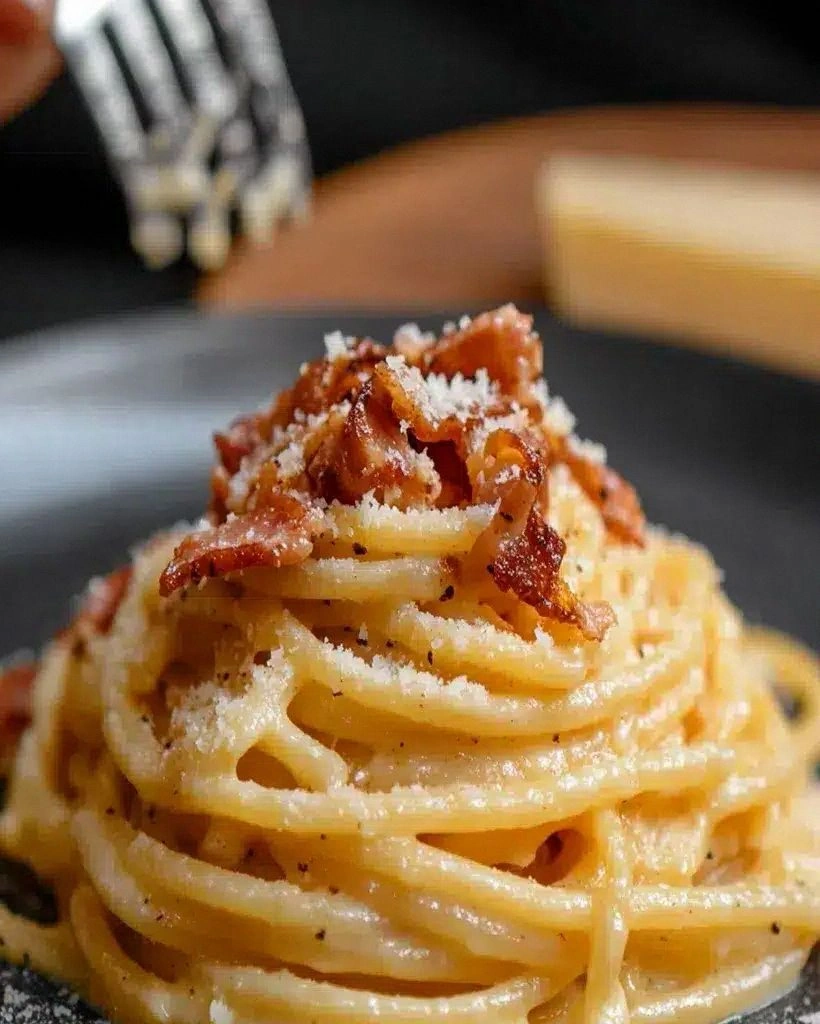
Here's the thing about Pasta alla Gricia: it's devastatingly simple on paper and maddeningly tricky in practice. Four ingredients—count 'em, four—yet one wrong move and you've got a clumpy, greasy mess that tastes like disappointment and broken dreams. But when you nail it? When that sauce emulsifies into a silky coating that shines like liquid gold and the guanciale crackles between your teeth like porky Pop Rocks? That's when you understand why Romans don't mess around with their food. Every bite tastes like centuries of culinary wisdom condensed into pure comfort.
I dare you to taste this version and not immediately start planning your next batch. I've seen grown adults weep—okay, it was me, but still—over how something so elemental can taste so complete. The secret isn't in fancy techniques or molecular gastronomy; it's in respecting the ingredients, understanding the timing, and having the patience to let things happen at their own pace. Let me walk you through every single step—by the end, you'll wonder how you ever made it any other way.
What Makes This Version Stand Out
- Restaurant-Quality Emulsion: Most home cooks end up with separated cheese that turns into rubbery pellets. This method creates a velvet-smooth sauce that coats every strand of pasta without a single clump, thanks to a temperature trick that sounds insane but works like magic.
- Guanciale Perfection: We're not just crisping this up; we're rendering it in stages to create three distinct textures—melted fat for cooking, crispy bits for crunch, and tender pieces that burst with porky flavor. It's like getting three ingredients in one.
- Timing That Actually Works: Every other recipe tells you to start the pasta first, which is how you end up with cold, congealed sauce. This sequence times everything so your pasta hits the pan at the exact moment the guanciale fat is at peak deliciousness.
- Pecorino Strategy: Not all pecorino is created equal, and the way you grate it determines whether you get smooth sauce or cheesy scrambled eggs. Plus, I'll tell you exactly which aging period works best (hint: if it smells like a barnyard, you've gone too far).
- Pepper That Packs Punch: We're using three forms of black pepper at different stages to build layers of heat and flavor that bloom in your mouth like tiny fireworks. Fresh-cracked is just the beginning.
- Leftovers That Don't Suck: Most creamy pasta turns into a solid brick in the fridge. This reheating method brings it back to life so perfectly that you'll intentionally make extra just for tomorrow's lunch.
- One-Pan Wonder: Despite tasting like it came from a professional kitchen, this entire dish happens in a single skillet. Less dishes, more impressive results—basically my love language.
Alright, let's break down exactly what goes into this masterpiece...
Inside the Ingredient List
The Holy Trinity: Guanciale, Pecorino, and Pepper
Guanciale isn't just fancy bacon—it's pork jowl that's been cured with salt, pepper, and sometimes garlic and rosemary for weeks until it develops this insane depth of flavor. Regular bacon tastes like a one-note country song compared to guanciale's full symphony of porky goodness. When it hits the pan, the fat renders into something that makes butter jealous, creating a cooking medium that infuses every bite with smoky, peppery, porky magic. Skip the pancetta or bacon here; they're too lean and you'll miss that unctuous richness that makes this dish what it is. Look for guanciale that's firm but not rock-hard, with a good balance of pink meat and creamy white fat—if it smells like it could walk away, it's too old.
Pecorino Romano isn't just any sheep's milk cheese; it's been made the same way for over two thousand years, and there's a reason Roman soldiers were paid in this stuff. The aging process concentrates flavors into something that's simultaneously sharp, nutty, and almost sweet, with a granular texture that melts into the most incredible sauce when treated right. Don't even think about substituting Parmesan here—you might as well make a different dish entirely. Buy a chunk and grate it yourself; the pre-grated stuff has cellulose added to prevent clumping, which also prevents proper melting. Look for pecorino that's aged 8-12 months for the perfect balance of flavor and meltability.
Black pepper isn't just a seasoning in this dish; it's practically a co-star that brings heat, floral notes, and that signature Roman bite. Fresh-cracked makes all the difference—the pre-ground stuff tastes like dusty disappointment, while fresh pepper hits you with bright, almost citrusy heat that blooms across your palate. We're using a three-pepper approach: coarse cracked for texture, medium for flavor, and fine for heat that distributes evenly through the sauce. Toast it briefly in the guanciale fat and watch it bloom like tiny flowers of flavor.
The Pasta Platform and Liquid Gold
Rigatoni or spaghetti both work here, but I'm team rigatoni all the way—those little tubes catch pockets of sauce like they're storing treasure. The ridges grab onto the cheese and pepper mixture, ensuring every bite is perfectly coated. Cook it just shy of al dente because it'll finish in the pan with the sauce, absorbing all that porky, cheesy goodness. Save that pasta water—it's not just salted water; it's liquid gold filled with starch that transforms your sauce from greasy to glossy. The water should taste like the sea; under-salted pasta water is the sad trombone of Italian cooking.
The pasta water is where the magic happens—it's filled with starch that acts like a natural emulsifier, creating a sauce that clings instead of sliding off. Too little and your sauce separates; too much and you've got soup. We'll add it gradually, watching the transformation from separate ingredients to something that looks like it came from a Roman grandmother's kitchen. The temperature matters too—too hot and the cheese seizes, too cool and it won't emulsify. We're looking for that sweet spot where everything comes together in perfect harmony.
The Supporting Cast
Salt seems obvious, but here's where most people mess up—they salt the pasta water after it boils, which means the salt doesn't dissolve properly and you get weird salty pockets. Salt it before, when the water's still cold, so it dissolves completely and seasons the pasta from the inside out. You want it to taste like seawater; pasta is your only chance to season the noodles themselves, and under-seasoned pasta makes the whole dish fall flat.
Quality matters across the board here. This is a four-ingredient dish where each one has to pull its weight—there's nowhere to hide subpar ingredients. That doesn't mean you need to mortgage your house for cheese, but buy the best you can reasonably afford and store it properly. Wrap pecorino in parchment then plastic wrap, keep guanciale in the fridge's meat drawer, and store whole peppercorns in a sealed container away from light. Treat your ingredients with respect and they'll return the favor tenfold.
Everything's prepped? Good. Let's get into the real action...
The Method — Step by Step
- Start with a cold pan—yes, cold—and lay out your guanciale in a single layer like you're tucking it in for a nap. Turn the heat to medium-low and let it render slowly; this isn't a race. As the fat melts and the edges start to crisp, you'll hear this gentle sizzle that sounds like the pan is whispering secrets about flavor. Resist the urge to crank the heat—high heat makes the outside burn before the inside renders, leaving you with greasy bits and dry meat. After about 8-10 minutes, the guanciale should be golden with crispy edges but still tender in the middle.
- While the guanciale works its magic, bring a large pot of water to boil for the pasta. Salt it aggressively—I'm talking a small handful for a large pot. The water should taste like the Mediterranean; if you're not sure whether it's salty enough, it's not. Add your pasta and set a timer for 2 minutes less than package directions for al dente. While it cooks, grate your pecorino using the fine side of a box grater; you want it fluffy like fresh snow, not chunky. Fresh-grating makes all the difference—the cheese melts smoothly instead of turning into little rubber balls.
- Crack your pepper directly into the guanciale fat—about a teaspoon of freshly cracked peppercorns. The heat will bloom the essential oils, releasing aromatics that'll make your kitchen smell like a Roman trattoria. Stir it around for about 30 seconds, just until it becomes fragrant but not burnt. Burnt pepper tastes like bitter regret, so stay attentive here. This is where most people add the pepper at the wrong time and wonder why their sauce tastes flat.
- When the pasta is 2 minutes shy of al dente, use tongs to transfer it directly into the guanciale pan—don't drain it first. That starchy water clinging to the pasta is crucial for the sauce. Add about ½ cup of the pasta water to the pan; it should bubble vigorously when it hits the hot fat. Toss everything together, letting the pasta finish cooking while absorbing all that porky, peppery goodness. The starch in the water will start to thicken and create a glossy coating on the pasta.
- Remove the pan from heat—this is crucial—and let it cool for about 30 seconds. If the pan's too hot when you add the cheese, it'll seize into a clumpy mess that no amount of stirring will fix. You want it hot enough to melt the cheese but not so hot that it scrambles. Add about ¾ of your grated pecorino and toss vigorously, adding pasta water a tablespoon at a time until you get a silky sauce that coats the pasta. It should look like liquid velvet, not soupy or dry.
- Taste and adjust—the pasta should be perfectly al dente, the sauce should coat every piece without pooling in the bottom, and you should taste pork, cheese, and pepper in perfect harmony. Add more pecorino if you want it richer, more pepper if you like heat, or a touch more pasta water if it seems dry. Remember, the sauce will thicken slightly as it cools, so err on the side of slightly loose. Serve immediately in warm bowls, topped with the remaining pecorino and a final crack of black pepper.
- Don't walk away during the final toss—this is where magic happens or disasters strike. Keep the pasta moving, adding tiny splashes of water as needed to maintain that glossy coating. The goal is sauce that clings like it loves the pasta, not sauce that slides off like it's embarrassed to be there. When it's right, you'll know—it moves like liquid velvet and smells like Roman heaven.
- Serve it up immediately in warm bowls (cold bowls steal heat faster than a pickpocket in tourist season). Top with the remaining pecorino and watch it melt into the hot pasta, creating little rivers of cheese that pool in the ridges. Add one final crack of fresh pepper—not just for flavor, but for that dramatic tableside presentation that makes everyone lean in closer. The first bite should make you close your eyes involuntarily; if it doesn't, you did something wrong and we need to talk.
That's it—you did it. But hold on, I've got a few more tricks that'll take this to another level...
Insider Tricks for Flawless Results
The Temperature Rule Nobody Follows
Here's where most recipes fail: they don't tell you that temperature is everything in this dish. Too hot and your cheese becomes stringy, too cool and it won't incorporate into a smooth sauce. The sweet spot is when you can hold your hand about 6 inches above the pan for about 5 seconds without burning—think warm bathwater temperature. I learned this the hard way after serving what I called "cheese porridge" to a Roman friend who politely suggested I stick to American food. Now I use an instant-read thermometer: 150°F is perfect for adding cheese. If you overshoot, just lift the pan off heat for 30 seconds and swirl it around—no shame in the temperature control game.
Why Your Nose Knows Best
Trust your senses more than the clock. When the guanciale is ready, it smells like the world's most incredible bacon but with deeper, more complex notes—almost nutty and sweet. If it still smells like raw pork, keep going. When the pepper hits the fat, you should immediately smell warm, floral heat that makes you want to sneeze (in the best way). If you don't get that aroma explosion, your pepper's too old or the pan's not hot enough. And when the sauce comes together, it should smell like comfort itself—rich and porky with sharp cheese notes cutting through. I once tried to rush this for dinner guests and served bland pasta because I followed timing instead of my nose. Never again.
The 5-Minute Rest That Changes Everything
After you finish cooking, let the pasta rest for exactly 5 minutes before serving. I know, I know—everyone's starving and the smell is driving you crazy. But this rest allows the sauce to set slightly, the cheese to fully integrate, and the flavors to meld into something greater than their parts. It's like the difference between a good orchestra tuning up versus playing together in perfect harmony. Cover the pan loosely with a lid or plate—don't seal it completely or you'll steam the crispy guanciale bits into submission. Use this time to set the table, open wine, or just stare at your creation with the pride of a Roman emperor.
The Guanciale Grading System
Not all guanciale is created equal, and knowing how to pick a winner separates the pros from the wannabes. Look for pieces that are deep red with creamy white fat—avoid anything with yellowing or dryness around the edges. The best stuff has been aged at least 3 months and smells porky but not funky. Press it gently; it should feel firm but yield slightly, like a well-toned muscle. If it's rock hard, it's over-aged and will taste like pork jerky. I once spent $40 on imported guanciale that turned out to be so over-aged it could've been Roman relic itself. Now I ask my butcher when it was cured and won't buy anything older than 4 months.
Cheese Storage Secrets
Pecorino Romano is a diva that demands proper storage or it dries out faster than your phone battery on Instagram. Wrap it first in parchment paper, then loosely in plastic wrap—this lets it breathe while preventing moisture loss. Never store it in plastic alone; it sweats and develops off flavors that taste like a barnyard. If your cheese develops a few mold spots, just cut them off with an inch margin—hard cheeses are forgiving. But if it smells like ammonia, it's past saving and better suited for grating into the compost bin. I've rescued $30 chunks of pecorino with careful storage, and the flavor payoff is absolutely worth the extra effort.
Creative Twists and Variations
This recipe is a playground. Here are some of my favorite ways to switch things up:
Springtime Gricia with Peas
Add a cup of fresh peas during the last 2 minutes of pasta cooking—they'll pop with sweetness against the rich sauce. The peas add color and a fresh note that cuts through the porky richness like spring sunshine through Roman clouds. Use the youngest, sweetest peas you can find; frozen work in a pinch but fresh are worth hunting down. This version tastes like Roman springtime and makes the whole dish feel lighter while maintaining all its soul-satisfying qualities. Pro tip: save a few peas to sprinkle on top for that restaurant presentation that makes everyone think you're fancier than you are.
Spicy Calabrian Version
Swap half the black pepper for Calabrian chile flakes, adding them to the guanciale fat along with a spoonful of the chile oil. The fruity heat from these southern Italian peppers adds complexity that makes the dish feel completely new while staying authentically Italian. Start with less than you think—you can always add more heat, but you can't take it away once it's in there. The Calabrian chiles bring a slow-building warmth that blooms in your mouth long after you swallow. This version pairs perfectly with a crisp white wine that can stand up to the heat.
Mushroom Lover's Dream
Add sliced cremini mushrooms to the pan after the guanciale renders but before adding pepper. Let them brown deeply—they'll absorb all that porky flavor while adding earthy notes that complement the pecorino beautifully. The mushrooms create little pockets of umami that make each bite slightly different, keeping your palate engaged through the whole bowl. Use a mix of mushrooms if you're feeling fancy; shiitakes add meaty texture while oyster mushrooms bring delicate flavor. Just don't crowd the pan or they'll steam instead of brown, and nobody wants soggy mushroom pasta.
Lemon Bright Version
Add the zest of one lemon during the final toss, along with a squeeze of juice right before serving. The citrus cuts through the richness like a bright Italian day, adding a freshness that makes this perfect for summer evenings. Go easy on the juice—a little goes a long way, and too much will curdle your sauce faster than you can say "mamma mia." The zest adds essential oils that perfume the whole dish without the acid that can break your emulsion. This version tastes like Roman sunshine and pairs beautifully with a crisp white wine.
Smoky Twist with Bacon
When you can't find guanciale, thick-cut smoked bacon works surprisingly well—just know you're making a different dish, not a replica. The smokiness adds a whole new dimension that, while not traditional, creates something delicious in its own right. Cut the bacon into thick matchsticks and render it slowly; the smoke flavor intensifies as it crisps. You'll want to add a touch more cheese to balance the stronger flavors. While Romans might call this sacrilege, sometimes you work with what you've got—and this version has converted even the most traditional Italian grandmothers.
Truffle Indulgence
Finish with a drizzle of truffle oil and some shaved fresh truffle if you're feeling flush. The earthy luxury of truffle marries perfectly with the pork and cheese, creating a dish that tastes like a Roman celebration. Use white truffle oil sparingly—a few drops go miles. Add it right before serving so the heat doesn't kill the delicate aroma. This is special-occasion pasta, the kind you make when you want to impress someone or celebrate a Tuesday because life is short and truffles exist.
Storing and Bringing It Back to Life
Fridge Storage
Store leftovers in an airtight container for up to 3 days, but know that the pasta will continue to absorb sauce and the guanciale will lose its crispness. Pack it with a piece of plastic wrap pressed directly against the surface to prevent drying. The flavors actually meld and improve after a day, making leftovers a guilty pleasure that might be better than the original. Don't judge when you find yourself sneaking cold bites straight from the fridge at midnight—this is normal behavior. Label the container or risk family members claiming ignorance when you discover it empty.
Freezer Friendly
While purists might faint at the thought, this actually freezes decently for up to 2 months. Portion it into freezer bags, press out all the air, and lay flat to freeze—this prevents ice crystals from forming and keeps the texture as good as possible. Thaw overnight in the fridge, not on the counter, or you'll end up with separated sauce that looks like it lost a fight. The guanciale won't be crispy after freezing, but the flavor remains intact and sometimes even intensifies. It's not restaurant-quality anymore, but it's miles better than most frozen meals and perfect for emergency comfort food situations.
Best Reheating Method
Reheat gently in a pan with a splash of water over low heat, stirring constantly until just warmed through. The water helps re-emulsify the sauce and brings back that silky texture you worked so hard to achieve. Microwave works in a pinch, but do it in 30-second bursts with a splash of water, stirring between each burst. Never reheat at high heat or you'll end up with grainy, separated sauce that tastes like disappointment. Add a fresh grating of pecorino and a crack of pepper right before serving to wake up the flavors and make it taste almost as good as day one.