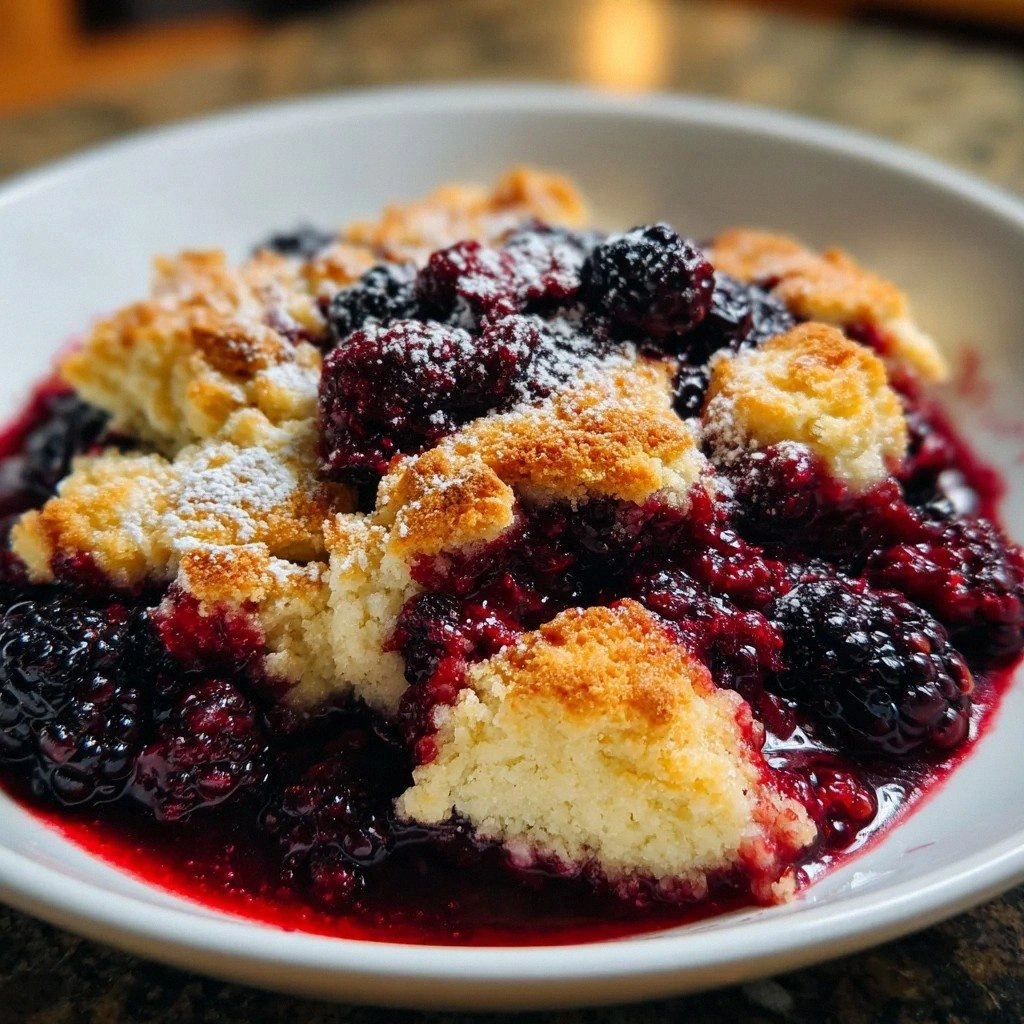
Picture this: you’re standing over a pot that’s bubbling like a volcanic hot spring, the kitchen air thick with the seductive perfume of simmering tomatoes, garlic, and melted cheese. I was in the middle of a rainy Thursday night, craving something that felt like a hug from the inside out, when my roommate dared me to “make a soup that could replace lasagna.” I laughed, I scoffed, and then I did exactly what any self‑respecting foodie does—I threw every lasagna component I could think of into a single pot. The result? A creamy, cheesy lasagna soup that turned my humble kitchen into a five‑star Italian trattoria, and I’m still hearing the echo of my own “Whoa!” reverberate through the walls.
The first spoonful is a revelation. The broth is rich and velvety, hugging each bite of bowtie pasta like a silk scarf, while the ricotta and mozzarella melt together to create a buttery river that carries the robust flavor of ground beef and tomato down your throat. You can almost hear the sigh of relief from your taste buds as the Parmesan adds that final, salty kiss, and the fresh parsley bursts like a confetti of green fireworks on top. The sound of the spoon clinking against the bowl is a promise that every bite will be a comforting crescendo of texture and flavor, and the steam rising is practically a warm blanket for your senses.
What sets this version apart from the countless “lasagna soup” recipes floating around the internet is a secret weapon I discovered while rummaging through my grandma’s spice cabinet: a splash of water mixed with a touch more broth to keep the soup luxuriously creamy without turning it into a watery mess. Most recipes either drown the pasta in a broth that feels like soup‑water or turn it into a thick, stodgy casserole that sticks to the bottom of the pot. I’ve cracked the code, and the result is a soup that’s both hearty and light, perfect for a family dinner or a solo midnight indulgence. Trust me, I dare you to taste this and not go back for seconds.
Let me walk you through every single step — by the end, you’ll wonder how you ever made it any other way. Okay, ready for the game‑changer? This next part? Pure magic.
What Makes This Version Stand Out
- Taste: The marriage of tomato acidity and cheese richness creates a balanced flavor profile that sings on the palate. Every spoonful delivers a burst of umami, followed by a mellow, buttery finish.
- Texture: Bowtie pasta holds onto the sauce like a lover clinging to a promise, while the ricotta swirls in like a cloud of silk, preventing any gritty feel.
- Simplicity: Fewer than ten steps, one pot, and a handful of pantry staples make this a weeknight hero without sacrificing gourmet flair.
- Uniqueness: Adding a splash of water at the right moment keeps the broth glossy and prevents the pasta from absorbing too much liquid.
- Crowd Reaction: This soup has been known to clear plates faster than a free pizza night; expect applause and requests for seconds.
- Ingredient Quality: Using high‑quality ground beef and fresh parsley elevates the dish from “just okay” to “wow, I could live here forever.”
- Cooking Method: The gentle simmer after adding pasta ensures the noodles stay al‑dente, preserving that perfect bite.
- Make‑Ahead Potential: The soup stores beautifully, and reheats like a dream, making leftovers an even more comforting experience.
Inside the Ingredient List
The Flavor Base
The backbone of this soup starts with olive oil, the liquid gold that awakens the onion and garlic, coaxing out their natural sweetness. Skipping the oil would leave the aromatics dry and flat, and you’d lose that glossy sheen that signals a dish is on its way to greatness. If you’re watching calories, opt for a light‑taste olive oil or even a splash of avocado oil—just keep the volume around two tablespoons.
Ground beef brings the hearty, meaty foundation that makes this soup feel like a full‑blown lasagna. Choose an 80/20 blend for the perfect balance of flavor and juiciness; too lean and you’ll miss the richness, too fatty and the broth becomes greasy. For a leaner version, substitute ground turkey, but be prepared for a slightly different flavor profile.
Our large onion and four cloves of garlic are the aromatic duo that turns a simple broth into a symphony. The onion adds a subtle sweetness while the garlic injects that unmistakable punch that makes you think, “Yes, this is the real deal.” If you’re a garlic lover, feel free to add an extra clove—your heart (and taste buds) will thank you.
The Tomato Trio
The 15‑ounce can of diced tomatoes brings bright acidity and a rustic texture, while the 15‑ounce can of tomato sauce smooths everything out, creating a cohesive body. The ¼ cup (about 3 oz) of tomato paste is the secret weapon that concentrates the tomato flavor, giving the broth that deep, almost caramelized undertone. Miss any of these, and you’ll notice a thin, watery flavor that just won’t satisfy.
When selecting canned tomatoes, hunt for “San Marzano” or “vine‑riped” labels—they’re less watery and more flavorful, which means a richer soup without extra seasoning. If you’re feeling adventurous, blend a handful of fresh roasted red peppers into the mix for a smoky twist.
The Texture Crew
The 4 cups of chicken broth act as the liquid canvas, providing a savory backbone that carries all the flavors. Opt for low‑sodium broth so you can control the salt level; too much salt will mask the subtle sweetness of the tomatoes.
Adding 1‑2 cups of water may sound counterintuitive, but this is the trick that keeps the soup from becoming overly thick when the pasta releases starch. The water maintains a silky mouthfeel, ensuring each bite feels like a gentle caress rather than a dense slab.
The 8‑ounce bowtie pasta is not just a shape; its ridges trap the sauce, delivering a burst of flavor with every forkful. If you’re gluten‑free, swap in gluten‑free fusilli or even small rice noodles, but remember they cook faster, so adjust the timing accordingly.
The Final Flourish
Now for the dairy dream team: ½ cup ricotta adds a creamy, slightly tangy layer that melts into the broth, while ½ cup mozzarella creates that stretchy, gooey texture that makes you think of classic lasagna. The ¼ cup Parmesan finishes the dish with a salty, nutty edge that brightens the whole pot.
Don’t forget the ¼ cup fresh parsley, which brings a fresh, herbaceous pop right before serving. If parsley isn’t your jam, try fresh basil or oregano for a different aromatic profile.
Everything's prepped? Good. Let's get into the real action...
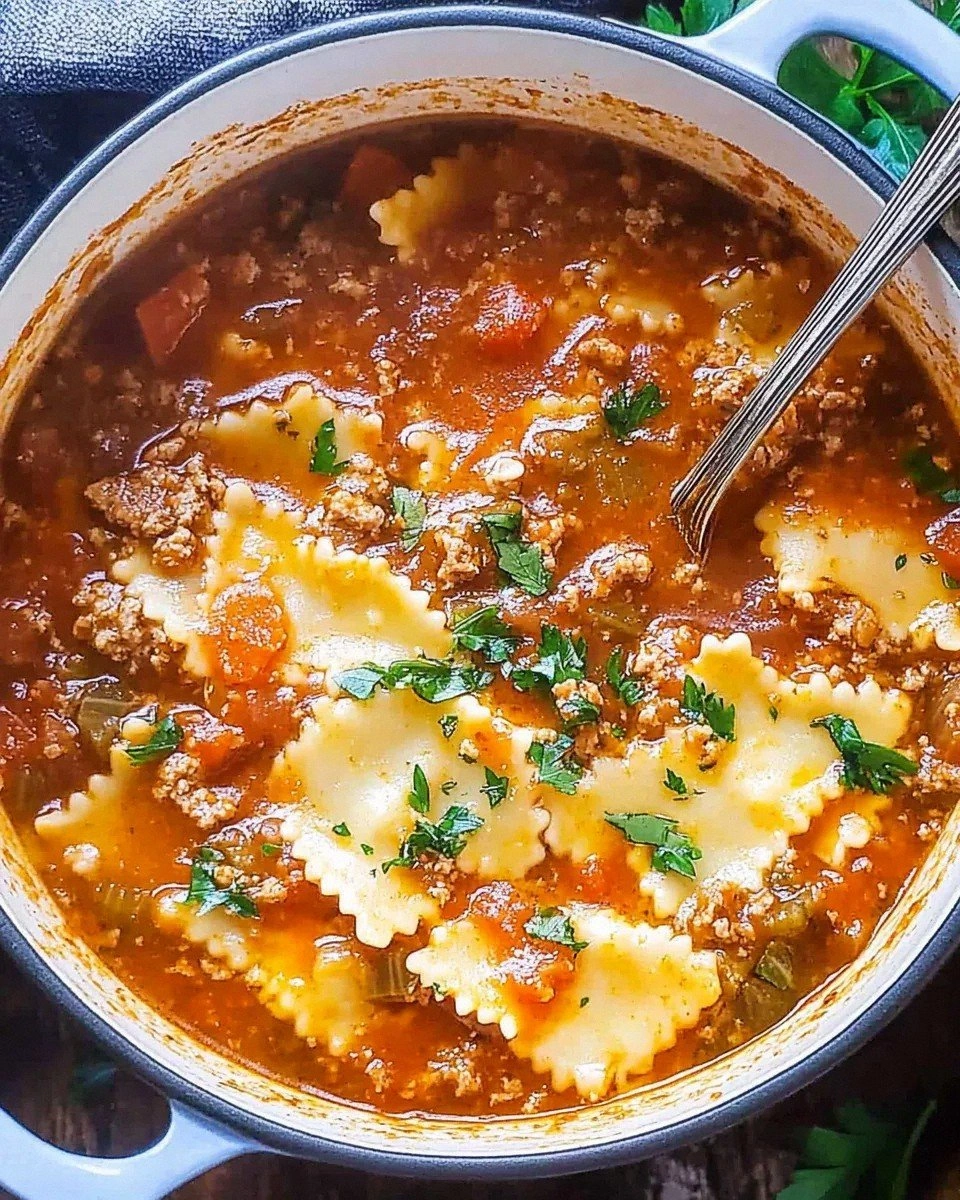
The Method — Step by Step
Heat 2 tablespoons of olive oil in a large Dutch oven over medium heat. When the oil shimmers, toss in the large diced onion and sauté until it turns translucent and just starts to caramelize, about 5 minutes. That sizzle when it hits the pan? Absolute perfection. Watch out for burning—keep the heat steady and stir occasionally.
Add the four minced garlic cloves and continue to sauté for another 30 seconds, just until fragrant. This is the moment where the kitchen smells like an Italian bistro, and you’ll know you’re on the right track.
Kitchen Hack: If you love garlic, crush the cloves with the flat side of a knife before mincing to release more oils.Crank the heat up to medium‑high and add the 1 pound ground beef. Break it up with a wooden spoon, letting it brown evenly. You’ll hear a satisfying crackle as the meat sears, and the color will shift from bright pink to deep brown—a visual cue that the Maillard reaction is doing its thing. Drain excess fat if you prefer a leaner broth, but keep a tablespoon for flavor.
Stir in the 15‑ounce can of diced tomatoes, 15‑ounce can of tomato sauce, and ¼ cup (3 oz) tomato paste. Let the mixture come to a gentle boil, then reduce to a simmer. As the sauce thickens, you’ll notice it coating the bottom of the pot like velvet—this is the flavor foundation you’ll be building on.
Pour in the 4 cups chicken broth and 2 cups water. Sprinkle in the 1 tablespoon Italian seasoning, 1 teaspoon sea salt, and a generous grind of black pepper. Bring the pot back to a low boil, then lower the heat. The broth should be aromatic, with a hint of herbaceous perfume that makes your mouth water.
Now, the crucial pasta moment: add the 8 ounces bowtie pasta. Stir gently to prevent sticking, and let it cook for 8‑10 minutes, or until al‑dente. Keep an eye on the texture; you want the pasta to have a slight bite, not a mushy surrender.
Kitchen Hack: Stir in a splash of pasta water if the soup looks too thick; it’ll help bind the sauce to the noodles.Turn off the heat and immediately fold in the ½ cup ricotta and ½ cup mozzarella. The residual heat will melt the cheeses into a silky ribbon that swirls through the broth. Stir quickly to avoid clumps—this is where the soup transforms from a simple broth to a luxurious, cheesy masterpiece.
Finish with the ¼ cup Parmesan and ¼ cup fresh parsley. The Parmesan adds that final salty pop, while the parsley injects a bright, herbaceous lift that balances the richness. Taste and adjust seasoning if needed—maybe a pinch more salt or a dash of pepper.
Ladle the soup into bowls, drizzle a tiny drizzle of extra‑virgin olive oil for shine, and serve hot. Picture yourself pulling this out of the pot, the whole kitchen smelling incredible, and the first spoonful delivering a comforting, cheesy wave that makes you sigh with contentment. That’s the finish line—pure, unadulterated comfort.
That's it — you did it. But hold on, I've got a few more tricks that'll take this to another level...
Insider Tricks for Flawless Results
The Temperature Rule Nobody Follows
Never add the pasta to a rolling boil; a gentle simmer keeps the noodles from breaking apart and ensures they absorb the broth evenly. I once tried a frantic boil and ended up with soggy, clumped pasta that ruined the texture. Keep the heat steady at a low simmer, and you’ll get that perfect bite every time.
Why Your Nose Knows Best
The aroma is your most reliable indicator of readiness. When the soup starts to smell like a summer garden after a rainstorm—bright tomatoes, fresh herbs, and a hint of caramelized onion—you know the flavors have melded. If it still smells raw or metallic, give it a few more minutes.
The 5‑Minute Rest That Changes Everything
After you finish cooking, let the soup sit for five minutes off the heat. This short rest allows the cheese to fully integrate, turning the broth into a cohesive, velvety body. Skipping this step is the reason many soups feel “thin” or “unfinished.”
Cheese Timing is Everything
Adding the ricotta and mozzarella while the pot is still on low heat prevents them from curdling. I’ve seen a friend toss cheese into a scorching broth and end up with gritty clumps—trust me, that’s a nightmare.
Seasoning Layer by Layer
Season at three points: after browning the meat, after adding the tomatoes, and just before serving. This layered approach builds depth, ensuring the final product isn’t flat. If you skip any layer, the soup can taste one‑dimensional.
Creative Twists and Variations
This recipe is a playground. Here are some of my favorite ways to switch things up:
Spicy Sausage Spin
Swap the ground beef for Italian sausage (mild or hot) and add a pinch of red‑pepper flakes. The sausage’s fennel notes and a hint of heat turn the soup into a bold, winter‑warmer version.
Vegetarian Victory
Replace the meat with a medley of sautéed mushrooms and lentils. The earthy mushrooms mimic the umami of beef, while lentils add protein and a pleasant bite.
Cheesy Overload
Mix in a handful of shredded provolone or fontina for an extra gooey stretch. The extra cheese creates a richer mouthfeel that will have cheese lovers swooning.
Herb Garden
Swap parsley for fresh basil, thyme, or oregano. Each herb brings its own personality—basil adds sweetness, thyme adds woodsy depth, and oregano offers a classic Italian punch.
Creamy Coconut Twist
For a dairy‑free version, replace the ricotta and mozzarella with coconut cream and a dairy‑free cheese shreds. The coconut adds a subtle tropical note that pairs surprisingly well with the tomatoes.
Smoky Chipotle
Stir in a teaspoon of chipotle in adobo sauce for a smoky, slightly sweet heat. This variation works especially well for a fall gathering when you want something comforting yet adventurous.
Storing and Bringing It Back to Life
Fridge Storage
Transfer the soup to an airtight container and refrigerate for up to three days. When reheating, add a splash of water or broth to revive the silky texture; the soup will thicken as it sits, so a little liquid brings it back to life.
Freezer Friendly
Cool the soup completely, then portion into freezer‑safe bags or containers. It freezes beautifully for up to two months. Thaw overnight in the fridge, then reheat on the stove, adding a splash of water to loosen the broth.
Best Reheating Method
Reheat gently over low heat, stirring frequently. Avoid the microwave if you can—microwaves can cause the cheese to separate and the pasta to become gummy. A quick stir, a dash of water, and you’re back to creamy perfection.