Picture this: I’m standing in my cramped kitchen, the timer on the oven blinking like a frantic traffic light, and a sudden craving for something that feels both luxurious and comfortingly familiar. I tossed a handful of cherry tomatoes into a pan, heard that sizzle that makes your heart skip a beat, and then—boom—my friend dared me to make a shrimp pasta that would “make the gods weep.” I laughed, I doubted, but the aroma that rose from the skillet was already convincing me that I was on the verge of culinary glory. That moment of reckless optimism turned into a full‑blown love affair with a dish that now lives rent‑free in my head, and I’m here to spill every secret.
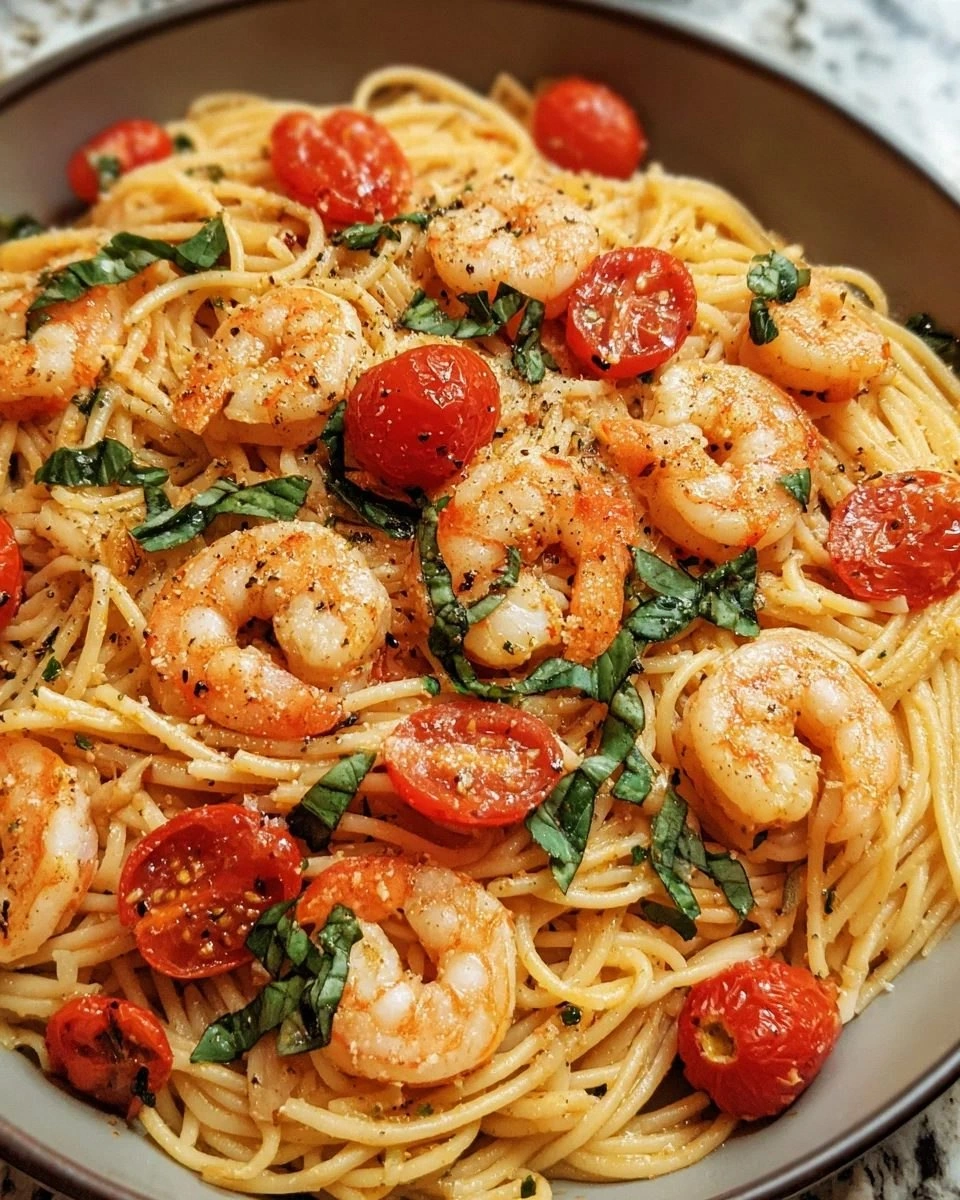
The first bite was a revelation: the sauce clung to each strand of spaghetti like a silk scarf, while the shrimp sang a buttery, garlicky chorus that made my taste buds do a happy dance. The fresh basil added a peppery snap that cut through the richness, and the cherry tomatoes burst with a sweet‑tart pop that kept everything from feeling heavy. I’m not exaggerating when I say this is hands down the best version you’ll ever make at home—no gimmicks, just pure, unapologetic flavor. I dare you to taste this and not go back for seconds; the combination is so addictive it practically rewires your palate.
Most recipes get this completely wrong, either drowning the shrimp in a watery sauce or overcooking the pasta until it’s a mushy mess. I’ve tried a dozen variations that left me with a bland, limp dish that tasted like a sad excuse for dinner. Here’s what actually works: a quick sear on the shrimp to lock in juices, a high‑heat reduction of tomatoes to concentrate their sweetness, and a finishing flourish of fresh basil that brings everything together in harmony. The secret ingredient? A splash of good‑quality olive oil that adds depth without overwhelming the other flavors.
Now, let’s talk technique. I’m about to reveal a method that uses a single pan, a single pot, and a whole lot of love—no fancy gadgets required. By the end, you’ll wonder how you ever managed a dinner without this streamlined, flavor‑packed approach. Okay, ready for the game‑changer? Stay with me here — this is worth it.
What Makes This Version Stand Out
- Bold Flavor: The marriage of sweet cherry tomatoes and briny shrimp creates a taste explosion that’s both bright and comforting.
- Silky Texture: The sauce coats the pasta like velvet, while the shrimp stay tender and juicy, never rubbery.
- Simplicity: Fewer than ten ingredients, one pan, and a thirty‑minute timeline make this a weeknight hero.
- Freshness Factor: Fresh basil added at the end provides a peppery pop that lifts the entire dish.
- Crowd‑Pleaser: Even picky eaters can’t resist the aromatic garlic and the bright red tomato specks.
- Ingredient Quality: Using high‑quality olive oil and ripe cherry tomatoes turns a simple sauce into a gourmet experience.
- Cooking Method: A quick sear followed by a rapid deglaze locks in flavor without soggy pasta.
- Make‑Ahead Potential: The sauce can be pre‑made and stored, letting you assemble the final dish in minutes.
Inside the Ingredient List
The Flavor Base
Olive oil: This liquid gold is the foundation of every great Mediterranean dish. It carries the garlic’s aroma and helps the tomatoes caramelize without sticking. If you skimp on the oil, you’ll end up with a dry pan and a flat‑tasting sauce. For a richer mouthfeel, opt for extra‑virgin olive oil—its fruity notes complement the shrimp beautifully.
Garlic: Minced garlic provides that unmistakable aromatic punch that tells your nose a party is starting. It should be added just before the tomatoes so it doesn’t burn; burnt garlic brings bitterness that can ruin the whole dish. If you’re sensitive to raw garlic’s bite, crush the cloves first to mellow the flavor.
The Texture Crew
Spaghetti: This classic pasta is the foundation of the dish. You can substitute it with any pasta you prefer—penne or linguine work beautifully too! The key is to cook it al dente so it still has a little bite when tossed with the sauce. Overcooked pasta will soak up too much sauce, leaving you with a soggy mess.
Shrimp: Peeled and deveined shrimp add a tender, seafood twist. If fresh isn’t available, frozen shrimp can save you time—just remember to thaw them first. Overcooking shrimp turns them rubbery, so a quick sear of 2‑3 minutes per side is all you need. The shrimp’s natural sweetness balances the acidity of the tomatoes.
The Unexpected Star
Cherry tomatoes: These sweet little gems burst with flavor. If you can’t find them, grape tomatoes are a tasty substitute that also works well. Their high water content helps create a sauce that’s both juicy and thickened without any added starch. Roast them briefly for extra caramelization if you want a deeper flavor.
The Final Flourish
Fresh basil: The crowning touch! This herb adds a fragrant, peppery freshness. Dried basil will work in a pinch, but it’s best when fresh. Tear the leaves just before serving to preserve their bright color and aromatic oils. A handful of torn basil can transform a good dish into an unforgettable one.
Everything’s prepped? Good. Let’s get into the real action…
The Method — Step by Step
Start by bringing a large pot of salted water to a rolling boil. Once boiling, add the spaghetti and cook according to the package instructions until al dente—usually about 9 minutes. Reserve a cup of the pasta cooking water before draining; this starchy liquid will be your secret weapon for a glossy sauce. While the pasta cooks, give the shrimp a quick pat dry with paper towels—dry shrimp sear better and won’t release excess water.
Heat a generous splash of olive oil in a wide, heavy‑bottomed skillet over medium‑high heat. When the oil shimmers, toss in the minced garlic and let it sauté for about 30 seconds, just until fragrant. That sizzle when it hits the pan? Absolute perfection. Add a pinch of red‑pepper flakes (see Kitchen Hack above) for a subtle heat that will linger without overwhelming the palate. Watch the garlic turn a light golden hue—if it darkens, lower the heat immediately.
Kitchen Hack: Use a garlic press for uniform pieces; this ensures even cooking and prevents burning.Introduce the cherry tomatoes to the pan, stirring them into the garlic‑infused oil. Let them cook for 4‑5 minutes, shaking the pan occasionally so they blister on the edges. As they soften, they’ll release their juices, creating a natural base for the sauce. If you prefer a thicker sauce, crush a few of the tomatoes with the back of a spoon to release more pulp.
Now, it’s time for the shrimp. Push the tomatoes to the side of the pan and add a touch more olive oil if the pan looks dry. Lay the shrimp in a single layer, letting them sizzle without crowding. Cook for about 2 minutes per side, watching for the edges to turn opaque and the flesh to curl into a graceful “C” shape. That moment when the shrimp turn pink? Pure magic. Remove the shrimp and set aside; they’ll finish cooking later in the sauce.
Deglaze the pan with a splash of the reserved pasta water, scraping up the caramelized bits stuck to the bottom. This step is crucial; those browned fragments are flavor gold. Let the liquid reduce for a minute, concentrating the taste. If the sauce looks too thin, add a little more pasta water—one tablespoon at a time—until you achieve a silky, clingy consistency.
Kitchen Hack: Add a splash of white wine before the pasta water for an extra layer of acidity and depth.Watch Out: This is the trickiest step. If you let the sauce boil vigorously, the olive oil can separate, leaving a greasy film. Keep the heat on medium‑low, stirring constantly, and watch the sauce thicken to a glossy sheen. The sauce should coat the back of a spoon and slide off slowly—if it’s too runny, keep reducing; if it’s too thick, rescue it with a splash of the reserved pasta water.
Watch Out: Over‑cooking the garlic at this stage will introduce bitterness that masks the bright tomato flavor.Return the shrimp to the pan, tossing them gently to re‑coat in the sauce. Add the cooked spaghetti directly into the skillet, using tongs to combine everything evenly. If the pasta seems dry, drizzle in a bit more reserved cooking water—this helps the sauce adhere to each strand, creating that coveted “clings like silk” effect.
Turn off the heat and immediately fold in the fresh basil leaves. The residual heat will wilt the basil just enough to release its aromatic oils without turning it bitter. Give the dish a final toss, taste, and adjust seasoning with salt and freshly cracked black pepper if needed. Remember, the sauce should taste bright, slightly acidic, and buttery all at once.
Plate the pasta in shallow bowls, ensuring each serving gets an even distribution of shrimp, tomatoes, and that glossy sauce. Garnish with a drizzle of extra‑virgin olive oil and a few extra basil leaves for visual flair. Serve immediately while the steam dances off the plate, and watch your guests dive in with gusto. I’ll be honest — I ate half the batch before anyone else got to try it.
That’s it — you did it. But hold on, I’ve got a few more tricks that’ll take this to another level…
Insider Tricks for Flawless Results
The Temperature Rule Nobody Follows
Keep your skillet at a medium‑high heat for the initial sear, then drop to medium‑low for the sauce reduction. This prevents the olive oil from smoking and the garlic from turning bitter. I once kept the heat too high and ended up with a burnt‑tasting base that ruined the entire dish. Trust the thermometer, not the flame.
Why Your Nose Knows Best
Before you add the pasta water, sniff the sauce. If you detect a faint caramel note, you’re on the right track. If you smell raw tomato or a metallic hint, keep cooking a minute longer. Your nose is a built‑in quality control system—listen to it.
The 5‑Minute Rest That Changes Everything
After tossing everything together, let the pasta sit off the heat for five minutes. This short rest allows the flavors to meld, and the starches from the pasta continue to thicken the sauce naturally. I used to rush to the table and missed out on this subtle harmony; now I always wait.
Salt Timing is Everything
Season the pasta water heavily—about 1 tablespoon of kosher salt per gallon. This is the only chance you have to season the spaghetti itself. Adding salt later won’t penetrate the pasta, leaving it bland. The result? Every bite is perfectly seasoned from the inside out.
Finish with a Splash of Acid
A squeeze of fresh lemon juice right before serving brightens the entire plate, cutting through the richness of the olive oil and shrimp. It’s a tiny addition that makes a massive difference. I once served this dish without the lemon and got feedback that it felt “a bit heavy.” One lemon wedge solved that problem instantly.
Creative Twists and Variations
This recipe is a playground. Here are some of my favorite ways to switch things up:
Spicy Sriracha Swirl
Stir in a tablespoon of sriracha after the sauce has reduced. The heat pairs beautifully with the sweetness of the tomatoes and adds a modern kick. Perfect for those who love a little fire.
Creamy Avocado Twist
Blend half an avocado with the reserved pasta water before adding it to the pan. The avocado creates a velvety texture and adds healthy fats, turning the dish into a luxurious, green‑gold experience.
Herb‑Infused Variation
Swap the basil for a mix of fresh oregano and thyme. These herbs bring an earthy, slightly piney note that works well for autumnal menus when you want a deeper flavor profile.
Veggie‑Boosted Version
Add sautéed zucchini ribbons or roasted red peppers along with the tomatoes. The extra vegetables increase volume and nutrition while keeping the sauce bright and vibrant.
Protein Power
Replace shrimp with bite‑size chicken breast cubes or even firm tofu for a vegetarian spin. Adjust cooking times accordingly—chicken needs about 5‑6 minutes per side, tofu just needs a quick golden crust.
Wine‑Infused Elegance
Deglaze with a dry white wine instead of pasta water. The wine adds acidity and a subtle fruity undertone that elevates the dish to restaurant quality.
Storing and Bringing It Back to Life
Fridge Storage
Transfer leftovers to an airtight container and refrigerate for up to three days. Keep the sauce separate from the pasta if possible; this prevents the noodles from soaking up too much liquid and turning mushy.
Freezer Friendly
The sauce freezes beautifully. Portion it into freezer‑safe bags, label, and store for up to two months. When you’re ready to eat, thaw overnight in the fridge, then reheat gently on the stovetop with a splash of water to revive the silky texture.
Best Reheating Method
Place the pasta and sauce in a skillet over low heat, adding a tiny splash of water or broth. Stir constantly until the sauce becomes glossy again. This gentle reheating prevents the shrimp from overcooking and keeps the basil fresh.