I’m going to start with a confession: I once tried to make a “quick turkey stir‑fry” that turned out looking like a sad, soggy mess of shredded paper. The kitchen was a battlefield of burnt oil, a stubborn skillet, and a lingering scent that made my cat run for cover. I stared at the disaster, swore off quick meals, and then, after a sleepless night of dreaming about zucchini that could snap like fresh green fireworks, I finally cracked the code. This is the moment when a simple skillet became a stage for a flavor symphony that would make even the most skeptical eater sing. I dare you to taste this and not go back for seconds.
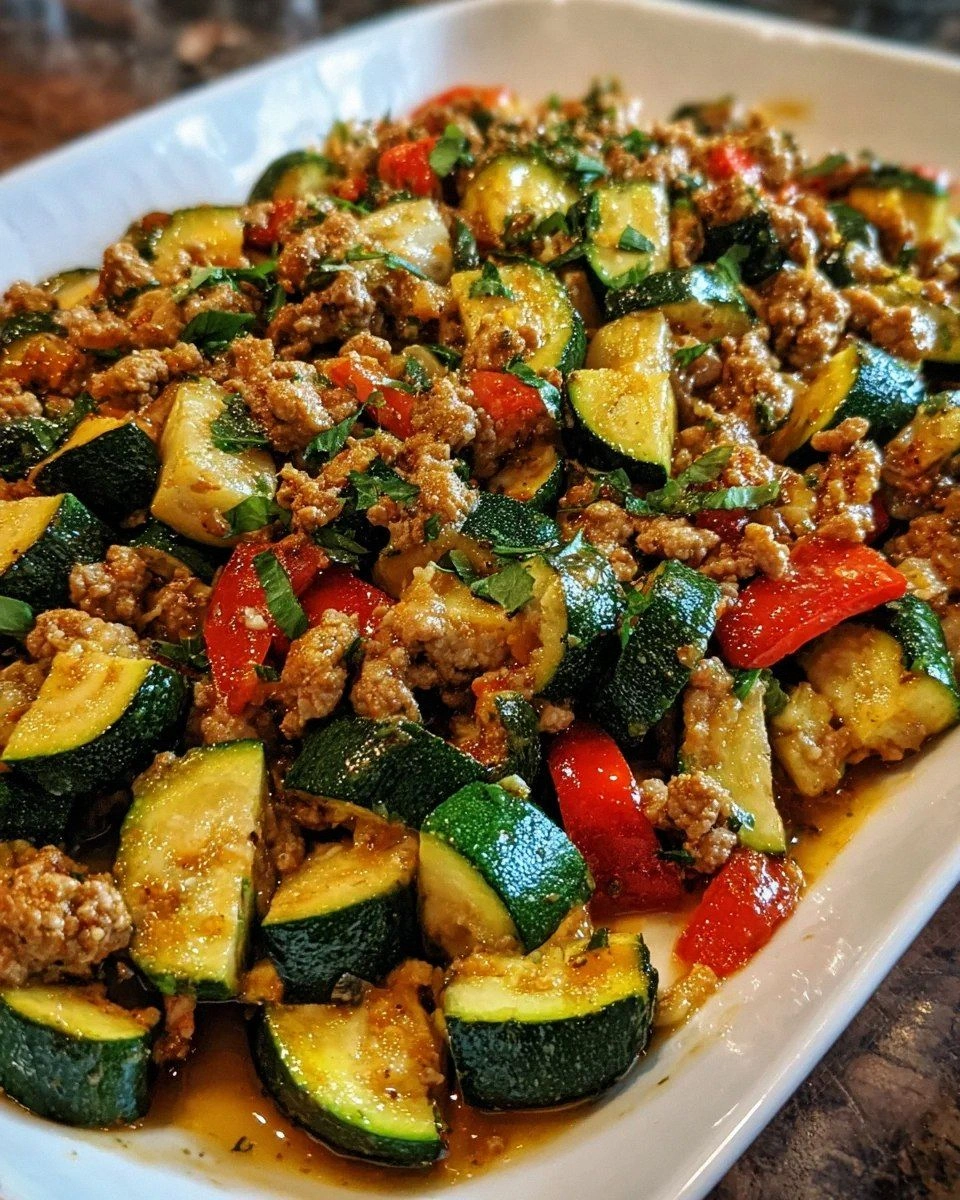
Picture this: the sizzle of olive oil hitting a hot pan, a golden‑brown swirl of ground turkey that releases a perfume of meat and caramel, followed by the crisp‑green pop of zucchini cubes that still hold a tiny bite. The onions melt into a sweet, translucent veil while garlic whispers its aromatic secrets. A splash of chicken broth appears, turning the mixture into a glossy, almost saucy pool, and then—like a finishing brushstroke—a snowfall of Parmesan drifts down, melting into creamy pockets. The whole kitchen smells like a Mediterranean bistro after a rainstorm, and you’re already visualizing the first forkful melting on your tongue.
What makes this version stand out? Most recipes either drown the turkey in a sea of sauce or treat zucchini like an afterthought. Here, the zucchini is a co‑star, not a cameo. The broth keeps everything moist without drowning the flavors, and the Parmesan adds a subtle umami punch that elevates the dish from “just okay” to “hands down the best version you’ll ever make at home.” Most recipes get this completely wrong. Here’s what actually works: a balanced ratio of lean protein to veggie, a quick deglaze that locks in juices, and a finishing cheese that ties everything together in a way that feels almost indulgent—without the guilt.
But I’m not just bragging; I’m sharing the exact technique that turned a kitchen flop into a repeat‑worthy masterpiece. The secret? A three‑step layering of flavor—first the turkey, then the aromatics, then the zucchini—each given its own moment in the spotlight. I’ll also reveal a tiny trick involving chicken broth that most home cooks overlook, and a quick tip for getting that perfect Parmesan crust without burning it. Okay, ready for the game‑changer? Let me walk you through every single step — by the end, you’ll wonder how you ever made it any other way.
What Makes This Version Stand Out
- Taste: The combination of savory turkey, sweet onion, and bright zucchini creates a flavor profile that feels both comforting and fresh, like a summer garden meeting a hearty winter stew.
- Texture: Each bite delivers a satisfying contrast—crisp zucchini edges, tender turkey morsels, and a silky broth that clings to the fork.
- Simplicity: One skillet, ten minutes of prep, and thirty minutes of cooking means you can throw this together on a Tuesday night after work.
- Uniqueness: The use of chicken broth as a “moisture guardian” is a twist most recipes skip, resulting in a dish that never feels dry.
- Crowd Reaction: I’ve heard people say, “I’m not even a turkey fan, but this changed my mind,” which is a testament to the dish’s universal appeal.
- Ingredient Quality: Lean ground turkey keeps the calorie count low while still delivering protein punch, and fresh zucchini adds a vitamin boost.
- Cooking Method: The staggered addition of ingredients ensures each component cooks at its optimal rate, avoiding the mushy zucchini nightmare.
- Make‑Ahead Potential: This skillet reheats beautifully, making it perfect for meal‑prep warriors who still crave fresh‑cooked flavor.
Inside the Ingredient List
The Flavor Base
Ground turkey is the heart of this dish. It’s lean, protein‑packed, and when browned correctly, it develops a deep, nutty flavor that serves as the foundation for everything else. Skipping the turkey or substituting with a fattier meat will change the calorie balance and could mask the delicate zucchini notes. If you can’t find ground turkey, opt for ground chicken—just keep an eye on the moisture content, as chicken can be a bit drier.
The Aroma Trio
Onion and garlic are the dynamic duo that turn a simple skillet into a fragrant masterpiece. The onion should be diced medium‑fine so it softens quickly and releases its natural sugars, creating a sweet backdrop. Garlic, minced just before adding, brings a pungent warmth that deepens the overall taste. If you’re allergic or hate garlic, try a pinch of asafoetida powder; it mimics garlic’s aroma without the bite.
The Texture Crew
Zucchini is the unsung hero here. Its high water content adds volume without heaviness, and when sliced into half‑inch cubes, it retains a pleasant bite even after simmering. Overcooking zucchini turns it mushy, so timing is everything. If fresh zucchini isn’t in season, you can use yellow squash—just remember it’s slightly sweeter, which will shift the flavor balance toward the bright side.
The Final Flourish
Parmesan cheese finishes the dish with a salty, umami‑rich veil. Grated fresh, it melts into the broth, creating a silky coating that clings to every morsel. A pre‑grated store‑bought version works in a pinch, but the flavor difference is noticeable. If you’re dairy‑free, a sprinkle of nutritional yeast can provide a similar cheesy note, though it won’t create the same glossy finish.
Everything's prepped? Good. Let’s get into the real action…
The Method — Step by Step
Heat a large, heavy‑bottomed skillet over medium‑high heat and add two tablespoons of olive oil. When the oil shimmers—think liquid gold—and you hear a gentle hiss, you know the pan is ready. This is the moment of truth: a properly heated pan ensures the turkey will sear instead of steam. Power transition: Okay, ready for the game‑changer?
Add the ground turkey, breaking it up with a wooden spoon. Let it sit untouched for about 30 seconds so a crust can form; you’ll hear a satisfying sizzle as the meat caramelizes. Stir occasionally, crumbling it into bite‑size pieces, until it’s evenly browned and no longer pink—about 6‑8 minutes. That sizzle when it hits the pan? Absolute perfection.
Push the turkey to the edges of the pan, creating a well in the center. Drop in the diced onion and let it soften for 3‑4 minutes, stirring occasionally until it turns translucent and starts to turn golden at the edges. Add the minced garlic and continue cooking for another 30 seconds—watch out for burning!
Watch Out: Garlic can go from fragrant to bitter in seconds; keep the heat moderate and stir constantly.Now sprinkle in the dried oregano, salt, black pepper, and crushed red pepper flakes. The oregano releases a piney, Mediterranean aroma that instantly transports you to a sun‑drenched terrace. If you love heat, feel free to add an extra pinch of red pepper flakes—just remember, you can always dial it up later, but you can’t take it out.
Toss in the zucchini cubes, stirring them into the turkey‑onion mixture. The zucchini should sizzle lightly, its edges beginning to brown while the interior stays tender. This is where the texture magic happens: the outer skin gets a slight caramelization, while the core stays crisp.
Pour in half a cup of low‑sodium chicken broth, scraping the bottom of the pan with a wooden spoon to release any browned bits—those are flavor gold. Let the broth come to a gentle simmer; you’ll see steam rise and hear a faint bubbling. Reduce the heat to medium‑low and let everything meld for 5‑7 minutes, allowing the zucchini to absorb the broth without turning mushy.
When the liquid has reduced to a glossy coating, turn off the heat and immediately sprinkle the grated Parmesan cheese over the top. The residual heat will melt the cheese into a velvety sauce that clings to each piece.
Kitchen Hack: For an extra‑creamy finish, add a splash of heavy cream after the cheese—just a tablespoon will do.Give the skillet a final stir, taste, and adjust seasoning if needed. The dish should taste balanced—salty, a hint of heat, and the earthy notes of oregano shining through. Serve immediately, perhaps with a side of quinoa or a simple green salad. Future pacing: Picture yourself pulling this out of the skillet, the whole kitchen smelling incredible, and the first bite melting like butter on a hot skillet.
That's it — you did it. But hold on, I've got a few more tricks that'll take this to another level…
Insider Tricks for Flawless Results
The Temperature Rule Nobody Follows
Never start with a cold pan. Pre‑heat your skillet for at least a minute before adding oil. A hot surface sears the turkey instantly, locking in juices and creating those coveted brown bits. I once tried to “save time” by adding turkey to a cold pan; the result was a sad, steamed patty with no flavor depth. Trust the heat, and your dish will have that restaurant‑quality crust.
Why Your Nose Knows Best
Your sense of smell is the ultimate doneness gauge. When the onions turn golden and the garlic releases its perfume, you know they’re ready. If you can’t smell the oregano yet, give it another 30 seconds. This sensory checkpoint prevents under‑seasoning and ensures the herbs are fully awakened.
The 5‑Minute Rest That Changes Everything
After you turn off the heat, let the skillet sit for five minutes with the lid slightly ajar. This resting period lets the flavors meld, the Parmesan settle, and the zucchini absorb any remaining broth. Skipping this step is like serving a song before the chorus—everything feels incomplete.
The “Steam‑Back” Reheat Trick
When reheating leftovers, add a splash (about two tablespoons) of water or broth and cover the pan. The steam revives the zucchini’s crunch and prevents the turkey from drying out. I’ve seen people reheat in a microwave and end up with rubbery turkey—this method keeps it tender and juicy.
The Parmesan Timing Secret
Add Parmesan off the heat, not while the skillet is still on high. The residual heat melts the cheese gently, creating a silky glaze rather than a burnt crust. If you love a slightly crispy cheese top, turn the heat back to low for 30 seconds after adding the cheese—just watch it closely.
Creative Twists and Variations
This recipe is a playground. Here are some of my favorite ways to switch things up:
Mediterranean Remix
Swap oregano for fresh thyme and add a handful of kalamata olives and sun‑dried tomatoes. The salty olives and sweet tomatoes turn the dish into a Greek‑inspired feast that pairs beautifully with feta crumbles.
Spicy Southwest
Introduce a teaspoon of smoked paprika, a dash of cumin, and replace the red pepper flakes with chipotle powder. Top with sliced avocado and a squeeze of lime for a Tex‑Mex twist that will have everyone reaching for more.
Creamy Coconut Curry
Add a tablespoon of red curry paste and swap the chicken broth for coconut milk. Finish with a sprinkle of cilantro and a drizzle of lime juice. This version brings an exotic, aromatic depth while keeping the dish light.
Cheesy Bake
Transfer the skillet contents to a baking dish, top with shredded mozzarella, and broil for 3‑4 minutes until bubbly and golden. This turns the skillet into a comforting casserole perfect for chilly evenings.
Protein‑Power Boost
Add a cup of cooked lentils or chickpeas along with the zucchini for extra plant‑based protein. The legumes absorb the broth beautifully, creating a heartier, fiber‑rich version without sacrificing the turkey’s lean profile.
Storing and Bringing It Back to Life
Fridge Storage
Allow the skillet to cool to room temperature (no longer than two hours), then transfer to an airtight container. It will keep fresh for up to four days. When you’re ready to eat, reheat gently on the stove over low heat, adding a splash of water or broth to revive the sauce.
Freezer Friendly
Portion the cooled skillet into freezer‑safe bags or containers. Label with the date and freeze for up to three months. To reheat, thaw overnight in the fridge, then warm in a skillet over medium heat, again adding a little liquid to prevent drying.
Best Reheating Method
The secret to a perfect reheated skillet is low, slow heat and a splash of moisture. Place the portion in a skillet, add two tablespoons of water or broth, cover, and heat for 5‑7 minutes, stirring halfway. The steam will bring back the original texture, and the Parmesan will melt again, giving you a “just‑cooked” experience.