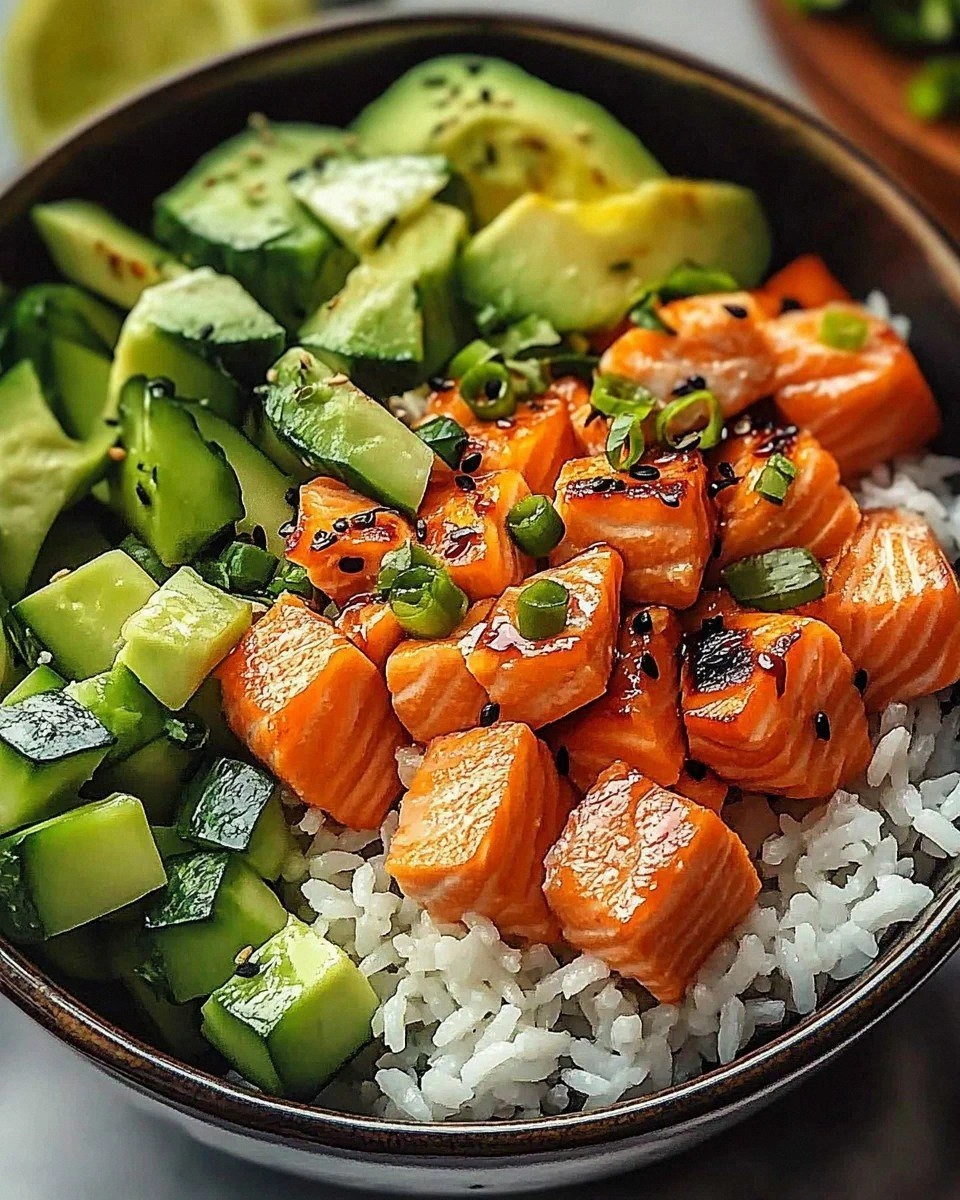
I still remember the Thursday night I almost set my kitchen on fire trying to pan-sear salmon. There I was, oil splattering like a Jackson Pollock painting, smoke alarm serenading the neighbors, and a fillet that looked like it had been through a war zone. Fast forward to the next week: same craving, zero patience, and an air fryer I'd bought on sale but never used. What came out of that experiment was so ridiculously good—crispy edges, buttery centers, flavor that made me do a literal double-take—that I called my best friend at 9 PM just to brag. "You have to try these salmon bites," I raved, mouth still full. "They taste like restaurant food but cook faster than microwaving popcorn."
Here's the thing: most air fryer salmon recipes are just... fine. They season, they cook, they get eaten. But they don't make you close your eyes and sigh. They don't make you plan your next batch before you've even finished chewing. This version does. We're talking about salmon cubes that develop this insane crust—think caramelized edges that crackle like thin ice—while staying so tender inside that it practically melts on your tongue. The secret isn't just the air fryer (though yes, it's a game-changer); it's the way we build flavor before those bites ever hit the basket.
I dare you to taste this and not go back for seconds. Actually, I double-dog dare you, because I ate half the batch before anyone else even knew they existed. The aroma that wafts out when you open that fryer basket? Pure ocean-meets-smokehouse magic. Picture yourself pulling these golden nuggets out, the whole kitchen smelling like a seaside grill shack, and knowing you've got restaurant-quality seafood that took less effort than making a sandwich.
If you've ever struggled with salmon—too dry, too fishy, too boring—you're not alone, and I've got the fix. This next part? Pure magic. Let me walk you through every single step—by the end, you'll wonder how you ever made it any other way.
What Makes This Version Stand Out
Lightning Speed: From fridge to plate in under 15 minutes, these bites cook faster than you can preheat your oven. While your neighbors are still waiting for delivery, you're plating up gourmet seafood.
Texture Wizardry: The air fryer creates this impossible contrast—shatteringly crisp exterior with a center so buttery it practically spoons itself apart. Most recipes get this completely wrong by overcooking, but we nail the timing so precisely that each cube stays lusciously pink inside.
Flavor Bomb: We're not just seasoning the surface; we're marinating in a umami-rich blend that penetrates every flake. Soy sauce, honey, and a secret ingredient (stay with me here) create this glaze that caramelizes into candy-like edges.
Foolproof Technique: No flipping individual pieces or worrying about sticking. The air fryer basket does all the work while you pour yourself a drink. Okay, ready for the game-changer?
Crowd Pleaser: I've served these to salmon skeptics who now request them by name. Kids think they're chicken nuggets, adults taste the sophistication—everyone wins.
Meal Prep Gold: Make a double batch on Sunday, and you've got protein for salads, wraps, or straight-from-the-fridge snacking all week. They reheat like a dream, which is more than I can say for most leftover fish.
Ingredient Quality: Because we're using pristine salmon and minimal manipulation, you actually taste the fish—not just seasoning. It's like the difference between a grocery store tomato and one still warm from the sun.
Alright, let's break down exactly what goes into this masterpiece...
Inside the Ingredient List
The Flavor Base
The salmon itself is obviously the star here, but not all fillets are created equal. You want center-cut pieces, about an inch thick, with that vibrant coral color that practically glows. Wild-caught Coho or King salmon will make you weep with joy, but honestly, even good farm-raised works if you know what to look for. Press the flesh gently—it should spring back like a memory foam mattress, not leave a dent that lingers like a guilty conscience.
Soy sauce brings the umami depth that makes these bites taste like they've been marinating for hours instead of minutes. Don't go reaching for the low-sodium stuff here; we need that salt to penetrate and season the fish from the inside out. If you're gluten-free, tamari works beautifully, adding this mellow fermented complexity that makes people ask, "What IS that flavor?"
The Texture Crew
Honey isn't just for sweetness—it's our secret weapon for that lacquered exterior that shatters between your teeth. The sugars caramelize at high heat, creating these sticky, chewy edges that contrast so beautifully with the tender fish. I've tried maple syrup and brown sugar, but honey flows better and creates this gorgeous mahogany color that makes the salmon look like it's been kissed by a campfire.
Cornstarch might seem odd, but trust me on this one. A light dusting creates this whisper-thin coating that turns shatteringly crisp in the air fryer. It's like the difference between naked chicken wings and properly breaded ones—both good, but one makes you involuntarily close your eyes when you bite in.
The Unexpected Star
Here's where I lose some people, but stay with me—white miso paste. Just a teaspoon transforms the entire dish, adding this incredible depth that tastes like the salmon has been aging in a Japanese brewery. It's fermented soybean magic that brings out the salmon's natural sweetness while adding layers of savory complexity. If you don't have it, yeah, the recipe still works, but it's like watching a movie without the soundtrack—you miss the emotional punch.
Sesame oil is our finishing move, added after cooking so its delicate flavor doesn't turn bitter. Just a few drops make the whole dish taste like it came from a proper sushi bar instead of your kitchen. The toasted version is worth seeking out; regular sesame oil is like the difference between instant coffee and freshly ground beans.
The Final Flourish
Green onions provide that fresh pop that cuts through all the richness, added right before serving so they stay perky and bright. Slice them on the bias—fancy talk for diagonal cuts—because it creates more surface area for that gentle onion flavor to distribute. Plus, they look gorgeous scattered over the golden salmon like little emerald confetti.
Sesame seeds aren't just garnish; they add this subtle nuttiness and delightful crunch that makes each bite more interesting. Toast them first in a dry pan until they smell like peanut butter and start doing this little dance—it takes 90 seconds but elevates them from background player to scene stealer.
Everything's prepped? Good. Let's get into the real action...
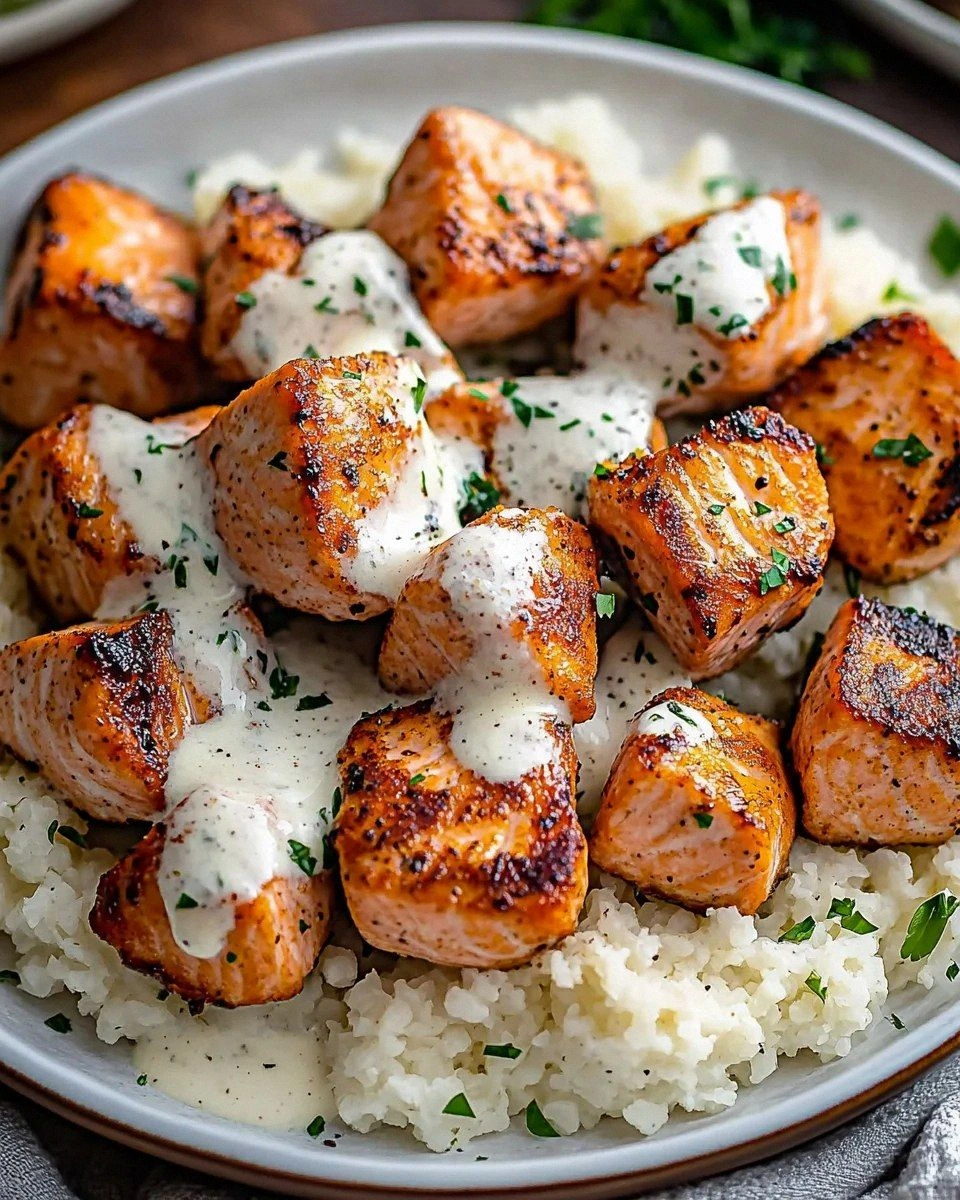
The Method — Step by Step
- Start with your salmon cold but not frozen solid—that sweet spot where it's firm enough to dice cleanly but not so cold it steams instead of sears. Pat it obsessively dry with paper towels; moisture is the enemy of caramelization. I mean really go to town here, pressing and blotting until the paper comes away almost dry. This is the difference between sad, gray salmon and golden perfection.
- Cube the salmon into 1-inch pieces, trying to keep them uniform so they cook evenly. Don't stress if some are slightly bigger—those will be the buttery centers that make you close your eyes. As you cut, remove any pin bones with tweezers, but leave the skin on if it's crispy-seekers night at your house. The skin protects the delicate flesh and adds incredible texture.
- Whisk together the marinade in a bowl large enough to toss everything around. The honey will resist mixing at first, but keep whisking—it'll surrender into this glossy, mahogany sauce that smells like a Japanese steakhouse. Taste it here; it should be salty-sweet with depth that makes you want to drink it. I'll be honest—I ate half the batch before anyone else got to try it, and this marinade is why.
- Add the salmon cubes and fold gently with a rubber spatula, coating every piece without breaking them up. Let them lounge in this bath for exactly 10 minutes—long enough to flavor but not so long that the salt starts curing the fish. While they marinate, preheat your air fryer to 400°F. Yes, preheat it, even if your model claims it doesn't need it. That blast of immediate heat is what creates the crust.
- Drain the salmon in a colander, reserving the marinade for later. Toss the cubes with cornstarch in a zip-top bag—just a tablespoon or two, enough for a whisper-thin coating. Shake off the excess like you're flouring chicken for frying. This next part? Pure magic.
- Arrange the salmon in a single layer in your air fryer basket, leaving space between pieces so the hot air can circulate. Crowding leads to steaming, and steaming leads to sadness. Work in batches if necessary; these cook so fast it's not a big deal. Spray lightly with oil—this helps the cornstarch turn golden and crisp.
- Cook at 400°F for 6-8 minutes, shaking the basket halfway through. That sizzle when it hits the pan? Absolute perfection. The salmon is done when the edges are deeply caramelized and the centers are just opaque. They'll continue cooking from residual heat, so pull them when they're still slightly pink inside.
- While the salmon cooks, simmer the reserved marinade in a small pan until it reduces to a glossy glaze. This concentrates the flavors and kills any bacteria from the raw fish. Brush this liquid gold over the hot salmon bites right out of the fryer—it's like giving them a shiny candy coating.
- Finish with a drizzle of sesame oil, scatter of green onions, and shower of toasted sesame seeds. Serve immediately, while the edges are still crackling and the centers are buttery. Don't walk away from the stove here—these disappear faster than free samples at Costco.
That's it—you did it. But hold on, I've got a few more tricks that'll take this to another level...
Insider Tricks for Flawless Results
The Temperature Rule Nobody Follows
Your salmon should be refrigerator-cold when it hits the air fryer. Not room temperature, not slightly chilled—properly cold. This seems backward, but that temperature shock helps the outside caramelize while keeping the center tender. A friend tried skipping this step once—let's just say it didn't end well. The pieces cooked unevenly, with some overcooked edges and undercooked centers. Trust science here; it's worth the extra few minutes.
Why Your Nose Knows Best
Don't just rely on timers—your nose is the best kitchen tool you own. When the salmon is perfectly cooked, your kitchen will smell like a seaside grill shack with hints of caramel and smoke. If it starts smelling fishy, you've gone too far. That aroma shift happens about 30 seconds before it's too late, so stay alert. I keep the windows cracked so I can really smell what's happening; it's like having a built-in doneness detector.
The 5-Minute Rest That Changes Everything
Let the salmon rest for 5 minutes after cooking—yes, even though you want to devour it immediately. This allows the juices to redistribute, so when you bite in, you get that perfect balance of moist interior and crisp exterior. Cover loosely with foil to keep warm; the steam escaping prevents the coating from getting soggy but maintains that just-cooked temperature that makes these feel restaurant-quality.
The Cornstarch Secret
Not all cornstarch is created equal. Check the expiration date—old cornstarch loses its thickening power and won't create that shatteringly crisp coating. If yours has been lurking in the pantry since last Thanksgiving, treat yourself to a fresh box. The difference is dramatic; fresh cornstarch creates this whisper-thin shell that practically dissolves on your tongue, while old stuff just gets gummy and sad.
The Double-Cook Method
For ultimate crispiness, try the double-cook method: air fry for 4 minutes, remove and let rest for 2 minutes, then return to the fryer for another 2-3 minutes. This resting period allows moisture to escape, so the second cook gets them even crispier. It's like the difference between single and double-fried French fries—both good, but one is transcendent.
Creative Twists and Variations
This recipe is a playground. Here are some of my favorite ways to switch things up:
Spicy Korean Style
Add a tablespoon of gochujang to the marinade for a fiery-sweet kick that builds slowly. Top with kimchi and serve over rice for a Korean-Mexican fusion that shouldn't work but absolutely does. The fermented chili paste adds this incredible depth that makes the salmon taste like it's been marinating for days. Garnish with thin-sliced jalapeños and extra green onions for heat seekers.
Mediterranean Sunshine
Swap the soy for lemon juice and olive oil, add oregano and garlic, and finish with feta crumbles and cherry tomatoes. This version tastes like summer vacation in the Greek islands, with bright citrus notes that make the salmon sing. The feta gets slightly melty from the heat, creating these little pockets of salty creaminess that complement the fish perfectly.
Everything Bagel Style
Ditch the sesame seeds and coat with Everything Bagel seasoning instead. The garlic, onion, and poppy seeds create this incredible crust that tastes like your favorite bagel but on salmon. Serve with cream cheese dip on the side—trust me, it's breakfast-for-dinner but elevated. Kids go absolutely wild for this version.
Tropical Teriyaki
Add pineapple juice to the marinade for a Hawaiian twist that caramelizes into sticky-sweet perfection. The natural sugars in the juice create these gorgeous lacquered edges that taste like candy. Top with fresh pineapple chunks and serve over coconut rice for a mini vacation on a plate. This version is my go-to for impressing guests who think they don't like fish.
Blackened Cajun
Coat the salmon in Cajun seasoning before air frying for a spicy, herbaceous crust that packs serious punch. The high heat toasts the spices, releasing their oils and creating this incredible aroma that fills the whole house. Serve with remoulade sauce for dipping, and you've got New Orleans flavors in under 15 minutes. This is what I make when I want comfort food but need it to be healthy.
Sweet Chili Thai
Replace the honey with Thai sweet chili sauce for a sticky-sweet-spicy glaze that clings to every piece. Add fresh cilantro and a squeeze of lime at the end for brightness that cuts through the richness. This version is dangerously addictive—I once made a triple batch for a party and none made it to the table. Serve with cucumber slices for cooling contrast.
Storing and Bringing It Back to Life
Fridge Storage
Store cooled salmon bites in an airtight container with a paper towel on top to absorb moisture. They'll keep for up to 4 days, though honestly, they've never lasted longer than 2 in my house. Layer them with parchment paper if you have a lot—this prevents the coating from getting soggy where pieces touch. The flavors actually deepen overnight, making leftovers even more delicious.
Freezer Friendly
Freeze in a single layer on a baking sheet first, then transfer to freezer bags—this prevents them from becoming one solid salmon iceberg. They'll keep for up to 2 months, though the texture won't be quite as perfect as fresh. Thaw overnight in the fridge before reheating. I freeze the marinade separately and brush it on during reheating for maximum flavor revival.
Best Reheating Method
Skip the microwave—it turns the coating rubbery and the salmon chalky. Instead, reheat in a 350°F air fryer for 3-4 minutes until warmed through. Add a tiny splash of water before reheating—it steams back to perfection without drying out. The coating won't be quite as crisp as day one, but it's close enough that you'll still be thrilled you have leftovers.