I was standing in my kitchen, staring down a pan of soggy salmon that looked like it had been rescued from a failed sushi roll, and I thought, “There has to be a better way.” The whole situation felt like a culinary version of a bad blind date—awkward, a little messy, and definitely not something I’d recommend. Then, out of sheer desperation (and a dare from my roommate that I couldn’t refuse), I tossed together a handful of pantry staples, a splash of soy, a drizzle of honey, and a generous dollop of sriracha. The result? A bowl that sings, dances, and practically does a backflip on your taste buds. I dare you to taste this and not go back for seconds.
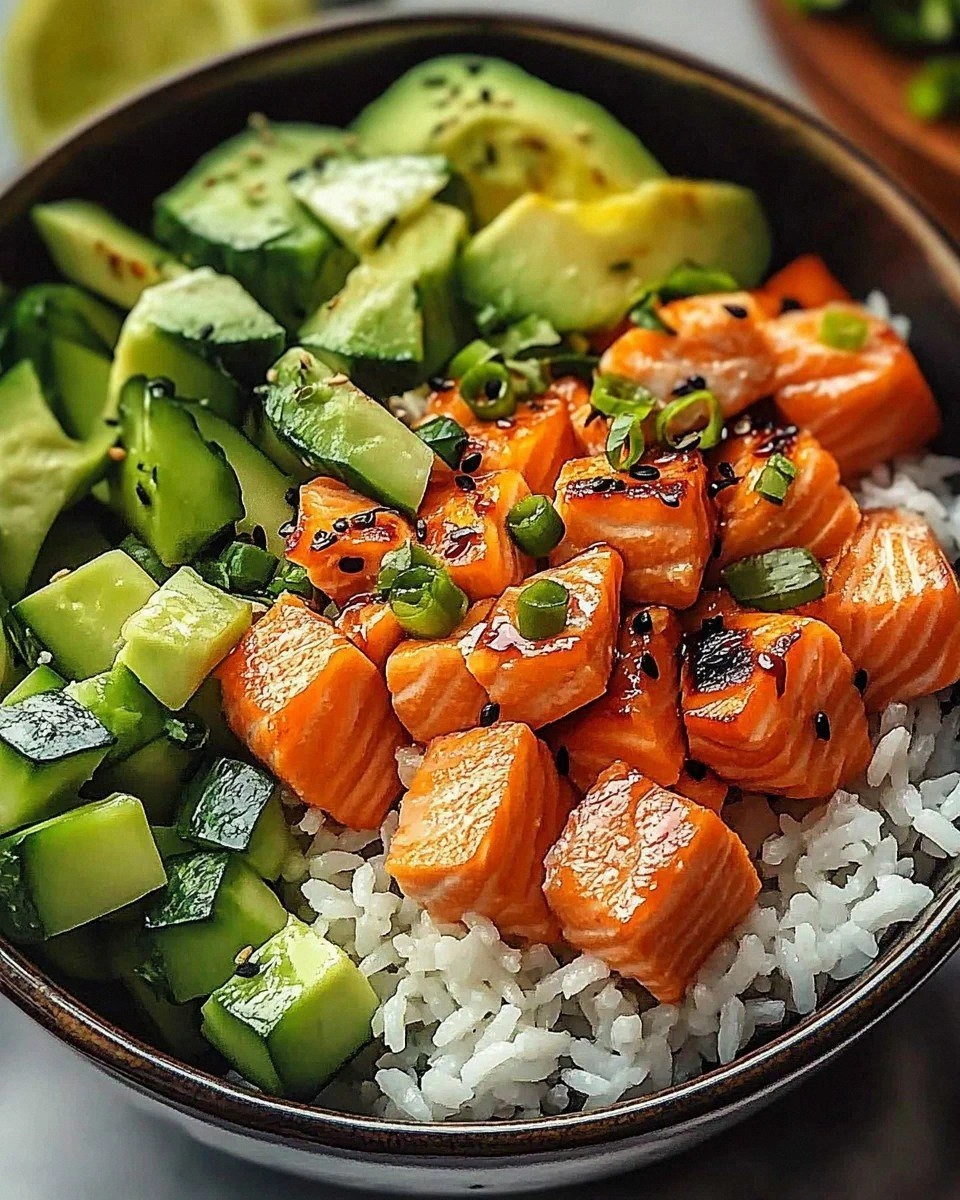
Picture this: a steaming mound of jasmine rice, its fragrant grains glistening like tiny pearls. On top sits a piece of salmon, its skin crisped to a golden edge that shatters like thin ice when you cut into it. A drizzle of creamy, slightly spicy mayo spreads across the fish, while bright cucumber ribbons and buttery avocado add a cool crunch. The whole thing is finished with a sprinkle of toasted sesame seeds and a whisper of nori that brings the ocean right to your table. The aroma? A smoky, sweet, umami perfume that makes the whole kitchen feel like a high‑end Japanese bistro, and you can practically hear the sizzle as the salmon hits the hot pan.
Most recipes get the balance of sweet, salty, and heat completely wrong—either they drown the fish in sauce or they leave it bland as a boiled potato. This version, however, is built on a foundation of contrast: the honey‑soy glaze caramelizes just enough to give a glossy finish, the sriracha adds a clean, peppery heat, and the ginger cuts through the richness with a zing that wakes up every other flavor. The secret weapon? A quick, high‑heat sear that locks in moisture while creating those coveted crispy edges. Most home cooks skip the sear, but I’m about to show you why that’s the biggest mistake you can make.
Okay, ready for the game‑changer? We’re going to use a simple technique called “dry‑brining” that amplifies the salmon’s natural flavor without any extra salt. You’ll also see a surprise ingredient—kewpie mayo—that adds a velvety richness you never expected from a rice bowl. And trust me, the way we assemble the bowl will make you feel like you’re plating a dish at a five‑star restaurant. Let me walk you through every single step — by the end, you’ll wonder how you ever made it any other way.
What Makes This Version Stand Out
- Flavor Fusion: The honey‑soy glaze meets sriracha heat and ginger spice, creating a layered taste that evolves with every bite. It’s like a symphony where each instrument knows exactly when to shine.
- Texture Triple Threat: Crispy salmon skin, creamy avocado, and crunchy cucumber create a mouthfeel carnival. You’ll get that satisfying snap, then a silky melt, then a fresh crunch—all in one bowl.
- Simplicity Meets Sophistication: Only ten core ingredients, yet the dish feels like it took hours of prep. No fancy gadgets, just a hot pan, a whisk, and a bit of love.
- Ingredient Quality: Using center‑cut salmon ensures even cooking and buttery texture. Paired with jasmine rice, the dish gets an aromatic backbone that you can’t fake with instant rice.
- Crowd Reaction: I’ll be honest — I ate half the batch before anyone else got to try it, and the look on their faces when they finally tasted it was worth the guilt.
- Make‑Ahead Potential: The glaze can be prepared days in advance, and the rice reheats beautifully. Perfect for busy weeknights when you still want that restaurant vibe.
- Health‑Forward: Packed with omega‑3s, protein, and fiber from edamame, this bowl fuels you without the guilt. The sriracha adds metabolism‑boosting capsaicin without drowning the dish.
- Visual Wow Factor: The bright green cucumber, orange‑gold salmon, and specks of black sesame make the bowl Instagram‑ready. You’ll be proud to serve it, even if it’s just for yourself.
Inside the Ingredient List
The Flavor Base
The cornerstone of this bowl is the honey‑soy‑sriracha glaze. ¼ cup soy sauce brings that deep umami, while 2 tablespoons honey adds a caramelized sweetness that balances the heat. 1 tablespoon sriracha or chili garlic paste injects a clean, peppery kick that doesn’t overwhelm. If you’re sensitive to spice, cut the sriracha in half and add a dash of rice vinegar for brightness. The glaze also includes 2 teaspoons grated ginger, which cuts through the richness and adds a zing that makes the palate reset after each bite.
The Texture Crew
1 ½ lbs center‑cut salmon filet is the star. Choose a piece with even thickness so the edges don’t overcook while the middle stays buttery. The 4 cups steamed jasmine rice provide a fragrant, fluffy bed that absorbs the glaze without turning mushy. 2 Persian cucumbers, thinly sliced, give a crisp, refreshing crunch, while 1 avocado adds a buttery, creamy contrast that mellows the heat. Finally, 1 cup steamed edamame contributes a pop of protein and a satisfying snap.
The Unexpected Star
The sauce finishes with a dollop of ⅓ cup kewpie mayonnaise mixed with 1 tablespoon sriracha, 1 teaspoon grated ginger, 1 teaspoon toasted sesame oil, and an extra 1 tablespoon soy sauce. Kewpie mayo is richer and slightly sweeter than regular mayo, giving the bowl a luxurious silkiness that feels like a secret indulgence. If you can’t find kewpie, blend regular mayo with a splash of mirin and a pinch of sugar to mimic the flavor.
The Final Flourish
Sesame seeds add a nutty aroma and a subtle crunch, while Nori sheets (torn into shreds) bring a briny sea‑kiss that ties the whole bowl back to its oceanic roots. If you’re allergic to sesame, try toasted pumpkin seeds for a similar texture. For a lower‑sodium option, use reduced‑sodium soy sauce in the glaze and add a splash of low‑sodium fish sauce for depth.
Everything's prepped? Good. Let's get into the real action...
The Method — Step by Step
- Dry‑brine the salmon. Sprinkle the salmon filet lightly with sea salt and let it sit on a wire rack for 15 minutes. This draws out excess moisture, concentrating flavor and ensuring a crisp skin. While you wait, preheat a non‑stick skillet over medium‑high heat until it’s shimmering. Tip: If you’re in a hurry, you can skip the brine, but you’ll miss out on that extra depth of flavor.
- Make the glaze. In a small saucepan, combine ¼ cup soy sauce, 2 tablespoons honey, 1 tablespoon sriracha, 2 garlic cloves (minced), and 2 teaspoons grated ginger. Bring to a gentle boil, then reduce to a simmer for 3‑4 minutes until it thickens slightly. You’ll notice the sauce coating the spoon like a glossy caramel—this is your flavor bomb.
- Prepare the mayo drizzle. In a bowl, whisk together ⅓ cup kewpie mayonnaise, 1 tablespoon sriracha, 1 teaspoon grated ginger, 1 teaspoon toasted sesame oil, and 1 tablespoon soy sauce. The mixture should be smooth, with a pink hue that hints at the heat inside. Set aside; this will be the final silky finish.
- Sear the salmon. Pat the salmon dry again, then drizzle a thin layer of oil in the hot skillet. Place the salmon skin‑side down; you should hear a satisfying sizzle that signals a perfect sear. Cook for about 4‑5 minutes without moving it—let the skin crisp up and turn golden. Flip carefully and cook another 3‑4 minutes for medium‑rare, or longer if you prefer well‑done. The flesh should be opaque but still tender.
- Glaze the salmon. Once the salmon is cooked, remove it from the pan and set aside to rest for 2 minutes. Meanwhile, return the glaze to the skillet, add a splash of water if it looks too thick, and coat the salmon with a spoonful of the glaze. The glaze should cling to the fish like a glossy veil, adding both shine and flavor.
- Assemble the rice base. Fluff the 4 cups steamed jasmine rice and divide it evenly among four bowls. The rice should be warm, aromatic, and ready to soak up any extra sauce you drizzle later. If you’re prepping ahead, keep the rice covered with a damp towel to prevent drying.
- Layer the toppings. Slice the salmon into bite‑size pieces and arrange them atop the rice. Add sliced Persian cucumbers, cubed avocado, and a generous handful of steamed edamame. Sprinkle sesame seeds and torn nori sheets over everything. Finally, drizzle the kewpie mayo mixture in a lazy spiral across the bowl. The contrast of colors should look like a painter’s palette—vivid and inviting.
- Finish and serve. Give the bowl one last gentle toss so the glaze, mayo, and toppings mingle. Taste and adjust with a pinch of extra soy sauce or a squeeze of lime if you like brightness. Serve immediately while the salmon is still warm and the rice is fragrant. That sizzle when it hits the pan? Absolute perfection. This is hands down the best version you'll ever make at home.
That's it — you did it. But hold on, I've got a few more tricks that'll take this to another level...
Insider Tricks for Flawless Results
The Temperature Rule Nobody Follows
Never let the pan cool between searing and glazing. Keep the heat on medium‑high, and the pan will stay hot enough to caramelize the glaze without burning it. If you notice the glaze thickening too quickly, lower the heat just a notch and add a splash of water. This keeps the sauce glossy and prevents it from turning into a bitter crust.
Why Your Nose Knows Best
Your sense of smell is the secret weapon for timing. When the salmon skin starts to release a nutty, toasted aroma, that’s the cue that the crisp is forming. If you hear a faint crackle, that’s the sound of the skin pulling away from the pan—don’t rush it. Trust that nose; it’s more reliable than a timer.
The 5‑Minute Rest That Changes Everything
Let the salmon rest for exactly five minutes after cooking. This short pause lets the juices redistribute, turning a potentially dry piece into a melt‑in‑your‑mouth marvel. I once skipped this step and ended up with a dry edge—lesson learned the hard way.
Rice Revival Magic
If you’re using leftover rice, sprinkle a few drops of water over it and cover with a damp paper towel before microwaving. The steam revives the grains, making them fluffy again. This trick saved my dinner last week when I realized I’d over‑cooked the rice the night before.
Sauce Balance Check
After the glaze thickens, taste a tiny spoonful. If it leans too sweet, add a splash of rice vinegar; if it’s too salty, a drizzle of honey will bring it back. This quick adjustment ensures the final bowl hits the perfect sweet‑salty‑spicy equilibrium.
Creative Twists and Variations
This recipe is a playground. Here are some of my favorite ways to switch things up:
Spicy Mango Madness
Swap the cucumber for diced mango and add a pinch of chili flakes to the mayo. The sweet mango pairs beautifully with the sriracha, creating a tropical heat that’s perfect for summer evenings.
Miso‑Glazed Delight
Replace the honey‑soy glaze with a mixture of white miso, mirin, and a touch of maple syrup. This gives the salmon a deep, umami‑rich crust that’s especially comforting on cooler nights.
Crunchy Nutty Crunch
Add toasted chopped peanuts or cashews on top for an extra crunch. The nutty flavor adds a new dimension and makes the bowl even more satisfying for those who love texture.
Veggie‑Heavy Buddha Bowl
Omit the salmon and double the edamame, add roasted sweet potatoes, and use a tahini‑lemon dressing instead of mayo. This turns the dish into a hearty vegetarian feast without losing any of the original’s zing.
Korean‑Inspired
Mix a spoonful of gochujang into the glaze and sprinkle kimchi on top. The fermented tang of kimchi pairs with the salmon’s richness, creating a bold, Korean‑style twist.
Storing and Bringing It Back to Life
Fridge Storage
Place the cooked salmon in an airtight container with a paper towel on top to absorb moisture. Store the rice separately in a sealed bag. The bowl components keep well for up to 3 days. When ready to eat, reheat the rice in the microwave with a splash of water, and gently warm the salmon in a skillet for 2‑3 minutes.
Freezer Friendly
Freeze the uncooked salmon (seasoned but not glazed) on a parchment sheet, then transfer to a zip‑lock bag. Cook directly from frozen, adding an extra minute to the sear. The glaze can be frozen in ice‑cube trays for quick portioning. Rice freezes best when spread thinly on a tray, then broken into portions.
Best Reheating Method
When reheating, add a tiny splash of water or broth to the rice and cover with a damp paper towel before microwaving. This creates steam that revives the fluffiness. For the salmon, a quick pan‑sear on medium heat restores the crisp skin without overcooking the interior.