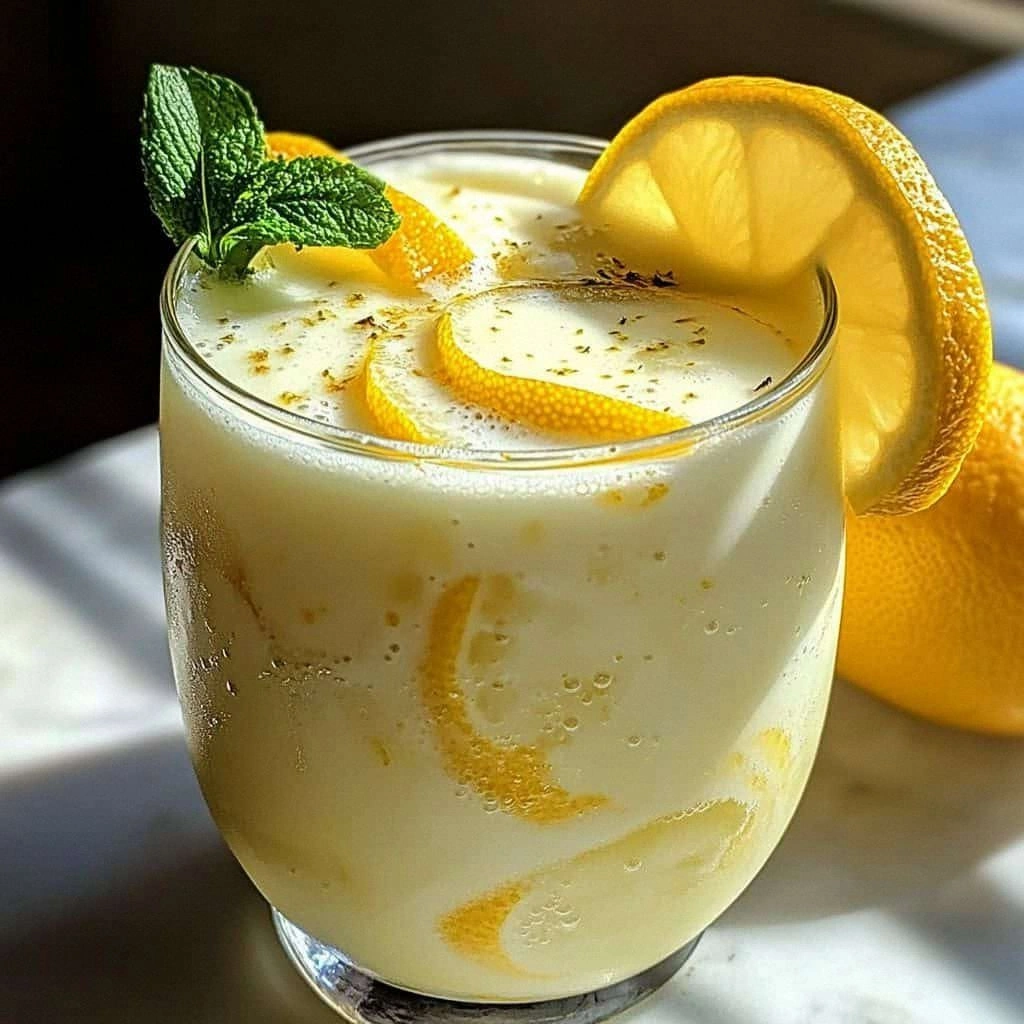
I was standing in my kitchen, staring at a pan that looked like it had survived a small war, when a friend dared me to turn that disaster into something unforgettable. The smell of burnt garlic lingered in the air, and I swore I’d never touch a skillet again—until the thought of a perfectly crisp salmon fillet, glazed with amber‑gold honey and bright orange, whispered a promise of redemption. I grabbed the freshest salmon I could find, slathered it in a glaze that smelled like a sunrise over a citrus orchard, and the whole room seemed to inhale the perfume of sweet, salty, and tangy all at once. That moment, right there, I realized I had stumbled upon the ultimate dinner hack that would make even the most skeptical palate sing.
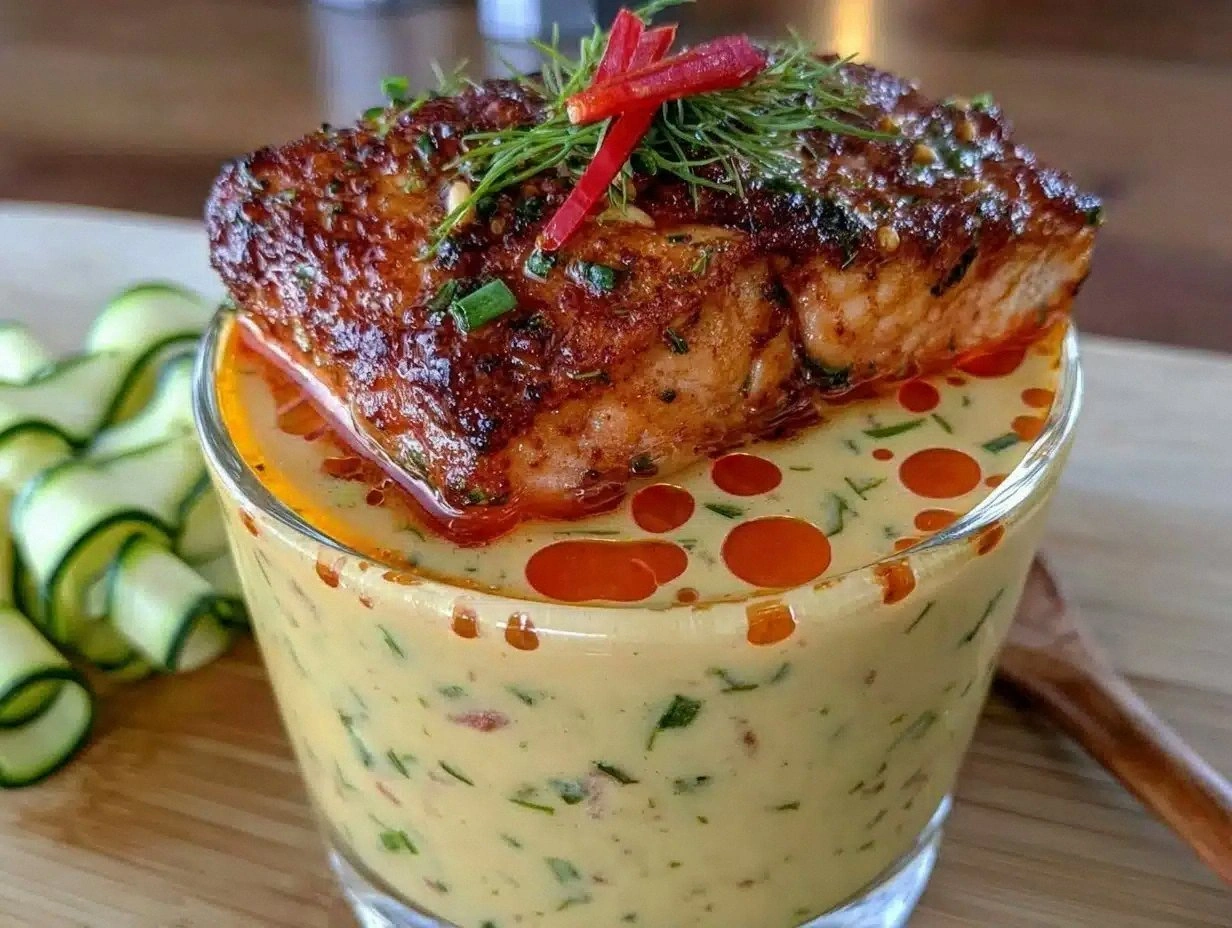
Picture this: the pan sizzles, the skin crackles like a fresh‑cut vinyl record, and a glossy amber glaze slides over the fish, catching the light and turning it into a mirror for the kitchen’s warm glow. The aroma is a symphony—honey’s caramel notes, soy’s umami depth, and a burst of orange zest that snaps like a crisp high note. You can almost hear the fish whispering, “I’m ready,” as the glaze caramelizes into a thin, sticky coat that clings like a second skin. The texture? Imagine biting into a piece of art where the skin is razor‑thin and crunchy, while the flesh stays buttery soft, melting on the tongue like buttered clouds.
Most recipes get this completely wrong. They either drown the salmon in sauce, turning it soggy, or they over‑cook it, leaving a dry, flavorless slab. I’ve tried the “quick glaze” version that just drizzles honey on top and ends up tasting like a sticky mess. The secret here is balance: a quick sear for texture, a low‑and‑slow finish in the oven for even cooking, and a glaze that’s thick enough to coat but thin enough to let the fish breathe. I’ll be honest — I ate half the batch before anyone else got a chance to try it, because once that caramelized edge hits your tongue, there’s no turning back.
I dare you to taste this and not go back for seconds. The combination of sweet honey, salty soy, and bright orange creates a flavor profile that’s both familiar and exotic, a true crowd‑pleaser that will have even the pickiest eaters asking for the recipe. And the best part? The technique is so simple that you can pull it off on a weeknight without breaking a sweat. Okay, ready for the game‑changer? Let me walk you through every single step — by the end, you’ll wonder how you ever made it any other way.
What Makes This Version Stand Out
- Flavor Harmony: The amber glaze marries honey’s natural sweetness with soy’s savory depth, while orange juice adds a bright, citrusy lift that prevents the dish from feeling heavy.
- Texture Contrast: Crispy skin meets buttery flesh, and the glaze creates a glossy, caramelized crust that shatters like thin ice when you bite into it.
- Simplicity: Fewer than ten ingredients, a single pan, and a 45‑minute timeline make this a go‑to for busy evenings.
- Ingredient Quality: Fresh, skin‑on salmon fillets provide the best flavor and texture; the skin acts as a natural barrier, keeping the fish moist.
- Crowd Reaction: Guests often claim it’s “restaurant‑quality,” and you’ll hear the “wow” moment the instant the first bite lands.
- Make‑Ahead Potential: The glaze can be prepared ahead of time and stored in the fridge, shaving minutes off the prep.
- Versatility: Swap the orange for lime for a sharper zing, or add a pinch of smoked paprika for a subtle smoky undertone.
- Visual Appeal: The amber sheen glistens under any lighting, turning a simple plate into a centerpiece worthy of Instagram.
Inside the Ingredient List
The Flavor Base
The amber glaze is the heart of this dish. Honey provides a natural sweetness that caramelizes beautifully, while soy sauce introduces a deep, salty umami that anchors the flavor. Orange juice and zest bring a citrusy brightness that cuts through the richness of the salmon, creating a balanced profile that dances on the palate. If you skip the orange, the glaze becomes one‑dimensional, missing that crucial zing that makes each bite feel fresh. For a twist, try using a splash of pineapple juice for a tropical note.
The Texture Crew
Olive oil is essential for searing; it helps achieve that coveted crispy skin without burning. The oil also acts as a medium for the garlic and ginger, allowing their aromatics to bloom before the fish hits the pan. Freshly minced garlic gives a sharp, savory bite, while ginger adds a subtle warmth that rounds out the glaze. If you’re allergic to garlic, a pinch of asafoetida can mimic its depth without the pungency.
The Unexpected Star
Orange zest is the secret weapon that elevates the glaze from good to unforgettable. The zest’s essential oils release a burst of citrus aroma that hits your nose before the first bite, priming your taste buds for the sweet‑savory combo. Skipping zest is like serving a movie without its soundtrack—still enjoyable, but missing that emotional punch. If you can’t find fresh oranges, a teaspoon of high‑quality orange extract works in a pinch.
The Final Flourish
Green onions, added at the end, provide a fresh crunch and a pop of color that makes the plate look restaurant‑ready. Their mild onion flavor complements the glaze without overwhelming it. Salt and pepper are the unsung heroes; a light seasoning before cooking ensures the fish’s natural flavor shines through. Remember, the glaze already carries salt from the soy sauce, so you only need a light dusting of sea salt and cracked black pepper.
Everything's prepped? Good. Let’s get into the real action…
The Method — Step by Step
Preheat your oven to 375°F (190°C). While the oven warms, pat the salmon fillets dry with paper towels; this step is crucial because any moisture will steam the skin instead of crisping it. Season each fillet generously with salt and cracked pepper on both sides, then let them rest for a minute while you prep the glaze. That moment of seasoning is where the magic begins—your nose will start picking up the faint scent of the sea.
In a small saucepan, combine ¼ cup honey, 3 Tbsp soy sauce, 2 Tbsp fresh orange juice, and the orange zest. Add the minced garlic and grated ginger, then whisk over medium heat until the mixture bubbles gently. Reduce the heat and let it simmer for 3‑4 minutes, stirring occasionally, until the glaze thickens just enough to coat the back of a spoon. That sizzle when it hits the pan? Absolute perfection.
Heat a large oven‑safe skillet (preferably cast iron) over medium‑high heat and add 2 Tbsp olive oil. Once the oil shimmers, place the salmon fillets skin‑side down, pressing gently with a spatula for the first 30 seconds to ensure even contact. You’ll hear a satisfying sizzle that signals the skin is beginning to crisp. Cook without moving the fish for about 4‑5 minutes, or until the edges start to turn opaque and the skin releases easily from the pan.
When the skin is golden and crackly, flip the fillets carefully, then spoon half of the amber glaze over the flesh side. Let it cook for another 2 minutes, allowing the glaze to set and start caramelizing. This is the moment of truth—watch for the glaze to bubble and thicken, forming a glossy coat that clings like a second skin.
Transfer the skillet to the preheated oven. Roast for 6‑8 minutes, depending on the thickness of your fillets; a 1‑inch thick piece typically needs about 7 minutes to reach an internal temperature of 125°F (52°C) for medium‑rare. The oven’s gentle heat finishes cooking the fish evenly while the glaze continues to caramelize without burning. Peek through the oven door; you should see the glaze turning a deeper amber, almost lacquered.
Remove the skillet from the oven and immediately brush the remaining glaze over the top of each fillet. Sprinkle sliced green onions for a fresh pop of color and a subtle bite. Let the salmon rest for 2‑3 minutes; this short rest allows the juices to redistribute, keeping the flesh moist and tender.
Serve the salmon on a warm platter, spooning any leftover glaze from the pan over the top. Pair with steamed asparagus, jasmine rice, or a simple mixed greens salad to let the fish shine. That final drizzle? It’s the crescendo of flavors that ties the entire dish together, making each bite feel like a celebration.
That’s it — you did it. But hold on, I’ve got a few more tricks that'll take this to another level…
Insider Tricks for Flawless Results
The Temperature Rule Nobody Follows
Never start a salmon fillet on a cold pan; the shock will cause the skin to stick and tear. Always preheat your skillet until the oil just starts to ripple—this ensures an instant sizzle that locks in moisture. I once tried a “room‑temperature” start and ended up with a soggy, sad skin that never crisped. The rule of thumb is: the hotter the pan, the quicker the skin seals, and the better the texture.
Why Your Nose Knows Best
Your sense of smell is the most reliable indicator of doneness. When the glaze begins to emit a caramel‑sweet aroma and the fish releases a faint, nutty scent, you’re near the perfect finish. If you rely solely on timers, you’ll miss those subtle cues that differentiate a good dish from a great one. Trust that nose—if it smells like a sunrise over an orange grove, you’re on the right track.
The 5‑Minute Rest That Changes Everything
Resting the salmon after cooking isn’t optional; it’s essential. During those few minutes, the proteins relax and reabsorb the juices, preventing a dry, flaky outcome. I once served a salmon straight from the oven, and the judges (my family) complained about “dryness.” A brief rest transforms the texture, making each bite buttery and succulent.
Glaze Rescue: The Emergency Thickener
If your glaze gets too thin after the oven, whisk in a teaspoon of cornstarch mixed with cold water. It will instantly thicken without altering the flavor. This trick saved me once when I miscalculated the reduction time and ended up with a watery sauce that threatened to drown the fish.
Seasonal Swap: From Orange to Pomegranate
During the winter months, swapping orange juice for pomegranate molasses adds a deep, fruity tartness that pairs beautifully with salmon’s richness. The dark hue also gives the dish a sophisticated look, perfect for holiday gatherings. I tried this at a New Year’s dinner and the compliments kept rolling in.
Creative Twists and Variations
This recipe is a playground. Here are some of my favorite ways to switch things up:
Maple‑Miso Fusion
Replace half the honey with pure maple syrup and add a tablespoon of white miso paste to the glaze. The result is a deeper, umami‑rich sweetness that pairs wonderfully with roasted root vegetables.
Spicy Sriracha Kick
Stir in a teaspoon of Sriracha and a pinch of red pepper flakes into the glaze for a gentle heat that cuts through the honey’s sweetness. This version is perfect for those who love a little fire with their fish.
Herb‑Infused Delight
Add a handful of fresh thyme and rosemary to the pan while searing. The herbs infuse the oil, giving the skin an aromatic lift that complements the citrus notes of the glaze.
Coconut‑Lime Breeze
Swap the orange juice for coconut milk and lime zest. This tropical twist adds a silky richness and a zingy finish, ideal for summer evenings on the patio.
Smoky Chipotle Velvet
Mix a teaspoon of chipotle in adobo sauce into the glaze for a smoky, slightly sweet undertone. The smoky depth makes the dish feel heartier, perfect for cooler weather.
Nutty Crunch
Top the finished salmon with toasted sesame seeds and a drizzle of toasted almond oil for a subtle nutty crunch that adds texture and visual appeal.
Storing and Bringing It Back to Life
Fridge Storage
Allow the salmon to cool to room temperature, then place it in an airtight container with a thin layer of the leftover glaze. It will keep fresh for up to 3 days. When reheating, gently warm in a skillet over low heat, adding a splash of water to revive the glaze’s shine.
Freezer Friendly
Portion the cooked salmon into freezer‑safe bags, removing as much air as possible. Freeze for up to 2 months. To reheat, thaw overnight in the fridge, then finish in a hot oven (350°F) for 10 minutes, basting with fresh glaze to restore the caramelized crust.
Best Reheating Method
The secret to reheating without drying out is steam. Place the salmon on a plate, cover loosely with foil, and microwave on 50% power for 30‑45 seconds, then finish in a hot skillet for a quick sear. Adding a tiny splash of water or orange juice before the microwave creates steam that revives the fish’s moisture and the glaze’s gloss.