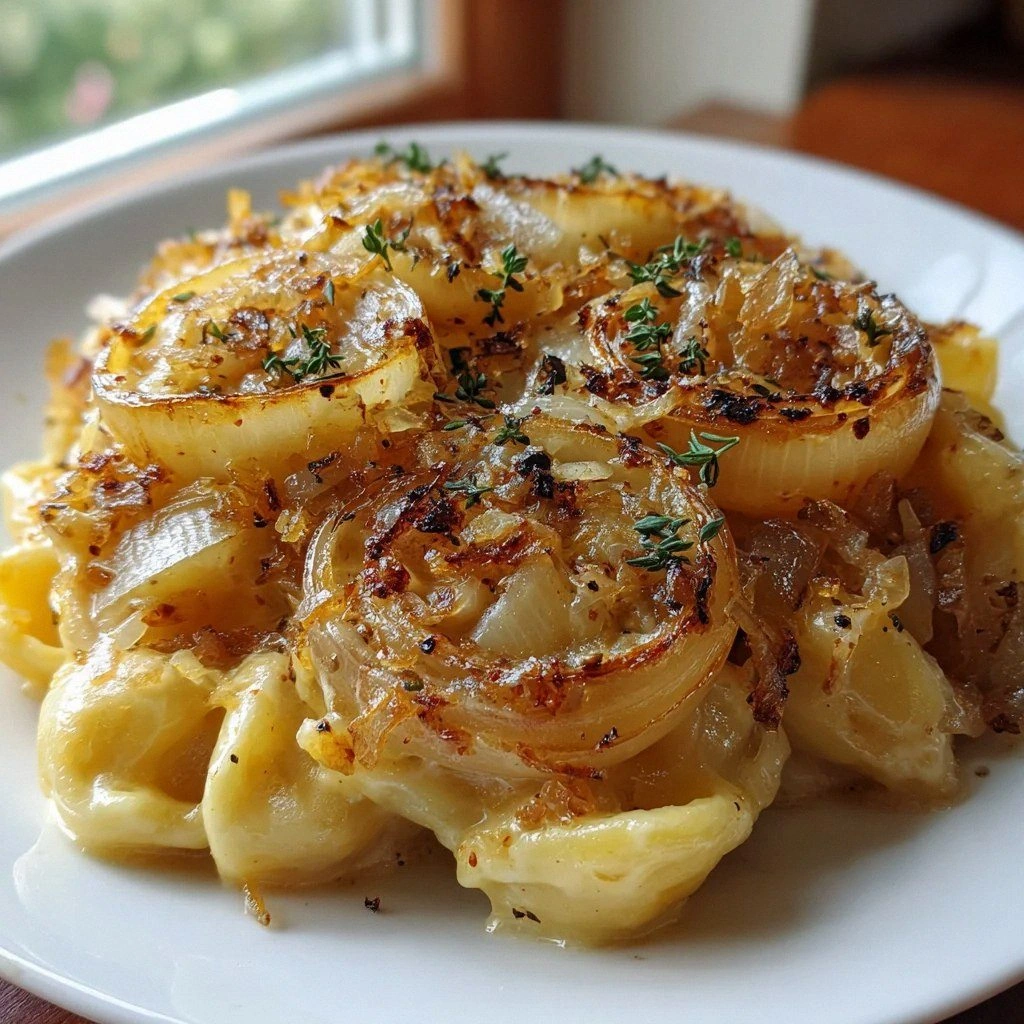
Picture this: it is a Tuesday night, you have just wrestled the groceries inside through a cold drizzle, your phone is somehow at three percent, and the only thing standing between you and total hangry meltdown is a crumpled note that reads “French onion soup but make it pasta.” My first attempt at this mash-up looked like a swamp monster had taken up residence in my Dutch oven. I had cranked the heat, dumped in the onions, and then—classic move—walked away to answer one “urgent” email. I came back to a charred mosaic glued to the bottom and a smoke alarm serenading the cat. Fast-forward through a pizza delivery and a mild existential crisis, and I was determined to nail what my brain kept screaming was the coziest collision of caramelized allium luxury and carb-loaded comfort. The next round, I slowed down, listened to the onions sizzle instead of scrolling Instagram, and treated Worcestershire like liquid gold. The smell that floated through the house was the edible version of a fireplace and a cashmere blanket—smoky-sweet, buttery, and deeply savory all at once. I tossed in the pasta, watched the Gruyère melt into glossy threads, and took one bite that made me close my eyes so hard I nearly walked into the counter. That forkful was the edible equivalent of someone handing you a mug of something hot while telling you everything is going to be fine. I ended up eating half the skillet standing up, wiping the rim with crusty bread, promising myself I would share next time. Reader, this is next time. Let me walk you through every single step—by the end, you will wonder how you ever made it any other way.
What Makes This Version Stand Out
Depth Overload: We are not just browning onions; we are taking them on a forty-five-minute flavor vacation until they collapse into jammy sweetness that tastes like it was kissed by a thousand campfires. Most recipes stop at pale gold and wonder why the final dish tastes flat. We go full mahogany, and your taste buds will send postcards thanking you for the trip.
Two Umami Bombs: Worcestershire plus reduced-sodium soy sauce create a one-two punch of glutamate heaven that makes beef broth feel like it spent a summer studying abroad. Ignore the skeptics who think soy has no place in French-ish food—they have clearly never watched their guests lick their bowls.
Creamy Without the Food Coma: Evaporated milk delivers the silk factor of heavy cream but keeps things light enough that you will still want to dance to one more song after dinner. Cornstarch steps in as the quiet overachiever, thickening the sauce so it clings to every ridge of pasta like it is holding on for dear life.
One-Pot Noodle Magic: Instead of babysitting a separate pot of boiling water, we finish the pasta right in the oniony broth so the noodles slurp up all that flavor and release starch that naturally body-builds the sauce. Fewer dishes, more swagger—my favorite equation.
Cheese That Melts Like a Dream: Gruyère brings nutty sophistication while Parmesan adds crystalline crunch; together they form a stretchy, golden quilt that bubbles up in spots and turns into those crispy edges that shatter like thin ice. I dare you to taste this and not go back for seconds.
Make-Ahead Hero: The onion base can be caramelized on Sunday, parked in the fridge, and turned into dinner faster than you can say “delivery fees are how much?” Future-you will high-five past-you while everyone else thinks you labored for hours.
Alright, let's break down exactly what goes into this masterpiece...
Inside the Ingredient List
The Flavor Base
Olive oil and unsalted butter team up like the buddy-cop movie you did not know your dinner needed. The oil raises the smoke point so the butter can hang out longer without turning into a tantrum of burnt milk solids, while the butter gifts that unmistakable dairy richness that makes French onion soup iconic. Yellow onions are the soloists here; they are cheap, available, and packed with natural sugars that convert to caramel once you treat them with patience. Slice them pole-to-pole so the strands stay silky rather than turning into mush, and do not be shocked by the volume—what looks like a mountain wilts into glossy gold. Skip red onions and their aggressive bite; we want sweetness, not a punch in the throat.
The Texture Crew
Evaporated milk is the unsung hero of weeknight decadence. Because half the water has already been removed, it is concentrated enough to make the sauce taste like you reduced heavy cream for an hour, yet it refuses to break or curdle under heat. Cornstarch is your insurance policy against watery disappointment; a quick slurry thickens the liquid in under a minute so the finish is velvety, not soupy. Short-cut pasta like orecchiette, shells, or campanelle grabs the gravy in every crevice, but even humble rigatoni will work—just avoid long strands that slide off the fork and onto your white shirt. And yes, you can absolutely use gluten-free pasta; the sauce is polite enough to coat chickpea, rice, or corn varieties without prejudice.
The Unexpected Star
Worcestershire sauce is basically liquid anchovy magic, and before you scrunch your nose, remember that Caesar dressing has the same pedigree and you inhale that without hesitation. It delivers tang, tamarind brightness, and fermented depth that makes the onions taste like they were simmered in beef stock for days. Reduced-sodium soy sauce swoops in with another glutamate wave, but because we are using the lighter sodium version, it seasons without turning dinner into a salt lick. Together they create the “I cannot put my finger on it but I need more” flavor that separates restaurant dishes from sad desk lunches. Vegetarian friends can sub mushroom soy plus a dash of balsamic for a similar umami punch.
The Final Flourish
Gruyère is the Beyoncé of Swiss cheeses: nutty, slightly fruity, and capable of melting into long stretchy pulls that will test your selfie discipline. It is pricey, so if your budget screams, use half Gruyère and half mozzarella for a more economical melt that still tastes luxe. Parmesan adds crystalline crunch when you sprinkle it on at the very end, plus those freeform lacy crisps where it hits the hot pan edge—fight your family for those; they are cook’s tax. Fresh parsley is optional but highly recommended for a pop of color and herbal lift that keeps the dish from feeling like you are eating a cheese avalanche. If you hate chopping herbs, just snip them with kitchen scissors directly over the skillet and call it rustic elegance.
Everything's prepped? Good. Let's get into the real action...
The Method — Step by Step
- Heat 2 tablespoons olive oil and 1 tablespoon butter in a heavy pot or deep sauté pan over medium. When the butter foam subsides and looks like a calm lake, scatter in your sliced onions—watch that sizzle when it hits the pan? Absolute perfection. Season with 1 teaspoon salt right away; salt draws out moisture so the onions stew in their own juices before caramelizing, speeding the process and preventing early scorching. Stir every couple of minutes with a wooden spatula, scraping the tasty brown bits (fond) that try to stick. This is the foundation of your flavor skyscraper—skip the Instagram scroll and stay present.
- After about 15 minutes the onions will slump and release a lake of fragrant liquid. Reduce the heat to medium-low and keep going. Most recipes get this completely wrong by cranking the heat to rush the color; here's what actually works: gentle heat equals even browning and sweet depth, not bitter edges. If the bottom threatens to burn before the onions turn mahogany, splash in 2 tablespoons of water and scrape like you are exfoliating the pan’s soul. Repeat as needed—this is not cheating; it is culinary hydrotherapy.
- Once the onions reach a deep walnut shade (around 40 minutes total), clear a small circle in the center and add the remaining 1 tablespoon butter. Let it melt until it smells nutty, then tumble in 3 minced garlic cloves and ¼ teaspoon red pepper flakes. The garlic should hiss and perfume the kitchen in 30 seconds—no more, unless you enjoy acrid bitterness. Stir everything together and let the aromatics mingle with the onion jam for another minute. Okay, ready for the game-changer?
- Pour in 1 tablespoon Worcestershire sauce and 1 teaspoon soy sauce. They will bubble furiously and smell like you opened a steakhouse window. Stir so every strand of onion gets painted with that umami lacquer. The mixture will look slightly sticky—this is the concentrated base that will perfume your entire sauce.
- Add 2 cups water or beef broth and 1 teaspoon beef bouillon granules (skip if using broth). Crank the heat to high and bring to a boil, scraping the bottom so nothing is left behind. Once rolling, sprinkle in ½ teaspoon paprika and a few cracks of black pepper. The liquid will take on a burnished copper hue that makes you want to dive in head-first.
- In a small jar, shake ½ cup evaporated milk with 2 teaspoons cornstarch until smooth. Reduce the heat to medium-low, then stream in the slurry while stirring constantly. Within 60 seconds the sauce will thicken to a glossy gravy that coats the back of a spoon. If it gets too tight like wallpaper paste, loosen with a splash of water; you want it nappe, not glue.
- Stir in 8 ounces (about 2½ cups) short-cut pasta. The liquid should just barely cover the noodles; add an extra ¼ cup water if needed. Cover partially and simmer for the time indicated on the pasta package minus 1 minute, stirring twice to prevent sticking. The pasta will release starch, naturally thickening the sauce while slurping up onion flavor like a sponge at a flavor party.
- When the pasta is al dente, kill the heat and fold in 1 cup shredded Gruyère and ¼ cup grated Parmesan. Stir in a figure-eight motion until you see stretchy cheese webs that would make any food commercial jealous. Taste and adjust salt; depending on your broth and cheese, you might need another pinch. Cover and let rest for 5 minutes—the sauce will tighten, the cheese will fully integrate, and you will earn patience points from the universe.
That's it—you did it. But hold on, I've got a few more tricks that'll take this to another level...
Insider Tricks for Flawless Results
The Temperature Rule Nobody Follows
Keep the burner at medium-low when you add dairy. Anything hotter and the proteins in evaporated milk seize, turning your glossy sauce into cottage-cheese curds. If you are nervous, kill the heat entirely before pouring in the milk-cornstarch blend; the residual warmth will thicken it gently. A friend tried skipping this step once—let's just say it didn't end well, and she still blames me for the lumpy results.
Why Your Nose Knows Best
Trust your sense of smell more than the clock. Onions go from sweet to bitter in a heartbeat, so the moment they start smelling like caramel candy rather than raw veg, you are in the sweet spot. The same goes for garlic: if you can smell it across the kitchen, it is probably about to burn. Future pacing—picture yourself pulling this out of the oven, the whole kitchen smelling incredible, and you will instinctively know when each stage is done.
The 5-Minute Rest That Changes Everything
After stirring in the cheese, walk away for five minutes. The starch granules continue to swell, the sauce tightens, and the flavors mingle like guests at a cocktail party. Serve too soon and you will have a soupy puddle; wait too long and it turns into cheese cement. Set a timer, wipe down the counter, pour yourself something cold, then come back to the perfect consistency.
Cheese Grater Upgrade
Buy a block of Gruyère and grate it yourself. Pre-shredded cellulose-coated cheese resists melting and can turn grainy. Ten seconds with a box grater buys you superior meltability and flavor that tastes like you splurged at a fancy deli. Plus, you get arm exercise—multitasking at its finest.
Creative Twists and Variations
This recipe is a playground. Here are some of my favorite ways to switch things up:
Mushroom & Thyme Forest Edition
Toss in 8 ounces sliced cremini mushrooms after the onions have caramelized halfway. They will release earthy juices that amplify the umami theme. Swap thyme for oregano and finish with a drizzle of truffle oil if you are feeling extra fancy. Vegetarians in the room will nominate you for sainthood.
Smoky Bacon Speedway
Start by rendering 4 strips of chopped bacon in the pot until crispy; remove the meat bits and use the rendered fat plus olive oil to caramelize the onions. Stir the crispy bacon back in with the pasta. The smoky pork notes marry outrageously well with the sweet onions—hello, date-night approval.
Green Chile Cowboy
Fold in a 4-ounce can of diced green chiles with the garlic, and swap pepper flakes for chipotle powder. The gentle heat and tangy chiles turn the dish into a Tex-Mex/French fusion that tastes like it came from a food truck with a cult following. Top with pepper-jack if you want to live dangerously.
Spring Veggie Revival
Add a cup of frozen peas and a handful of baby spinach during the last 2 minutes of pasta simmering. The peas pop with sweetness against the savory backdrop, and the spinach wilts into silky ribbons that make the meal feel slightly less decadent—emphasis on slightly.
Seafood Splurge
Stir in 6 ounces of raw shrimp during the final 3 minutes of cooking; they will turn pink and curl just as the pasta finishes. A squeeze of lemon at the end brightens the whole affair and makes you feel like you are dining seaside in Nice, even if you are actually in sweatpants on the couch.
Buffalo Blue Cheese Bomb
Replace the Gruyère with crumbled blue cheese and whisk 2 tablespoons buffalo sauce into the evaporated milk. The result is spicy, tangy, and funky in the best possible way—perfect for game-day carb loading. Serve with celery sticks so you can pretend it is balanced.
Storing and Bringing It Back to Life
Fridge Storage
Let leftovers cool completely, then transfer to an airtight container and refrigerate up to 4 days. The sauce will thicken into a cheesy block, but do not panic—this is normal. To reheat, add a splash of water or milk, cover loosely, and microwave on 70 percent power in 45-second bursts, stirring between each, until steamy and creamy again.
Freezer Friendly
Portion the cooled pasta into freezer bags, press out excess air, and freeze flat for up to 2 months. Thaw overnight in the fridge, then reheat gently with a little broth. The texture will be slightly less silky, but the flavor still demolishes any frozen entrée from the supermarket. Pro tip: undercook the pasta by 1 minute if you plan to freeze, so it does not go mushy upon revival.
Best Reheating Method
Stovetop wins every time. Place leftovers in a skillet with ¼ cup water, cover, and warm over medium-low, stirring occasionally until the sauce relaxes and coats the noodles. Add a fresh sprinkle of Parmesan and a whisper of paprika to wake up the flavors. Add a tiny splash of water before reheating—it steams back to perfection and tastes almost as luxurious as day one.