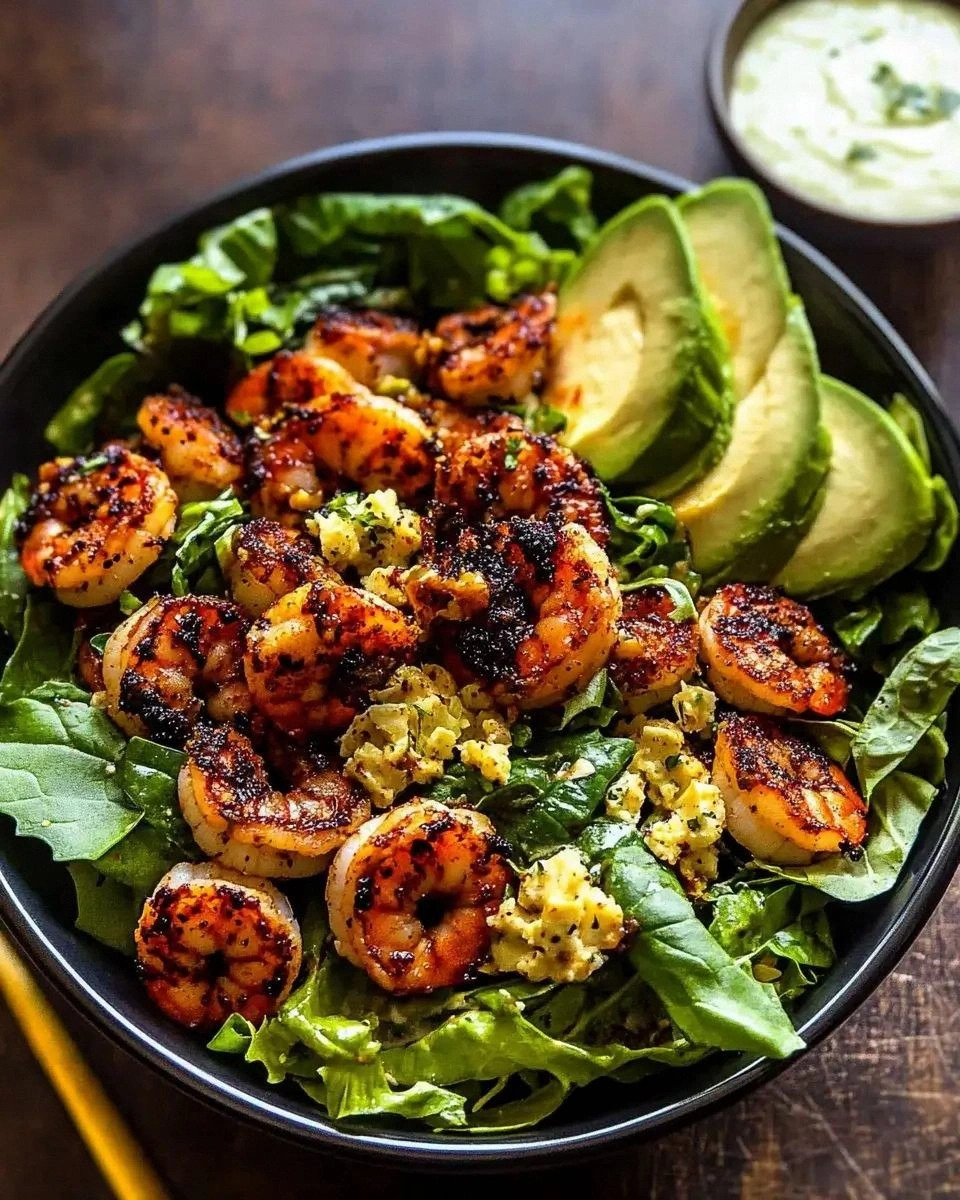
Picture this: I’m standing in my kitchen, a half‑finished pot of pasta simmering on the stove, the clock ticking louder than my confidence, and a sudden craving for something that screams summer while it’s still February. I tossed a handful of romaine into a bowl, grabbed the only shrimp I had left in the freezer, and thought, “What if I give these shrimp a spicy, sweet makeover and toss them into a Caesar salad?” That reckless question turned into a culinary epiphany that has been haunting my taste buds ever since. I dared to combine the smoky, bold notes of blackening seasoning with the unexpected kiss of hot honey, and the result was a dish that practically does a backflip on the palate.
The moment the shrimp hit the pan, a crackling sizzle filled the room, like a tiny fireworks show just for my ears. The aroma was a heady mix of peppery spice, caramelized sweetness, and that familiar, comforting scent of Caesar dressing that always reminds me of late‑night takeout runs. The heat from the blackening seasoning danced with the honey’s floral heat, creating a flavor duet that felt both familiar and wildly adventurous. As the shrimp turned a gorgeous deep mahogany, the edges curled ever so slightly, promising a crispness that would contrast perfectly with the cool, crisp lettuce.
When I finally tossed the shrimp into the salad, the hot honey glazed each piece, giving it a glossy sheen that made the whole bowl look like a work of modern art. The cherry tomatoes burst with juicy sweetness, the Parmesan added a salty bite, and the croutons contributed that satisfying crunch you never want to miss. I took a bite, and—honestly—I ate half the batch before anyone else could even get a fork. I’m willing to bet you’ll do the same, and I dare you to taste this and not go back for seconds. This isn’t just a salad; it’s a bold statement that says you can have the comfort of a classic Caesar with the excitement of a Cajun‑style shrimp fiesta.
What makes this version truly stand out is the secret weapon: hot honey. Most recipes either skip the sweet component entirely or drown the shrimp in a heavy sauce that masks the blackening’s depth. Here, the honey is the bridge, the sweet‑spicy conduit that elevates every bite without overwhelming it. I’m about to walk you through every single step — by the end, you’ll wonder how you ever made it any other way.
What Makes This Version Stand Out
- Flavor Explosion: The marriage of blackening spices and hot honey creates a sweet‑heat balance that hits every taste bud, making each bite unforgettable.
- Texture Symphony: Crispy shrimp edges, crunchy croutons, and buttery lettuce create layers of contrast that keep the mouth busy.
- Simplicity Meets Sophistication: Only ten core ingredients, yet the result feels restaurant‑worthy and impressive.
- Unique Twist: Hot honey isn’t just a garnish; it’s the star that transforms a standard Caesar into a show‑stopper.
- Crowd‑Pleaser Factor: Even the most skeptical eaters admit they’re hooked after the first forkful.
- Ingredient Quality: Fresh, large shrimp and crisp romaine ensure the dish shines without needing fancy add‑ons.
- Cooking Method: Blackening on a hot pan locks in juices while creating that irresistible char.
- Make‑Ahead Friendly: Prep the shrimp and dressing ahead of time; assemble just before serving for zero stress.
Inside the Ingredient List
The Flavor Base
Starting with large shrimp, these gems are the canvas for our bold flavors. Choose shrimp that are at least 1‑inch long; they’ll stay juicy when blackened and won’t dry out. If you’re forced to use smaller shrimp, consider skewer‑ing them to prevent overcooking. The olive oil acts as the medium that helps the blackening seasoning adhere and creates that coveted sear—don’t skimp on it, but also avoid excess, which can make the shrimp soggy.
The Texture Crew
Romaine lettuce provides the sturdy crunch needed to support the heavy shrimp without wilting. Look for heads that feel heavy for their size and have deep green leaves—these are the freshest. The croutons add that satisfying crack that reminds you of a well‑made sandwich; homemade garlic‑toasted cubes are best, but store‑bought works if you’re short on time. Cherry tomatoes bring a pop of acidity and sweetness, balancing the heat from the blackening and honey.
The Unexpected Star
Hot honey is the game‑changer. It’s a blend of raw honey infused with chili flakes, offering a gentle burn that never overwhelms. If you can’t find it pre‑made, simply stir a teaspoon of your favorite chili powder into a tablespoon of honey and let it sit for ten minutes. The blackening seasoning is a mix of paprika, cayenne, garlic powder, and herbs; it’s what gives the shrimp that smoky, “just‑came‑off‑the‑grill” vibe. A dash of garlic powder intensifies the aroma, making the kitchen smell like a Cajun bistro.
The Final Flourish
Caesar dressing ties the whole salad together with its creamy, umami‑rich profile. Opt for a quality store‑bought version or whisk together anchovies, Parmesan, lemon juice, and olive oil for a more authentic taste. Grated Parmesan cheese adds a salty, nutty finish, while a pinch of freshly ground black pepper brightens the dish. Finally, a few lemon wedges provide the citrus spark that cuts through the richness, ensuring each bite feels balanced.
Everything's prepped? Good. Let's get into the real action...
The Method — Step by Step
Start by patting the shrimp dry with paper towels. Moisture is the enemy of a good sear; the drier the shrimp, the better the blackening will adhere. Toss the shrimp in a bowl with the olive oil, making sure each piece is lightly coated. Sprinkle the blackening seasoning and garlic powder over the shrimp, then give them a quick toss to ensure an even coating. This is the moment of truth—if the shrimp look like they’re about to join a spice parade, you’re on the right track.
Heat a cast‑iron skillet over medium‑high heat until it’s almost smoking; you want it hot enough that a drop of water sizzles instantly. Add the seasoned shrimp in a single layer, giving them space to breathe. As soon as they hit the pan, you’ll hear that satisfying sizzle that signals a perfect sear. Cook for about 2 minutes on one side, then flip. The edges should start pulling away from the pan, showing a deep, caramelized crust.
When the shrimp are beautifully blackened, drizzle the hot honey over them. The honey will melt instantly, coating each piece in a glossy, amber glaze. Toss the shrimp gently to ensure every surface gets a kiss of sweetness. The aroma now shifts—sweet, smoky, and a hint of citrus from the honey’s natural notes. Let the shrimp rest for a minute; this allows the glaze to set and prevents it from slipping off when you toss the salad.
While the shrimp rest, assemble the salad base. In a large bowl, combine the romaine lettuce, halved cherry tomatoes, and croutons. Toss lightly with the Caesar dressing, just enough to coat the leaves without drowning them. The dressing should cling to the lettuce like a light veil, not a heavy blanket. Add the grated Parmesan and a generous grind of black pepper, then give the salad one final gentle toss.
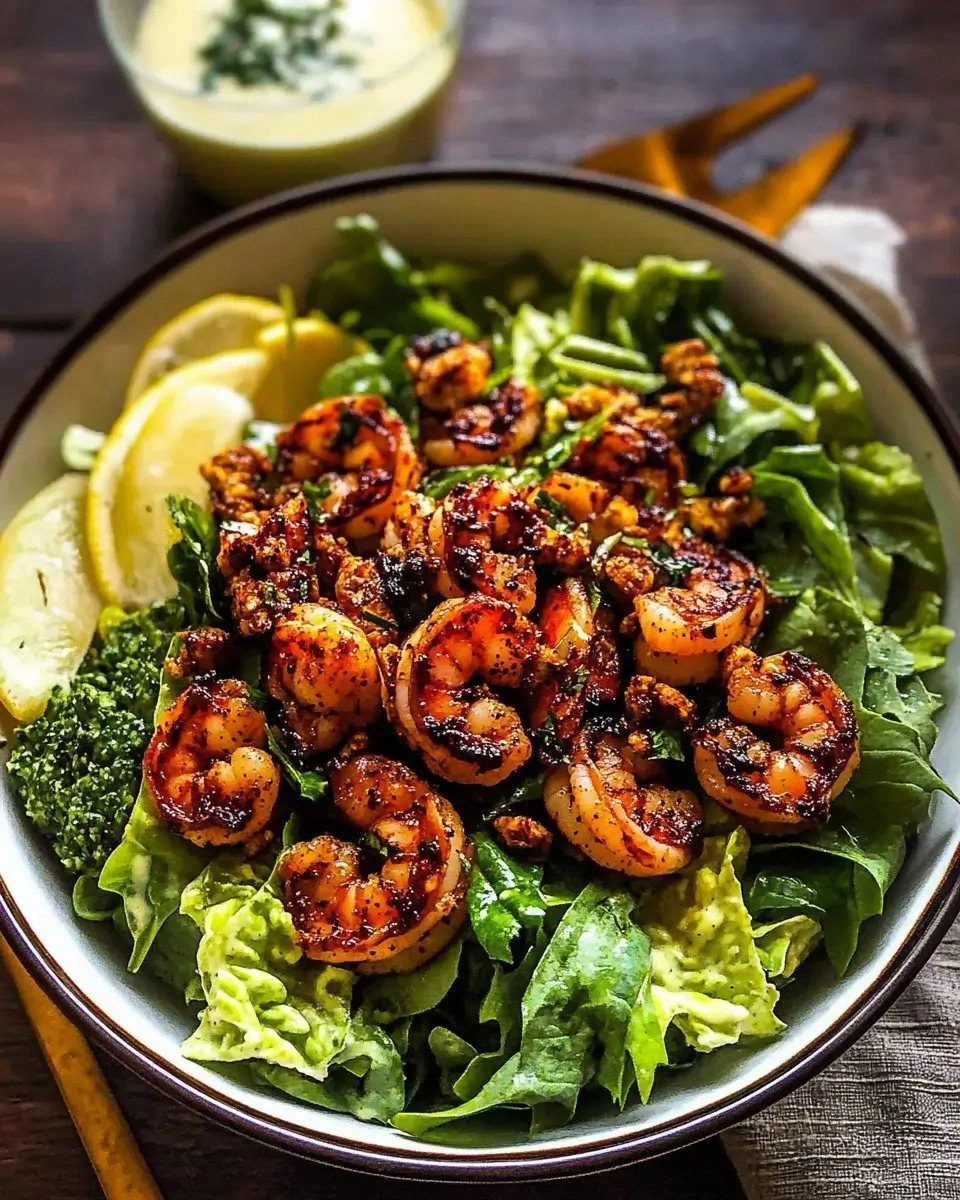
Now the fun part: gently fold the hot honey‑blackened shrimp into the salad. The shrimp should sit on top like jewels, their glossy coating catching the light. If you’re feeling extra confident, add a squeeze of fresh lemon juice at this stage; the acidity will brighten the honey’s heat and balance the richness of the dressing.
Plate the salad on a wide, shallow dish to showcase the colors—emerald lettuce, ruby tomatoes, and the deep mahogany shrimp. Garnish with a few extra lemon wedges on the side for those who love an extra citrus punch. Serve immediately while the shrimp are still warm, because the contrast between hot shrimp and cool lettuce is pure culinary poetry.
Finally, step back and admire your creation. Picture yourself pulling this out of the kitchen, the whole house smelling incredible, guests gathering around the table, and that first bite eliciting a chorus of “Mmm.” This is hands down the best version you’ll ever make at home, and I’m confident you’ll be back for seconds. If you’ve ever struggled with getting shrimp to stay juicy while achieving that perfect char, you’re not alone — and I’ve got the fix right here.
Insider Tricks for Flawless Results
The Temperature Rule Nobody Follows
Most home cooks think “high heat” means “as hot as possible.” In reality, the sweet spot for blackening is medium‑high (around 400°F/200°C). If the pan is too hot, the spices will burn before the shrimp cook through; too low, and you’ll end up with soggy shrimp. Use a kitchen thermometer or the “hand test” (hold your hand an inch above the pan; you should feel intense heat but not pain). This precise control ensures a perfect crust every time.
Why Your Nose Knows Best
Never underestimate the power of smell as a cooking timer. When the shrimp first hit the pan, you’ll notice a sweet, nutty aroma within 30 seconds. As the blackening spices begin to toast, a deeper, almost smoky scent emerges. When the smell shifts to a slightly caramelized note, you’re approaching the perfect finish. Trust your nose more than the clock, and you’ll avoid overcooking.
The 5‑Minute Rest That Changes Everything
After blackening, let the shrimp rest for exactly five minutes. This short pause allows the juices to redistribute, preventing them from spilling out when you toss the salad. It also gives the hot honey glaze a chance to thicken slightly, ensuring it clings to the shrimp instead of sliding off. Skipping this step is a common mistake that leads to a soggy salad.
Friend’s Fiasco: Skipping the Croutons
I once made this salad for a friend who claimed croutons were “unnecessary.” The result? A soggy, limp salad that tasted like a watered‑down Caesar. The lesson? Croutons provide essential texture and a buttery flavor that anchors the dish. If you’re avoiding gluten, opt for gluten‑free bread cubes; the crunch is non‑negotiable.
Finish with Fresh Lemon, Not Bottled
Freshly squeezed lemon juice contains volatile oils that bottled juice lacks. Those oils add a bright, fragrant lift that cuts through the honey’s sweetness. Keep a lemon wedge on the side for each diner; it allows everyone to customize the acidity level to their liking. This simple step transforms a good salad into a great one.
Creative Twists and Variations
This recipe is a playground. Here are some of my favorite ways to switch things up:
Spicy Mango Fusion
Swap the cherry tomatoes for diced ripe mango and add a pinch of smoked paprika to the blackening mix. The mango’s tropical sweetness pairs beautifully with the hot honey, creating a bright, island‑inspired twist that’s perfect for summer picnics.
Greek‑Style Caesar
Replace the Parmesan with feta crumbles, add sliced cucumber, and use a Greek yogurt‑based Caesar dressing. The tangy feta and cucumber bring a Mediterranean freshness that balances the heat of the shrimp.
Asian‑Inspired Kick
Introduce a splash of soy sauce and a drizzle of sesame oil to the hot honey glaze, then sprinkle toasted sesame seeds over the finished salad. The umami depth from soy and the nutty sesame create an unexpected yet harmonious flavor profile.
Vegan Version
Use king‑size oyster mushrooms marinated in the same blackening seasoning and hot honey (or agave‑chili syrup for a vegan sweet). Top a bed of kale and romaine with the “shrimp” and a vegan Caesar dressing for a plant‑based masterpiece.
Tex‑Mex Remix
Add sliced avocado, black beans, and a dollop of chipotle mayo instead of traditional Caesar dressing. The creamy avocado cools the heat, while the chipotle mayo adds a smoky layer that complements the blackened “shrimp.”
Storing and Bringing It Back to Life
Fridge Storage
Store the salad components separately. Keep the shrimp in an airtight container with a thin layer of hot honey glaze at the bottom; this prevents them from drying out. The lettuce, tomatoes, and croutons should be in a separate container, dressed lightly with extra Caesar dressing to avoid sogginess. This method keeps everything fresh for up to 24 hours.
Freezer Friendly
The shrimp freeze exceptionally well. Place the cooled, glazed shrimp on a parchment‑lined tray, freeze until solid, then transfer to a zip‑top bag. They’ll stay good for up to two months. Thaw in the refrigerator overnight and give them a quick re‑heat in a hot skillet before assembling the salad.
Best Reheating Method
When you’re ready to serve leftovers, heat a non‑stick pan over medium heat, add a tiny splash of water (about a teaspoon), and re‑heat the shrimp for 2‑3 minutes, stirring gently. The steam from the water revives the shrimp’s tenderness while preserving the glaze’s shine. Toss the reheated shrimp back into the fresh salad for a “just‑made” experience.