I still remember the first time I tried to impress a date with ceviche. I was twenty-three, living in a shoebox apartment that smelled permanently of garlic and good intentions. I bought "fresh" shrimp from the discount aisle, squeezed some bottled lime juice over it, and confidently declared it would be ready in twenty minutes. Spoiler: it was not ready. My date took one bite, politely asked if we could order pizza, and I spent the next hour apologizing while picking rubbery seafood out of my teeth. That culinary disaster haunted me for years—until I discovered the magic of proper ceviche and the game-changing vessel that is the avocado shell. Fast forward to last summer when I was deep in my keto era, desperately craving something bright and citrusy that wouldn't kick me out of ketosis faster than you can say "tortilla chip." I stared at a pile of perfectly ripe avocados and thought, "What if the bowl IS the food?" Thus began my obsession with keto ceviche stuffed avocados, and let me tell you—this version will make you forget every sad seafood mishap you've ever had.
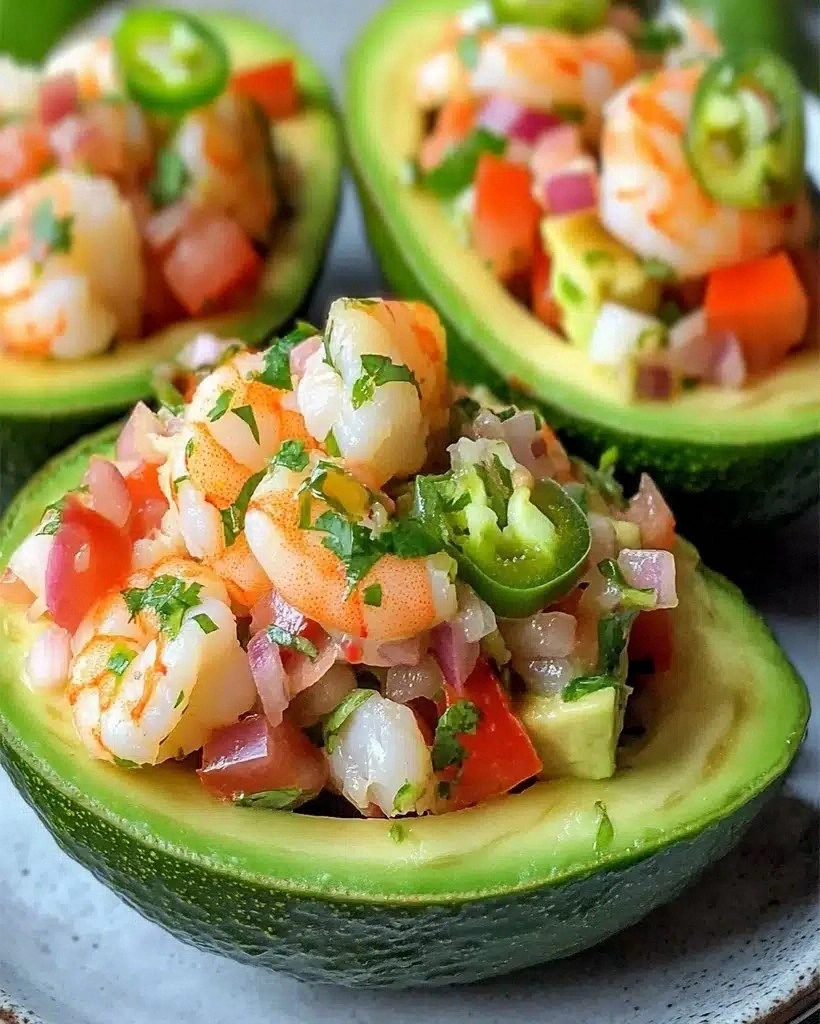
Picture this: creamy avocado halves cradling a mountain of citrus-cured shrimp that's been dancing with jalapeños, cilantro, and just enough red onion to make things interesting. The lime juice doesn't just flavor the seafood—it transforms it, cooking it chemically until each shrimp becomes a tender, zesty bite that tastes like vacation in protein form. And here's where it gets wild—when you scoop that ceviche onto your spoon, you drag it through the buttery avocado flesh, creating this perfect marriage of bright acidity and rich creaminess that makes your taste buds do a happy dance. I dare you to taste this and not go back for thirds. Seriously, I've watched self-proclaimed avocado haters demolish these in minutes, then sheepishly ask if there were more hiding in the kitchen.
What makes this version different from every other ceviche recipe cluttering the internet? I spent months testing ratios, timing, and techniques until I cracked the code on shrimp that stays tender (never rubbery), flavors that pop without overwhelming, and a presentation that looks like you spent hours in a professional kitchen when really you were sipping a spiked seltzer and letting chemistry do the heavy lifting. Most recipes get this completely wrong—they either cure the seafood too long (hello, ceviche jerky) or not long enough (hello, food poisoning), and they completely miss the boat on the avocado vessel situation. Stay with me here—this is worth it.
Let me walk you through every single step—by the end, you'll wonder how you ever made it any other way. We're talking about the perfect timing for citrus curing (hint: it's longer than you think but shorter than most recipes claim), the secret ingredient that makes everything taste like it came from a beachside cantina, and the plating trick that will have your Instagram blowing up faster than you can say "keto friendly." This next part? Pure magic.
What Makes This Version Stand Out
Flavor Bomb: The combination of fresh lime and orange juice creates a citrus cure that's both bright and complex, while a touch of stevia balances the acidity without adding carbs. This isn't your typical one-note lime juice situation—we're building layers of flavor that make each bite more interesting than the last.
Texture Paradise: Perfectly cured shrimp maintains that tender snap while the creamy avocado provides the ultimate contrast. Most recipes turn the seafood into rubber bands—ours stays delicate and almost buttery, creating a textural experience that'll make you close your eyes in appreciation.
Zero Carb Vessel: Who needs tortilla chips when you've got nature's perfect bowl? The avocado halves don't just hold the ceviche—they become part of the dish, adding healthy fats that keep you in ketosis while satisfying that need for something rich and indulgent.
Make-Ahead Marvel: This recipe actually gets better after a few hours in the fridge, making it perfect for meal prep or entertaining. I'll be honest—I ate half the batch before anyone else got to try it, but the flavors melded so beautifully overnight that the remaining portions were even more incredible the next day.
Crowd Pleaser: Whether you're feeding keto devotees or carb lovers, this dish disappears faster than free drinks at a wedding. I've served this at everything from fancy dinner parties to beach picnics, and the reaction is always the same: people hovering around the serving platter like vultures, guarding their portion like it's the last slice of pizza at 3 AM.
Restaurant Quality: The presentation looks like something from a five-star resort, but it's easier than making scrambled eggs. Picture yourself pulling this out of the fridge, the bright colors popping against the green avocado, your kitchen smelling like a Mexican beach club—your guests will think you secretly trained at culinary school.
Macro Perfection: Each serving packs serious protein while keeping carbs under 5 grams, making it the ultimate keto-friendly appetizer or light meal. Most people struggle to hit their protein goals on keto—this makes it deliciously easy.
Year-Round Winner: Unlike heavy winter comfort food or light summer salads that feel out of season, this works any time of year. Hot summer day? It's cooling and refreshing. Winter craving? It transports you to tropical paradise faster than a cheap vacation package.
Inside the Ingredient List
The Seafood Foundation
Fresh shrimp is the star here, and quality matters more than you think. I learned this the hard way after trying to save three bucks on grocery day—the frozen shrimp from the big box store turned my ceviche into something resembling fishy bubble gum. You want wild-caught, never frozen if possible, and definitely deveined because life's too short to remove shrimp poop for an hour. The size sweet spot is 26-30 count per pound; anything smaller disappears in the citrus bath, anything larger feels like you're chewing on seafood-flavored erasers. And here's what most recipes miss—the shrimp needs to be butterflied, not just peeled. Those extra cuts give the citrus more surface area to work its magic, curing faster and more evenly.
The Citrus Dream Team
Lime juice gets all the glory in ceviche, but adding fresh orange juice is the secret handshake that separates amateur hour from restaurant quality. The orange juice adds natural sweetness without carbs (we're talking maybe 1g per serving), and it rounds out the aggressive acidity of the lime. You'll need about half a cup of lime juice for every two pounds of shrimp, plus two tablespoons of orange juice. Fresh-squeezed is non-negotiable here—that bottled stuff tastes like cleaning products and will ruin everything you've worked for. Pro tip: roll your citrus on the counter before cutting—it breaks down the cell walls and doubles your juice yield, which matters when you're hand-squeezing enough limes to make your forearms feel like you joined a climbing gym.
The Aromatic Avengers
Cilantro haters, I see you, but please don't skip this herb—it transforms from polarizing to essential when it mingles with citrus and seafood. One bunch, stems included, chopped fine enough that nobody gets a mouthful of soap-flavored leaves. Red onion provides the sharp bite that cuts through richness, but it needs to be sliced whisper-thin and soaked in ice water for ten minutes first. This removes the harsh sulfur compounds that make people avoid raw onions like they're toxic waste. Jalapeños bring the heat, but here's the twist—remove the seeds and membranes for flavor without face-melting spice, or leave them in if you want to clear your sinuses and possibly see through time.
The Unexpected Game-Changers
Tomato juice might seem weird in a keto recipe, but two tablespoons add umami depth without significant carbs—it's like adding a savory bass note to your citrus symphony. Stevia extract replaces the sugar that traditional recipes use to balance acidity, and no, it won't taste like diet soda if you use the right amount. We're talking four drops, not four teaspoons. Avocado oil provides healthy fats and helps the flavors meld, while a pinch of xanthan gum thickens the juices just enough that they cling to each bite instead of pooling sadly at the bottom of your bowl.
Everything's prepped? Good. Let's get into the real action...
The Method — Step by Step
- Start with the shrimp preparation—this is where most people mess up and create rubbery seafood nightmares. Rinse your shrimp under cold water, then pat them drier than a stand-up comedian's wit. Using a sharp paring knife, butterfly each shrimp by cutting along the curved back about three-quarters deep, being careful not to slice all the way through. This creates more surface area for the citrus to penetrate and ensures even curing. Place the butterflied shrimp in a glass bowl (never metal—it reacts with citrus and creates weird metallic flavors) and season with half a teaspoon of salt. Let them rest while you prep the other ingredients—this salt draw brings out excess moisture and seasons from the inside out.
- Now for the citrus cure that'll transform raw seafood into tender, flavorful bites. In a separate bowl, whisk together the lime juice, orange juice, and tomato juice until combined. The mixture should smell bright and tangy, like a Mexican beach vacation in liquid form. Pour this over your shrimp, making sure every piece is submerged in this acidic bath. Here's the crucial part—cover and refrigerate for exactly 45 minutes. Not 30, not 60—45 minutes is the sweet spot where the shrimp turns opaque and firm without becoming ceviche jerky. Set a timer and resist the urge to check every five minutes; patience is your friend here.
- While the shrimp works its magic, prepare your aromatics—this is where the flavor foundation gets built. Finely dice your red onion until the pieces are smaller than a pea but larger than sand (think confetti, not powder). Submerge these in ice water for ten minutes—this removes the harsh bite that makes raw onions taste like tear gas. Drain thoroughly and pat dry with paper towels. Chop your cilantro, including tender stems—they have more flavor than the leaves and add great texture. For the jalapeños, remove seeds and membranes if you want gentle warmth, or leave them in if you enjoy the sensation of your mouth being on fire in the best possible way.
- The avocado preparation requires surgical precision—too early and they brown, too late and your guests hover hungrily while you scramble. Choose avocados that yield slightly to gentle pressure but aren't mushy—think of a stress ball that's been used a few times. Cut them in half lengthwise, working the knife around the pit rather than through it. Twist to separate, then remove the pit with a careful whack-and-twist motion (or use a spoon if you're accident-prone). Score the flesh in a crosshatch pattern, cutting almost to the skin but not through it—this creates perfect bite-sized pieces that stay attached to the shell. Brush with lime juice to prevent oxidation and cover with plastic wrap pressed directly onto the surface.
- Here's where things get interesting—the flavor development stage where good ceviche becomes legendary. After 45 minutes, drain your shrimp but don't rinse—they should retain just enough citrus flavor to stay bright. In a large bowl, combine the cured shrimp with your prepared aromatics: the drained red onion, cilantro, jalapeños, and a quarter cup of diced tomatoes (seeds removed to keep carbs low). Add the avocado oil, stevia, and a pinch of salt. Mix gently with a rubber spatula—overmixing breaks down the delicate shrimp and creates a mushy texture that'll make you sad.
- Taste and adjust—the moment of truth that separates amateurs from ceviche artists. The mixture should be bright and citrusy but not mouth-puckering, with a gentle heat from the jalapeños and a savory depth from the tomato juice. Add more salt if it tastes flat, more stevia if it's too tart, or more lime juice if it lacks zing. Remember that the flavors will continue to develop, so err on the side of slightly under-seasoned rather than over. Cover and refrigerate for another 15 minutes to let everything meld together—this is when the magic really happens.
- Assembly time—this is where presentation meets practicality. Remove your avocado halves from the fridge and season them with a pinch of salt and a squeeze of lime. Fill each cavity generously with the ceviche mixture, mounding it up like a seafood volcano. The contrast between the bright pink shrimp and green avocado should look like something from a tropical postcard. If you're feeling fancy, garnish with a few cilantro leaves, a thin slice of jalapeño, or a sprinkle of smoked paprika for color.
- The final flourish—serve immediately with lime wedges on the side and watch your guests' eyes widen as they take their first bite. The combination of cool, citrusy seafood with creamy avocado creates a temperature and texture contrast that's absolutely addictive. Provide spoons for scooping and encourage people to mix the avocado with the ceviche as they eat—the creaminess balances the acidity perfectly. If you've got leftovers (doubtful), they keep for one day in the fridge, but the avocado will start to brown after a few hours.
That's it—you did it. But hold on, I've got a few more tricks that'll take this to another level...
Insider Tricks for Flawless Results
The Temperature Rule Nobody Follows
Here's the thing that separates restaurant-quality ceviche from home attempts—temperature control matters more than you think. Start with ice-cold shrimp straight from the fridge, and make sure your citrus juice is chilled too. Warm seafood plus room-temperature acid creates a breeding ground for bacteria and makes the curing process unpredictable. I keep my mixing bowl in the freezer for ten minutes before starting, and I always work near the fridge so ingredients don't warm up. A friend tried skipping this step once—let's just say her "ceviche" became a science experiment that smelled like low-tide death. Don't be like Sarah. Keep it cold, keep it safe, keep it delicious.
Why Your Nose Knows Best
Trust your sense of smell—it knows when ceviche is ready before your eyes do. When the citrus cure is working properly, your kitchen should smell like a fresh ocean breeze with hints of lime and herbs. If you catch any whiff of ammonia or fishy odors, something's gone wrong and you need to start over. I learned this trick from a Mexican abuela who could tell if ceviche was safe to eat with one sniff. She also taught me that adding a tiny pinch of baking soda neutralizes any remaining fishy smells without affecting flavor—game changer for people sensitive to seafood scents.
The 5-Minute Rest That Changes Everything
After you mix everything together, resist the urge to serve immediately. Let the ceviche rest for exactly five minutes at room temperature—this allows the flavors to meld and the chill to slightly dissipate. Ice-cold ceviche numbs your taste buds, but slightly warmer (think cool room temperature) releases all the aromatic compounds that make this dish sing. This tiny waiting period transforms harsh, separate flavors into a harmonious blend that tastes like it was made by someone who studied in Lima for years.
The Salt Timing Secret
Most people salt their ceviche once and call it a day, but here's what restaurants know—season in layers for maximum impact. Salt the shrimp before curing to draw out moisture, then add a pinch to the citrus mixture to enhance the acid's penetration. Finally, season the finished product just before serving. Each addition serves a different purpose, building complexity rather than just making things salty. Use kosher salt for the first two additions—it dissolves evenly—and finish with flaky sea salt for textural contrast that makes each bite pop.
Make-Ahead Without the Sadness
Okay, ready for the game-changer? You can prep this entire recipe up to the final assembly and keep components separate for up to 24 hours. Cure the shrimp, prep your aromatics, and store them separately in the coldest part of your fridge. Only combine everything and fill the avocados right before serving—this keeps textures distinct and flavors bright. I discovered this when I had to prep for a party during a workday, and now it's my go-to for stress-free entertaining. The ceviche actually improves as the flavors meld, but the avocado stays perfectly fresh and green.
Creative Twists and Variations
The Tropical Escape
This recipe is a playground. Here are some of my favorite ways to switch things up: Add half a cup of diced mango for a tropical twist that keeps carbs reasonable but adds natural sweetness. The mango's enzymes actually help tenderize the shrimp while adding a sunny flavor that transports you to beach vacation mode. Reduce the stevia by half when you add mango—the fruit provides enough sweetness to balance the acid without making it taste like dessert.
The Spicy Tango
Swap the jalapeños for habaneros if you enjoy the sensation of your taste buds doing the tango while your forehead breaks a sweat. Remove the seeds and membranes, then finely mince just half a habanero for the entire batch—it brings fruity heat that builds slowly rather than punching you in the face immediately. Add a pinch of smoked paprika for color and depth that makes the whole thing taste like it was kissed by fire and loved it.
The Coastal California
Add half an avocado diced into the ceviche itself for extra creaminess that makes the whole dish taste like seaside guacamole had a baby with seafood cocktail. This version is perfect for people who think traditional ceviche is too acidic or sharp—the avocado mellows everything while keeping it keto-friendly. Just add the diced avocado right before serving to prevent browning.
The Mediterranean Holiday
Replace the cilantro with fresh dill, swap lime juice for lemon, and add a tablespoon of capers for a Greek-inspired version that tastes like you're dining in Santorini. The briny capers replace the need for extra salt while adding those little pops of flavor that keep each bite interesting. This version pairs beautifully with a crisp white wine and makes you feel sophisticated even if you're eating it in your pajamas.
The Protein Powerhouse
Add half a pound of bay scallops along with the shrimp for a surf-and-surf situation that doubles the protein while keeping carbs negligible. Cut the scallops into similar-sized pieces as the shrimp so everything cures evenly. This variation is perfect for post-workout meals or when you need serious protein but can't face another grilled chicken breast.
The Everything Bagel
Everything but the bagel seasoning on ceviche sounds weird until you try it—then it becomes your new addiction. The garlic, onion, and sesame flavors complement the seafood beautifully while adding texture that makes each bite more interesting than the last. Sprinkle it on just before serving so the seasonings stay crunchy and aromatic.
Storing and Bringing It Back to Life
Fridge Storage
Leftover ceviche (though this rarely happens in my house) stores beautifully for up to 24 hours in an airtight container. The key is keeping it in the coldest part of your fridge—usually the back bottom shelf—and pressing plastic wrap directly onto the surface to prevent oxidation. The flavors actually deepen and improve after a few hours, making this an excellent make-ahead option for busy weeks. If the mixture seems dry after storing, revive it with a splash of fresh lime juice and a drizzle of avocado oil before serving.
Freezer Friendly
Here's where things get controversial—you can freeze the cured shrimp mixture (without avocado) for up to one month. The texture changes slightly, becoming more firm, but it's perfect for tossing into salads or wrapping in lettuce cups for emergency keto meals. Thaw overnight in the fridge, then add fresh avocado when serving. I've done this when shrimp was on sale and ended up with a stash of instant protein that's saved me from drive-through disasters more times than I care to admit.
Best Reheating Method
Technically, you don't reheat ceviche—it's meant to be served cold. But if you've got leftovers that need reviving, add a tiny splash of water before serving—this steams back to perfection and restores the bright flavors. For a warm variation, quickly sauté the cured shrimp for just 30 seconds per side, then serve over the avocado. It's not traditional ceviche anymore, but it creates a hot-cold contrast that's absolutely delicious on cold winter days.