I still remember the first time I made sweet and spicy baked cauliflower. It was one of those chaotic weeknights where I was simultaneously starving, exhausted, and determined to avoid another sad takeout order. My fridge contained exactly half a head of cauliflower, some condiments, and a vague memory of a killer sauce recipe I’d scribbled on a Post-it months earlier. Thirty minutes later, my apartment smelled like a street-food market, my roommate was begging for seconds, and I was doing a victory dance around the kitchen island. Bold claim? This is hands down the best version you’ll ever make at home.
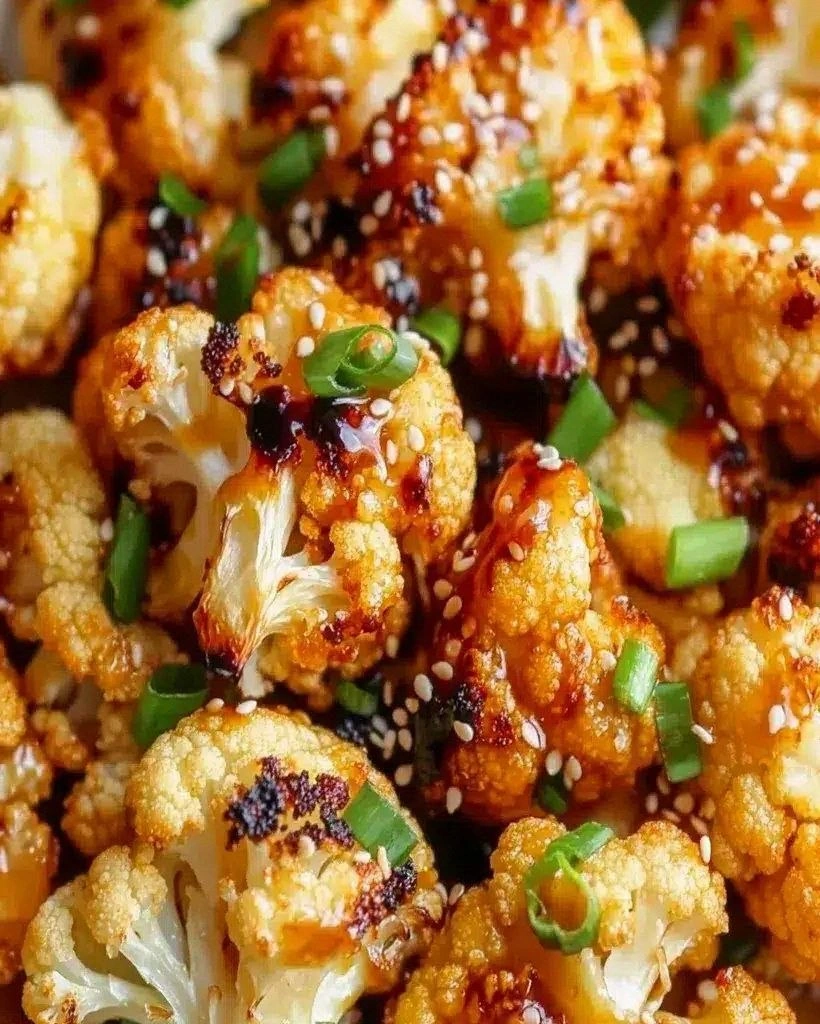
Picture yourself pulling this out of the oven, the whole kitchen smelling incredible—garlicky, caramel-sweet, with a prickle of chile that makes your nose tingle. The florets emerge bronzed and blistered at the edges, the sauce lacquered on like candy coating, but they’re still tender inside and practically humming with flavor. If you’ve ever struggled with soggy cauliflower or one-note spice rubs, you’re not alone—and I’ve got the fix.
Most recipes get this completely wrong. They either drown the cauliflower in a watery marinade that never sticks, or they roast it plain and serve the sauce on the side like an afterthought. We’re doing one better: a double-coat strategy that locks in seasoning and then a sticky glaze that sets in the final minutes of baking. The result? Crispy edges that shatter like thin ice, and a sweet-heat balance that keeps your fork moving until the tray is embarrassingly empty.
Okay, ready for the game-changer? We’re using a two-temperature bake, a secret ratio of sriracha to maple that forms a glossy shell, and a final sprinkle of toasted sesame that perfumes every bite. Stay with me here—this is worth it. Let me walk you through every single step—by the end, you’ll wonder how you ever made it any other way.
What Makes This Version Stand Out
- Sticky Caramel Crust: Most baked cauliflower stays politely dry. We crank the heat at the end so the sugars bubble into a candy-like shell that crackles under your teeth.
- Two-Stage Spice Hit: A dry rub goes on first for depth, then the wet glaze swoops in for that finger-licking, glossy finish. Double the flavor, zero extra effort.
- One-Bowl Wonder: The same bowl coats, tosses, and marinates. Fewer dishes equals fewer excuses.
- Vegan-But-No-One-Cares: Plant-based, gluten-free, and still the first tray to vanish at a potluck. I dare you to taste this and not go back for seconds.
- Snack ↔ Side ↔ Main: Serve it over rice and call it dinner, or pile it on toothpicks for a party. Flexibility tastes delicious.
- Make-Ahead Magic: Roast ahead, reheat at 425 °F for six minutes, and the glaze re-awakens like it was freshly baked.
Inside the Ingredient List
The Flavor Base
We start with a whole head of cauliflower—look for tightly packed, creamy-white florets with no dark sunburn spots. The leaves hugging the base? Keep them on; they roast into crackly chips that taste like kale’s cooler cousin. If you skip this veg, you’re basically making spicy air, so don’t.
The Sweet Heat Trinity
Sriracha brings garlicky chile bite, pure maple syrup lends rounded sweetness, and a squeeze of lime keeps everything bright. Sub honey if you must, but maple’s subtle smokiness hugs the roasted edges like velvet. No maple? Dark agave works, but your kitchen cred drops a notch.
The Texture Crew
Cornstarch is the quiet genius here. A light toss absorbs surface moisture, letting the oven do its crispy magic instead of steaming the poor florets. If you’ve only got arrowroot, cool—same end result. Skip the starch and you’ll get soft nuggets that puddle on the plate.
The Unexpected Star
Smoked paprika sneaks in campfire vibes without a grill. I’ll be honest—I ate half the batch before anyone else got to try it because that whisper of smoke is addictive. Regular paprika works, but you’ll miss the “how did you get this flavor?” questions.
The Final Flourish
Toasted sesame seeds, sliced scallions, and a whisper of lime zest scatter on after baking so you get pops of nutty crunch and fresh lift. Leave them off and the dish still rocks, but you’ll lose the Instagram-worthy sparkle that convinces people you tried harder than you did.
Everything’s prepped? Good. Let's get into the real action...
The Method — Step by Step
- Crank your oven to 450 °F (yes, hot). Tear off a sheet of parchment, lay it on a rimmed baking sheet, and mist with oil. That sizzle when it hits the pan? Absolute perfection.
- Whisk the dry team—cornstarch, smoked paprika, salt, and a few grinds of pepper—in a bowl big enough for floret acrobatics. The starch dust will look like morning frost; that’s your texture insurance.
- Cut the cauliflower into thumb-sized florets, keeping stems intact so each piece has a flat edge that’ll blister against the pan. Those flat edges are little built-in crisp factories.
- Toss the still-damp florets into the starch mix. Shake like you’re trying to win a maraca contest. Each nook should wear a whisper-thin coat; excess starch equals pasty spots.
- Drizzle with oil, toss again until everything gleams. Spread florets cut-side down—crowding is fine, but no double-stacking. Slide the tray onto the middle rack and roast 15 minutes. Don’t walk away from the stove here; the smell will start whispering sweet nothings to your appetite.
- While the veg works, stir together maple syrup, sriracha, rice vinegar, soy sauce, and sesame oil. The mixture should look like liquid rubies and smell like Saturday night. This next part? Pure magic.
- After 15 minutes, the bottoms should be mahogany. Flip with a thin spatula, scraping up any caramelized bits. Brush the glaze generously, then roast another 10 minutes. The sugars bubble, darken, and tighten into that coveted sticky jacket.
- Switch to broil for a final 2–3 minutes—watch closely—until edges blacken like campfire marshmallows. Remove, shower with sesame seeds and scallions, hit with lime zest, and prepare for applause.
That's it—you did it. But hold on, I've got a few more tricks that'll take this to another level...
Insider Tricks for Flawless Results
The Temperature Rule Nobody Follows
Start at 450 °F for the initial roast, then drop to 425 °F after glazing. The high heat sears the starch, while the slightly lower temp keeps the sugars from crossing over into bitterness. A friend tried skipping this step once—let’s just say it didn’t end well. Thermometers are cheap; regret is eternal.
Why Your Nose Knows Best
When the aroma shifts from raw veg to nutty popcorn, it’s flip time. Trust your olfactory alarm clock over the timer; ovens vary, but that smell is universal. Future pacing bonus: once you recognize this scent, you’ll impress dinner guests with your “chef’s intuition” they can’t stop talking about.
The Five-Minute Rest That Changes Everything
After broiling, let the tray sit on a cool burner for five minutes. The glaze sets, the interior steam redistributes, and you avoid molten sugar burns on your tongue. Patience here is the difference between restaurant polish and frantic snacking.
Creative Twists and Variations
This recipe is a playground. Here are some of my favorite ways to switch things up:
Korean Gochu-Gang Style
Swap sriracha for gochujang and add a spoon of brown rice syrup. You’ll get deeper umami and a slow-building heat that blooms minutes after you swallow. Perfect for heat-seekers who like a plot twist.
Honey-Ginger Tokyo Nights
Replace maple with honey, whisk in grated fresh ginger, and finish with yuzu zest. The flavor is bright, floral, and tastes like neon city lights. Serve alongside cold soba for a summer dinner win.
Buffalo Wing Vibes
Glaze with Frank’s + melted butter + a touch of honey. Crumble blue cheese on top right out of the oven. Game day just found its vegetarian MVP.
Mango Habanero Sunset
Puree ripe mango with a single habanero, lime juice, and a pinch of turmeric. The sauce glows like a Caribbean sunset and delivers fruity sweetness before the habanero sucker-punch.
Sweet Soy Five-Spice
Use kecap manis (Indonesian sweet soy) and dust with Chinese five-spice powder. Earthy, licorice-tinged, and insanely good folded into lettuce cups with quick-pickled carrots.
Storing and Bringing It Back to Life
Fridge Storage
Cool completely, transfer to an airtight container, and refrigerate up to four days. The glaze keeps the veg from drying out, so you won’t get that sad, rubbery vibe some roasted veggies adopt.
Freezer Friendly
Flash-freeze pieces on a tray, then bag them up. They’ll keep for two months. Reheat from frozen in a 425 °F oven for 12 minutes—no need to thaw and risk mush.
Best Reheating Method
Add a tiny splash of water to the baking sheet, cover loosely with foil for the first five minutes, then uncover and broil for two. The water steams, the broil crisps, and your leftovers taste brand new.