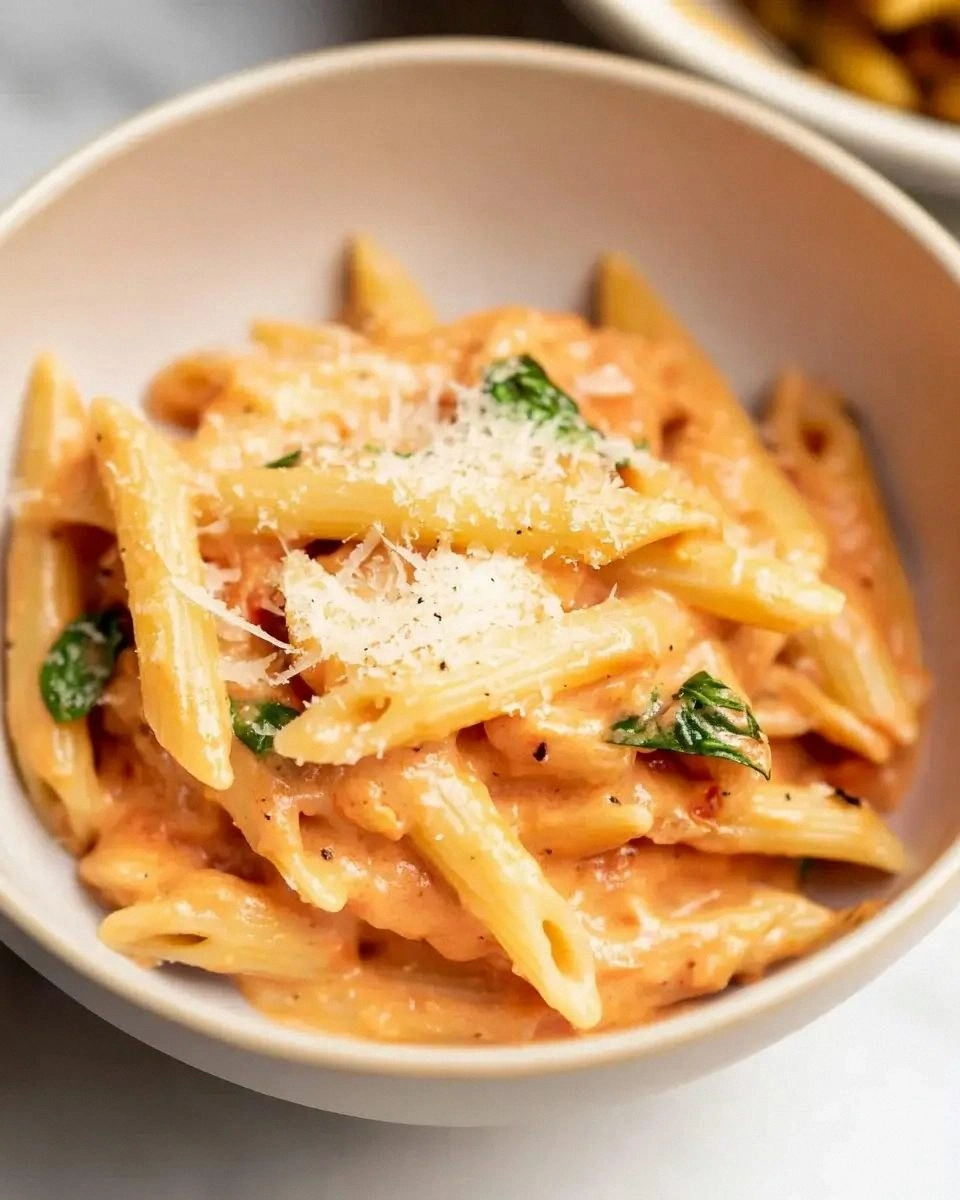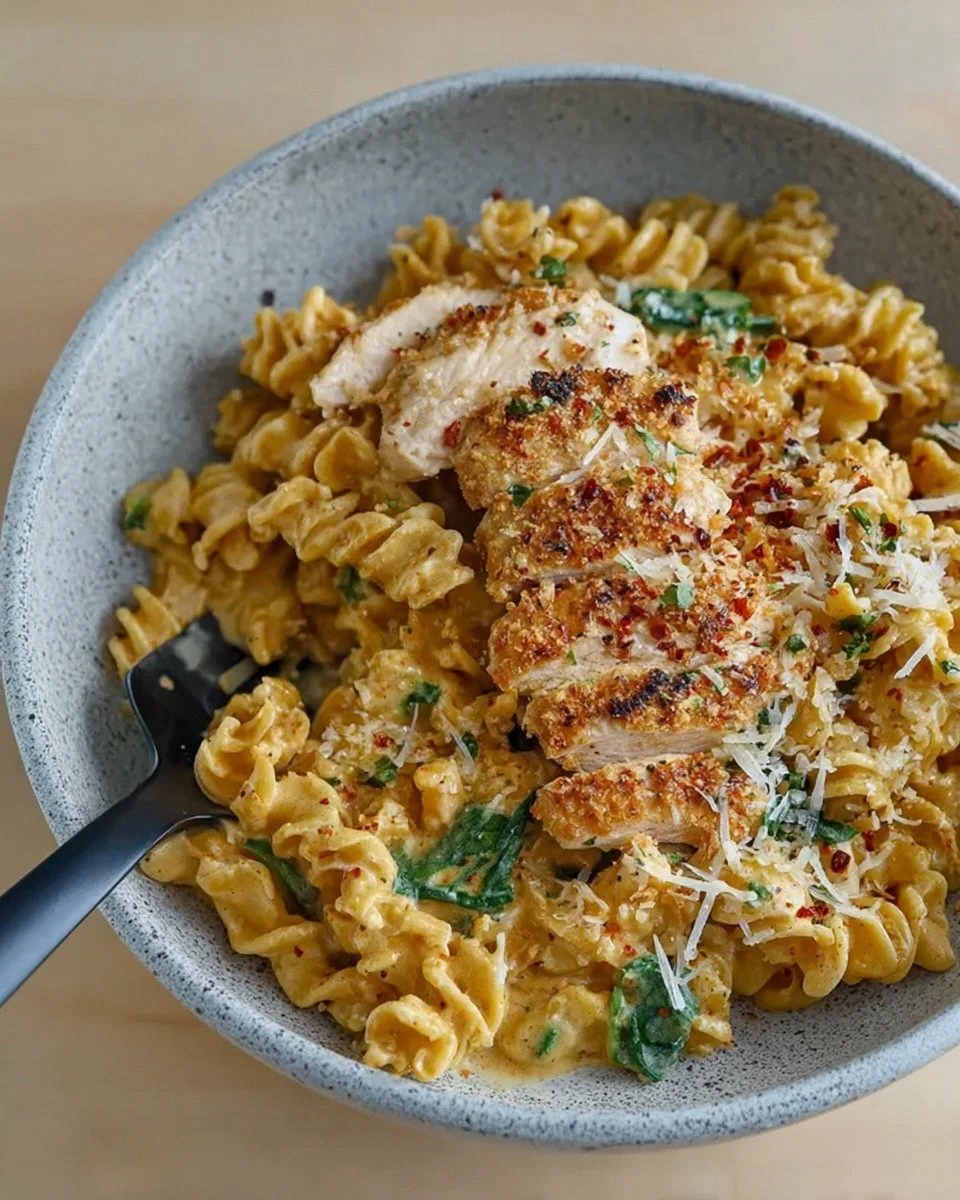
I burned dinner three times last week trying to chase the memory of a plate I tasted in a tiny trattoria outside Florence: wide ribbons of pasta sliding through a sauce so silky it could have been lingerie, speckled with real Parmigiano so aged it smelled like caramel and hay, and chicken that tasted as if it had been kissed by both fire and cream. Every failed attempt left me with scorched pans, a sink full of dishes, and a husband who started ordering pizza “just in case.” Then, on the fourth try, the sauce suddenly emulsified, the chicken released its juices at exactly the right moment, and the whole kitchen smelled like a romantic comedy set in Tuscany. I stood over the pot, wooden spoon in hand, and whispered the kind of gratitude usually reserved for tax refunds or cancelled Monday-morning meetings.
Here is the crazy part: the breakthrough wasn’t some obscure Italian ingredient or a $200 copper pan. It was a dead-simple sequence of temperatures, timing, and a daredevil splash of pasta water that felt almost too casual—like throwing your car keys into the ocean and watching them float back perfectly polished. If you’ve ever tried making creamy chicken pasta at home only to land in a gloopy, broken swamp of dairy and despair, you and I are already best friends. I have been in that swamp, wearing mismatched socks and muttering words my nonna would not endorse. Today we are leaving the swamp forever.
Picture yourself at the stove thirty-five minutes from now: the chicken searing with a hiss that sounds like applause, garlic softening until it’s practically melting, and cream reducing so slowly you can almost hear the fat molecules singing. The scent wraps around your wrists while you grate Parmesan so fresh it squeaks against the microplane. One bite and you will understand why my neighbor barged in “just to borrow aluminum foil” and left two hours later with sauce on his shirt and a dazed grin. I dare you to taste this and not go back for seconds—actually, thirds.
Stay with me here—this is worth it. Let me walk you through every single step—by the end, you’ll wonder how you ever made it any other way.
What Makes This Version Stand Out
Velvet-Smooth Emulsion: Instead of dumping cold cream onto hot chicken and praying, we build a glossy liaison that clings to every noodle like expensive velvet drapes. No broken puddles of fat, no grainy cheese curds—just pure, liquid gold that stays stable even when you reheat leftovers. Your future self, standing in front of the microwave at midnight, will thank me.
Double-Layer Chicken Flavor: We sear first for those crackly, caramelized edges, then let the meat finish poaching gently in the very sauce it will bathe in. That means every forkful tastes like chicken two ways: roasted and stewed simultaneously. Most recipes dry the poultry out or leave it bland; we get both depth and juiciness.
One-Pan Laziness: Everything—protein, pasta, sauce—happens in a single heavy pot. Fewer dishes equals more Netflix, or more time to hunt for the remote that somehow lives between couch cushions. If you’ve ever stared at a sink tower of greasy pans at 9 p.m., you understand why this matters more than world peace.
Real Parm, Real Punch: Skip the sandy stuff in the green can. We’re using a hunk you’ll grate yourself, so the cheese melts into whisper-thin threads that taste like toasted walnuts and caramel. Yes, it costs more. Yes, you will eat half the batch before anyone else gets to try it, so factor that into your grocery math.
Pasta Water Alchemy: That cloudy, starchy liquid is liquid gold. We add it in two strategic hits: first to deglaze the chicken bits, then to tighten the sauce just enough so it naps the noodles without turning into soup. Most home cooks pour it down the drain; we treat it like vintage champagne.
Make-Ahead Hero: The sauce base keeps four days refrigerated and freezes like a dream. On Wednesday night you can boil pasta, reheat, and look like a culinary rock star while everyone else is microwaving frozen burritos. Future pacing: picture yourself doing exactly that and still getting to bed before midnight.
Alright, let’s break down exactly what goes into this masterpiece...
Inside the Ingredient List
The Flavor Base
Chicken thighs, not breasts—trust me on this. Thighs forgive an extra minute of heat and bring their own built-in butteriness that breasts can only dream about. Trim off the floppy fat, but leave the skin on if you can find bone-in; the rendered skin fat is culinary liquid gold. Slice the meat into generous bite-sized chunks so it feels chunky and luxurious rather than tiny and lost. If you absolutely must use white meat, brine it for fifteen minutes in salty water with a squeeze of lemon so it doesn’t taste like disappointment.
Garlic gets smashed with the flat of a knife, skins slipping off like silk stockings. Minced too fine it burns; left in giant slices it overwhelms one lucky diner. Aim for thin slivers that dissolve into the background chorus of flavor. Fresh garlic beats the jarred stuff the same way live music beats elevator tunes—there is simply no contest.
Shallot provides the sweet middle note between onion and garlic; it melts faster and tastes gentler, keeping the sauce refined. Dice it so tiny that nobody picks up a noticeable cube yet everybody feels the warmth. If you only have onion, run it under cold water after chopping to tame the sulfur punch.
The Texture Crew
Heavy cream, 35 % fat minimum. Anything lighter risks breaking into cottage-cheese sadness once it hits heat. Let it come to room temp while the chicken sears; temperature shock is the number-one reason sauces split faster than high-school couples. You don’t need a quart—just enough to coat the back of a spoon luxuriously.
Pasta shape matters more than your horoscope. I’m partial to tagliatelle: those wide ribbons grab sauce like they were born for this moment. Pappardelle or fettuccine work too; just avoid puny shapes that let the sauce slide off like a bad Tinder date. Cook it shy of al dente because it will finish in the cream and absorb flavor like a sponge.
Butter does double duty here: first to brown the chicken, then to mount the sauce for extra gloss. Use unsalted so you control the seasoning. European-style butter has slightly higher fat and lower water, giving you silkier results, but any honest butter beats margarine’s fake tan flavor.
The Unexpected Star
Nutmeg—just a whisper. Freshly grated, it disappears into the background yet somehow makes the cheese taste nuttier and the cream taste sweeter. It’s the olfactory equivalent of candlelight: you can’t quite describe why the mood improved, but everyone feels it. Skip the pre-ground jar; it smells like sawdust and regret.
A squeeze of lemon at the very end is the high note that keeps the dish from belly-flopping into heaviness. Acidity tightens the sauce and makes the Parmesan pop, like turning up the contrast on a photo. Zest a whisper of the peel if you want bonus points; the oils add floral perfume.
The Final Flourish
Parmigiano-Reggiano aged twenty-four months minimum. Look for the dotted stamp on the rind; impostors will taste like salty chalk. Grate it fine so it melts instantly, but save a few shards to scatter on top for texture contrast. The rind can be simmered in the sauce and fished out later, gifting extra glutamate umami without anyone knowing your secret.
Flat-leaf parsley, not the curly kind that belongs in 1970s garnish prison. Chop it just before serving so the chlorophyll stays bright and the aroma stays perky. It’s the green confetti that convinces your brain to take another bite even when your stomach files a protest.
Everything’s prepped? Good. Let’s get into the real action...
The Method — Step by Step
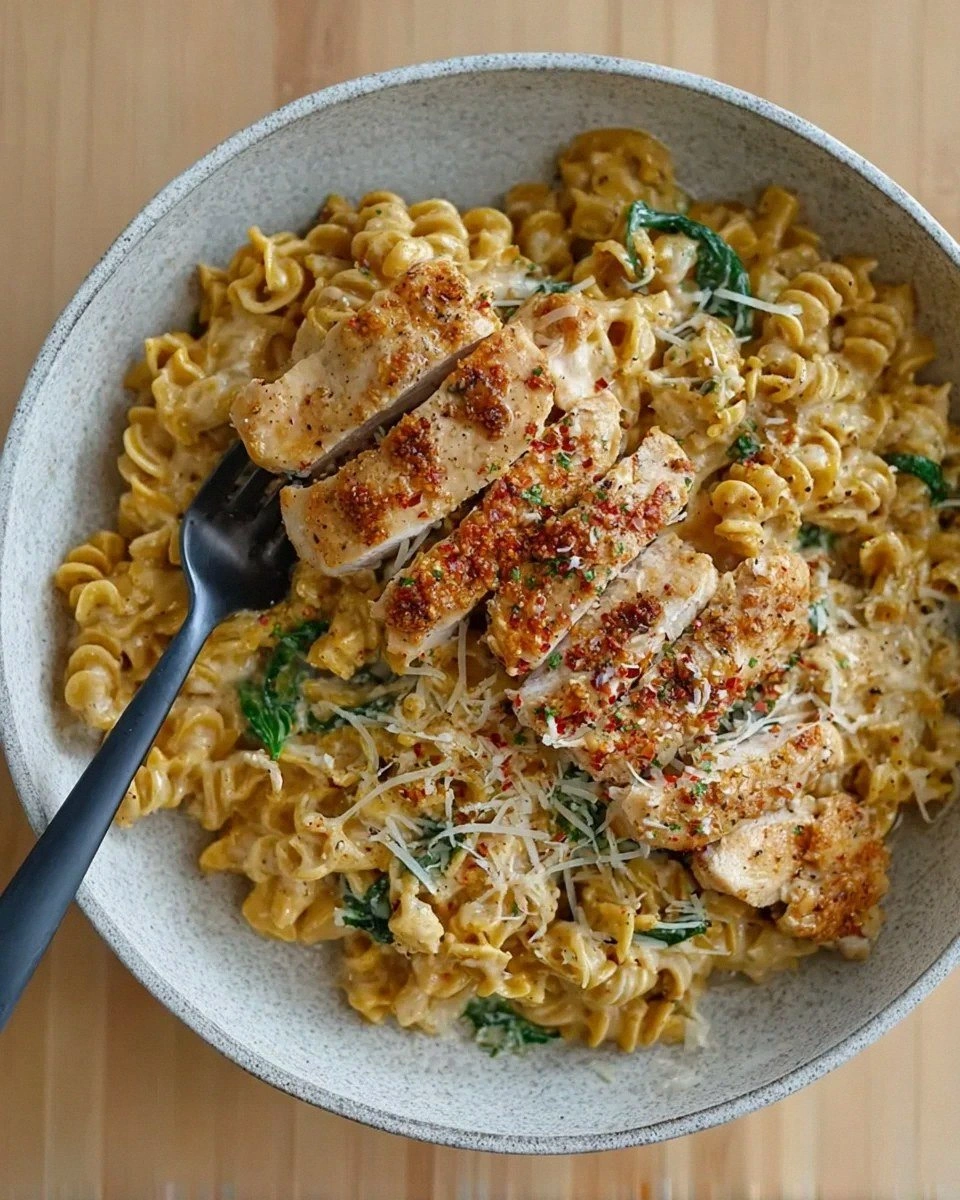
- Pat the chicken very dry with paper towels—moisture is the arch-enemy of the Maillard reaction. Season aggressively with kosher salt, cracked black pepper, and a sneaky pinch of smoked paprika for bass-note complexity. Heat a wide heavy pot over medium-high until a drop of water skitters like a disco dancer, then add just enough oil to film the bottom. Lay the chicken in confident rows, resisting the urge to crowd; if you hear a polite sizzle instead of an assertive hiss, the pan isn’t hot enough. Let it sit undisturbed for three full minutes—this is when the crust forms. If you’ve ever struggled with gray, flabby meat, you’re not alone, and I’ve got the fix: leave it alone.
- Flip when the edges turn golden and the meat releases willingly. Brown side two for another two minutes, then transfer to a warm plate; the centers should still be faintly pink because they’ll finish in the sauce later. Notice those sticky brown bits? That’s concentrated chicken gold. Drop the heat to medium and add a nub of butter plus the shallots, scraping with a wooden spoon until the bottom of the pot looks like a caramel mosaic. Your kitchen should smell like Thanksgiving and French onion soup had a beautiful baby.
- Stir in garlic and cook just until fragrant—about forty-five seconds. If the garlic browns, it turns bitter faster than a breakup text. Quickly splash in half a cup of the starchy pasta water; it will hiss and boil like a tiny geyser while dissolving the flavorful crust into a built-in stock. The liquid should reduce by half, turning glossy and the color of iced tea. This next part? Pure magic.
- Reduce heat to low and pour in the room-temperature cream in a slow spiral. Stir constantly with a whisk or silicone spatula, coaxing the caramelized fond into the sauce. Add nutmeg, a pinch of salt, and a few grinds of white pepper. Keep the mixture below a simmer; think of it as a hot tub rather than a jacuzzi. If you’ve ever curdled cream by overheating, you know why gentle is the name of the game.
- Meanwhile, cook the pasta in well-salted water until just shy of al dente—about two minutes less than package directions. Reserve an extra cup of pasta water before draining; it’s liquid insurance. Add the partially cooked noodles directly into the sauce, followed by the chicken and any resting juices. Toss with tongs, adding pasta water a few tablespoons at a time until the sauce coats but doesn’t puddle. The noodles will finish cooking and absorb cream like hungry little straws.
- Sprinkle in the grated Parmesan gradually, not all at once, while tossing. Each handful should melt before the next joins the party; this prevents clumping and ensures a seamless emulsion. Taste and adjust salt—you’ll need more than you think because potatoes and pasta dull seasoning. Add a quick squeeze of lemon, toss again, and watch the whole thing tighten into a glossy tangle that smells like heaven wrapped in a cashmere blanket.
- Turn off the heat and let the pot rest for five minutes; the sauce will thicken slightly as it cools. Scatter fresh parsley and a final snowfall of cheese shards. Serve directly from the pot into warmed bowls, because nobody wants lukewarm pasta. That sizzle when it hits the pan? Absolute perfection. If you time this right, your guests will walk in exactly as you’re plating, and you’ll look like a culinary Jedi with almost no effort.
That’s it—you did it. But hold on, I’ve got a few more tricks that’ll take this to another level...
Insider Tricks for Flawless Results
The Temperature Rule Nobody Follows
Keep everything north of 140 °F but south of 180 °F once the cream joins the party. Use an instant-read thermometer the first few times until you can eyeball it; the window is narrow but forgiving if you stir often. A friend tried skipping this step once—let’s just say it didn’t end well, and her sauce looked like scrambled eggs wearing a cheese sweater.
Why Your Nose Knows Best
When the garlic smells sweet rather than sharp, it’s ready for the next step. When the Parmesan smells like toasted hazelnuts, stop adding more. Your olfactory system is a better gauge than the clock, because garlic size and stove BTUs vary wildly. Trust the sniff test; it’s been refined over centuries by nonnas who never owned timers.
The 5-Minute Rest That Changes Everything
Letting the finished pot sit off-heat for five minutes allows starches to fully hydrate and the sauce to tighten naturally. Resist the urge to serve instantly; patience turns good into unforgettable. Cover with a lid slightly ajar so steam escapes and the top doesn’t skin over.
Cheese Storage Secret
Wrap Parmesan in parchment paper first, then foil, and stash it in the crisper drawer. Plastic wrap traps moisture and invites mold; parchment lets the cheese breathe while foil blocks strong odors. A properly stored wedge will last months, getting drier and more intense—perfect for grating into this sauce.
Lemon Timing Precision
Add citrus only after the pot is off the heat. High temperatures turn lemon juice harsh and metallic, like cheap cologne. A gentle squeeze at the end brightens without curdling dairy, keeping the sauce smooth and fragrant.
Creative Twists and Variations
This recipe is a playground. Here are some of my favorite ways to switch things up:
Sun-Dried Tomato & Spinach Medley
Stir in a handful of julienned oil-packed sun-dried tomatoes and baby spinach during the final toss. The tomatoes add tangy sweetness and ruby flecks, while spinach wilts into silky ribbons. Perfect for people who want vegetables but refuse to eat salad.
Smoky Bacon Ranch Edition
Replace half the butter with rendered bacon fat and toss in crumbled crispy bacon at the end. Add a pinch of dried dill and a whisper of garlic powder for stealth ranch vibes. Kids will lick the bowl, and adults will pretend they’re too sophisticated for ranch while secretly asking for seconds.
Mushroom & Thief Forest
Sauté sliced cremini mushrooms in the chicken fat before building the sauce; they soak up flavor like edible sponges. Finish with fresh thyme leaves and a dash of soy sauce for deep umami. Vegetarian friends can skip the chicken and still feel indulged.
Spicy Calabrian Chili Fire
Finely chop two Calabrian chilies packed in oil and bloom them in the butter along with the garlic. The gentle heat builds slowly, warming the back of your throat without obliterating the cream. Serve with chilled white wine and a fan for dramatic effect.
Spring Green Zing
Add blanched asparagus tips and fresh peas during the final minute, plus a chiffonade of mint. The colors stay vivid and the flavors feel lighter, perfect for May evenings when you want comfort but not a food coma.
Seafood Luxe
Omit chicken and instead sear scallops or shrimp in the same pot, then proceed as written. The sweet crustacean liquor mingles with cream, tasting like ocean-kissed velvet. Finish with a drizzle of good extra-virgin olive oil for peppery perfume.
Storing and Bringing It Back to Life
Fridge Storage
Cool leftovers to room temp within two hours, then transfer to an airtight glass container. The sauce will thicken into a luscious blanket overnight; pasta continues to drink cream like a thirsty student. It keeps up to four days, though it rarely lasts that long in my house because I raid it at 1 a.m. with a fork and zero shame.
Freezer Friendly
Freeze portions in silicone bags laid flat; they thaw quickly under warm tap water. The cream may separate slightly, but a gentle reheat with a splash of milk while stirring revives the emulsion. Label with the date—future you has the memory of a goldfish and will appreciate the reminder.
Best Reheating Method
Add a tiny splash of water before reheating—it steams back to perfection without drying out. Use a non-stick pan over medium-low, stirring often, until the sauce loosens and glistens. Microwaves work in a pinch; cover loosely and heat at 70 % power in thirty-second bursts, stirring between each. Never blast on high unless you enjoy rubber chicken and volcanic eruptions.