Picture this: I’m standing in my kitchen, the timer on the oven just pinged, and I’ve got a half‑finished batch of store‑bought jam that looks like a sad, gelatinous blob. I’m staring at it, thinking, “There has to be a better way.” Then my neighbor pops over with a basket of fresh figs, still warm from the farmer’s market, and a mischievous grin that says, “Let’s make something unforgettable.” I took that basket, added a splash of lemon, and the rest is history. This was the moment I realized that the perfect fig jam isn’t a myth—it’s a handful of ripe fruit, a zest of lemon, and a pinch of daring.
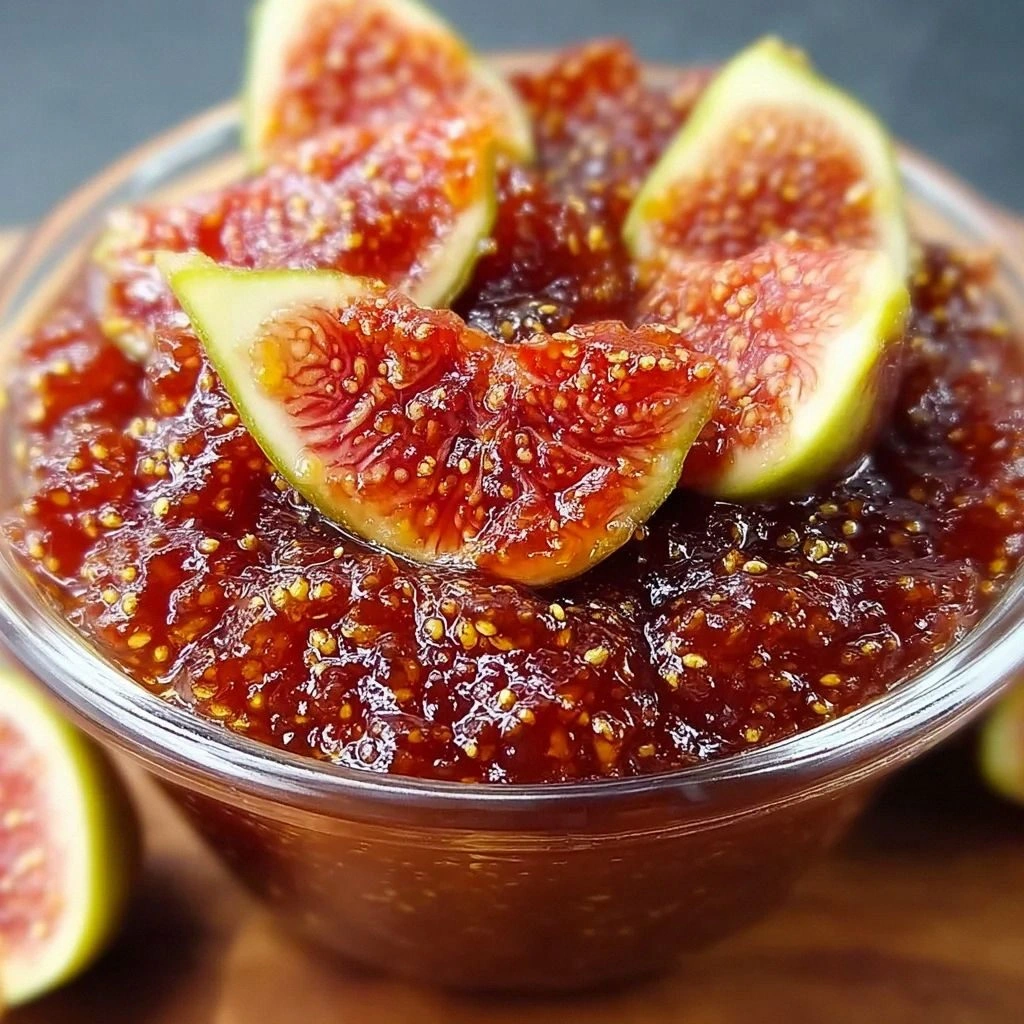
The kitchen instantly transformed into a symphony of aromas. The sweet, earthy perfume of figs hit me first, followed by the bright citrus zing that made my nose do a little dance. The sound? A gentle, rhythmic bubble as the mixture simmered, each pop like a tiny applause for the flavors marrying together. My hands felt warm against the pot, the wooden spoon gliding through a glossy, ruby‑red mixture that seemed to glow from within. I could already taste that buttery, slightly tangy jam spreading across a warm croissant, each bite a perfect balance of sweet and tart.
Most jam recipes out there either drown the fruit in sugar or forget the magic of acidity that lifts the flavor. I’ve tried them all—some left my jam overly sweet, others turned it into a gummy mess. This version? It’s hands down the best version you’ll ever make at home because it respects the fruit’s natural sweetness, adds just enough lemon zest to make it sing, and finishes with a whisper of vanilla that lingers like a memory. I dare you to taste this and not go back for seconds; it’s that good.
And guess what? There’s a secret technique hidden in the final minutes that most recipes completely miss—an ultra‑quick “flash‑cool” method that locks in the glossy sheen and prevents the dreaded crystal‑forming sugar crystals. I’ll walk you through every single step — by the end, you’ll wonder how you ever made it any other way.
What Makes This Version Stand Out
- Taste: The natural honeyed notes of fresh figs are amplified by lemon zest, creating a bright‑sweet profile that’s impossible to forget.
- Texture: A silky, spreadable consistency that clings to toast like velvet without turning gummy.
- Simplicity: Only five ingredients, all pantry‑friendly, yet each plays a starring role.
- Uniqueness: The vanilla extract adds a subtle warmth that most fig jams lack, turning it into a dessert‑grade condiment.
- Crowd Reaction: Guests will ask for the recipe before the first spoonful is even finished.
- Ingredient Quality: Ripe, plump figs bring natural sugars, reducing the need for excessive added sugar.
- Cooking Method: Low‑and‑slow simmer followed by a flash‑cool finish preserves color and flavor.
- Make‑Ahead Potential: Stores beautifully for weeks in the fridge and even longer in the freezer.
Alright, let's break down exactly what goes into this masterpiece...
Inside the Ingredient List
The Flavor Base
Fresh ripe figs: These are the star of the show! Look for figs that are plump and slightly soft, indicating their sweetness. The flesh should give a gentle give when pressed, releasing a fragrant, honey‑like aroma. If you skip them, you lose the natural depth that only fresh figs can provide, and the jam will feel flat. A great swap for out‑of‑season figs is canned fig halves, but drain them well and add a tablespoon of extra lemon juice to compensate for the lack of fresh brightness.
The Sweetening Agent
Granulated sugar: This will balance the tartness of the lemon and highlight the natural flavors of the figs. You can adjust the sugar based on the figs’ sweetness; if your figs are exceptionally sweet, shave off a quarter cup. Skipping sugar entirely results in a jam that sets poorly and tastes more like a fruit compote than a spread. For a healthier twist, try coconut sugar or a blend of honey and sugar—just remember the flavor will shift subtly toward caramel.
The Citrus Spark
Freshly squeezed lemon juice: A splash of brightness, the lemon juice adds a refreshing zing that complements the figs beautifully. It also helps the pectin in the fruit set the jam, giving it that perfect glaze. If you forget to add lemon, the jam may end up too sweet and lack that signature snap. In a pinch, a tablespoon of white wine vinegar works, but the flavor won’t be as vibrant.
Zest of one lemon: Don’t toss that lemon rind! The zest packs a punch of citrusy aroma and flavor, making your jam truly unforgettable. The tiny orange flecks of zest also add a visual pop that makes the jam look gourmet. Skipping zest means missing out on that aromatic lift that makes the jam sing.
The Final Flourish
Vanilla extract: A hint of vanilla adds warmth and depth. If you want to experiment, use fresh vanilla bean for an even richer experience—split the bean, scrape the seeds, and stir them in with the lemon zest. Skipping vanilla makes the jam feel a bit one‑dimensional, especially when paired with sweet breads or pastries. A dash of almond extract can also work, but keep it subtle to avoid overpowering the figs.
Everything's prepped? Good. Let's get into the real action...
The Method — Step by Step
First, wash the figs under cool running water, then pat them dry with a clean kitchen towel. Cut off the stems and slice the figs into quarters; you’ll notice the flesh releasing a sweet perfume as you work. Transfer the pieces to a heavy‑bottomed saucepan, because even heat distribution is key to preventing scorching. That sizzle when the figs hit the pan? Absolute perfection.
Add the granulated sugar to the pan, sprinkling it evenly over the fruit. Stir gently with a wooden spoon, allowing the sugar to dissolve and coax the figs into releasing their juices. As the mixture begins to bubble, you’ll see a glossy sheen forming—this is the first sign that the jam is coming together.
Kitchen Hack: Use a potato masher to gently crush the figs once they start bubbling; this releases more pectin and speeds up thickening.Now, pour in the freshly squeezed lemon juice and add the zest of one lemon. The citrus will cause the mixture to fizz slightly—don’t be alarmed, it’s just the acid reacting with the sugars. Stir in the vanilla extract, letting its aroma mingle with the bright lemon notes. At this point, the jam should smell like a summer garden after a rainstorm.
Reduce the heat to low and let the jam simmer gently. This is where patience pays off; keep the pot uncovered so excess moisture can evaporate. After about 15 minutes, you’ll notice the edges of the jam pulling away from the sides of the pan—a visual cue that it’s thickening. Watch Out: If the heat spikes, the jam can scorch, leaving a bitter aftertaste.
Watch Out: Stirring too vigorously at this stage can break down the fruit too much, resulting in a mushy texture rather than a spreadable jam.After the jam reaches a thick, syrupy consistency (about 30 minutes total), perform the “cold plate test.” Drop a tiny spoonful onto a chilled plate; if it firms up within a few seconds, you’re done. If it’s still runny, continue simmering for another 5 minutes and test again. This test is pure magic and guarantees a perfect set every time.
Once the jam passes the test, remove the pot from the heat. Let it sit for a minute, then carefully ladle the hot jam into sterilized glass jars, leaving a half‑inch headspace. Seal the jars tightly; the residual heat will create a gentle vacuum, preserving the jam for weeks.
Now comes the flash‑cool step that most recipes ignore: place the filled jars upside down on a towel for 5 minutes. This rapid temperature shift locks in the glossy finish and prevents sugar crystals from forming. It also gives the jam a professional, bakery‑level shine that will make you look like a jam‑making wizard.
Kitchen Hack: For an extra glossy surface, brush the tops of the jars with a thin layer of melted butter before sealing.Finally, let the jars cool completely at room temperature, then store them in the refrigerator. The jam will thicken a bit more as it cools, achieving that perfect spreadable consistency. Picture yourself pulling this out of the fridge, the whole kitchen smelling incredible, and slathering a generous spoonful on warm toast. That moment? Pure bliss.
That's it — you did it. But hold on, I've got a few more tricks that'll take this to another level...
Insider Tricks for Flawless Results
The Temperature Rule Nobody Follows
Never let the jam boil vigorously. A gentle simmer keeps the pectin intact, ensuring a smooth texture. I once tried a hard boil and ended up with a caramelized mess that stuck to the pot. Keep the heat low, and you’ll get that glossy sheen without any burnt notes.
Why Your Nose Knows Best
When the jam starts to emit a fragrant, slightly caramelized scent, you’re at the perfect stage to start checking consistency. Trust your sense of smell; it’s more reliable than a timer. If the aroma turns sour, you’ve over‑cooked it and need to stop immediately.
The 5‑Minute Rest That Changes Everything
After simmering, let the jam rest off the heat for five minutes before testing. This pause allows the sugars to fully hydrate, giving you a more accurate consistency check. Skipping this rest often leads to under‑set jam that stays liquid in the jar.
Seal the Deal with a Sterilized Lid
Always sterilize both jars and lids in boiling water for at least 10 minutes. A clean seal prevents mold and extends shelf life. I once used a non‑sterilized lid and discovered a tiny speck of mold the next week—yikes!
Flavor Boost with a Touch of Spice
If you love a hint of warmth, add a pinch of ground cardamom or a tiny cinnamon stick during the simmer. It adds depth without overwhelming the fig’s natural sweetness. My friend tried it once and now swears by the “spiced fig jam” version for holiday cheese boards.
Creative Twists and Variations
This recipe is a playground. Here are some of my favorite ways to switch things up:
Spiced Fig & Ginger
Swap half the lemon zest for freshly grated ginger. The warm ginger notes complement the figs, creating a jam that’s perfect for autumnal cheese plates.
Fig & Walnut Crunch
Stir in toasted, chopped walnuts during the final minute of simmering. The nutty crunch adds texture and makes the jam a stellar topping for oatmeal.
Honey‑Lemon Fig Jam
Replace half the granulated sugar with raw honey. The honey adds floral undertones and a richer color, ideal for drizzling over pancakes.
Fig & Balsamic Reduction
Finish the jam with a tablespoon of aged balsamic vinegar after removing it from heat. The acidity deepens the flavor, turning the jam into a gourmet accompaniment for grilled meats.
Fig & Dark Chocolate Swirl
Once the jam cools slightly, swirl in melted dark chocolate for a decadent spread that works wonders on toast or as a filling for pastries.
Herbal Fig Jam
Add a sprig of fresh rosemary or thyme during simmering, then remove before bottling. The herb infusion gives an earthy backdrop that pairs beautifully with roasted vegetables.
Storing and Bringing It Back to Life
Fridge Storage
Keep the sealed jars in the refrigerator for up to four weeks. Use a clean spoon each time to avoid introducing bacteria. The jam will thicken slightly as it cools, achieving a perfect spreadable texture.
Freezer Friendly
If you want to keep it longer, transfer the jam to freezer‑safe containers and freeze for up to three months. Thaw in the refrigerator overnight before using, and give it a quick stir to restore its glossy sheen.
Best Reheating Method
When you’re ready to use a chilled jar, place it in a saucepan with a splash of water and warm over low heat, stirring gently. Adding a tiny splash of water before reheating helps the jam steam back to perfection, preventing a dry, grainy texture.