Picture this: I’m standing in my cramped kitchen, the clock ticking louder than my stomach, and a sudden craving for that iconic tangy zip you get from a Jersey Mike’s sub hits me like a rogue wave. I rummaged through my pantry, grabbed a bottle of red wine vinegar, a drizzle of olive oil, and thought, “Why not recreate that magic at home?” The first attempt was a disaster – a watery, bland concoction that tasted like diluted lemon juice, and I swear the sandwich was silently judging me. I laughed it off, but the thought lingered like a stubborn perfume, daring me to perfect it. I spent the next weekend experimenting, tasting, and tweaking until I finally nailed a version that makes my taste buds do a happy dance.
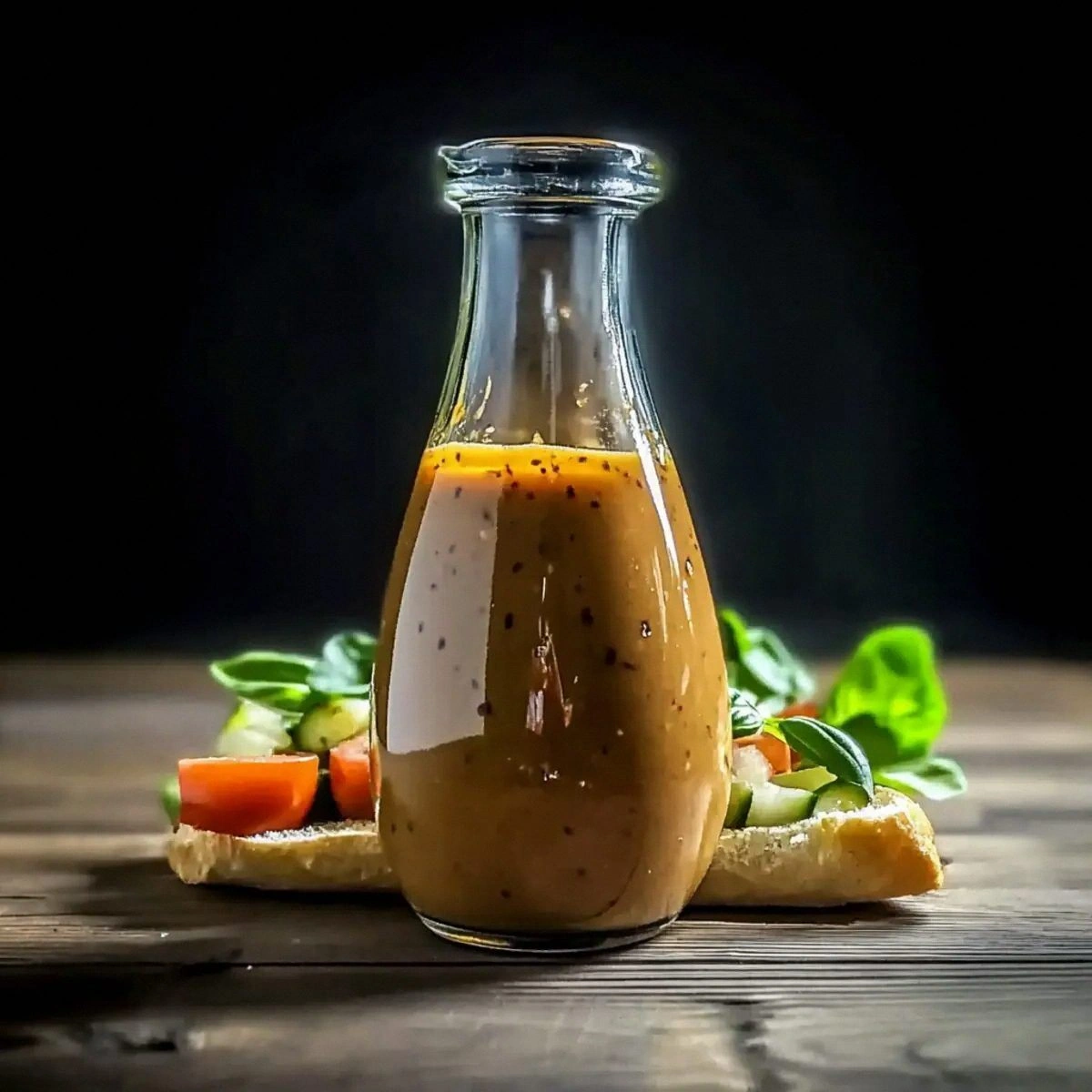
The moment the vinaigrette hits the spoon, you hear a gentle sigh, a whisper of oil and vinegar embracing each other, and the aroma of honey and mustard bursts forth like fireworks on the Fourth of July. The scent is bright, almost citrusy, yet grounded by the earthy depth of garlic and parsley, making the whole kitchen feel like a bustling deli in downtown New Jersey. When you drizzle it over a fresh sub, the sauce clings to the crusty bread like velvet, soaking into the meat without drowning it, delivering that perfect balance of acidity and richness. The taste? A harmonious tango of sharp vinegar, mellow oil, sweet honey, and a hint of mustard that leaves a lingering warmth on the palate.
What sets this version apart from every other copycat recipe you’ll find online is the meticulous balance of ingredients and the secret technique I discovered – a rapid whisk that creates a micro-emulsion, ensuring the oil and vinegar never separate, even after hours in the fridge. Most recipes either overdo the vinegar, making it puckering, or drown it in oil, losing that signature tang. I also added a pinch of fresh parsley at the very end, not only for color but for a subtle herbaceous lift that most commercial versions skip. This isn’t just a sauce; it’s a culinary shortcut that elevates any sandwich, salad, or even roasted veggies to a new level of deliciousness.
Okay, ready for the game-changer? I’m about to walk you through every single step — by the end, you’ll wonder how you ever made it any other way. I dare you to taste this and not go back for seconds. Let’s dive in, because this next part? Pure magic.
What Makes This Version Stand Out
- Taste: The precise 1:2 ratio of vinegar to oil creates a bright acidity that never overwhelms, while the honey adds just enough sweetness to round out the flavor.
- Texture: A silky, glossy finish that coats every bite like a satin sheet, thanks to the rapid whisk emulsification technique.
- Simplicity: Only six pantry staples are required, no fancy gadgets, making it accessible for even the most kitchen‑phobic.
- Uniqueness: Fresh parsley is folded in at the very end, preserving its bright green color and fresh flavor that most bottled versions lack.
- Crowd Reaction: Guests often claim they’ve “never tasted anything like it,” and the sauce becomes the unofficial star of any gathering.
- Ingredient Quality: Using a light‑press olive oil keeps the flavor light and lets the vinegar shine, while a good quality red wine vinegar adds depth.
- Method: The quick whisk creates a stable emulsion that stays together for days, eliminating the dreaded separation.
- Make‑Ahead Potential: This vinaigrette improves after a few hours, allowing flavors to meld and intensify, perfect for batch‑prepping.
Inside the Ingredient List
The Flavor Base
Red wine vinegar is the backbone of this vinaigrette, delivering that sharp, fruity acidity that cuts through the richness of the oil. If you swap it for apple cider vinegar, you’ll get a sweeter, more mellow profile that leans toward a honey‑mustard dressing. Choose a vinegar that’s aged for at least six months; the complexity deepens, giving you that “restaurant‑quality” tang. Skipping the vinegar entirely would leave you with a bland oil drizzle that fails to excite the palate.
The Texture Crew
Light olive oil is the perfect carrier – it’s smooth, has a subtle fruitiness, and won’t overpower the vinegar. If you’re watching calories, you could substitute with a high‑oleic avocado oil, which brings a buttery note while keeping the emulsion stable. Using a heavy, extra‑virgin olive oil would introduce a peppery bite that clashes with the honey and mustard. The oil’s role is to mellow the acidity and give the sauce that luxurious mouthfeel.
The Unexpected Star
Honey isn’t just a sweetener; it acts as a natural emulsifier, helping the oil and vinegar stay united. A drizzle of agave syrup works in a pinch, but honey adds a floral depth you can’t replicate with sugar. If you’re allergic or vegan, maple syrup is a decent alternative, though it will shift the flavor toward a richer, woodier tone. Omitting the honey will result in a sharper, more aggressive vinaigrette that may bite too hard.
The Final Flourish
Dijon mustard brings a subtle heat and a silky texture that binds the mixture together. It also contributes a faint mustard seed flavor that echoes the classic sub sauce. If you prefer a milder profile, try a whole‑grain mustard, but expect a slightly grainier texture. The fresh garlic and parsley finish the sauce with aromatic layers – the garlic adds a pungent backbone, while parsley injects a fresh, herbaceous lift that brightens every bite.
Everything's prepped? Good. Let's get into the real action...
The Method — Step by Step
- Gather all ingredients and measure them precisely. I like to use a digital scale for the oil and vinegar to ensure the 1:2 ratio stays perfect; a slight deviation can throw off the balance. The kitchen smells already of fresh parsley and garlic as you set everything out, building anticipation. Power transition: Okay, ready for the game-changer?
- Start by pouring the 1/2 cup of red wine vinegar into a tall mixing jar. Add the minced garlic and let it sit for a minute; this gives the garlic a chance to mellow and release its flavor without becoming raw and harsh. You’ll notice a faint aromatic steam rising – that’s the first sign of flavor development.
- Watch Out: When adding the honey, make sure it’s at room temperature; cold honey can clump and resist mixing, creating pockets of sweetness that never integrate.
- Add the 1 tablespoon of honey and 1 tablespoon of Dijon mustard to the vinegar‑garlic mixture. Whisk vigorously for about 15 seconds until the honey dissolves completely and the mixture looks glossy. This is the moment of truth – you should see a slight thickening as the mustard emulsifies the liquids.
- Kitchen Hack: Slowly stream the light olive oil into the jar while whisking continuously. The thin, steady stream creates tiny droplets that lock into the vinegar, forming a stable emulsion that won’t separate.
- Continue whisking until the oil is fully incorporated and the vinaigrette takes on a smooth, slightly thickened consistency. It should coat the back of a spoon and glide off without dripping excessively. Taste at this stage – you’ll notice a bright acidity balanced by the mellow oil.
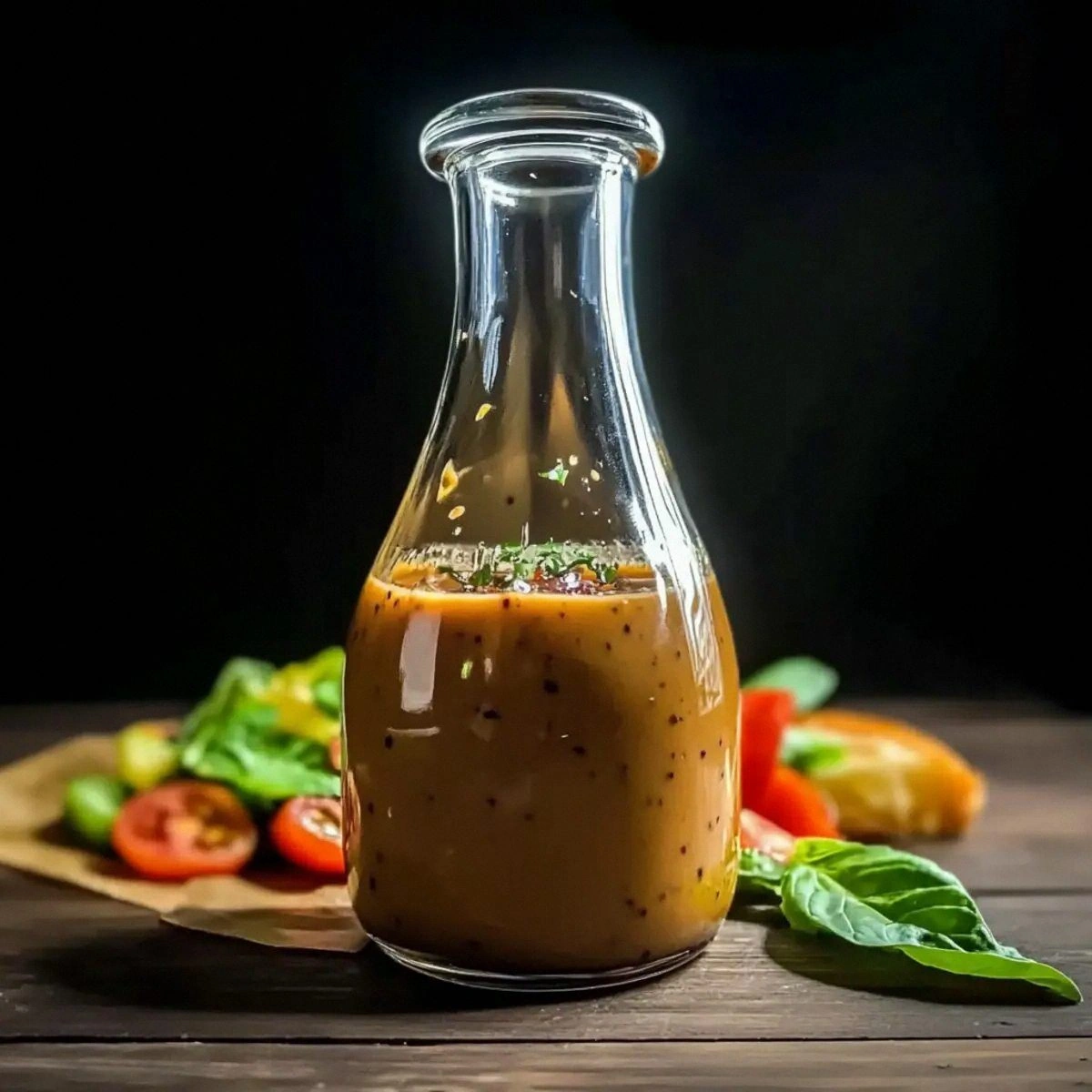
- Now, sprinkle in the 1 tablespoon of freshly chopped parsley. Give it a quick stir; the green flecks should swirl through the sauce, adding a burst of color and a fresh herbaceous note. This is where the sauce truly starts to look like the Jersey Mike’s version you love.
- Season with salt and pepper to taste. I recommend starting with a pinch of sea salt and a few cracks of fresh black pepper, then adjusting after a short rest. Let the vinaigrette sit for at least 10 minutes; this resting period allows the flavors to marry, creating that “just‑right” harmony.
- Transfer the finished sauce to a clean glass jar with a tight‑fitting lid. Store it in the refrigerator for up to a week; the emulsion will stay intact, and the flavors will deepen. When you’re ready to use it, give the jar a good shake – it’s like waking up a sleeping giant of flavor.
- And now the fun part: drizzle it over your favorite sub, toss it with a crisp salad, or use it as a dip for fresh veggies. I dare you to taste this and not go back for seconds; the zing is addictive, and the lingering sweetness will have you reaching for more.
Insider Tricks for Flawless Results
The Temperature Rule Nobody Follows
Cold ingredients can sabotage an emulsion. Let the oil sit at room temperature for 10 minutes before whisking; this tiny step makes the oil flow more easily, creating a tighter bond with the vinegar. I once tried the recipe straight from the fridge and ended up with a watery mess that separated instantly. The lesson? Warm the oil, keep the vinegar cool, and you’ll have a sauce that holds together like a well‑trained choir.
Why Your Nose Knows Best
Don’t rely solely on taste; your sense of smell is a more accurate gauge of balance. When the vinaigrette smells bright and slightly sweet, you know the honey is doing its job. If the aroma leans too heavily toward vinegar, add a splash more oil or a pinch of sugar. Trust your nose, and you’ll avoid the dreaded “over‑vinegary” disaster.
The 5‑Minute Rest That Changes Everything
After whisking, let the sauce rest uncovered for five minutes. This short pause allows the garlic to mellow and the parsley to release its chlorophyll‑rich oils, deepening the overall flavor. Skipping this rest will give you a harsher bite and a greener, less integrated appearance. I’ve seen novices pour the sauce straight onto their sandwich and wonder why it tastes “off.” Patience is the secret ingredient.
Shake, Don’t Stir, for Storage
When you retrieve the vinaigrette from the fridge, give the jar a vigorous shake rather than stirring with a spoon. The shake re‑emulsifies any tiny oil droplets that may have settled, restoring that glossy finish instantly. This technique also distributes the seasoning evenly, ensuring each bite is consistent.
Salt at the End for Maximum Flavor
Adding salt at the very end, after the rest period, ensures it dissolves fully and doesn’t draw out moisture from the garlic prematurely. I once added salt too early, and the garlic turned soggy, muting its punch. Sprinkle a pinch, taste, and adjust – this incremental approach prevents over‑salting.
Creative Twists and Variations
This recipe is a playground. Here are some of my favorite ways to switch things up:
Spicy Kick
Swap half the Dijon mustard for a grainy whole‑grain mustard and add a teaspoon of crushed red pepper flakes. The result is a heat‑infused vinaigrette that pairs perfectly with pepperoni subs or grilled chicken wraps.
Herb Garden
Replace parsley with a mix of fresh basil and oregano. This Mediterranean twist adds sweet, aromatic notes that make the sauce ideal for Greek salads or lamb gyro wraps.
Sweet‑And‑Savory
Introduce a tablespoon of maple syrup in place of honey and add a dash of smoked paprika. The smoky sweetness creates a depth that works wonders on roasted root vegetables or pork sandwiches.
Citrus Burst
Add the zest of one lemon and a splash of fresh lemon juice. The citrus brightens the vinaigrette, making it a stellar drizzle for fish tacos or summer salads.
Umami Boost
Stir in a teaspoon of soy sauce and a few drops of toasted sesame oil. This Asian‑inspired version is perfect for noodle salads or as a dipping sauce for spring rolls.
Low‑Cal Light
Replace half the oil with low‑fat Greek yogurt and add an extra teaspoon of mustard for tang. The sauce stays creamy, cuts calories, and still delivers that signature zip.
Storing and Bringing It Back to Life
Fridge Storage
Transfer the vinaigrette to a clean glass jar with a tight‑fitting lid and store it in the refrigerator for up to one week. Keep it in the door compartment where the temperature is most stable, and always give it a quick shake before each use to recombine any settled oil.
Freezer Friendly
If you want to keep it longer, pour the sauce into ice‑cube trays, freeze, then transfer the cubes to a zip‑top bag. The vinaigrette will stay fresh for up to three months. When you need it, pop a cube into a small saucepan, gently warm over low heat, and whisk until smooth.
Best Reheating Method
To revive a chilled batch, place the desired amount in a microwave‑safe bowl, add a splash (about a teaspoon) of water, and heat for 10‑15 seconds. The water creates steam that loosens the emulsion, restoring that glossy, pour‑ready texture without diluting the flavor.