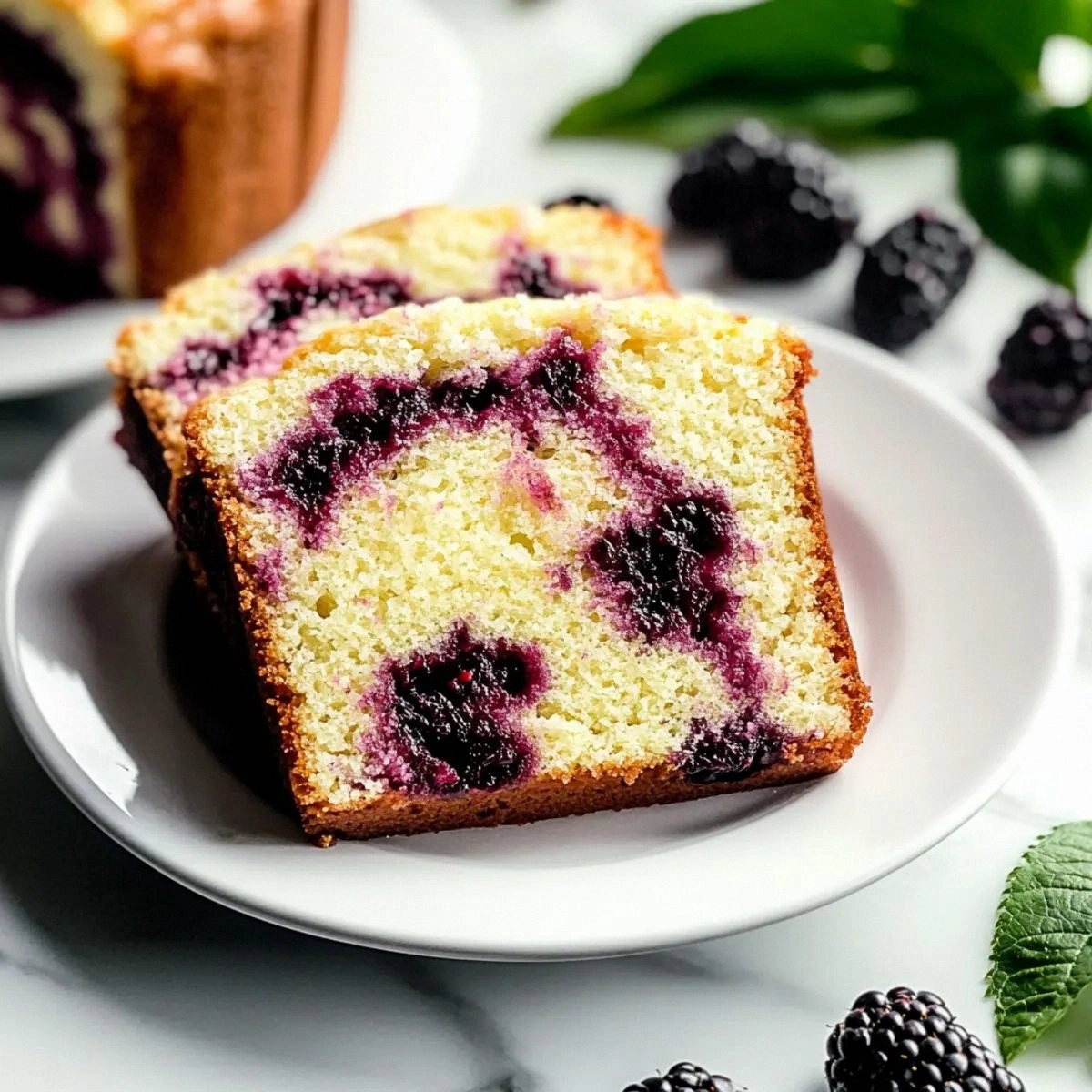
Picture this: it’s a rainy Saturday afternoon, the kind that makes you want to curl up with a blanket, a good book, and something sweet that smells like a hug from the inside. I was half‑heartedly scrolling through endless cake recipes when a sudden dare from my roommate—“Make something that can win a bake‑off and still survive a toddler’s snack attack” — hit me like a splash of cold water. I stared at my pantry, saw a lonely bag of cake flour and a half‑pint of butter, and thought, “Why not throw in the last few blackberries I rescued from the freezer?” The result? A pound cake that’s as decadent as a chocolate truffle yet as light as a cloud, with a blackberry swirl that looks like a midnight sky dotted with stars.
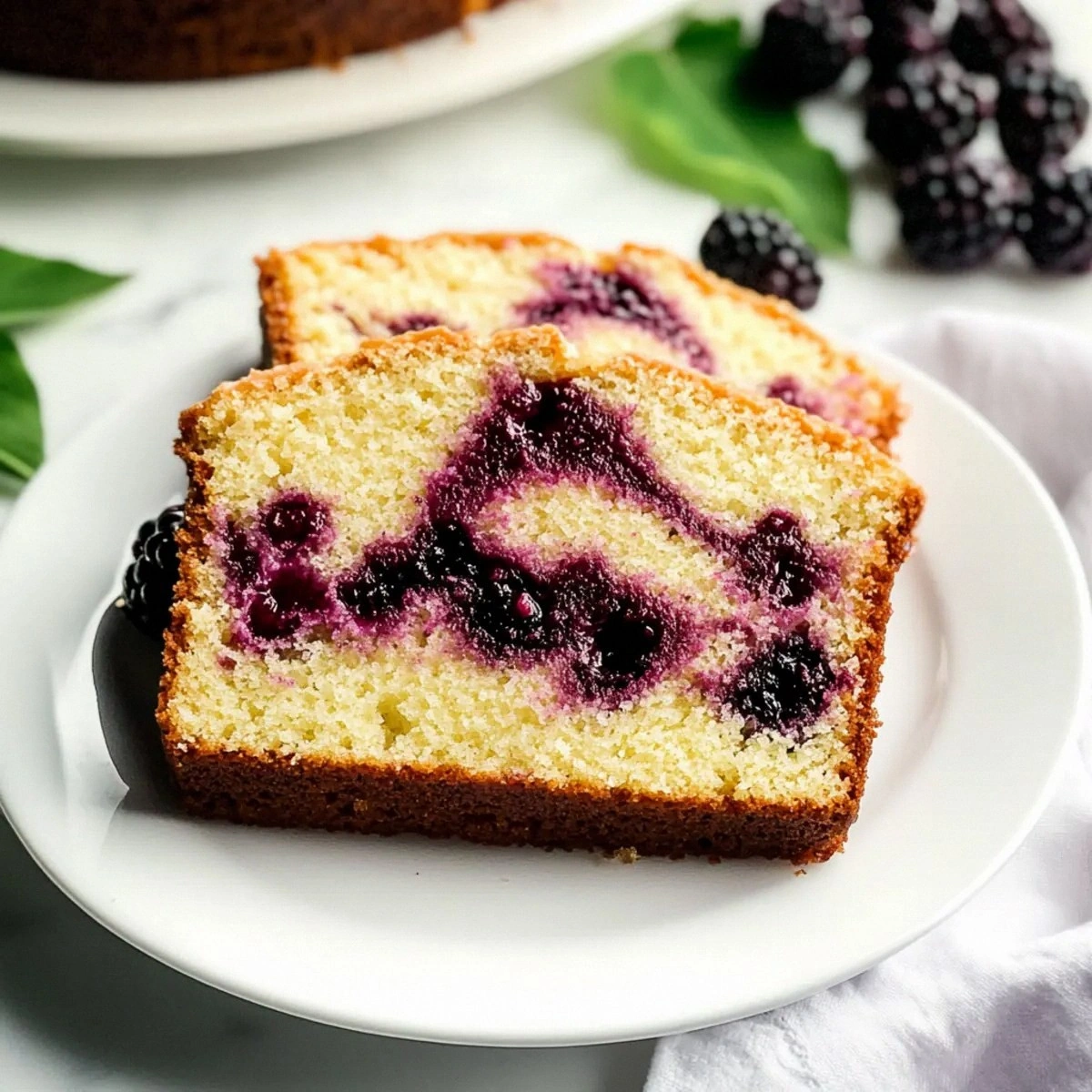
The moment the batter hit the bowl, the kitchen filled with a buttery perfume that made the timer feel unnecessary. As the cake rose in the oven, the edges turned a golden‑amber hue, and the aroma of vanilla and lemon danced together like a well‑rehearsed tango. When I finally pulled it out, the top cracked just enough to reveal a glossy, ruby‑red ribbon of blackberry compote, glistening like fresh dew. I cut a slice, and the crumb was buttery, tender, and just the right amount of dense—like a perfect hug for your palate.
Most pound‑cake recipes get the texture wrong: they’re either dry as old toast or so oily they slide off the plate. This version nails the balance by marrying the richness of sour cream with the lightness of cake flour, and the secret weapon—blackberries—adds a burst of tartness that cuts through the richness without overwhelming it. The icing, a simple powdered‑sugar glaze, sets like a thin veil of snow, letting the cake’s flavor shine while adding a whisper of sweetness.
Now, I’m not just bragging. I dare you to taste this and not go back for seconds. I’ll be honest—I ate half the batch before anyone else got a chance, and that’s a confession I’m willing to own. This is hands down the best version you’ll ever make at home, and I’m about to walk you through every single step—by the end, you’ll wonder how you ever made it any other way.
What Makes This Version Stand Out
- Flavor Harmony: The tart blackberry swirl balances the buttery cake, creating a dance of sweet and sour that keeps your taste buds intrigued.
- Moisture Mastery: Sour cream and butter combine to give a crumb that’s tender yet sturdy enough to hold up to frosting without crumbling.
- Simplicity: Only twelve ingredients, all pantry‑friendly, so you won’t need a trip to the specialty store.
- Visual Wow Factor: The marbled blackberry ribbons create a dramatic, Instagram‑ready look without any food coloring.
- Crowd‑Pleaser: Whether it’s a birthday, a brunch, or a quiet night in, this cake earns applause and empty plates.
- Ingredient Quality: Fresh blackberries and real butter give depth that artificial extracts simply can’t match.
- One‑Pan Wonder: No need for a complicated multi‑layer assembly; everything happens in a single loaf pan.
- Make‑Ahead Magic: The cake stays moist for days, and the glaze can be prepared ahead, saving you last‑minute stress.
Inside the Ingredient List
The Flavor Base
Fresh Blackberries (1 cup): These tiny jewels bring a natural tartness that cuts through the buttery richness. If you skip them, you lose the signature burst of flavor that makes this cake unforgettable. You can substitute frozen berries, but thaw and pat them dry first to avoid excess moisture.
Granulated Sugar (1 cup): Provides sweetness and helps with the cake’s structure by aerating with the butter. Using raw or coconut sugar will alter the flavor profile and color, making it deeper but less bright.
The Texture Crew
Cake Flour (2 cups): Low‑protein flour ensures a tender crumb; using all‑purpose flour will give a denser texture. If you’re gluten‑free, try a blend of rice flour and tapioca starch in the same quantity.
Unsalted Butter (1 cup): Gives that melt‑in‑your‑mouth richness. Make sure it’s softened, not melted, to trap air during creaming—this is the secret to a light crumb.
Sour Cream (1 cup): Adds moisture and a subtle tang that balances the sweetness. Skipping it for plain yogurt works, but expect a slightly thinner batter.
The Unexpected Star
Lemon Juice (1 tablespoon): Brightens the blackberry’s flavor and reacts with the baking soda (if you add a pinch) to lift the cake. Too much will make the batter curdle; stick to the measured amount.
Vanilla Extract (1 teaspoon): Enhances the overall flavor depth. Real vanilla bean seeds are an upgrade, but the extract does the job beautifully.
The Final Flourish
Powdered Sugar (1 cup) & Milk (2 tablespoons): Combined to create a glaze that sets like a thin veil of snow, adding a final touch of sweetness without overpowering. Adjust the milk if you prefer a thicker or thinner glaze.
Eggs (3 large): Provide structure and leavening; the yolks add richness while the whites trap air during beating.
Salt (1 teaspoon + 1 pinch): Enhances every flavor. The pinch is for the glaze, ensuring it’s not overly salty.
Everything’s prepped? Good. Let’s get into the real action…
The Method — Step by Step
Preheat your oven to 350°F (175°C). While the oven warms, grease a 9×5‑inch loaf pan with butter and dust lightly with flour; this creates a non‑stick surface that also adds a subtle crust. The pan should feel warm to the touch when you tap it—this tiny heat helps the batter settle evenly.
In a large mixing bowl, cream the softened butter with the granulated sugar until the mixture turns pale and fluffy, about 3‑4 minutes on medium‑high speed. This is the moment where air is incorporated, and you’ll notice the mixture becoming lighter, almost like a cloud. Power transition: Okay, ready for the game‑changer? Add the eggs one at a time, beating well after each addition to keep the batter silky.
Stir in the vanilla extract and lemon juice, then fold in the sour cream. The batter will look slightly curdled—that’s perfectly normal and signals that the acidity is reacting with the butter for a tender crumb.
Kitchen Hack: Use a rubber spatula to scrape the sides of the bowl; this ensures every bit of butter and sugar gets incorporated.Sift together the cake flour, 1 teaspoon of salt, and a pinch of baking soda (optional) into a separate bowl. Sifting aerates the flour and prevents lumps, which is crucial for that melt‑in‑your‑mouth texture. Gently fold the dry ingredients into the wet mixture in three additions, being careful not to over‑mix.
Now for the star—blackberries. Toss the fresh berries with a tablespoon of granulated sugar and a splash of lemon juice, then let them macerate for five minutes. This draws out their juices and intensifies the flavor.
Watch Out: If you add the berries too early, they can bleed and turn the batter purple; fold them in after the flour is incorporated.Gently fold the macerated blackberries into the batter, using a folding motion that keeps the batter airy. You’ll see ribbons of deep red weaving through the pale batter—this is the visual cue that the cake will look spectacular once baked.
Transfer the batter to the prepared loaf pan, smoothing the top with a spatula. Tap the pan lightly on the counter to release any large air bubbles; you’ll hear a subtle “pop” that signals a smooth surface.
Bake for 30‑35 minutes, or until a toothpick inserted into the center comes out clean with just a few moist crumbs. Around the 20‑minute mark, rotate the pan 180° for even browning. The edges will start pulling away from the sides of the pan, and the top will develop a golden‑brown crust that smells like toasted butter.
While the cake cools in the pan for 10 minutes, whisk together the powdered sugar, milk, and the pinch of salt for the glaze. The mixture should be smooth and glossy—if it’s too thick, add a splash more milk; if too thin, add a bit more powdered sugar. Once the cake is cool enough to handle, drizzle the glaze over the top, letting it cascade down the sides.
That’s it—you did it. But hold on, I’ve got a few more tricks that’ll take this to another level…
Insider Tricks for Flawless Results
The Temperature Rule Nobody Follows
Always bring your butter to room temperature, but never melt it. Softened butter traps air when creamed, giving the cake lift. I once tried melting the butter for speed; the result was a dense, greasy loaf that fell flat. Keep the butter just soft enough to leave an imprint when you press it with your finger.
Why Your Nose Knows Best
When the cake is about 20 minutes in, start sniffing the kitchen. A sweet, buttery aroma means the crust is forming; a faint caramel scent signals it’s ready to turn golden. Trust that nose cue more than the timer—you’ll avoid over‑baking and a dry crumb.
The 5‑Minute Rest That Changes Everything
After removing the cake from the oven, let it rest in the pan for exactly five minutes before turning it out onto a wire rack. This short rest lets the steam finish cooking the interior gently, preventing a gummy bottom. I used to skip this step, and the cake would sometimes stick, ruining the beautiful top.
Glaze Temperature Trick
Warm the glaze slightly (no more than 110°F) before pouring. A warm glaze spreads more evenly, creating a thin, glossy finish rather than a clumpy one. If the glaze cools too quickly, it can set before you finish drizzling, leaving streaks.
Blackberry Burst Boost
For an extra pop, add a teaspoon of blackberry jam to the glaze. The jam intensifies the berry flavor without making the glaze overly sweet. I tried this once for a holiday party, and guests asked for the “secret ingredient.”
Creative Twists and Variations
This recipe is a playground. Here are some of my favorite ways to switch things up:
Lemon‑Blueberry Fusion
Swap the blackberries for fresh blueberries and double the lemon juice. The citrus brightens the blueberry’s mellow sweetness, creating a spring‑time flavor that’s perfect with a dollop of whipped cream.
Chocolate Swirl
Fold in ¼ cup of melted dark chocolate and a tablespoon of cocoa powder into the batter. The result is a marble‑like cake where chocolate and blackberry play hide‑and‑seek. Chocolate lovers, this is your ticket.
Spiced Autumn
Add a teaspoon of warm spices—cinnamon, nutmeg, and a pinch of clove—to the dry ingredients. Pair with a drizzle of maple‑brown‑sugar glaze for a cozy, fall‑ready treat.
Gluten‑Free Glory
Replace the cake flour with a 1:1 gluten‑free blend that includes rice flour, potato starch, and xanthan gum. The texture remains tender, and the flavor stays true to the original.
Mini Loaves
Divide the batter among four muffin tins and bake for 20‑22 minutes. These bite‑size versions are perfect for brunch buffets or for portion‑controlled snacking.
Vegan Version
Swap butter for coconut oil, use a flax‑egg mixture (1 tbsp ground flax + 3 tbsp water per egg), and replace sour cream with coconut yogurt. The result is a plant‑based cake that still delivers that buttery crumb.
Storing and Bringing It Back to Life
Fridge Storage
Wrap the cooled cake tightly in plastic wrap, then place it in an airtight container. It will stay fresh for up to five days, and the glaze will soften slightly, making each slice extra moist.
Freezer Friendly
Slice the cake before freezing, then wrap each slice in parchment and foil. Store in a zip‑top freezer bag for up to three months. When you’re ready, let a slice thaw at room temperature for 30 minutes, then pop it in the microwave for 10 seconds to warm the glaze.
Best Reheating Method
Preheat your oven to 300°F (150°C), place the whole cake on a baking sheet, and cover loosely with foil. Heat for 10‑12 minutes; the interior becomes warm and fluffy again. Add a tiny splash of water to the foil before sealing—it creates steam that revives the crumb without drying it out.