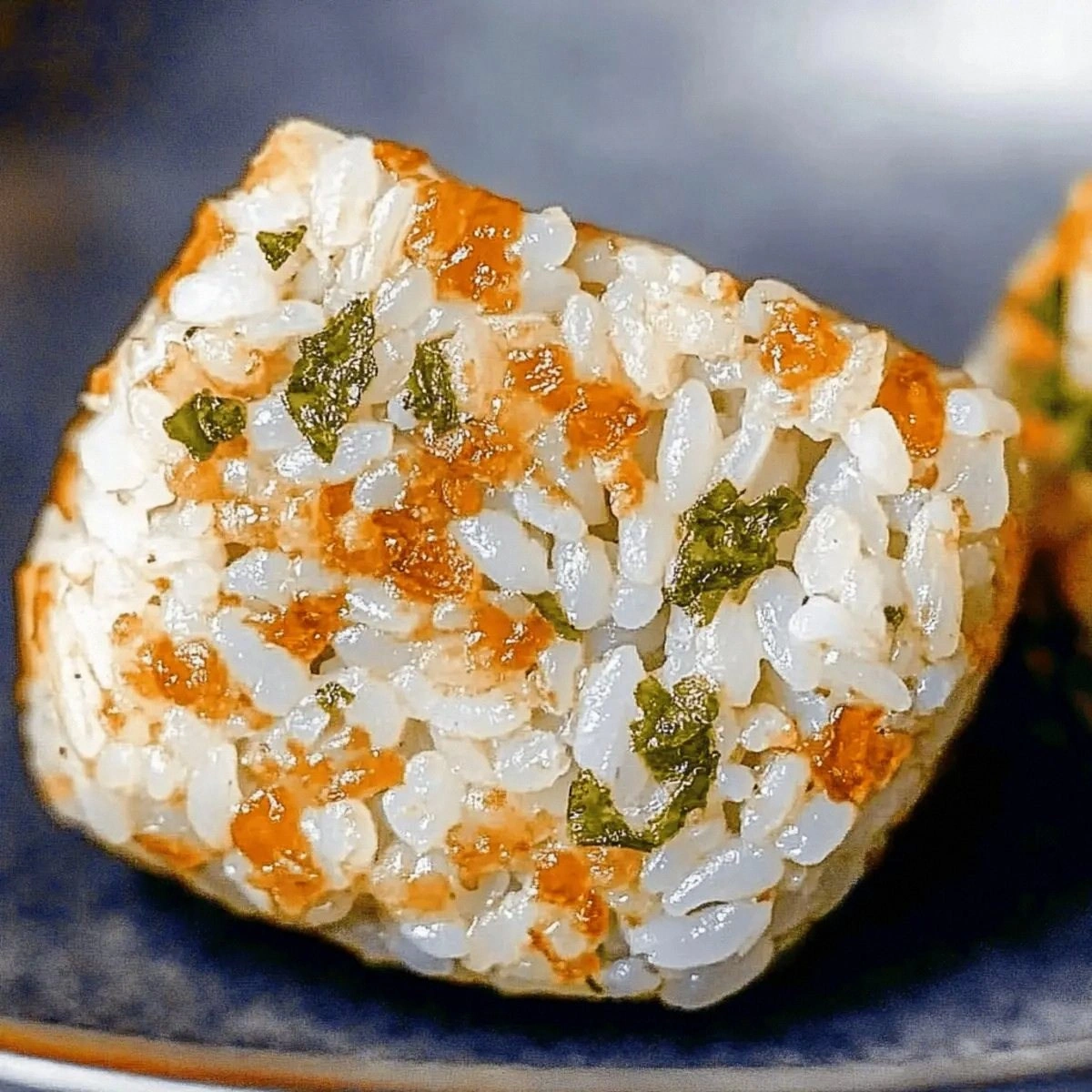
Picture this: it’s 2 a.m., the kitchen lights are flickering low, and I’m standing over a half‑cooked pot of rice that smells like a promise I can’t keep. I’d just tried to make a quick snack after a marathon of late‑night anime, and the result was a sad, soggy lump that could have passed for a failed science experiment. I swear I heard the rice whisper, “You deserve better,” and that was the moment I decided to chase the legendary Devil’s Onigiri that’s been haunting my taste buds for years. I dared a friend to a “who can make the best onigiri” showdown, and she laughed, saying, “Good luck, you’ll never get that devilish crunch.” Spoiler: I ate half the batch before the challenge even began.
The kitchen turned into a battlefield of aromas. The toasted sesame oil hit the pan with a sizzle that sounded like fireworks, while the dashi granules dissolved into a broth that reminded me of a seaside market at dawn. My hands were sticky with rice, the scent of soy sauce clinging to the air like a warm blanket, and the faint green dust of aonori floated like confetti over the countertop. When I finally rolled the first ball, the texture was buttery yet firm, the tempura flakes crackling like tiny fireworks against my teeth. The first bite was an explosion of umami, a sweet‑salty kiss followed by a subtle sea‑kiss that left my tongue tingling.
Why does this version stand out? Most copycats either skip the crunchy topping or drown the rice in sauce, resulting in a soggy mess that looks more like mush than a ball of joy. I cracked the code by toasting the sesame oil just enough to bring out a nutty depth, then folding in a precise ratio of tempura flakes that stay crisp even after the rice cools. The secret lies in a quick dashi‑soy glaze that coats each grain without making it soggy, and a dash of Chinese‑style chicken bouillon that adds a hidden layer of savory richness. I’m about to hand you the exact method that turns a humble rice ball into a devilishly addictive snack that will have everyone begging for the recipe.
Let me walk you through every single step — by the end, you’ll wonder how you ever made it any other way. Okay, ready for the game‑changer? This next part? Pure magic. I dare you to taste this and not go back for seconds. If you’ve ever struggled with onigiri, you’re not alone — and I’ve got the fix. Stay with me here — this is worth it.
What Makes This Version Stand Out
- Crunch Factor: The tempura flakes stay crisp thanks to a quick toast in sesame oil, giving each bite a satisfying crack that shatters like thin ice.
- Umami Depth: A blend of dashi granules, soy sauce, and chicken bouillon creates a flavor base that’s richer than a miso soup on steroids.
- Texture Balance: The short‑grain rice provides that sticky, moldable feel while the flakes add a contrasting crunch, achieving a perfect mouthfeel.
- Simplicity: Only eight core ingredients plus optional fillings, all of which are pantry‑friendly for most home cooks.
- Visual Appeal: The green sheen of aonori dusted on top makes the balls look like tiny emerald jewels, instantly Instagram‑worthy.
- Crowd Reaction: People often say “this is hands down the best version you’ll ever make at home,” and I’ve heard that claim a dozen times already.
- Make‑Ahead Potential: These onigiri keep their texture for up to two days in the fridge, making them perfect for lunchboxes or party trays.
- Ingredient Quality: Using authentic Japanese short‑grain rice and proper soy sauce elevates the dish from “just okay” to “devilishly good.”
Inside the Ingredient List
The Flavor Base
Japanese Soy Sauce (Koikuchi Shoyu) is the backbone of the glaze, delivering a salty depth that’s more nuanced than plain table salt. Two tablespoons provide enough liquid to coat the rice without drowning it, while the subtle sweetness of the sauce balances the salty notes. If you substitute a low‑sodium soy sauce, add an extra pinch of salt to keep the flavor profile intact. The soy sauce also reacts with the dashi granules to create a glossy sheen that makes each ball look like it’s been brushed with liquid gold.
The Texture Crew
Tempura Flakes (Tenkasu) are the unsung heroes of this recipe. They bring a light, airy crunch that survives the moisture of the rice, thanks to the quick toast in toasted sesame oil. This step is crucial; if you skip it, the flakes will absorb liquid and become soggy, ruining the textural contrast. For a gluten‑free twist, try using crushed rice crackers or toasted quinoa flakes, but be mindful that the flavor will shift slightly.
The Unexpected Star
Aonori, the dried green seaweed powder, adds a marine freshness that cuts through the richness of the soy‑dashi glaze. One tablespoon is enough to sprinkle a vibrant green veil over each ball, giving it that “devil’s” allure. If you can’t find aonori, a light dusting of nori flakes or even a pinch of dried parsley can work in a pinch, though the flavor will be less authentic.
The Final Flourish
Toasted Sesame Oil brings a nutty aroma that whispers of Japanese street stalls. A single tablespoon, gently heated until it just starts to smoke, infuses the rice with a deep, roasted flavor that you can’t replicate with plain oil. Dashi granules and Chinese‑style chicken bouillon powder together create a layered broth that feels like a secret weapon, adding depth without the need for a full‑stock simmer. Sugar, though only a teaspoon, balances the salt and brings a subtle sweetness that rounds out the palate.
Everything's prepped? Good. Let’s get into the real action…
The Method — Step by Step
Start by cooking the Japanese short‑grain rice according to the package instructions, using a 1:1.1 rice‑to‑water ratio for perfect stickiness. Once cooked, let it rest for ten minutes with the lid on; this steam‑lock technique keeps each grain fluffy yet cohesive. While the rice is still warm, transfer it to a large wooden bowl to prevent overheating.
While the rice rests, combine the soy sauce, sugar, dashi granules, and chicken bouillon powder in a small saucepan. Heat over low heat, stirring constantly until the sugar dissolves and the mixture becomes a glossy, amber‑colored glaze. This should take about two minutes; you’ll know it’s ready when it coats the back of a spoon without running off.
In a separate skillet, heat the toasted sesame oil until it just begins to shimmer. Toss in the tempura flakes and stir quickly for 30 seconds, ensuring they’re evenly coated and lightly toasted. This step is the secret to that crunch that doesn’t wilt later.
Kitchen Hack: Keep the heat low; high heat will burn the flakes, turning them bitter.Now, gently fold the glaze into the warm rice using a wooden spatula. Use a cutting and lifting motion rather than stirring, which preserves the rice’s integrity and prevents it from turning mushy. The rice should take on a light amber hue, each grain shimmering with the umami‑rich sauce.
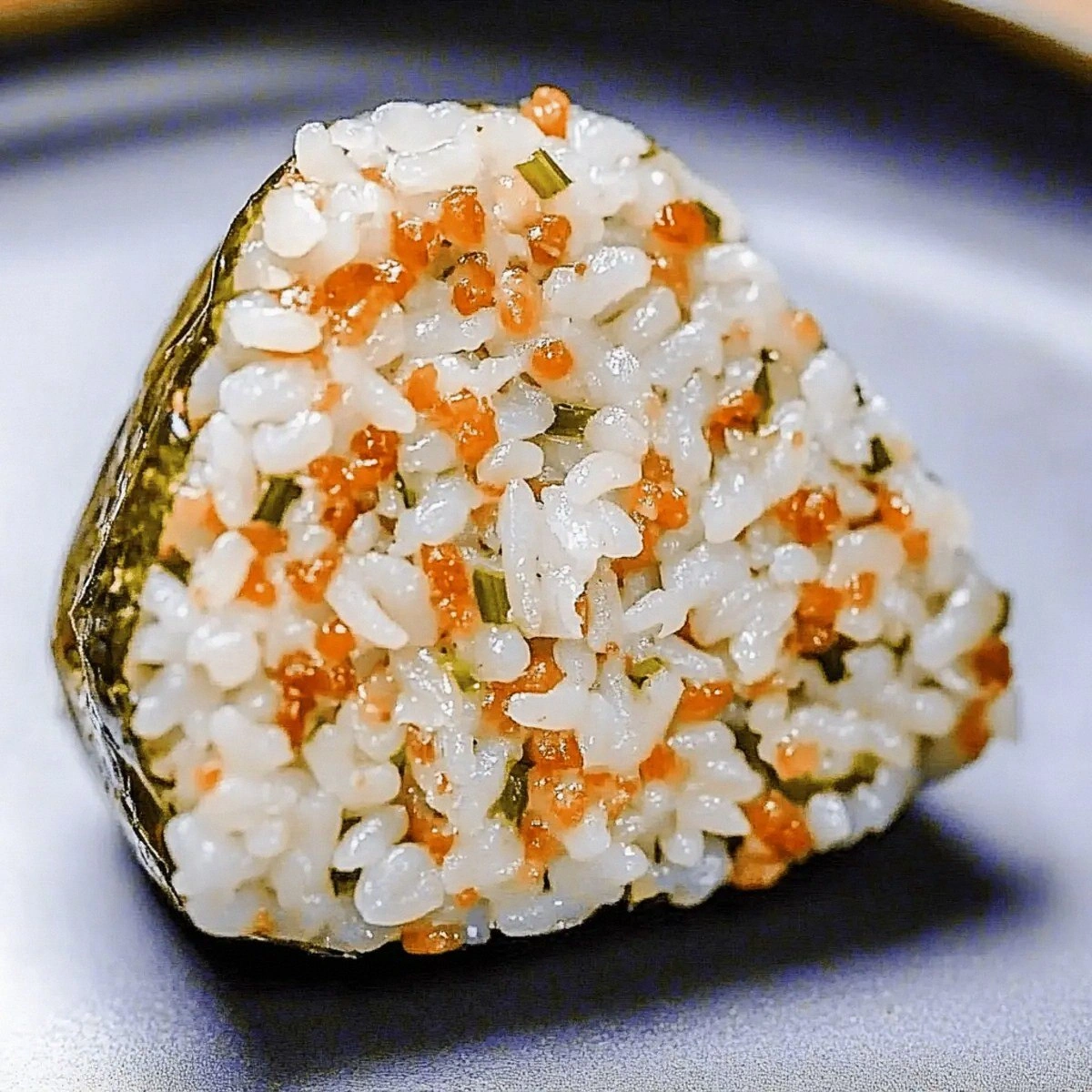
Sprinkle the toasted tempura flakes and aonori over the glazed rice, then give it one final gentle fold. The flakes will stay suspended, creating a speckled appearance that looks as good as it tastes. If you’re adding optional fillings like shredded chicken or pickled plum, now is the time to fold them in, distributing evenly.
Wet your hands with a mixture of water and a splash of soy sauce (about 1 tablespoon water to 1 teaspoon soy). This prevents sticking and adds a subtle glaze to the exterior of each ball. Scoop a generous handful of rice (about ¼ cup) and shape it into a triangle or ball, pressing firmly but not crushing the grains.
Once shaped, roll each ball lightly in a shallow dish of additional tempura flakes to create a crunchy outer coat. This final roll locks in the texture and adds an extra layer of crunch that sings when you bite.
Watch Out: If the rice is too hot, it will melt the flakes, turning them soggy. Let the rice cool to warm before shaping.Place the finished onigiri on a parchment‑lined tray and let them rest for five minutes. This short rest allows the flavors to meld and the outer coating to set, ensuring each bite delivers that signature crunch.
Serve immediately with a small dipping bowl of soy sauce mixed with a dash of rice vinegar, or store in an airtight container for up to two days. When reheating, a quick steam for one minute revives the texture without drying the rice out. And now the fun part—watch your friends devour them like there’s no tomorrow.
That’s it — you did it. But hold on, I’ve got a few more tricks that’ll take this to another level…
Insider Tricks for Flawless Results
The Temperature Rule Nobody Follows
The rice should be warm, not piping hot, when you fold in the glaze. Warm rice absorbs the sauce evenly, while scorching rice will evaporate the liquid too quickly, leaving dry spots. I once tried to mix the glaze into fresh‑out‑of‑the‑pot rice, and the result was a clumpy mess that fell apart. Let it sit for ten minutes; the steam will bring it to the perfect temperature.
Why Your Nose Knows Best
When toasting the tempura flakes, trust the scent. A nutty, slightly caramelized aroma signals they’re ready. If you rely solely on visual cues, you might under‑toast them, resulting in a limp coating. The moment the kitchen smells like a Japanese street stall, you’re golden.
The 5‑Minute Rest That Changes Everything
After shaping each onigiri, give them a brief five‑minute rest on a parchment sheet. This rest lets the outer crust firm up, preventing the flakes from sliding off when you bite. I’ve seen novices skip this, and the balls end up looking like sloppy rice piles. Trust me, those five minutes are worth the applause you’ll get later.
The Flip‑Side of Fillings
When adding optional fillings, keep them dry and finely chopped. Moist fillings like pickled plums can release juice, making the rice soggy. A quick pat‑dry with paper towels before folding prevents that disaster. One friend tried a juicy mango filling once—let’s just say the rice turned into a mushy puddle.
Seal the Crunch with a Light Dust
After the final roll in tempura flakes, lightly dust the onigiri with a pinch of extra aonori. This not only boosts visual appeal but also adds a subtle sea‑kiss that lingers after the first bite. The green specks are like tiny fireworks against the white rice canvas.
Creative Twists and Variations
This recipe is a playground. Here are some of my favorite ways to switch things up:
Spicy Sriracha Swirl
Mix a teaspoon of sriracha into the soy‑glaze for a subtle heat that wakes up the palate. Top with a sprinkle of toasted sesame seeds for an extra crunch. Perfect for those who love a little fire with their umami.
Miso‑Mushroom Magic
Stir a tablespoon of white miso into the glaze and fold in sautéed shiitake mushrooms. The earthy mushroom notes complement the sweet‑salty glaze, creating a deep, comforting flavor profile that’s perfect for cooler evenings.
Citrus‑Infused Delight
Add a zest of yuzu or lemon to the glaze, and finish each ball with a thin slice of pickled cucumber. The bright citrus cuts through the richness, offering a refreshing contrast that’s ideal for summer picnics.
Cheesy Crunch
Mix a handful of grated parmesan into the rice before shaping, then roll the balls in crushed pork rinds instead of tempura flakes. The cheese melts slightly inside, while the pork rind coating adds a salty, crunchy surprise.
Vegan Victory
Swap the chicken bouillon for mushroom powder, and use a plant‑based soy sauce. Replace the optional fillings with roasted tofu cubes or avocado slices. The texture remains satisfying, and the flavor stays bold.
Storing and Bringing It Back to Life
Fridge Storage
Place the onigiri in an airtight container lined with parchment paper to prevent sticking. They’ll stay fresh for up to two days, retaining both crunch and chew. If you notice any condensation, gently pat the surface with a paper towel before serving.
Freezer Friendly
Wrap each ball individually in plastic wrap, then store them in a zip‑top freezer bag. They’ll keep for up to one month. When you’re ready to eat, move them to the fridge for an hour, then steam for a minute to revive the texture.
Best Reheating Method
Steam the onigiri over a pot of simmering water for 60‑90 seconds, or microwave them covered with a damp paper towel for 30 seconds. Add a tiny splash of water before reheating; the steam will bring the rice back to its fluffy glory while the outer coating stays crisp.