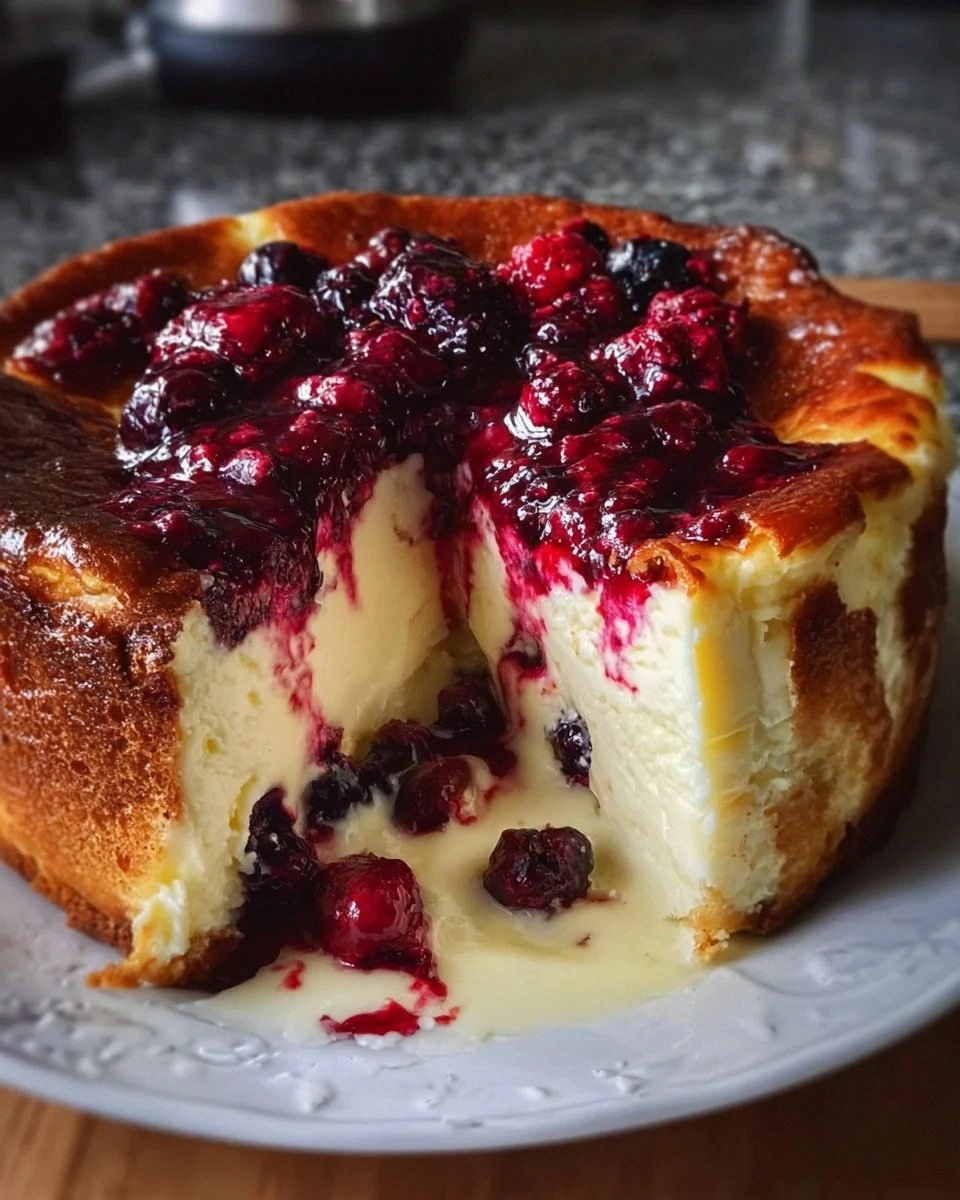
I was staring at a half‑baked batter, the kind that makes you feel like you’re about to set off a small kitchen explosion. The timer was ticking, the batter looked like a cloud that had forgotten how to rise, and my taste buds were screaming for something that could lift that disappointment to the heavens. That night, after a disastrous attempt at a “classic” sponge, I vowed to find a version that would make me forget the word “deflated.” And boy, did I find it.
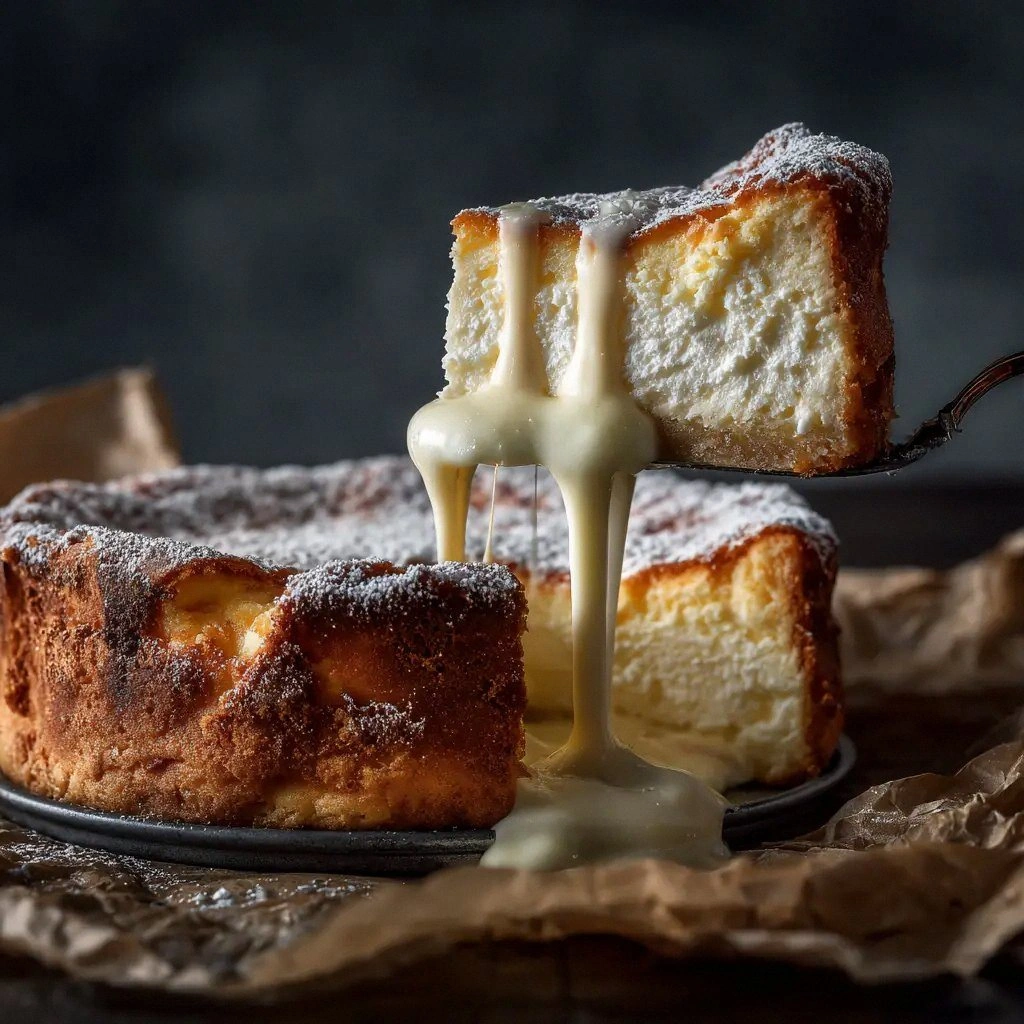
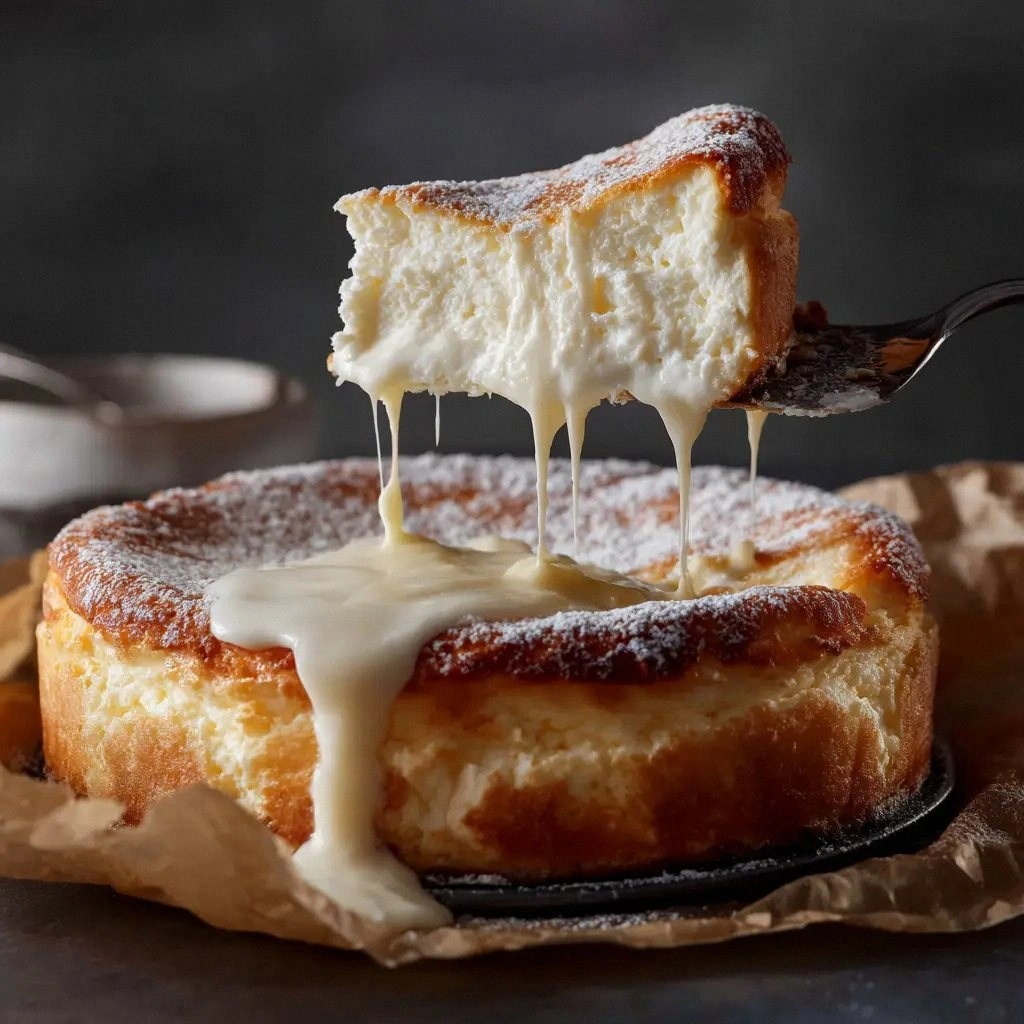
Picture this: you open the oven door and the kitchen is instantly filled with a sweet, airy aroma that feels like a hug from the clouds. The batter itself is a pale, almost translucent mixture, and when it’s finished, the cake looks like a puff of cotton candy that has been baked to golden perfection. The first bite is a soft, buttery bite that melts on the tongue, and the subtle vanilla undertone lingers like a whisper. The texture is so light it practically floats, yet it holds a gentle crumb that feels like a secret handshake between you and your dessert.
What sets this recipe apart from every other cloud cake out there is that it’s built around a single, surprisingly simple technique: the perfect whipped egg white base that gives the cake its signature lift. No secret leavening agents, no gimmicky powders, just a disciplined whisk, a dash of cream of tartar, and the patience to let the batter rise like a sunrise. The result? A cake that is both airy and dense enough to hold a generous drizzle of chocolate or a scoop of fresh berries without collapsing.
I dare you to taste this and not go back for seconds. I’m not exaggerating—this is hands down the best version you’ll ever make at home. Most recipes get this completely wrong; they either over‑beat the whites or under‑whisk the batter, leading to a cake that is either too dry or too dense. This version? Pure magic. If you’ve ever struggled with a cake that collapses on the first slice, you’re not alone, and I’ve got the fix. Picture yourself pulling this out of the oven, the whole kitchen smelling incredible, and watching the cake rise like a sunrise over the horizon.
What Makes This Version Stand Out
- Airiness: The use of pure egg whites whipped to stiff peaks creates a cloud‑like texture that is both light and stable. This technique eliminates the need for chemical leaveners, ensuring the cake stays fluffy for days.
- Flavor Balance: A touch of vanilla extract and a splash of whole milk keep the batter moist while adding a subtle depth that makes every bite feel indulgent.
- Ingredient Quality: Fresh, room‑temperature eggs and high‑grade unsalted butter make the difference between a cake that tastes like a bakery and one that feels like a kitchen experiment.
- Method Simplicity: The process is broken into three distinct stages—whipping, folding, and baking—so even novice bakers can follow along without feeling overwhelmed.
- Make‑ahead Potential: Because the batter holds its structure, you can prepare it a day in advance and bake it fresh, saving you time on the day of the event.
- Crowd Reaction: The cake’s delicate crumb and sweet, buttery finish have consistently left guests asking for the recipe, making it a guaranteed hit at parties.
- Visual Appeal: The pale, almost translucent finish gives the cake a “cloud” look that is Instagram‑worthy and incredibly satisfying to serve.
- Health‑Friendly Twist: By using cake flour and a moderate amount of sugar, this version keeps the calorie count in check while delivering the same mouth‑watering experience.
Alright, let’s break down exactly what goes into this masterpiece…
Inside the Ingredient List
The Flavor Base
Egg whites are the backbone of this cake’s lift. They’re light, airy, and provide a neutral canvas that lets the vanilla shine. Without them, the cake would collapse into a dense, cake‑like mess. If you skip the whites, you’ll lose that ethereal texture and end up with a heavy, less satisfying crumb.
Vanilla extract is the flavor hero. A single teaspoon is enough to infuse the batter with a warm, comforting aroma. If you prefer a floral note, swap in vanilla bean paste; the seeds will add a subtle crunch and a more pronounced vanilla flavor.
The Texture Crew
Cake flour is the secret to the cake’s delicate crumb. Its low protein content means the batter won’t develop too much gluten, keeping the cake soft and tender. If you can’t find cake flour, use all‑purpose flour but sift it twice to reduce gluten formation.
Unsalted butter, melted and cooled to room temperature, adds richness without overpowering the delicate flavor. The butter’s fat content creates a tender crumb, while the slight chill helps the batter maintain its structure during baking.
The Unexpected Star
Cream of tartar is the unsung hero that stabilizes the egg whites. It ensures the whites hold their peaks and don’t collapse when folded into the batter. Without it, the cake could turn out a bit flat. A pinch of salt can also be added to balance the sweetness.
The Final Flourish
Granulated sugar is the sweetener that caramelizes slightly during baking, giving the cake a golden crust. A half cup is enough to sweeten the batter without making it cloying. If you prefer a lower sugar content, try using a sugar substitute that behaves similarly in baking.
Whole milk adds moisture and a subtle richness that balances the dryness of the flour and the lightness of the whites. The fat in the milk helps the cake stay tender, while the proteins contribute to the structure. If you’re dairy‑free, a 1:1 ratio of oat milk or almond milk works well, but you may need to adjust the baking time slightly.
Everything’s prepped? Good. Let’s get into the real action…
The Method — Step by Step
- Preheat your oven to 350°F (175°C) and line a 9‑inch cake pan with parchment paper. The parchment prevents sticking and gives the cake a clean edge. While the oven heats, gather all your ingredients and let the eggs sit at room temperature for 10 minutes to ensure even mixing.
- In a large, clean bowl, combine the egg whites and cream of tartar. Using a stand mixer or a hand whisk, beat on medium speed until soft peaks form. Increase the speed to high and continue until stiff, glossy peaks appear. This step is crucial; under‑whipped whites will leave the cake heavy.
- In a separate bowl, whisk the egg yolks, whole milk, melted butter, vanilla extract, and sugar until the mixture is smooth and pale. The sugar should dissolve completely, creating a silky texture. This creates the flavor base that will be folded into the airy whites.
- Sift the cake flour over the yolk mixture to avoid lumps. Gently fold the flour in with a spatula, making sure not to deflate the beaten whites. The goal is to maintain as much air as possible while evenly distributing the flour.
- Now, fold the whipped egg whites into the batter in three portions. Use a gentle, circular motion to incorporate the whites without crushing them. This step is where the cake gains its cloud‑like lift.
- Watch Out: Over‑mixing after adding the whites can cause the batter to lose its volume, leading to a denser cake. Keep the folding quick and gentle. If the batter looks too thick, add a tablespoon of milk to loosen it.
- Pour the batter into the prepared pan, smoothing the top with a spatula. Tap the pan gently on the counter to release any air bubbles that may have formed. The batter should sit level, ready for the oven.
- Bake for 25–30 minutes, or until a toothpick inserted in the center comes out clean. The top should be a light golden brown, and the edges should pull slightly from the pan. Avoid opening the oven door too early, as sudden temperature changes can cause the cake to sink.
- Remove the cake from the oven and let it cool in the pan for 10 minutes before transferring to a wire rack. This final rest allows the steam to dissipate, preventing a soggy bottom. Once cooled, slice and serve with fresh berries or a dusting of powdered sugar.
That’s it — you did it. But hold on, I’ve got a few more tricks that will take this to another level. Stay tuned for insider tips that will make your cloud cake truly unforgettable.
Insider Tricks for Flawless Results
The Temperature Rule Nobody Follows
Many bakers set the oven to the exact temperature on the dial, but ovens can be off by several degrees. Use an oven thermometer to confirm the temperature is accurate. A slightly lower temperature (around 345°F) can prevent the cake from browning too quickly on the outside while staying soft inside.
Why Your Nose Knows Best
During baking, the cake releases a subtle scent that tells you it’s almost done. When the aroma is sweet and buttery, and the edges have pulled away slightly, the cake is ready to come out. Trust that scent over the timer.
The 5-Minute Rest That Changes Everything
After baking, let the cake rest in the pan for exactly five minutes. This pause allows the steam to settle, preventing the cake from cracking on the surface. If you skip this step, the cake’s top may become uneven.
The Fold‑In Technique
When folding in the egg whites, always use a wide spatula and a gentle, sweeping motion. This keeps the batter light. If you’re using a stand mixer, set it to low speed for the final fold.
The Butter Finish
For a glossy finish, brush the top of the cooled cake with a thin layer of melted butter. This adds shine and a buttery flavor that makes the cake feel indulgent. Let the butter set before slicing.
Creative Twists and Variations
This recipe is a playground. Here are some of my favorite ways to switch things up:
Lemon Zest Cloud
Add a tablespoon of freshly grated lemon zest to the batter for a bright, citrusy twist. The lemon pairs beautifully with the vanilla, giving the cake a refreshing finish that’s perfect for spring.
Chocolate Drizzle
After the cake has cooled, drizzle melted dark chocolate over the top. The chocolate adds a rich contrast to the light, airy cake, and the slight bitterness balances the sweetness.
Berry Compote
Serve the cake with a homemade berry compote made from fresh strawberries, blueberries, and a splash of balsamic vinegar. The compote’s tanginess cuts through the richness, creating a harmonious flavor profile.
Almond Flour Variant
Replace the cake flour with almond flour for a nutty flavor and a slightly denser texture. This version is gluten‑free and works well for those who want a different mouthfeel.
Coffee‑Infused Delight
Stir in a teaspoon of instant coffee powder into the batter to give the cake a subtle espresso kick. The coffee’s bitterness enhances the vanilla and creates a sophisticated dessert.
Storing and Bringing It Back to Life
Fridge Storage
Store the cooled cake in an airtight container in the refrigerator for up to five days. The cake stays moist and retains its airy texture, especially if wrapped in parchment paper before sealing.
Freezer Friendly
Wrap the cake tightly in plastic wrap and then place it in a freezer bag. It will keep well for up to two months. When ready to eat, let it thaw at room temperature for an hour before serving.
Best Reheating Method
Reheat slices in a toaster oven at 300°F for 3–4 minutes, or microwave on low power for 15–20 seconds. Add a tiny splash of water to the bottom of the pan before reheating to create steam, which helps the cake return to its original fluffiness.