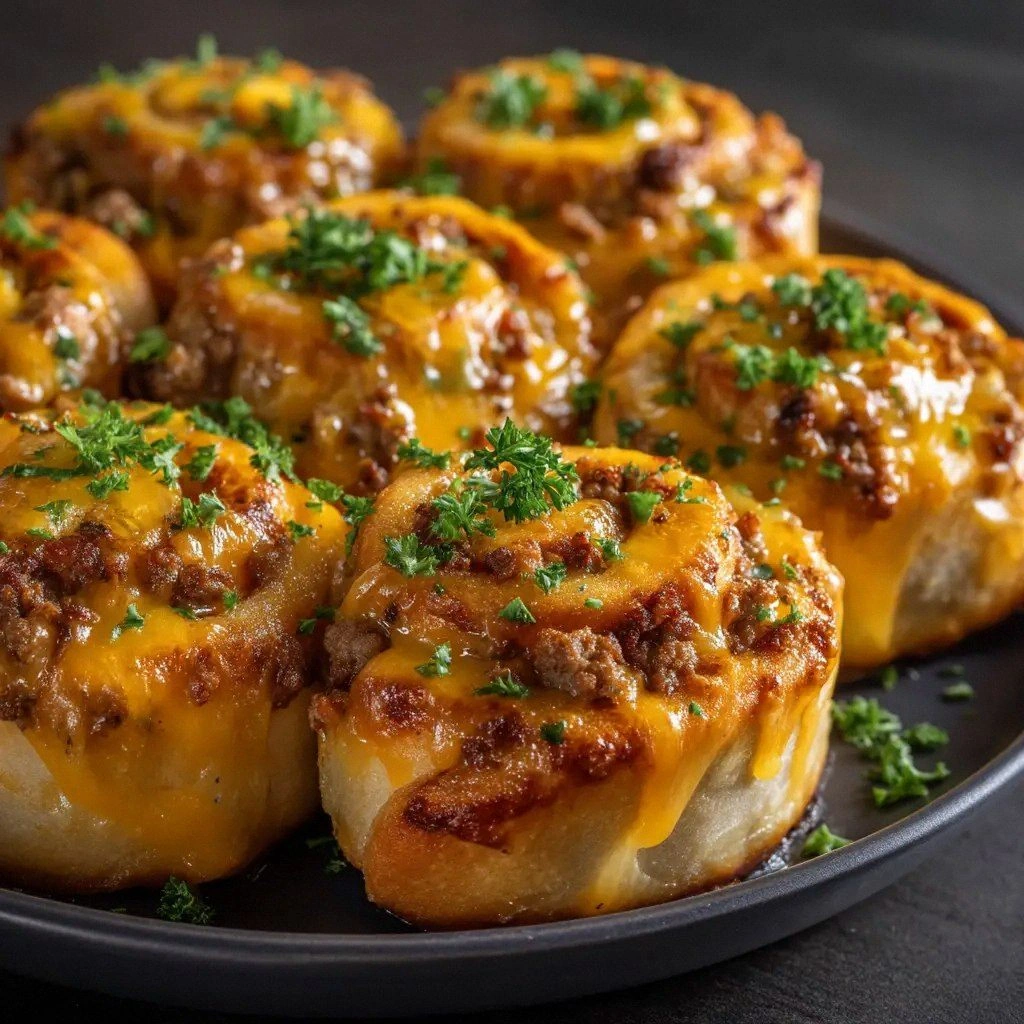
Ever been in the middle of a kitchen mishap, watching your dinner crumble into a sad, soggy mess, and thought, “This can’t be the way to do it”? That night, I was trying to whip up a quick burger dinner while my roommate was in a rush for work. The skillet hissed, the onions splattered, and the ground beef seemed to have a mind of its own. I stared at the pan, half‑expecting the meat to turn into a science experiment, and then I decided to throw everything into a sheet of crescent dough, bake it, and call it a day. The result? A golden, crispy roll that smelled like a burger joint and tasted like a hug from the inside. I was so hooked that I kept reaching for the dough, daring the oven to keep up with my craving. I dare you to taste this and not go back for seconds.
Picture yourself pulling this out of the oven, the kitchen smelling incredible, the aroma of melted cheddar mingling with the buttery dough. The moment the first roll hits the plate, you hear a satisfying crackle as the edges crisp to a golden brown. The bite is a harmonious explosion: the savory beef, the tang of pickles, the sweet glaze of ketchup, all wrapped in a flaky, buttery pocket. If you’ve ever struggled with making a burger that stays moist and doesn’t dry out, you’re not alone—and I’ve got the fix. I’ll be honest—before I discovered this trick, I’d spend hours trying to get the meat to stay juicy, only to end up with a dry, over‑cooked mess. This version, hands down, is the best you’ll ever make at home. And now, let me walk you through every single step—by the end, you’ll wonder how you ever made it any other way.
What if I told you that the secret to the ultimate cheeseburger rollup isn’t just in the meat or the cheese, but in how you combine them with the dough? It’s not about fancy sauces or exotic spices; it’s about balancing flavors, textures, and the simple joy of biting into something that feels both familiar and exciting. Think of each component as a player in a well‑coordinated orchestra: the beef is the robust bass line, the cheddar the soaring melody, the pickles the sharp percussion, and the crescent dough the velvety backdrop. When they all play in harmony, the result is a roll that sings. I’ll show you how to make sure every bite is packed with flavor, every roll is crisp on the outside and tender on the inside, and every plate looks like a mini, portable feast. Ready? Let’s dive into what makes this version stand out.
What Makes This Version Stand Out
- Flavor Fusion: The combination of ketchup, mustard, and pickles creates a tangy glaze that elevates the beef’s natural richness, giving each roll a depth that feels both nostalgic and fresh.
- Texture Contrast: The buttery crescent dough crisps to a golden finish while the inside remains soft and chewy, providing a satisfying bite that’s hard to resist.
- Speed and Simplicity: With a prep time under 15 minutes, you can go from raw ingredients to oven‑baked rollups in just half an hour—no culinary wizardry required.
- Crowd‑Pleaser: Whether you’re feeding a family, hosting a potluck, or prepping a snack for a game day, these rollups have the universal appeal of a cheeseburger in a bite‑sized format.
- Ingredient Quality: Using fresh ground beef and real cheddar ensures each roll delivers authentic flavor, while the pickles add a bright, crisp contrast.
- Make‑Ahead Friendly: You can assemble them a day ahead, freeze, and bake fresh when you’re ready—perfect for busy schedules.
- Versatile Base: The crescent roll dough is a neutral canvas that can be swapped for puff pastry, biscuit dough, or even pizza dough for different twists.
- Visual Appeal: The sesame seeds give a subtle crunch and a golden sheen that makes the rolls look as good as they taste.
Alright, let's break down exactly what goes into this masterpiece…
Inside the Ingredient List
The Flavor Base
The ground beef is the heart of these rollups. Choosing a cut with 15–20% fat, such as chuck or a blend, guarantees juicy, flavorful meat that doesn’t dry out during baking. If you’re watching calories, you can lean toward a 93% lean cut, but be prepared to add a splash of beef broth during cooking to keep the mixture moist. Skipping the beef entirely turns the roll into a veggie‑centric treat, but you lose that classic burger bite.
The Texture Crew
The crescent roll dough is the star that holds everything together. Refrigerated dough is ideal because it’s firm enough to handle the filling without tearing, yet still pliable enough to roll. If you’re in a pinch, a biscuit dough or even a pre‑made pizza crust can substitute, though the flavor profile will shift slightly. The cheddar cheese adds a creamy, melty layer that binds the beef to the dough, giving each bite a luscious, gooey center. A pinch of salt and pepper is essential to season the beef before it’s wrapped, ensuring the flavors aren’t buried.
The Unexpected Star
Pickles are often overlooked in burger recipes, yet they bring a bright, acidic note that cuts through the richness of the meat and cheese. A quarter cup of diced dill pickles adds just enough crunch and tang without overpowering. If you’re not a pickle fan, try adding a splash of apple cider vinegar or a sprinkle of capers for a similar punch. The mustard and ketchup duo creates a glaze that caramelizes on the dough, adding a sweet‑savory finish that feels like a classic burger sauce.
The Final Flourish
Sesame seeds aren’t just decorative; they add a subtle nutty flavor and a satisfying crunch to the tops of the rollups. They also help the dough hold together as it bakes, preventing the filling from leaking. An egg wash brightens the crust and gives it that glossy, golden sheen that’s impossible to resist. If you’re vegan, you can substitute a flax egg or a splash of aquafaba, though the texture may differ slightly. Finally, the egg also acts as a binder, keeping the roll together during baking.
Everything's prepped? Good. Let's get into the real action…
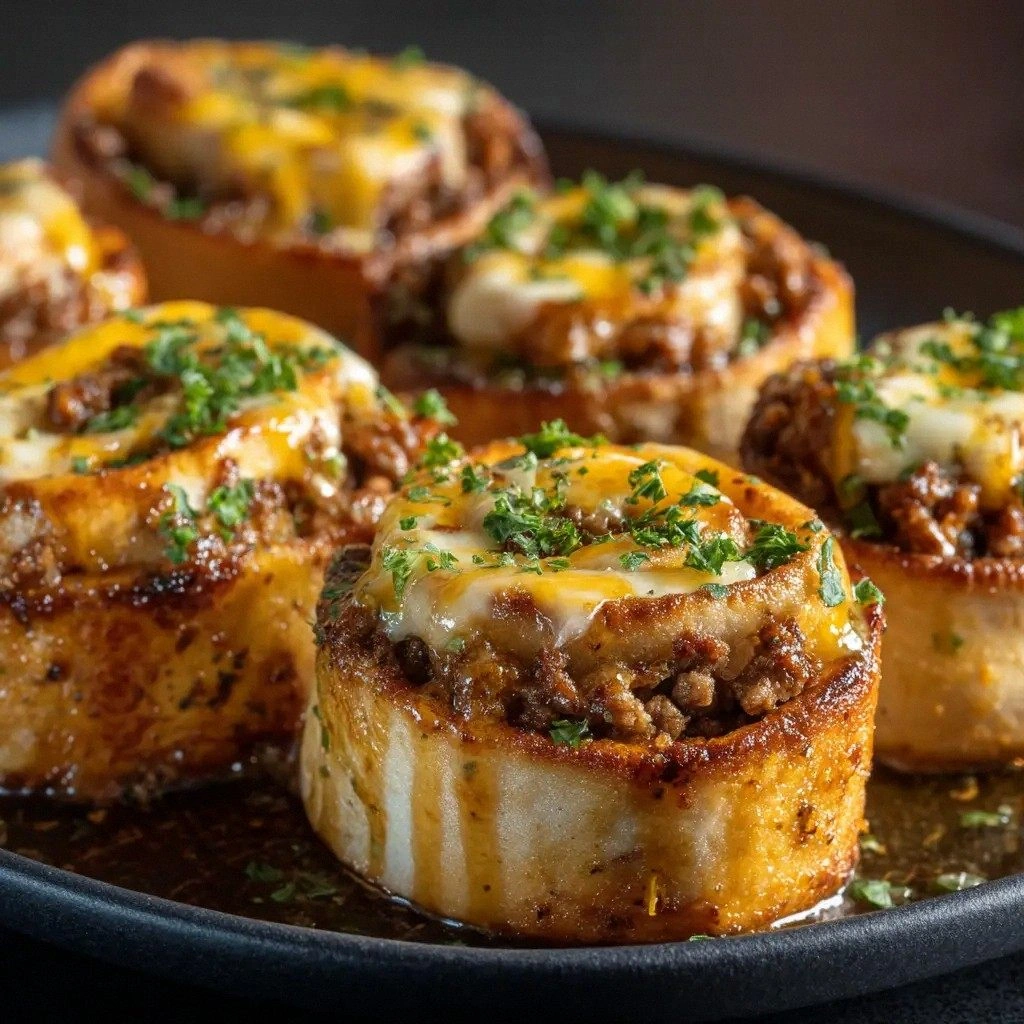
The Method — Step by Step
- Preheat your oven to 375°F (190°C). Line a baking sheet with parchment paper or a silicone mat. This step may seem trivial, but a properly preheated oven ensures the dough rises evenly and develops a crisp exterior.
- In a large skillet over medium‑high heat, brown the ground beef. Break it apart with a wooden spoon, letting it sizzle as it cooks. When the beef turns brown, drain any excess grease and set it aside. The goal is a moist, flavorful base—don’t rush it.
- Add the finely chopped yellow onion to the skillet. Sauté until translucent and fragrant, about 3–4 minutes. The onion adds sweetness and depth; if you skip it, the roll will taste flat.
- Stir in the ketchup, mustard, and diced pickles. Cook for an additional 2 minutes, allowing the flavors to meld and the mixture to thicken slightly. The glaze should coat the meat like a glossy coat of sauce.
- Season the meat mixture with salt and pepper to taste. Keep in mind that the cheddar will add its own saltiness, so be cautious not to over‑salt. A good rule of thumb is one pinch of salt per pound of meat.
- Let the mixture cool for a minute, then fold in the shredded cheddar cheese. The residual heat will melt the cheese, creating a gooey, cohesive filling that clings to the dough.
- Unroll the crescent roll dough onto a lightly floured surface. Separate it into 8 equal triangles. Place a heaping tablespoon of the beef‑cheese mixture at the wide end of each triangle, leaving a small border. Fold the dough over the filling, pinching the edges to seal. The seal is crucial; if it leaks, you’ll have a soggy roll.
- Brush each roll with a beaten egg, then sprinkle sesame seeds on top. The egg wash gives the crust a beautiful sheen, while the seeds add a subtle crunch. Place the rolls seam‑side down on the prepared baking sheet.
- Bake for 15–18 minutes, or until the dough is golden brown and the cheese has melted into a bubbly, golden center. The smell of toasted dough and sizzling cheese will fill the kitchen, making the anticipation almost unbearable.
- Remove from the oven and let the rollups rest for 3 minutes before serving. This short rest allows the cheese to set slightly, preventing a cheese escape when you bite into them.
That’s it — you did it. But hold on, I’ve got a few more tricks that’ll take this to another level…
Insider Tricks for Flawless Results
The Temperature Rule Nobody Follows
Many bakers bake at 400°F, assuming a higher heat yields a crisper crust. However, 375°F is the sweet spot for crescent dough, ensuring it rises without burning while giving the cheese time to melt evenly. If you’re in a hot climate, lower the temperature slightly to 365°F to prevent the dough from over‑browning.
Why Your Nose Knows Best
Smell is a powerful cue. When the first few rolls hit the oven, the aroma of toasted dough and caramelized onions will fill the kitchen. That’s your signal that the crust is golden and the filling is bubbling. If the smell seems flat, the oven may need preheating, or the dough might be too cold.
The 5‑Minute Rest That Changes Everything
Letting the rollups rest for exactly five minutes after baking allows the cheese to set, preventing a gooey mess when you cut into them. It also gives the dough a chance to relax, ensuring a tender bite. Skip this step, and you’ll have a cheese‑dripping disaster.
The Secret to Crispy Edges
Before sealing the dough, lightly brush the edges with a beaten egg. This not only adds shine but also seals the dough, preventing the filling from leaking during baking. If you’re vegan, a splash of plant‑based milk will work just as well.
The Perfect Egg Wash
A single egg beaten with a splash of water creates a golden, glossy finish that makes the rolls look as good as they taste. If you’re short on time, a quick drizzle of melted butter can also give a beautiful sheen.
Creative Twists and Variations
This recipe is a playground. Here are some of my favorite ways to switch things up: Cheesy Jalapeño Rollups swap the cheddar for pepper jack and add diced jalapeños for a spicy kick. BBQ Bacon Rollups replace the pickles with crispy bacon bits and drizzle a smoky BBQ sauce over the filling. Veggie‑Loaded Rollups leave out the beef and fill with sautéed mushrooms, spinach, and feta for a lighter option. Greek Rollups use tzatziki sauce, sliced cucumber, and a sprinkle of oregano for a Mediterranean twist. Sweet & Savory Rollups add a thin layer of caramelized onions and a drizzle of honey before baking for a caramelized sweetness that pairs beautifully with the beef.
Storing and Bringing It Back to Life
Fridge Storage
Store uncooked rollups in an airtight container for up to 2 days. When ready to bake, preheat the oven and bake at 375°F for 12–15 minutes, or until golden. For pre‑baked rolls, store them in the fridge for up to 3 days and reheat in the oven at 350°F for 5 minutes.
Freezer Friendly
Freeze assembled, uncooked rollups on a parchment‑lined tray for 1–2 hours, then transfer to a freezer bag. They’ll keep for up to 3 months. Bake directly from frozen, adding 5 minutes to the cooking time. For pre‑baked rolls, freeze in a sealed bag for up to 2 months and reheat in the oven at 350°F for 5 minutes.
Best Reheating Method
To bring a pre‑baked roll back to life, add a splash of water to the baking dish, cover loosely with foil, and reheat at 350°F for 5 minutes. The water steams the rolls, restoring moisture without drying out the crust. If you’re in a hurry, a quick 30‑second burst in the microwave works, but the texture may be slightly softer.