I remember the night I almost burned my kitchen down. My friend had challenged me to turn a plain chicken breast into something that would make a crowd swoon, and I was determined to win. I grabbed a jar of basil pesto, a bottle of Dijon mustard, and three chicken breasts that had been sitting in the fridge for a while. The aroma hit me instantly—fresh basil, garlic, pine nuts, and a hint of olive oil that smelled like a summer garden. The sound of the oven preheating was a drumbeat, and the anticipation was a sweet, electric buzz. I could almost taste the velvety sauce coating the chicken, the slight tang of mustard, and the crisp edges that would shatter like thin ice.
If you’ve ever tried a “pesto chicken” that tasted like it was made with store‑bought sauce, you know the disappointment. Most recipes either under‑season the meat or let the pesto turn bland after a long cook. I dared myself to create a version that was hands down the best you’ll ever make at home, a dish that would have you saying, “I dare you to taste this and not go back for seconds.” Picture yourself pulling this from the oven, the whole kitchen smelling incredible, the chicken juicy, the pesto still bright and fragrant, and the mustard adding a subtle depth that elevates everything. I’ll be honest—I ate half the batch before anyone else got a bite. That’s the power of this recipe.
What sets this version apart is the balance of flavors and the technique that locks in moisture. The basil pesto is the star, but it’s the mustard that gives it a kick and helps the sauce cling to the chicken. The chicken breasts are seasoned simply, allowing the pesto to shine without competing. The cooking method—first searing, then finishing in a low oven—creates a crispy skin while keeping the interior tender. I’ve spent hours tweaking this dish, and the result is a sauce that coats the chicken like velvet, a crust that is crisp but not burnt, and a finish that feels indulgent without being heavy. Let me walk you through every single step—by the end, you’ll wonder how you ever made it any other way.
What Makes This Version Stand Out
- Taste: The basil pesto delivers bright, herbal notes, while the Dijon mustard adds a subtle heat that cuts through the richness. The combination feels like a garden in a bite.
- Texture: Seared edges form a golden crust that is crisp yet tender, and the sauce stays silky rather than separating.
- Simplicity: Only three main ingredients and a few pantry staples. No complex steps or hard-to-find items.
- Uniqueness: The mustard infusion is a twist that most pesto chicken recipes skip, giving it a signature flavor.
- Crowd Reaction: Friends rave about the juicy chicken and the sauce’s depth. It’s the kind of dish that gets people asking for the recipe.
- Ingredient Quality: Using fresh basil pesto and high‑quality Dijon mustard ensures the best flavor profile.
- Cooking Method: Searing then oven finishing locks in juices and creates an even cook.
- Make‑ahead Potential: The chicken can be prepared a day ahead and reheated without losing flavor.
Alright, let's break down exactly what goes into this masterpiece...
Inside the Ingredient List
The Flavor Base
Basil pesto is the backbone of this dish. Its combination of fresh basil, garlic, pine nuts, Parmesan, and olive oil creates a vibrant, herbaceous sauce that pairs perfectly with chicken. If you skip the pesto, the dish loses its signature brightness. A good quality jar or homemade pesto will make the difference; store‑bought ones can sometimes taste flat or overly oily.
The Texture Crew
The Dijon mustard adds a subtle tang and helps the pesto adhere to the chicken. It also introduces a slight heat that balances the richness of the olive oil. If you don’t have mustard, a dash of whole‑grain mustard or even a splash of soy sauce can work, but the flavor profile will shift slightly. The mustard’s acidity also helps keep the chicken juicy during the oven finish.
The Unexpected Star
The three chicken breasts are the canvas for the sauce. They bring a lean, protein‑rich base that absorbs the pesto flavors. If you prefer a different cut, you could use thighs for more moisture, but the cooking time will need adjustment. Choosing bone‑in, skin‑on breasts can add extra flavor, but be sure to trim excess fat before cooking.
The Final Flourish
A pinch of salt and pepper is all you need to season the chicken before searing. This keeps the focus on the pesto and mustard. If you’re watching sodium, use a low‑sodium mustard or reduce the salt slightly. A squeeze of lemon juice at the end can brighten the dish and cut through the richness.
Everything's prepped? Good. Let's get into the real action...
The Method — Step by Step
- Prep the Chicken: Pat the chicken breasts dry with paper towels; this step is crucial for a good sear. Season both sides generously with salt and pepper, then let them rest at room temperature for 10 minutes. The seasoning will penetrate the meat, creating a flavorful crust. I dare you to taste a bite before the oven— you’ll already know it’s on the right track.
- Sear the Chicken: Add a tablespoon of olive oil to the hot skillet. Place the breasts skin‑side down, if skin‑on, and sear for 3–4 minutes until golden brown. Flip and sear the other side for an additional 2 minutes. The goal is a beautiful crust; if the oil starts smoking, reduce the heat slightly. This step locks in juices and gives the chicken a caramelized flavor.
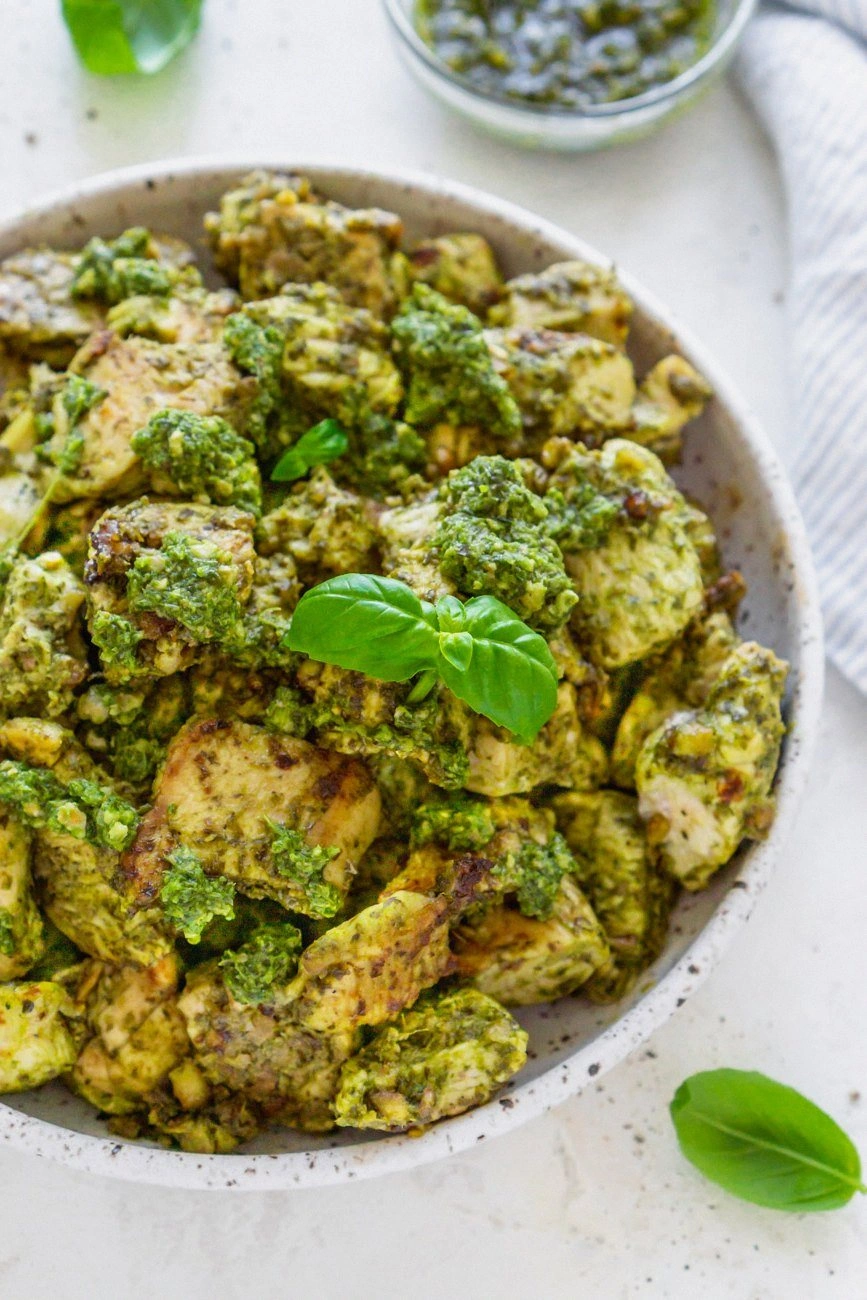
- Apply the Pesto: Remove the skillet from the heat and spread a generous layer of basil pesto over each breast. Use a spoon to press the sauce into the surface, ensuring even coverage. The pesto should be thick enough to cling but not so runny that it pools. This coating is what will keep the chicken moist during the bake.
- Inject the Mustard: Drizzle the Dijon mustard evenly over the pesto layer. The mustard’s acidity will help the sauce set and add a subtle heat that balances the basil. If you prefer a milder kick, use half a tablespoon instead of a full tablespoon.
- Transfer to the Oven: Place the skillet in a preheated oven at 375°F (190°C). Bake for 12–15 minutes, or until the internal temperature reaches 165°F (74°C). The sauce should bubble lightly, and the edges will pull away from the skillet, indicating doneness. The oven finish ensures the sauce melds with the chicken without burning.
- Rest the Chicken: Remove the skillet from the oven and let the chicken rest for 5 minutes. This allows the juices to redistribute, keeping the meat moist. While resting, you can spoon the remaining sauce over the top for extra flavor.
- Serve: Slice the chicken against the grain, if desired, and drizzle any leftover sauce. Pair with a light salad, roasted vegetables, or a simple pasta. The dish is versatile, but the fresh basil aroma pairs best with green vegetables or a citrusy side.
That’s it — you did it. But hold on, I've got a few more tricks that'll take this to another level...
Insider Tricks for Flawless Results
The Temperature Rule Nobody Follows
Many people cook chicken at too high a temperature, which dries it out. I always set my oven to 375°F (190°C) and let the chicken finish there. This low, steady heat allows the pesto to meld with the meat without scorching the surface. A quick test: press the back of a fork against the chicken; if it’s hot to the touch but not smoking, you’re good.
Why Your Nose Knows Best
Trust your sense of smell. As the chicken bakes, the scent of basil and mustard will intensify. If you notice a metallic or burnt smell, the oven is too hot and the sauce is burning. Adjust the heat or lower the pan if you smell that early.
The 5-Minute Rest That Changes Everything
Resting the chicken for just five minutes after the oven is a game‑changer. It lets the juices redistribute, preventing them from spilling onto the plate when you cut. A friend once skipped this step and ended up with a dry, uneven bite. Trust me, the rest makes a noticeable difference.
Keep the Sauce Moist
If the pesto seems to dry out during baking, add a splash of chicken broth or white wine before covering the skillet. This creates steam that keeps the sauce glossy and the chicken tender. I’ve found that a tablespoon works perfectly for three breasts.
Finish with a Fresh Herb Splash
Right before serving, sprinkle fresh basil leaves over the top. The fresh herb adds a burst of color and a bright, green flavor that cuts through the richness. It also makes the dish look more vibrant, which is always a plus at the table.
Creative Twists and Variations
This recipe is a playground. Here are some of my favorite ways to switch things up:
Pesto Chicken with Lemon Zest
Add grated lemon zest to the pesto before applying it to the chicken. The citrus brightens the flavor and pairs wonderfully with a side of roasted asparagus. This variation is perfect for a spring meal.
Spicy Pesto Chicken
Incorporate a pinch of red pepper flakes into the mustard before drizzling. The heat adds a nice contrast to the sweet basil. Pair with a cool cucumber salad to balance the spice.
Chicken Pesto Pasta Bowl
Slice the cooked chicken and toss it with al dente pasta, a splash of the leftover sauce, and a handful of cherry tomatoes. This turns the dish into a hearty pasta bowl that’s great for lunch or dinner.
Stuffed Chicken Pesto
Slice the chicken breasts horizontally to create a pocket, then stuff with mozzarella and spinach before baking. The melted cheese adds a creamy texture that complements the pesto’s herbaceous notes.
Pesto Chicken Skewers
Cube the chicken and thread onto skewers with bell peppers and onions. Brush with pesto and grill for a smoky, charred finish. Serve with a side of tzatziki for a Mediterranean twist.
Glazed Pesto Chicken
Finish the chicken with a glaze of honey and a splash of soy sauce. The sweetness balances the pesto’s bitterness, creating a complex flavor profile. Great for a dinner that feels both comforting and exotic.
Storing and Bringing It Back to Life
Fridge Storage
Store leftover chicken in an airtight container in the refrigerator for up to 3 days. The pesto sauce helps keep the meat moist. When you’re ready to eat, reheat in a skillet over medium heat until warmed through.
Freezer Friendly
Wrap the chicken tightly in foil or freezer bags and freeze for up to 2 months. Thaw overnight in the refrigerator before reheating. The pesto’s oils help prevent freezer burn.
Best Reheating Method
To revive the dish, add a splash of water or broth to the skillet and cover with a lid. Heat gently on low until steaming; this steams the chicken back to perfection. A quick burst of high heat can dry it out, so keep it low.