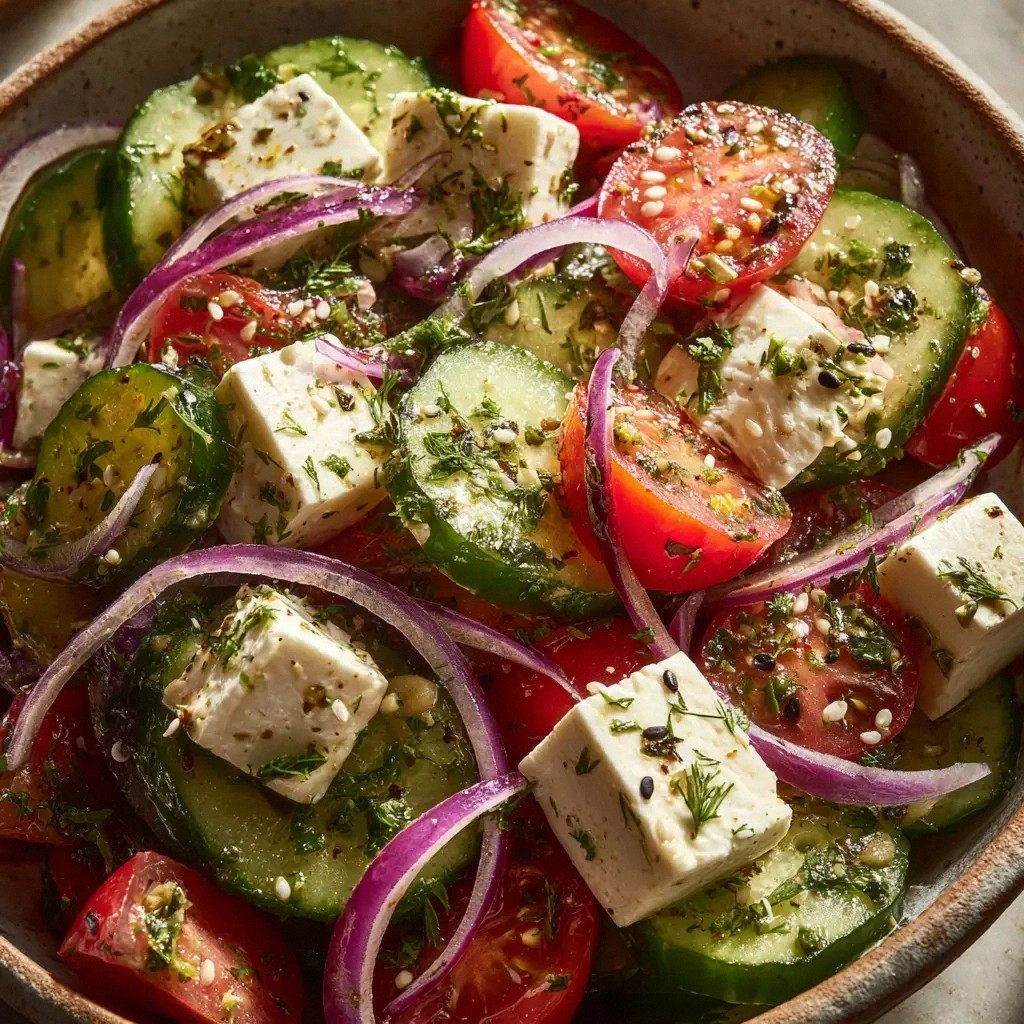
Picture this: I was standing in a cramped apartment kitchen, the clock ticking toward midnight, and my friend dared me to recreate the legendary Greek salad she’d bragged about at a beachside taverna. I stared at the bowl of chopped tomatoes, the drizzle of olive oil, and the pungent scent of oregano, feeling a surge of excitement mixed with a hint of panic. The next thing I knew, a kitchen disaster unfolded—my cucumber slipped from my hand and splattered across the counter, the feta block slipped from the fridge, and I was left scrambling to salvage what remained. That chaotic moment sparked a mission: to craft the ultimate Greek salad that would outshine every version I’d ever tried. I dare you to taste this and not go back for seconds. If you’ve ever struggled to balance the bright acidity with the creamy tang, you’re not alone—and I’ve got the fix. This is hands down the best version you'll ever make at home. Let me walk you through every single step—by the end, you'll wonder how you ever made it any other way.
What Makes This Version Stand Out
- Flavor: The combination of ripe tomatoes and sharp feta creates a harmonious contrast that feels both indulgent and refreshing. The olive oil coats each bite like velvet, while a splash of vinegar adds a lively zing that wakes up the palate.
- Texture: Every component—crisp cucumber, tender onion, briny olives—offers a distinct mouthfeel. The feta’s crumbly yet creamy texture is the secret that ties everything together.
- Ingredient Quality: Using locally sourced produce and high‑grade extra‑virgin olive oil elevates the dish from simple to sublime. The feta’s tang is amplified by the natural saltiness of Kalamata olives.
- Authenticity: This recipe honors the classic Horiatiki style, with minimal seasoning and an emphasis on the natural flavors of each ingredient. No fancy dressings or over‑complicated steps.
- Ease: All steps are straightforward—no chopping frenzy, no time‑consuming marinades. It’s a quick, no‑fuss salad that still feels like a gourmet experience.
- Make‑Ahead Friendly: The salad can be prepared up to an hour in advance. The dressing can be whisked ahead, and the feta can be pre‑crumbled for convenience.
Alright, let’s break down exactly what goes into this masterpiece. Every ingredient has a purpose, and together they create a symphony of flavors that dance on the tongue.
Inside the Ingredient List
The Flavor Base
The tomatoes are the heart of this salad. Choose the most ripe, juicy ones you can find; their natural sweetness balances the acidity of the vinegar and the saltiness of the feta. If you’re in a hurry, a mix of cherry and heirloom tomatoes can add visual appeal and a burst of flavor. Skipping tomatoes would leave the salad feeling flat and lacking that essential bright punch.
The Texture Crew
The cucumber provides that satisfying crunch, while the red onion adds a subtle bite that cuts through the richness of the feta. Removing the seeds from the cucumber before slicing not only reduces moisture but also prevents the salad from becoming soggy. If you prefer a milder onion flavor, soak the slices in cold water for 10 minutes before draining.
The Unexpected Star
Kalamata olives might seem ordinary, but they bring a deep, briny complexity that elevates the dish. Their dark color and robust flavor contrast beautifully with the bright vegetables. If you can’t find Kalamata, a good quality green olive will still deliver a satisfying bite, though the flavor profile will shift slightly.
The Final Flourish
Feta cheese is the creamy anchor that binds everything together. Use a block that’s firm yet crumbly; a soft feta will disintegrate too quickly. A 7‑ounce block works well for four servings, and pre‑crumbling it ensures even distribution. If you’re vegan, a crumbled tofu seasoned with nutritional yeast can mimic the texture, though the flavor will differ.
Everything’s prepped? Good. Let’s get into the real action.
The Method — Step by Step
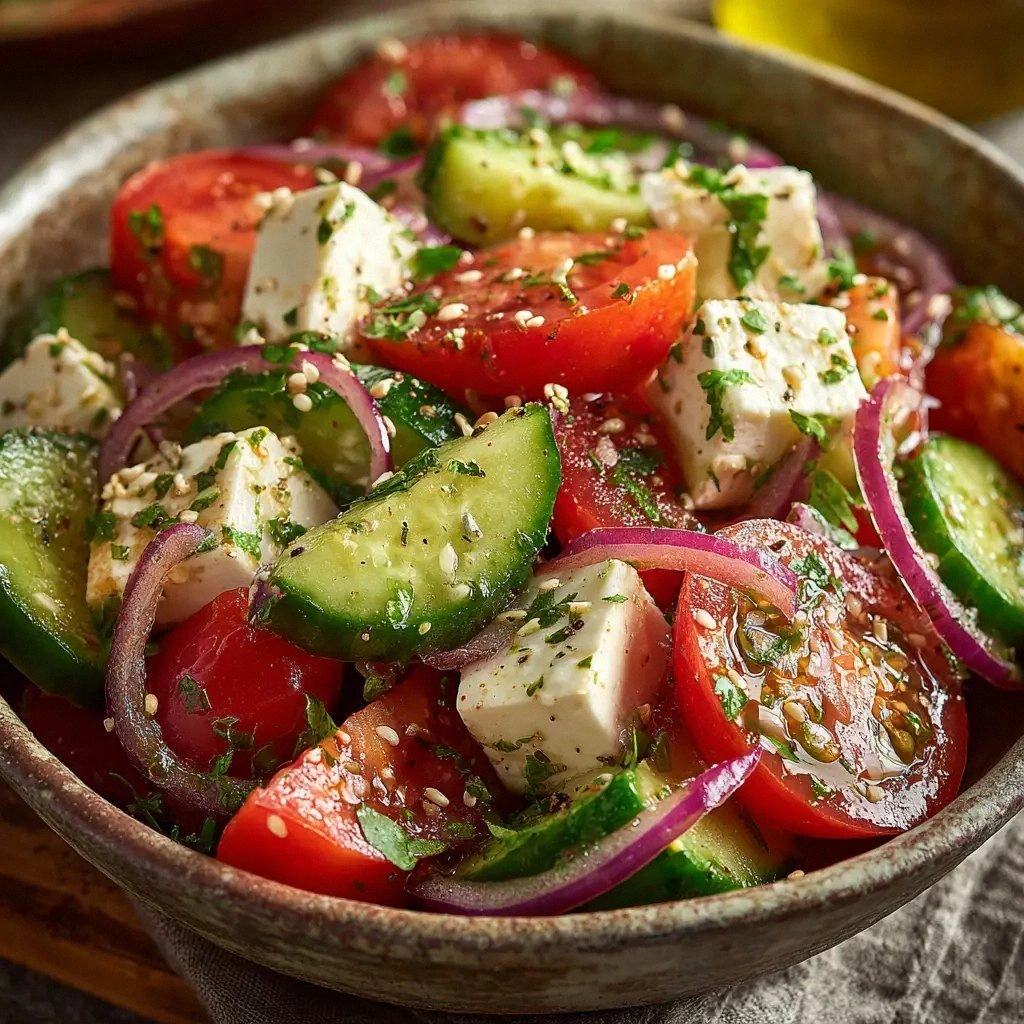
- Step 1: Prepare the Veggies. Wash the tomatoes, cucumber, and onion under cold water. Slice the tomatoes into bite‑sized wedges, halve the cucumber lengthwise, scoop out the seeds, and cut into half‑moon slices. Thinly slice the onion for a delicate bite. This is where the salad’s bright colors begin to pop, and the aroma of fresh produce starts to fill the kitchen.
- Step 2: Crumble the Feta. Break the block of feta into bite‑sized cubes or crumble it by hand. A firm block will hold its shape better, giving a pleasant texture contrast. If you prefer a smoother consistency, you can lightly mash the feta with a fork.
- Step 3: Assemble the Base. In a large mixing bowl, combine the tomatoes, cucumber, onion, and olives. Toss gently to distribute the ingredients evenly. The goal is to keep each component visible, so the salad feels lively and vibrant.
- Step 4: Add the Dressing. In a small bowl, whisk together the extra‑virgin olive oil, red wine vinegar, dried oregano, sea salt, and freshly ground black pepper. The ratio of oil to vinegar is 4:1, ensuring the dressing coats the veggies without overpowering them. Watch Out: If you add too much salt, the feta will become overly salty; start with a pinch and adjust to taste.
- Step 5: Combine. Pour the dressing over the salad and toss gently until every piece is lightly coated. The olive oil should give the vegetables a glossy sheen, while the vinegar adds a subtle sparkle.
- Step 6: Fold in the Feta. Gently fold the crumbled feta into the salad, ensuring it’s evenly distributed. The feta’s creamy chunks will provide pockets of richness that contrast with the crisp vegetables.
- Step 7: Rest. Let the salad sit for 5 minutes before serving. This short rest allows the flavors to mingle and the feta to soften slightly, making each bite more harmonious.
- Step 8: Serve. Transfer the salad to a serving bowl or plate. If you’re serving at a gathering, keep the salad chilled in the fridge until just before serving to preserve crispness.
That’s it—you did it. But hold on, I’ve got a few more tricks that will take this to another level.
Insider Tricks for Flawless Results
The Temperature Rule Nobody Follows
Keep all ingredients cold until just before mixing. Cold vegetables hold their crunch better, and the feta stays firm. A quick rinse in cold water and a brief chill in the fridge can make a noticeable difference. I once made a salad at room temperature and it was soggy—lesson learned!
Why Your Nose Knows Best
Before you toss the dressing, sniff it. A well‑balanced dressing should smell bright, with a hint of citrus from the vinegar and a subtle earthiness from the oregano. If it smells too oily, add a splash more vinegar; if it’s too acidic, a touch more olive oil will mellow it.
The 5‑Minute Rest That Changes Everything
After tossing, let the salad sit for 5 minutes. This short rest allows the flavors to meld and the feta to soften slightly, creating a more cohesive taste. Skipping this step can leave the salad feeling disjointed.
The Secret to Crispy Cucumbers
Salt the cucumber slices lightly before adding them to the salad. The salt draws out moisture, keeping the cucumber crisp. Pat them dry with a paper towel before tossing.
The Perfect Finish
Just before serving, drizzle a small amount of high‑quality olive oil over the top. This glossy finish enhances the visual appeal and adds a final burst of flavor.
Creative Twists and Variations
This recipe is a playground. Here are some of my favorite ways to switch things up:
Mediterranean Crunch
Add a handful of roasted red pepper strips and a sprinkle of toasted pine nuts. The pepper adds smoky sweetness, while the nuts introduce a satisfying crunch.
Herb‑Infused Feta
Before crumbling, mix the feta with fresh chopped dill and mint. The herbs bring a bright, aromatic layer that pairs beautifully with the olives.
Vegan Version
Replace feta with crumbled marinated tofu seasoned with nutritional yeast. Add a splash of lemon juice for acidity. The tofu mimics the creamy texture while keeping the dish plant‑based.
Summer Berry Twist
Incorporate a handful of sliced strawberries and a drizzle of balsamic reduction. The berries add a juicy sweetness, and the balsamic brings depth.
Spicy Kick
Add a pinch of red pepper flakes or a few slices of fresh jalapeño. The heat balances the richness of the feta and olive oil.
Storing and Bringing It Back to Life
Fridge Storage
Store the salad in an airtight container for up to 2 days. Keep the dressing separate until serving to prevent the vegetables from becoming soggy. A small paper towel in the container can absorb excess moisture.
Freezer Friendly
Freezing isn’t recommended for the whole salad, but you can freeze the dressing and the feta separately. When ready to serve, thaw the feta, combine with the fresh vegetables, and whisk the dressing in.
Best Reheating Method
Reheating isn’t necessary, but if you must, gently warm the salad in a low‑heat microwave for 15–20 seconds, then stir. Add a tiny splash of water before reheating to create steam that helps the salad regain its freshness.