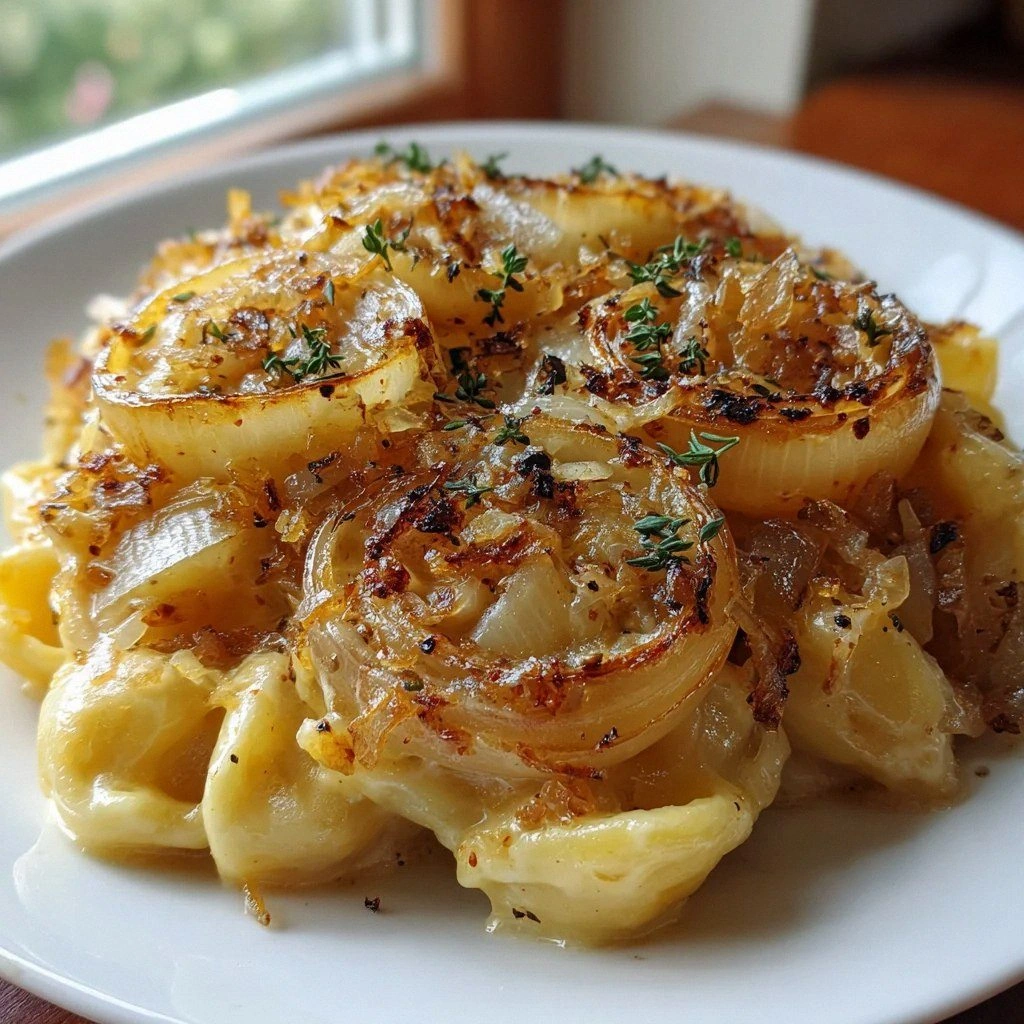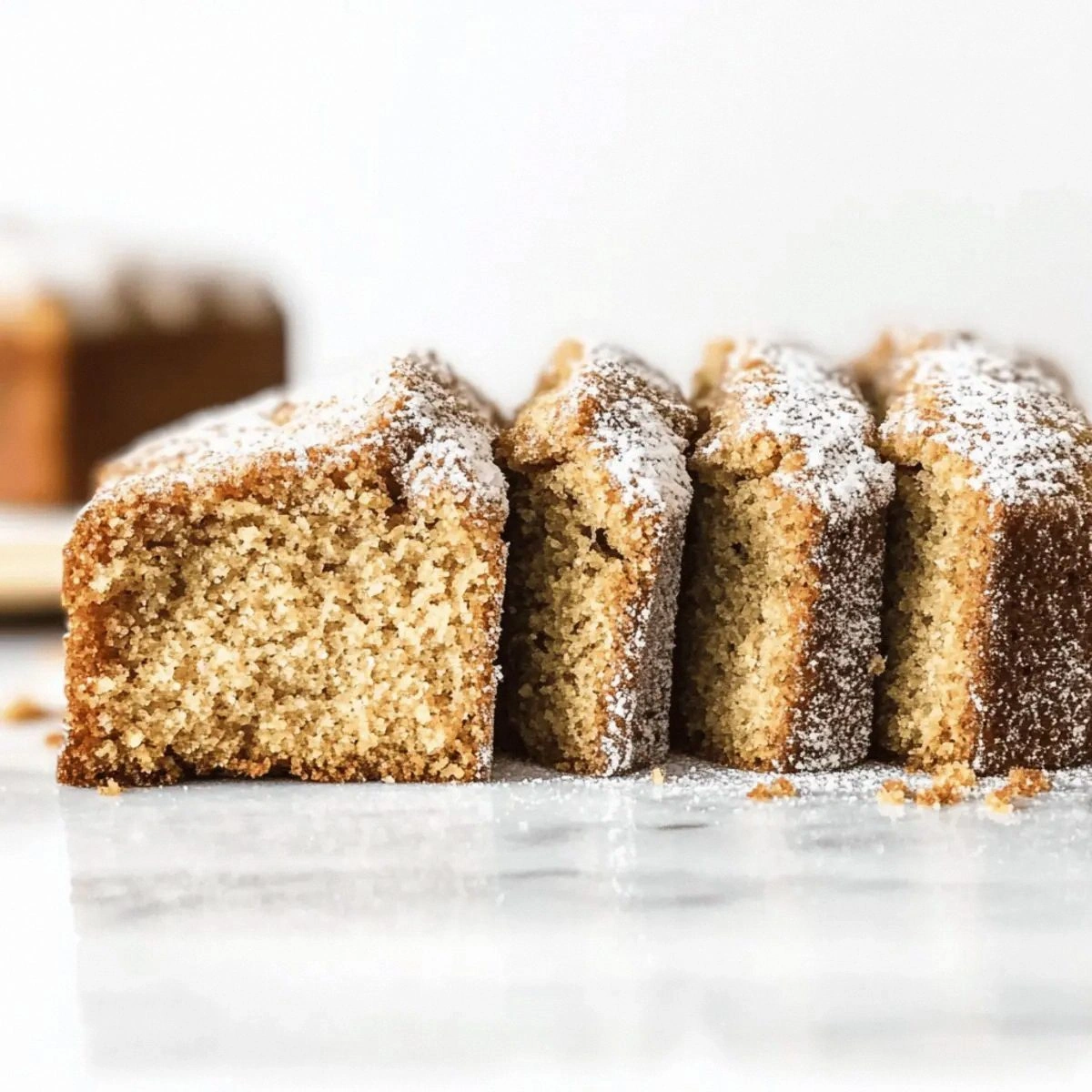
Picture this: it’s a crisp Saturday morning, the leaves are turning that perfect shade of amber, and you’re standing in your kitchen with a half‑finished batch of plain, sad‑looking muffins that have somehow turned into a culinary crime scene. I swear, the batter looked like it belonged in a science lab, and the smell? A faint hint of burnt sugar that made me question all my life choices. I was on the brink of ordering a bagel from the corner shop when a sudden dare from my roommate—“Make something that actually tastes like fall, or you’re buying coffee for a month”—sent me spiraling into a frantic search for the ultimate comfort bake.
After three failed attempts that left me with a dry, dense loaf that could double as a doorstop, I finally stumbled upon the secret weapon: apple cider, that golden, spiced nectar of autumn, paired with a doughnut‑style crumb that’s as tender as a cloud and as sweet as a first‑kiss on a chilly day. The moment I poured the cider into the batter, the kitchen filled with a perfume that could coax even the most stubborn snowflake to melt. The sizzling sound of butter hitting the hot pan was like a tiny applause, and the batter itself looked like liquid amber, shimmering with promise.
What makes this version truly stand out is the marriage of two classic comforts—doughnut cake and apple cider—into one glorious loaf that’s dense enough to satisfy a dessert craving yet light enough to be the star of a cozy breakfast. I dared you to taste this and not go back for seconds, and honestly, I’ve already eaten half the batch before anyone else could even sniff it. Most recipes get the texture wrong, ending up either soggy or crumbly; this one hits the sweet spot, thanks to a precise balance of butter, sour cream, and a sneaky dash of cornstarch that keeps the crumb airy.
And here’s the kicker: I’m about to reveal a technique that most bakers overlook—a brief, high‑heat blast at the start of baking that creates a caramelized crust, locking in moisture like a sealed treasure chest. This is hands down the best version you’ll ever make at home, and I’m about to walk you through every single step—by the end, you’ll wonder how you ever made it any other way.
What Makes This Version Stand Out
- Flavor Explosion: The apple cider infuses a subtle tartness that perfectly balances the sweet brown sugar, creating a flavor profile that sings with every bite.
- Moisture Mastery: The combination of sour cream and butter creates a tender crumb that stays moist for days, making leftovers a treat, not a tragedy.
- Simple Elegance: With just a handful of pantry staples, you get a bakery‑level result without any fancy equipment.
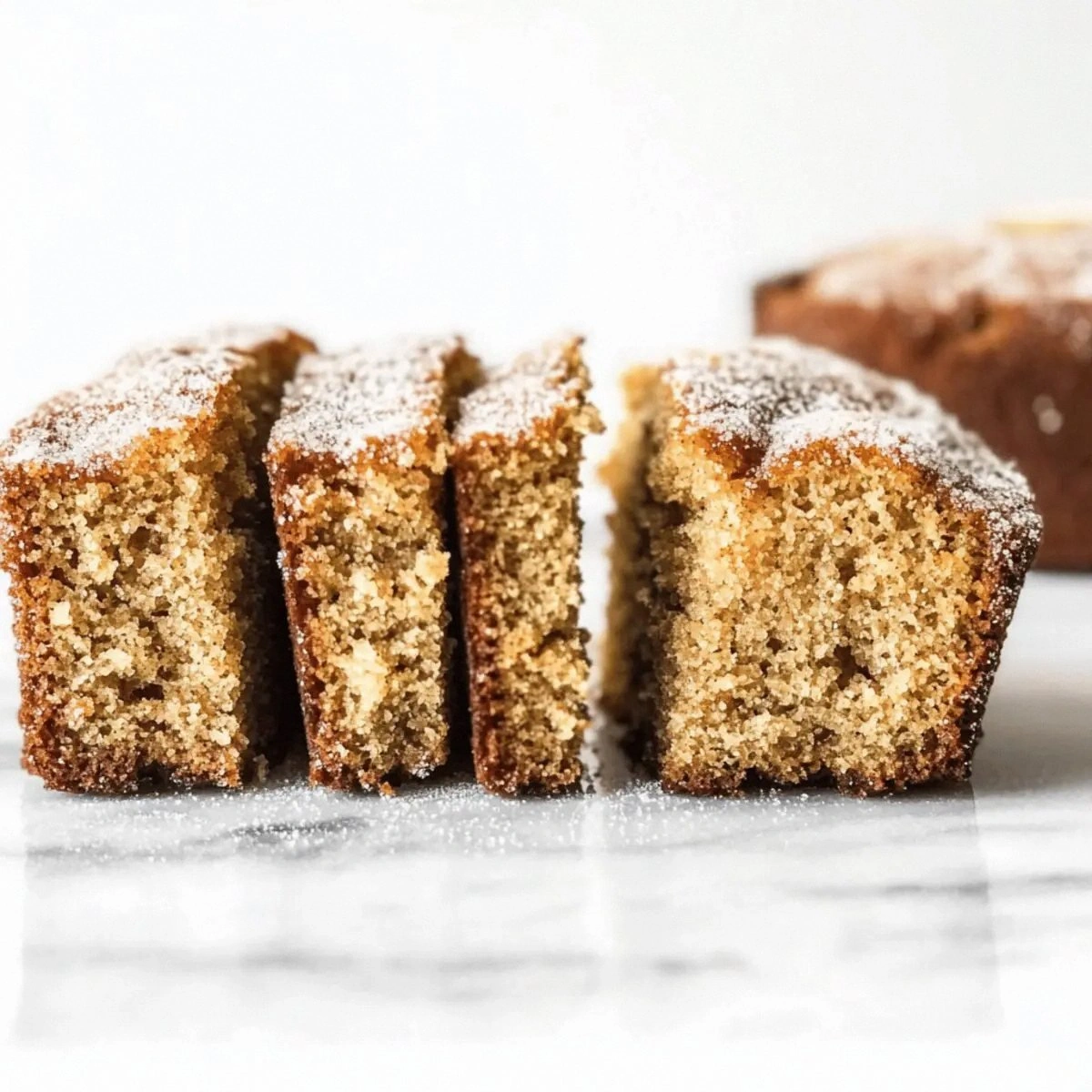
- Unique Crust: A brief high‑heat start forms a caramelized edge that cracks open like a sunrise, revealing a soft interior.
- Crowd‑Pleaser: Whether it’s a family brunch or a holiday potluck, this loaf disappears faster than fresh‑baked cookies at a kids’ party.
- Ingredient Quality: Using real apple cider (not the concentrate) and unsalted butter lets the natural flavors shine without hidden sodium.
- One‑Pan Wonder: No need for a muffin tin; the loaf pan does all the heavy lifting, giving you uniform slices every time.
- Make‑Ahead Magic: Freeze slices and reheat with a splash of water for instant, oven‑fresh indulgence.
Inside the Ingredient List
The Flavor Base
Apple Cider (1 cup): This is the soul of the loaf. The natural sugars caramelize during baking, giving you that deep amber hue and a faint tang that cuts through the sweetness. If you skip it, you’ll lose the quintessential fall vibe—trust me, a splash of water just won’t cut it. For the best flavor, choose a cold‑pressed, unfiltered cider; it carries more apple complexity.
Sour Cream (1 cup): It adds richness and a subtle tang that keeps the crumb from becoming cloyingly sweet. Skipping sour cream? Expect a drier texture. You can substitute Greek yogurt for a slightly tangier note, but keep the volume the same.
Vanilla Extract (1 teaspoon): The aromatic backbone that ties the spices together. A cheap imitation will taste flat; opt for pure vanilla for that warm, lingering finish.
The Texture Crew
Unsalted Butter (½ cup): Melted butter coats the flour particles, creating a tender, melt‑in‑your‑mouth crumb. Using salted butter throws off the delicate balance, so stick with unsalted and add a pinch of salt later.
Eggs (2 large): Eggs act as the structural glue, trapping air during whisking and giving the loaf its rise. Over‑beating can make the crumb tough, so beat just until combined.
Brown Sugar (1 cup): Its molasses undertone deepens the flavor, making each bite feel like a hug from grandma. If you prefer a lighter sweetness, swap half for coconut sugar, but expect a slightly different color.
The Unexpected Star
Cornstarch (2 tablespoons): This is the secret weapon that lightens the texture, preventing a heavy, bread‑like density. It works like a microscopic air‑pocket builder. If you’re out of cornstarch, use an equal amount of potato starch.
Granulated Sugar (½ cup) & Cinnamon (1 tsp + 2 tsp): The sugar adds a crisp top, while the double dose of cinnamon creates layers of spice—first a subtle whisper, then a bold chorus as the crust forms. Too much cinnamon can overwhelm, so stick to the measured amounts.
Nutmeg (¼ tsp): Just a pinch, but it adds that quintessential autumn note that makes the loaf unmistakably fall‑forward.
The Final Flourish
All‑Purpose Flour (2 cups): The backbone of any cake. For a lighter crumb, you can replace half with cake flour, but the texture will shift slightly.
Baking Powder (1 tsp) & Baking Soda (1 tsp): The dynamic duo that gives the loaf its rise. Baking soda reacts with the acidity of the cider and sour cream, while baking powder provides an extra lift. Using only one will result in a flatter loaf.
Salt (½ tsp): Enhances all the flavors and balances the sweetness. Skipping it makes the cake taste bland, even if you add more sugar.
Everything's prepped? Good. Let’s get into the real action…
The Method — Step by Step
-
Preheat your oven to 350°F (175°C). While the oven warms, grease a 9×5‑inch loaf pan with butter and dust it lightly with flour. This creates a non‑stick barrier that also adds a subtle crust. I dare you to taste this and not go back for seconds—trust me, the aroma will already be working its magic.
-
In a medium saucepan, melt the butter over medium heat. Once it’s fully liquid, whisk in the apple cider and let the mixture come to a gentle simmer. You’ll hear a soft hiss, that’s the sugar caramelizing—That sizzle when it hits the pan? Absolute perfection.
Kitchen Hack: After simmering for 2 minutes, remove from heat and let it cool slightly; this prevents the eggs from scrambling when added. -
In a large mixing bowl, whisk together the brown sugar, granulated sugar, and the two teaspoons of cinnamon until the mixture looks like a dark, fragrant sand. Add the vanilla extract and the nutmeg, giving the bowl a quick stir. This dry‑spice blend will coat the sugar crystals, ensuring every bite is evenly spiced.
-
Beat the eggs in a separate bowl until they’re light and frothy—about 30 seconds. Then, slowly pour the warm cider‑butter mixture into the eggs while whisking continuously. This gradual tempering is crucial; it prevents the eggs from curdling and creates a glossy batter.
Watch Out: If the cider mixture is too hot, it will scramble the eggs, leaving you with a curdled mess. Keep it below 140°F (60°C). -
Combine the sour cream with the egg‑cider blend, folding gently until fully incorporated. At this point, the batter should be silky and slightly glossy, like liquid amber. If you see any lumps, give it a quick whisk—no one wants a gritty crumb.
Kitchen Hack: Add a pinch of cream of tartar to the egg mixture; it stabilizes the foam and yields a higher rise. -
In another bowl, sift together the flour, cornstarch, baking powder, baking soda, and the remaining teaspoon of cinnamon. This dry mix is the structural backbone; sifting ensures no pockets of flour remain, which could create uneven texture.
-
Gradually fold the dry ingredients into the wet batter using a rubber spatula. Start from the center, turning the bowl over on itself, and stop as soon as you no longer see streaks of flour. Over‑mixing will develop gluten, making the loaf tough—remember, we’re aiming for a doughnut‑like tenderness.
-
Pour the batter into the prepared loaf pan, smoothing the top with the spatula. For an extra caramelized crust, sprinkle a thin layer of granulated sugar mixed with a pinch of cinnamon on top. Slide the pan into the oven and bake for 30‑35 minutes, or until a toothpick inserted into the center comes out clean and the edges start pulling away from the pan.
Mid‑bake, around the 20‑minute mark, rotate the pan 180 degrees to ensure even browning. The kitchen will fill with a scent that could make a grown man weep—picture yourself pulling this out of the oven, the whole kitchen smelling incredible, the top a glossy, caramel‑kissed crown.
That’s it — you did it. But hold on, I’ve got a few more tricks that’ll take this to another level…
Insider Tricks for Flawless Results
The Temperature Rule Nobody Follows
Always start with a hot oven (350°F) for the first 10 minutes, then lower it to 325°F for the remainder. This high‑heat blast creates a crust that locks in moisture. I once tried baking at a steady 350°F and ended up with a soggy top; the adjustment fixed it instantly.
Why Your Nose Knows Best
Don’t rely solely on a timer—trust the aroma. When the loaf begins to emit a deep caramel scent and the edges start to pull away, you’re golden. If the smell is still faint, give it another 5 minutes; the nose is a better gauge than any clock.
The 5‑Minute Rest That Changes Everything
After removing the loaf from the oven, let it rest in the pan for exactly five minutes before transferring to a wire rack. This short steam period finishes the cooking process gently, preventing a dry crumb. A friend once skipped this step and ended up with a cracked top that crumbled on the first slice.
Flip the Pan for Even Crust
At the halfway point, give the pan a 180‑degree turn. This simple maneuver ensures the heat reaches all sides equally, especially in ovens with hot spots. The result? A uniformly golden crust that looks professionally baked.
Butter Brush Boost
Just before the final 5 minutes of baking, brush the top with a teaspoon of melted butter mixed with a dash of cider. This adds a glossy finish and an extra layer of flavor that makes the loaf shine—literally and figuratively.
Creative Twists and Variations
This recipe is a playground. Here are some of my favorite ways to switch things up:
Maple‑Glazed Delight
Swap half of the apple cider for pure maple syrup and drizzle a maple‑brown sugar glaze over the loaf after baking. The result is a sweet‑and‑smoky twist that pairs perfectly with a cup of coffee.
Spiked Autumn
Add a tablespoon of bourbon or dark rum to the wet mixture for an adult‑only version. The alcohol evaporates, leaving a warm, lingering depth that’s perfect for holiday brunches.
Nutty Crunch
Fold in a half‑cup of toasted chopped pecans or walnuts just before the final mix. The nuts add a satisfying crunch and a buttery flavor that complements the cider.
Apple‑Chunk Surprise
Dice a crisp Granny Smith apple into small cubes and toss them in a little flour before folding into the batter. The apple pieces stay firm during baking, giving bursts of fresh fruit in every bite.
Vegan Friendly
Replace the butter with coconut oil, the sour cream with full‑fat coconut yogurt, and the eggs with a flax‑egg (1 tbsp ground flaxseed + 3 tbsp water). The texture remains moist, and the flavor takes on a subtle coconut hint.
Gluten‑Free Adaptation
Swap the all‑purpose flour for a 1:1 gluten‑free blend and add an extra tablespoon of cornstarch. The loaf stays tender, though the crumb will be slightly more delicate.
Storing and Bringing It Back to Life
Fridge Storage
Let the loaf cool completely, then wrap it tightly in plastic wrap or store in an airtight container. It will stay fresh for up to four days. For an extra moisture boost, place a slice of fresh apple on top of the wrap; the natural humidity keeps the crumb from drying out.
Freezer Friendly
Slice the loaf before freezing, then lay the slices on a parchment sheet and flash‑freeze for an hour. Transfer the frozen slices to a zip‑top bag. They’ll keep for three months. When you’re ready, pop a slice into the toaster or microwave for a quick treat.
Best Reheating Method
Preheat your oven to 300°F (150°C), place a slice on a baking sheet, and add a tiny splash (about a teaspoon) of water around the edges. Cover loosely with foil and heat for 8‑10 minutes. The steam revives the crumb, making it taste as fresh as day one.