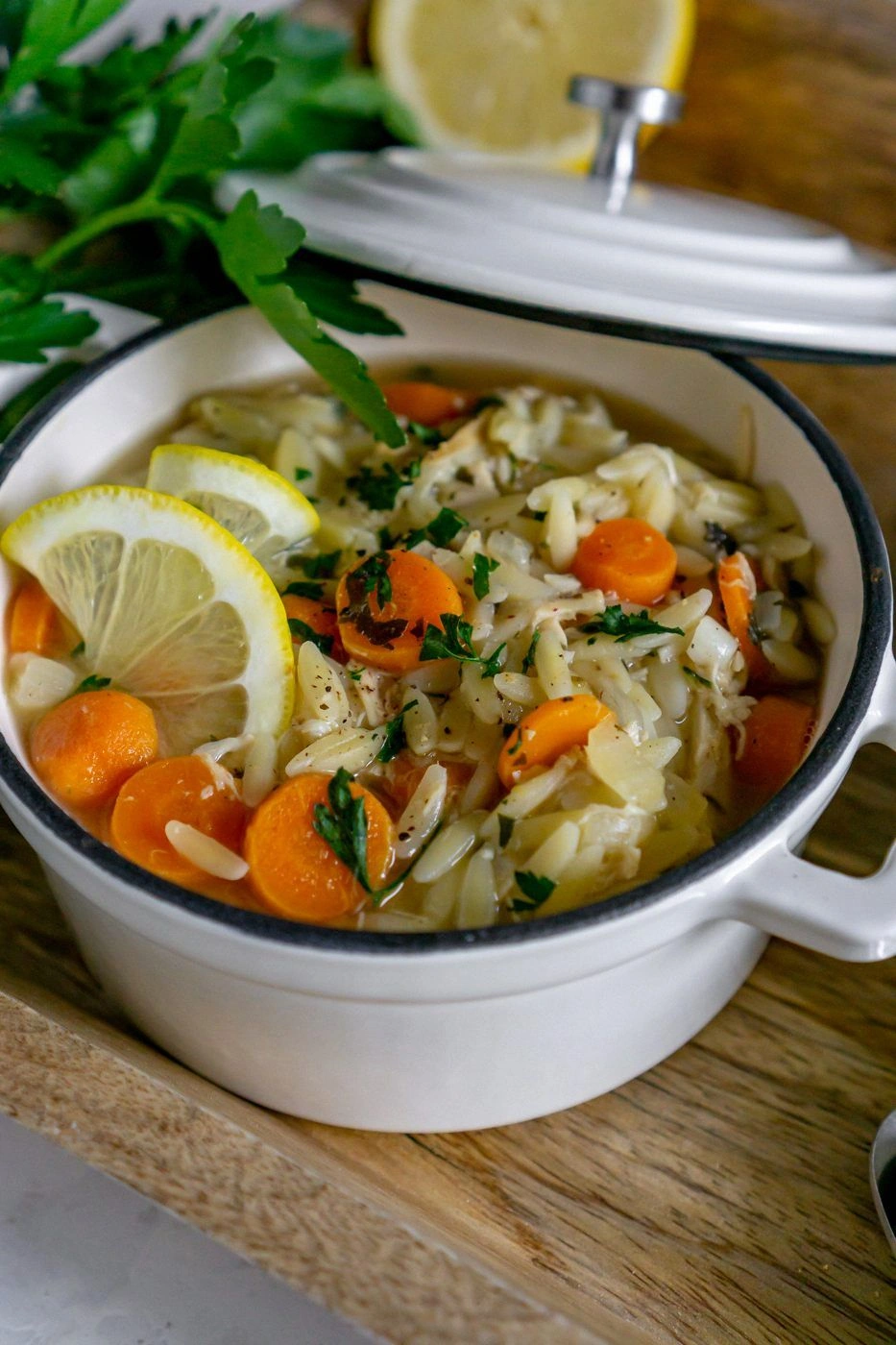
Picture this: I’m standing in a kitchen that smells like burnt toast and ambition, juggling a blender, a pot, and a rotisserie chicken that’s already been devoured by a family of squirrels. I had been chasing the same bland chicken soup recipe for weeks, but every batch came out like a beige casserole that made me question my life choices. Then, in a flash of culinary inspiration, I decided to add a zesty twist and a splash of Mediterranean flair. The result? A bowl of Lemon Orzo Chicken Soup that sings with bright citrus, aromatic herbs, and silky pasta that coats the tongue like velvet.
I dare you to taste this and not go back for seconds. The first spoonful is a bright burst of lemon that lifts the savory broth, while the orzo swirls in a golden pool of broth that feels like a warm hug. The gentle crunch of baby carrots and the aromatic whisper of oregano, basil, and thyme mingle with the tender shredded chicken, creating layers of flavor that dance on your palate. The subtle heat from the garlic adds a playful kick, and the finish is a refreshing herbal note that lingers. This soup isn’t just a meal; it’s a mood‑setting experience that turns an ordinary dinner into a celebration.
I’ve tried countless variations—some with coconut milk, others with a splash of white wine, and a few that went horribly overboard with too much cream. None of them had the same balance of brightness, heartiness, and ease that this version delivers. The secret is in the simple, high‑quality ingredients and the method that respects each component’s natural flavor. Most recipes get this completely wrong, turning a humble bowl into a forgettable pot of soup. Here’s what actually works.
If you’ve ever struggled with a chicken soup that’s too watery or too dry, you’re not alone. I’ve been there, watching the broth evaporate into a sticky mess, only to be met with a bowl that feels like a soup‑less casserole. The truth is, a few small tweaks can transform the entire dish. Picture yourself pulling this out of the stove, the whole kitchen smelling incredible, and the aroma drifting to the living room. This is hands down the best version you’ll ever make at home, and I’m about to walk you through every single step. By the end, you’ll wonder how you ever made it any other way.
What Makes This Version Stand Out
- Flavor: The bright lemon cuts through the richness of the broth, creating a vibrant, refreshing profile that feels both comforting and invigorating.
- Texture: Orzo is cooked to al dente perfection, offering a gentle chew that balances the tender chicken and crisp vegetables.
- Simplicity: All ingredients are pantry staples or easy to find, and the method requires minimal prep time—perfect for a weekday dinner.
- Uniqueness: The combination of dried oregano, basil, thyme, and bay leaves gives the broth a complex herbal backbone that sets this soup apart.
- Crowd Reaction: Friends and family rave about the bright, clean finish and the satisfying bite of orzo.
- Ingredient Quality: Using a high‑quality bone broth and a fresh rotisserie chicken ensures depth without the need for additional stock or flavor boosters.
- Cooking Method: A slow simmer allows the herbs to release their essence, while the final lemon squeeze brightens the dish at the perfect moment.
- Make‑Ahead Potential: This soup holds up beautifully in the fridge and freezer, making it ideal for meal prep and busy schedules.
Inside the Ingredient List
The Flavor Base
The sweet onion and garlic are the aromatic foundation that gives the broth its depth. Dice the onion finely so it releases moisture and sweetens the stock as it cooks. Mince the garlic so it infuses the oil quickly, avoiding a burnt, bitter taste. If you’re short on time, a pre‑minced garlic jar works, but fresh is always better.
Dried oregano, basil, and thyme are the herb trio that adds Mediterranean warmth. These herbs, when toasted briefly, release essential oils that give the broth a fragrant, earthy undertone. Use fresh herbs if you prefer a brighter flavor; they’ll give the soup a more vibrant green hue and a fresher bite.
The Texture Crew
Baby carrots provide a subtle crunch and natural sweetness that balances the acidity of the lemon. Dice them small enough that they soften but still retain a bite. If you prefer a smoother texture, you can puree the carrots with a splash of broth before adding the orzo.
Orzo is the pasta that gives the soup body and a satisfying chew. Cook it al dente, so it doesn’t become mushy once it’s absorbed the broth. If you’re cooking for a child or someone who prefers softer pasta, reduce the cooking time by a minute or two.
The Unexpected Star
The rotisserie chicken is the protein that grounds the soup. Shred it into bite‑sized pieces; the natural juices keep the broth from drying out. If you don’t have a rotisserie chicken, a poached or roasted chicken breast works, but the flavor will be slightly less complex.
The lemon is the secret weapon that lifts the entire dish. Use both the zest and juice for maximum brightness. If you’re allergic to citrus or prefer a milder flavor, substitute with a splash of white wine or a splash of apple cider vinegar.
The Final Flourish
Fresh parsley adds a pop of color and a herbaceous finish that brightens the bowl. Chop it finely and sprinkle it on top just before serving to preserve its bright green color. If you’re in a hurry, a handful of dried parsley works, but the flavor won’t be as fresh.
Everything's prepped? Good. Let's get into the real action...
The Method — Step by Step
- Heat a large pot over medium heat and drizzle 2 tablespoons of olive oil. Add the diced onion and sauté until translucent, about 5 minutes. The onion should soften without browning; if it starts to brown, lower the heat. This step builds the aromatic base that will carry the herbs and lemon through the soup.
- Toss in the minced garlic, dried oregano, basil, and thyme. Cook for 30 seconds until fragrant, stirring constantly to prevent burning. The garlic should release a sweet, peppery aroma, indicating the oils have released their essential flavors. This is the moment of truth—don’t rush it.
- Pour in 7 cups of bone broth and add 3 bay leaves. Bring the mixture to a gentle boil, then reduce to a simmer. Let it simmer for 10 minutes to allow the herbs to infuse the broth. Watch the steam rise; it should look like a fragrant cloud.
- While the broth simmers, shred the rotisserie chicken into bite‑sized pieces. If you’re using a fresh chicken, simmer it in a separate pot until cooked through, then shred. Add the shredded chicken to the pot, stirring to combine. The chicken should be moist and flavorful, not dry.
- Add the diced baby carrots and let them simmer for 5 minutes. Carrots should soften but still hold a slight bite, offering a subtle sweetness that balances the acidity. If you prefer a smoother soup, you can puree the carrots with a ladle of broth before adding the orzo.
- Stir in the orzo and cook for 7–8 minutes until al dente. The pasta should absorb the broth but remain firm to the bite. If the soup thickens too much, add a splash of warm water or additional broth to reach your desired consistency.
- Squeeze the juice of one lemon into the pot and stir in the zest. The bright citrus should lift the flavors, creating a lively, refreshing finish. Taste and adjust with salt and pepper to your liking. The soup should feel bright, not sour.
- Remove the bay leaves, ladle the soup into bowls, and garnish with chopped parsley. Serve hot, and watch the steam rise like a fragrant cloud. This final touch adds color and a fresh herbal note that completes the dish.
That’s it—you did it. But hold on, I’ve got a few more tricks that’ll take this to another level. These insider tips will help you avoid common pitfalls and elevate the dish to restaurant‑quality.
Insider Tricks for Flawless Results
The Temperature Rule Nobody Follows
Many cooks keep the broth at a rolling boil, which can cause the orzo to become mushy. Keep the broth at a gentle simmer, just below boiling. This maintains the pasta’s al dente texture and preserves the delicate flavors of the herbs. I once let a pot boil and the orzo turned into a soggy mess—don’t let that happen to you.
Why Your Nose Knows Best
The aroma is a reliable indicator of flavor balance. If the broth smells overwhelmingly herbal, it’s time to add a splash of lemon or a pinch of salt. If it feels flat, add a bit more oregano or a pinch of pepper. Trust your nose; it’s the most accurate taste test you can do without a spoon.
The 5-Minute Rest That Changes Everything
After you’ve simmered the soup, let it rest for 5 minutes off the heat. This allows the flavors to meld and the orzo to finish absorbing the broth. It also makes the soup slightly thicker, which feels more satisfying. I always set a timer for 5 minutes; the extra time is worth the improved texture.
The Quick Zest Trick
If you’re short on time, grate the lemon zest directly into the pot at the end. The zest releases essential oils that brighten the soup without the need for extra citrus juice. Just be careful not to over‑zest, or you’ll end up with a bitter finish.
The Secret of Fresh Herbs
Fresh parsley adds a bright, clean finish that dried parsley can’t match. Add it just before serving to keep its color and flavor vibrant. If you’re using dried herbs, rehydrate them in a little warm water for 5 minutes before adding to the broth to release their full flavor.
Creative Twists and Variations
This recipe is a playground. Here are some of my favorite ways to switch things up:
Mediterranean Swap
Replace orzo with small pasta shapes like ditalini or elbow macaroni. Add a handful of sun‑dried tomatoes for a sweet, tangy burst. Top with crumbled feta for a salty contrast that echoes Greek flavors.
Spicy Kick
Add a pinch of red pepper flakes or a diced jalapeño when sautéing the onions. The heat will cut through the richness of the broth, creating a lively, spicy profile that pairs well with a cool yogurt side.
Vegetarian Version
Use a vegetable stock instead of bone broth and add chickpeas for protein. Keep the herbs and lemon the same for a bright, hearty soup. The chickpeas provide a satisfying texture that mimics the chicken’s bite.
Creamy Twist
Stir in a splash of heavy cream or coconut milk at the end for a silky, velvety texture. The cream balances the acidity of the lemon, creating a rich, comforting bowl that’s perfect for a chilly evening.
Low‑Carb Option
Swap orzo for cauliflower rice or zucchini noodles. The low‑carb grains keep the soup light while still providing body. Add a handful of spinach for extra greens and a nutritional boost.
Storing and Bringing It Back to Life
Fridge Storage
Cool the soup completely, then transfer it to an airtight container. Store in the fridge for up to 3 days. The broth will thicken slightly, so add a splash of water or broth when reheating to restore the original consistency.
Freezer Friendly
Divide the soup into freezer‑safe portions and seal in zip‑lock bags. Freeze for up to 2 months. When ready, thaw overnight in the fridge or use the microwave’s defrost setting.
Best Reheating Method
Reheat gently on the stove over low heat, stirring occasionally. Add a tiny splash of water or broth to prevent the soup from drying out. The gentle heat preserves the bright lemon flavor and keeps the orzo from becoming mushy.