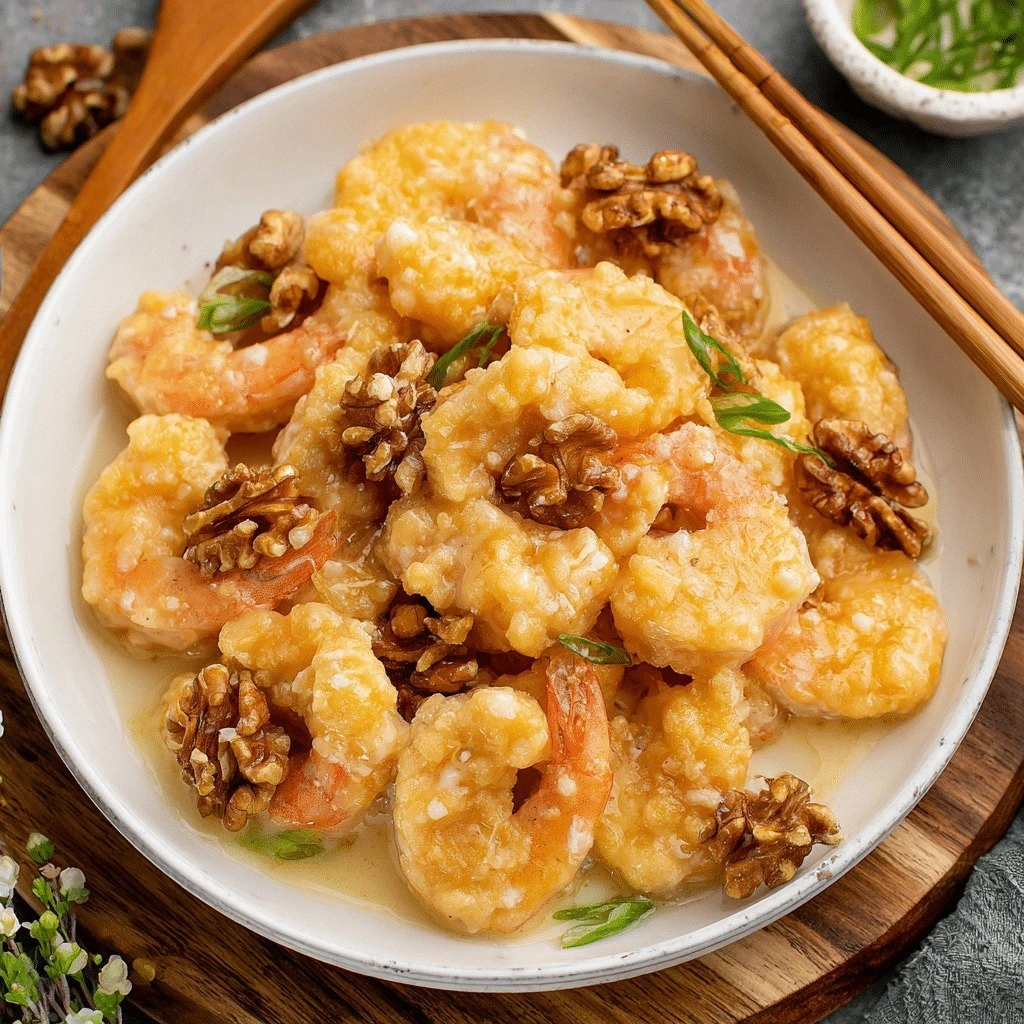
Picture this: I’m standing in a cramped kitchen, the clock ticking toward midnight, and my roommate’s voice echoing from the hallway, “I’m craving something sweet, salty, and buttery.” I’ve been chasing the elusive combo of honey and walnuts for years, but every time I try, the result feels like a half‑hearted attempt. Then, one rainy Saturday, I stumbled upon a recipe that turned my kitchen into a fragrant, sizzling laboratory. The shrimp glistened in a golden batter, the walnuts popped with a satisfying crunch, and the sauce—oh, the sauce—coated every bite like a glossy, caramelized glaze. It was the moment I realized I’d finally found the ultimate version of Honey Walnut Shrimp.
The first bite was an explosion of textures: the shrimp’s tender meat, the crisped batter that crackled against the tongue, and the toasted walnuts that added a nutty, smoky undertone. The honey’s sweetness was perfectly balanced by a splash of soy sauce and a whisper of vinegar, creating a sauce that was silky yet had a subtle tang. The aroma that filled the room—sweet, buttery, with a faint nutty perfume—was enough to make any passerby pause. The heat from the skillet made the room feel like a small, cozy bakery, and the sound of shrimp sizzling was a soundtrack to culinary triumph.
What sets this rendition apart from the countless variations on the internet is the meticulous layering of flavors and the precision of technique. I discovered that using a combination of all‑purpose flour and cornstarch gives the batter a light, airy crunch that doesn’t turn greasy. The walnuts are toasted in a dry skillet, not oil, preserving their natural oils and preventing bitterness. The sauce is a careful balance of honey, soy, and vinegar, sweetened with a touch of sugar and brightened with sesame oil and minced garlic. Every component works in harmony, creating a dish that feels both indulgent and sophisticated.
And there’s a twist you won’t see in standard recipes: a splash of ice water in the batter that keeps the shrimp tender, and a dash of sesame oil in the sauce that gives it a nutty aroma that lingers. I dare you to taste this and not go back for seconds; the combination of sweet, salty, and nutty will have you reaching for the plate again and again. Picture yourself pulling this out of the pan, the whole kitchen smelling incredible, and the guests lining up for seconds. If you’ve ever struggled with a dish that feels too heavy or too bland, this is the fix you’ve been waiting for.
Let me walk you through every single step—by the end, you’ll wonder how you ever made it any other way. The journey from raw shrimp to plated perfection is a series of small, deliberate moves that, when executed correctly, result in a dish that’s unforgettable. And trust me, the final product will have you bragging to friends and family about the secret sauce that turns an ordinary dinner into a showstopper.
What Makes This Version Stand Out
- Flavor: The sauce balances sweetness, umami, and acidity in a way that lifts every bite without overpowering the shrimp.
- Texture: A batter that’s light and airy on the inside but crisp and golden on the outside creates a delightful contrast.
- Technique: Using a dry batter with ice water keeps the shrimp tender, while double‑frying ensures a crunchy finish.
- Ingredient Quality: Fresh shrimp, toasted walnuts, and real honey make the dish feel premium and authentic.
- Time Efficiency: The recipe is quick—about 45 minutes total—yet delivers a restaurant‑level result.
- Make‑ahead Potential: The shrimp can be pre‑cooked and stored, and the sauce can be made ahead, saving time on busy nights.
- Crowd Reaction: Guests often ask for the recipe after the first bite, and the dish is a hit at gatherings.
- Versatility: The base can be adapted for other proteins or vegetarian versions without losing its signature flavor.
Alright, let’s break down exactly what goes into this masterpiece…
Inside the Ingredient List
The Flavor Base
The foundation of any great dish is its flavor base, and here it’s a symphony of sweet, salty, and umami. The honey provides natural sweetness that caramelizes when heated, while the soy sauce adds depth and saltiness. A touch of rice vinegar cuts through the richness, preventing the dish from feeling heavy. A small amount of sugar balances the acidity, and sesame oil gives the sauce a subtle nutty aroma that complements the walnuts. If you’re aiming for a lower‑sugar version, simply reduce the honey by a tablespoon and add a pinch of sea salt to compensate.
The Texture Crew
Texture is everything in this recipe. The batter—made from a blend of all‑purpose flour and cornstarch—creates a light, airy coating that crisps without becoming greasy. Adding ice water to the batter keeps the shrimp tender; the coldness slows down protein denaturation, so the shrimp stays juicy. The walnuts, toasted in a dry skillet, develop a caramelized exterior that adds crunch and a deep, roasted flavor. If you prefer a crunchy coating, double‑fry the shrimp: first at 350°F for a quick fry, then at 375°F until golden. This technique is a game‑changer for achieving that perfect crunch.
The Unexpected Star
The unexpected star of this dish is the garlic–ginger mixture, which adds a bright, aromatic kick that lifts the whole flavor profile. Minced garlic brings a savory depth, while grated ginger introduces a subtle heat that balances the sweetness. These aromatics are sautéed briefly in sesame oil before the sauce is added, allowing their flavors to bloom. If you’re not a fan of ginger, you can replace it with a pinch of ground cumin for a slightly different twist. The key is to sauté them just until fragrant; overcooking will cause bitterness.
The Final Flourish
The final flourish is the finishing touch that brings everything together: a drizzle of sesame oil and a sprinkle of green onions. Sesame oil, with its low smoke point, imparts a nutty fragrance that lingers, making the dish feel more refined. Green onions add a fresh, sharp contrast to the sweetness, cutting through the richness. For a vegan version, replace the shrimp with tofu cubes; the batter will still give a crispy shell, and the sauce will cling beautifully. This variation maintains the same flavor profile while offering a plant‑based option.
Everything’s prepped? Good. Let’s get into the real action…
The Method — Step by Step
- First, combine the all‑purpose flour, cornstarch, salt, and black pepper in a shallow bowl. Whisk until the mixture is uniform. This dry mix will form the foundation of our crisp batter. Keep the bowl covered with plastic wrap to prevent the flour from absorbing moisture.
- In a separate bowl, whisk the egg and pour in the ice water. The cold water keeps the shrimp from overcooking during frying. Stir until the mixture is frothy, then set aside.
- Heat the vegetable oil in a deep skillet or wok to 350°F (175°C). Use a thermometer to monitor the temperature; this ensures the batter doesn’t absorb excess oil. A good rule of thumb is to drop a small amount of batter into the oil; if it sizzles immediately, the oil is ready.
- Coat each shrimp in the dry flour mixture, shaking off excess. Then dip them in the egg‑water batter, allowing any excess to drip back into the bowl. Finally, roll the shrimp in the flour mixture again to form a double coat. This double coating guarantees a light, airy interior with a golden crust.
- Carefully slide the coated shrimp into the hot oil. Fry in batches of four to avoid overcrowding, which can lower the oil temperature. Fry for 2–3 minutes per side or until the coating is golden and the shrimp are opaque. Use a slotted spoon to lift the shrimp and drain on paper towels.
- While the shrimp are frying, toast the walnuts in a dry skillet over medium heat. Stir frequently until they turn golden brown and release a nutty aroma, about 3–4 minutes. Remove from heat and let cool; this preserves their crunch and flavor.
- In a small saucepan, combine honey, soy sauce, rice vinegar, sugar, sesame oil, minced garlic, grated ginger, and a splash of water. Whisk until the sugar dissolves. Bring the mixture to a gentle simmer over medium heat, then reduce to low and let it thicken slightly, about 5 minutes. The sauce should coat the back of a spoon.
- Transfer the fried shrimp into a large mixing bowl. Pour the thickened sauce over the shrimp and toss gently to coat. Sprinkle the toasted walnuts on top and give one final gentle toss. The sauce should cling to every inch, creating a glossy, caramelized coating.
That’s it — you did it. But hold on, I’ve got a few more tricks that will take this to another level, ensuring every bite is perfect.
Insider Tricks for Flawless Results
The Temperature Rule Nobody Follows
Many cooks think a quick fry is enough, but the secret to a crisp coating is maintaining a steady oil temperature. Use a thermometer to keep the oil between 350°F and 375°F. If you notice the shrimp browning too fast, lower the heat; if they’re taking too long, increase it slightly. A stable temperature ensures the batter cooks through without becoming greasy.
Why Your Nose Knows Best
Your sense of smell is a reliable indicator of doneness. When the shrimp are ready, you’ll detect a subtle caramel scent from the honey and a nutty aroma from the toasted walnuts. If the oil smells burnt or metallic, it’s time to change the oil. Fresh, neutral oil like canola or peanut keeps the flavor profile clean.
The 5-Minute Rest That Changes Everything
After frying, let the shrimp rest on a wire rack for about five minutes. This step allows excess oil to drain and the coating to firm up, preventing sogginess. It also gives the sauce a chance to thicken slightly on the shrimp, creating a glossy finish that looks as good as it tastes.
The Quick Toss Trick
When tossing the shrimp in sauce, use a large wooden spoon or a silicone spatula. A gentle toss ensures even coating without breaking the crispy shell. If you’re in a hurry, a quick flip in a pan with a splash of sauce works too, but the spoon method keeps the texture intact.
The Salted Butter Finish
Finish the sauce with a small knob of salted butter just before serving. The butter adds a silky richness and balances the acidity of the sauce. It also gives the dish a glossy sheen that’s perfect for plating. If you’re avoiding dairy, a drizzle of coconut oil works as a substitute.
Creative Twists and Variations
This recipe is a playground. Here are some of my favorite ways to switch things up:
Spicy Honey Walnut Shrimp
Add a tablespoon of sriracha or a pinch of red pepper flakes to the sauce. The heat cuts through the sweetness, creating a balanced, spicy profile that’s perfect for adventurous palates.
Citrus‑Infused Version
Replace the honey with orange juice and add a teaspoon of orange zest. The citrus brightens the dish, making it lighter and more refreshing, especially for summer gatherings.
Vegetarian Tofu Delight
Use firm tofu cubes instead of shrimp. Coat them in the same batter and double‑fry until golden. The tofu absorbs the sauce beautifully, delivering a plant‑based version that’s just as indulgent.
Gluten‑Free Adaptation
Swap the all‑purpose flour with a gluten‑free blend or almond flour. The batter remains light, and the dish stays safe for gluten‑sensitive diners without sacrificing flavor.
Asian Fusion Twist
Add a splash of hoisin sauce and a dash of five‑spice powder to the sauce. The result is a deeper, more complex flavor profile that nods to traditional Asian sauces.
Low‑Calorie Option
Use a non‑stick skillet and a spray of oil instead of deep frying. The shrimp will still crisp up, and you’ll cut down on calories while maintaining the signature taste.
Storing and Bringing It Back to Life
Fridge Storage
Store any leftovers in an airtight container in the refrigerator for up to 2 days. Keep the shrimp in a shallow layer to prevent the sauce from pooling at the bottom. Reheat gently in a skillet over medium heat, adding a splash of water to keep the coating crisp.
Freezer Friendly
For longer storage, freeze the cooked shrimp in a single layer on a baking sheet, then transfer to a freezer bag. They’ll keep well for up to 3 months. Thaw overnight in the refrigerator before reheating as described above.
Best Reheating Method
The best way to bring back the crispness is to reheat in a hot skillet for 2–3 minutes on each side. Add a tiny splash of water to create steam, which helps restore moisture without making the coating soggy. Finish with a quick drizzle of sesame oil for that final glossy shine.