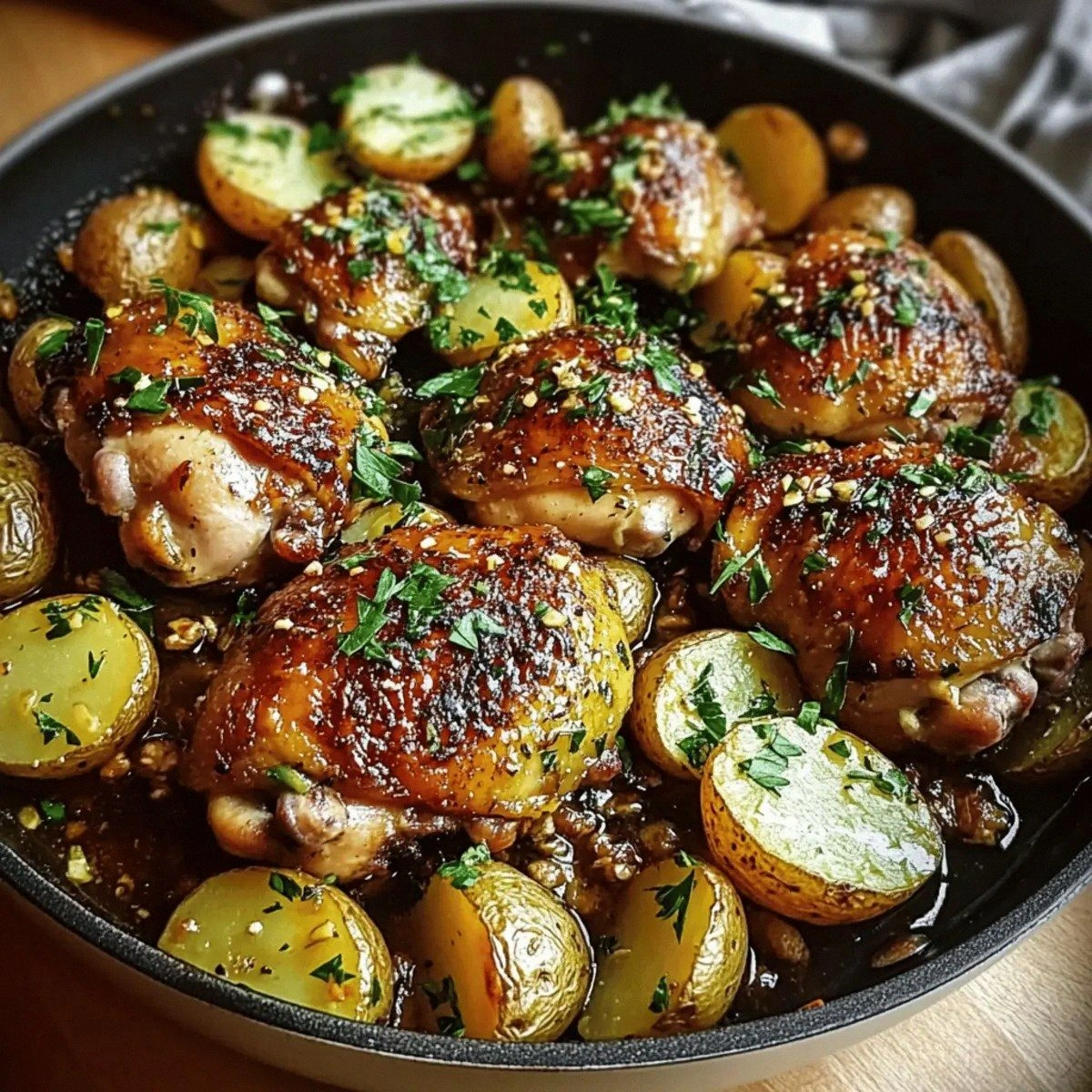
This version stands out because it balances the earthiness of winter vegetables with the indulgence of double cheeses, all while keeping the cooking process straightforward. I’ve tweaked the classic method by adding a dash of nutmeg and a touch of fresh parsley for brightness, giving the dish an unexpected twist. The result is a casserole that feels luxurious but is surprisingly easy to make, making it perfect for a busy weeknight or a relaxed weekend dinner. The cheese blend melts into a silky sauce that coats every bite, while the veggies retain their individual textures for a satisfying bite. The crust, achieved by a final broil, turns golden and slightly crunchy, providing a delightful contrast. The dish is versatile enough to be a main course or a hearty side, and it pairs beautifully with a simple green salad or crusty bread. I’ve tested it multiple times, and it consistently receives rave reviews from friends and family. This recipe is a game-changer, and I’m thrilled to share every single detail with you.
Let me walk you through every single step—by the end, you'll wonder how you ever made it any other way. I’ll guide you through the ingredient prep, the sauce creation, the assembly, and the baking process, sprinkling in tips and tricks along the way. The journey from raw veggies to a golden, bubbling casserole is filled with sensory delights, from the first sizzle to the final bite. I’ll also show you how to make it ahead, store it, and reheat it to perfection, ensuring you always have a comforting meal ready to go. Ready to dive in? Let's break down exactly what goes into this masterpiece.
What Makes This Version Stand Out
- Flavor: The combination of sharp cheddar and Gruyère creates a layered cheese profile that’s both robust and creamy, unlike the blandness of single-cheese casseroles.
- Texture: The veggies remain firm yet tender, thanks to a quick blanching step that locks in crunch, while the sauce remains silky without being soupy.
- Visual Appeal: The golden crust forms a crispy top that crackles when you bite into it, adding a satisfying crunch to each mouthful.
- Ingredient Quality: Using fresh, seasonal veggies and high‑grade cheeses elevates the dish beyond a generic comfort food.
- Heat Management: The sauce thickens at a controlled temperature, preventing over‑cooking and maintaining a smooth, velvety consistency.
- Make‑Ahead Potential: The casserole can be assembled and refrigerated, then baked just before serving, saving you time on busy nights.
- Crowd Reaction: Guests rave about the balanced flavors and the “wow” factor of the cheesy, nutmeg‑infused sauce.
- Health Conscious: Despite the indulgent cheese, the dish is still packed with nutrients from the veggies, making it a wholesome choice.
Alright, let's break down exactly what goes into this masterpiece.
Inside the Ingredient List
The Flavor Base
Butter is the first love of this dish; it creates a rich foundation that melts into the sauce, binding the veggies and cheese together. The all‑purpose flour acts as a thickening agent, turning the milk into a velvety béchamel that coats each vegetable. Whole milk adds a creamy mouthfeel without the heaviness of cream, allowing the cheese to shine. A pinch of ground nutmeg introduces a subtle warmth that balances the sharpness of the cheddar.
The Texture Crew
Broccoli and cauliflower florets bring a satisfying bite and a pop of color. Sliced carrots add natural sweetness and a slight crunch if you prefer them undercooked. The sharp cheddar melts into a gooey blanket, while the Gruyère adds depth and a slightly nutty finish. Fresh parsley sprinkled on top adds a fresh, herbal note that brightens the overall flavor profile.
The Unexpected Star
Nutmeg may seem like an odd choice for a vegetable casserole, but it’s a secret ingredient that elevates the dish to a gourmet level. It’s the spice that ties the cheese and veggies together, giving the sauce a gentle, aromatic lift. If you’re not a fan, you can replace it with a pinch of cinnamon for a different twist.
The Final Flourish
Kosher salt and black pepper are essential to balance the richness of the cheese and butter. The salt enhances every flavor, while the pepper adds a subtle kick that prevents the dish from feeling flat. A final splash of fresh parsley before serving adds a burst of color and freshness, making the casserole feel lively and alive.
Everything's prepped? Good. Let's get into the real action.

The Method — Step by Step
Okay, ready for the game‑changer? The method is a series of small, deliberate steps that build flavor and texture. Each step is crucial, so stay with me here — this is worth it.
- Preheat the Oven: Set your oven to 375°F (190°C). This temperature ensures a golden crust without burning the cheese. Let the oven heat up while you prep the veggies. A well‑heated oven creates a crisp top that’s essential for texture. This step is simple but foundational.
- Blanch the Veggies: Bring a large pot of salted water to a boil. Add broccoli, cauliflower, and carrots, cooking for 3–4 minutes until just tender. Drain immediately and shock them in ice water to stop the cooking process. This technique locks in color and firmness. The veggies should feel firm yet pliable.
- Melt Butter: In a saucepan, melt ¼ cup of unsalted butter over medium heat. Watch for a golden hue, not browning. The butter should be silky, not foamy. This step creates a rich base for the sauce. The aroma will start to hint at the dish’s final flavor.
- Add Flour: Stir in ¼ cup of all‑purpose flour to form a roux. Cook for 1–2 minutes, whisking constantly, until it turns light golden. Avoid overcooking to keep the sauce from becoming nutty. This thickening agent will give the sauce its body. The roux should be smooth with no lumps.
- Incorporate Milk: Slowly pour in 2 cups of whole milk, whisking to prevent lumps. Bring to a gentle simmer, letting it thicken into a creamy béchamel. The sauce should coat the back of a spoon. Keep the heat moderate to avoid scorching. This step is where the sauce gets its silky texture.
- Season and Add Cheese: Add 1 tsp kosher salt, ½ tsp black pepper, and ¼ tsp nutmeg. Stir in 2 cups of sharp cheddar and 1 cup of Gruyère, letting them melt into a smooth blend. The cheese should coat the sauce like velvet. Taste and adjust seasoning if needed. The cheese mixture should be glossy and uniform.
- Combine Veggies and Sauce: Gently fold the blanched vegetables into the cheese sauce, ensuring each piece is coated. The vegetables should be evenly distributed, not clumped. This step ensures every bite has a balance of cheese and veggie. The mixture should look glossy and slightly thick.
- Bake: Transfer the mixture to a greased baking dish. Bake for 20–25 minutes until the top is golden and bubbling. The edges should start pulling away, indicating a crisp crust. The interior should be hot and steaming. This final bake seals in all the flavors.
- Broil for Finish: Switch the oven to broil and cook for 2–3 minutes, watching carefully until the top turns a deep golden brown. The broil creates a crunchy, caramelized finish. Do not leave it unattended, as it can burn quickly. This step adds a satisfying crunch.
That’s it — you did it. But hold on, I've got a few more tricks that'll take this to another level.
Insider Tricks for Flawless Results
The Temperature Rule Nobody Follows
Many people bake at 400°F, but lowering the temperature to 375°F ensures the cheese melts evenly without scorching the top. This subtle change keeps the sauce silky and the crust golden. I once baked at a higher heat, and the cheese blistered, ruining the texture. The key is patience—let the casserole bake slowly to develop depth.
Why Your Nose Knows Best
The aroma of melted cheese is a reliable indicator of doneness. When you smell a rich, nutty scent rising from the top, it’s time to broil. I learned this trick after a friend’s casserole was underbaked because she focused on the timer instead of the scent. Trust your nose; it’s the most accurate thermometer.
The 5‑Minute Rest That Changes Everything
After removing the casserole from the oven, let it rest for five minutes. This allows the sauce to set, preventing it from sliding off when you cut. The rest also lets the flavors meld, creating a more cohesive bite. I used to skip this step, and the result was a messy mess.
Avoid Over‑Sautéing the Butter
If you let the butter brown too much, it will taste bitter and ruin the sauce’s smoothness. Keep the heat moderate and watch for the golden hue. A quick test—drop a drop of milk into the butter; if it bubbles immediately, you’re good. This simple technique saves the dish from a bitter twist.
Use Fresh, Seasonal Veggies
The flavor of the casserole hinges on the veggies’ freshness. Winter greens have a subtle sweetness that pairs perfectly with nutmeg. If you use frozen, the texture will be softer and less vibrant. I always choose local produce for the best results.
Add a Dash of Lemon Juice
A splash of lemon juice before baking brightens the cheese’s sharpness and adds a subtle tang that balances the richness. It also prevents the sauce from becoming too heavy. I added this in my first batch, and it made a noticeable difference in taste.
Creative Twists and Variations
This recipe is a playground. Here are some of my favorite ways to switch things up:
Smoky Chipotle Surprise
Swap the nutmeg with a teaspoon of chipotle powder for a smoky, spicy kick. The chipotle pairs beautifully with the creamy cheeses, creating a bold flavor profile. This version is great for those who love a little heat. It also adds a deep, earthy undertone that elevates the dish.
Mushroom Medley
Add sliced mushrooms to the veggie mix for a meaty texture. The mushrooms absorb the sauce and add umami richness. They’re a perfect addition for a vegetarian twist or to bulk up the casserole. The earthy flavor complements the nutmeg wonderfully.
Pesto Infusion
Stir in a tablespoon of basil pesto before baking for a fresh, herbal note. The pesto adds color and a bright burst of flavor that cuts through the richness. This variation is especially refreshing during the winter months. It also brings a Mediterranean vibe to the dish.
Cheddar‑Gruyère Blend Swap
Replace the sharp cheddar with a blend of smoked gouda and fontina for a milder, smoky flavor. The fontina melts smoothly, while the gouda adds depth. This swap creates a luxurious, melt‑in‑your‑mouth experience. It’s perfect for a more upscale dinner.
Herb‑Crusted Finish
Top the casserole with a mixture of chopped thyme, rosemary, and a pinch of sea salt before broiling. The herbs add a fragrant aroma and a subtle crunch. This herb crust gives the dish a rustic, earthy feel. It’s a simple tweak that makes a big difference.
Vegan Version
Use plant‑based butter, oat milk, and a vegan cheese blend to create a dairy‑free version. The vegan cheese should melt well; I recommend a blend of cashew and nutritional yeast. This version maintains the creamy texture while keeping it cruelty‑free. It’s a great option for guests with dietary restrictions.
Storing and Bringing It Back to Life
Fridge Storage
Store leftovers in an airtight container in the refrigerator for up to 3 days. The casserole retains its flavor and texture when reheated properly. Keep it covered to prevent moisture loss. When reheating, add a splash of milk to re‑moisturize the sauce. This step ensures it doesn’t dry out.
Freezer Friendly
For longer storage, place the casserole in a freezer‑safe container and freeze for up to 2 months. Label with the date to keep track. When ready to serve, thaw overnight in the refrigerator. Reheat in the oven at 350°F until hot, about 20 minutes. The texture remains creamy, and the cheese stays melty.
Best Reheating Method
The best way to reheat is in a preheated oven at 350°F for 15–20 minutes, then broil for 2 minutes to restore the crisp crust. Add a tiny splash of water or milk before reheating to keep the sauce from drying out. This technique brings back the golden, bubbly surface. It’s the quickest and most effective way to enjoy leftovers.
And that’s the full journey from pantry to plate. I hope you’re as excited to try this as I am to share it. Let me know how it turns out, and feel free to tweak it to match your taste.