I was standing in my kitchen, staring at a sad, wilted bag of mixed greens that had been abandoned for a week, when my roommate dared me to turn that disaster into a masterpiece. I grabbed the first lemon I could find, squeezed it with the intensity of a rock‑star hitting a high note, and whispered, “If this doesn’t work, I’ll eat the whole thing myself.” The air filled with the bright, almost electric scent of citrus, and the sound of the lemon’s zest hitting the cutting board was like a tiny applause. In that moment I realized I had stumbled onto a flavor bomb that could revive not just a salad, but any dish that needed a lift.
Fast forward a few weeks, and I’ve tested this vinaigrette on everything from roasted asparagus to grilled chicken, and even on a plain slice of toasted sourdough that I ate straight from the pan. The secret? It’s not just the lemon; it’s the chemistry between the acid, the oil, and the tiny pinch of mustard that turns a simple drizzle into a silky, glossy coat that clings to food like a second skin. Most recipes get this completely wrong by either dousing your greens in a watery lemon splash or drowning them in oil until they feel like a greasy swamp. This version, however, balances the bright bite of lemon with the buttery richness of extra‑virgin olive oil, and the optional honey adds a whisper of sweetness that makes every bite sing.
I’ll be honest — I ate half the batch before anyone else got to try it, and I still felt no remorse. The reason is simple: this vinaigrette is hands down the best version you’ll ever make at home, and it’s so easy that you could whip it up while waiting for the kettle to boil. I dare you to taste this and not go back for seconds; the moment the citrus hits your palate, you’ll understand why I’m so obsessed. Most people think you need a fancy emulsifier or a blender, but the truth is, a whisk and a dash of confidence are all you need.
Okay, ready for the game‑changer? I’m about to walk you through every single step — by the end, you’ll wonder how you ever made it any other way. I’ll even reveal a tiny kitchen hack that will keep your vinaigrette perfectly emulsified for days, and a surprise ingredient that you probably already have in your pantry. So grab a bowl, a whisk, and let’s dive into the bright, zesty world of the Simple Lemon Vinaigrette.
What Makes This Version Stand Out
- Balance: The 2‑to‑1 ratio of oil to lemon juice creates a silky texture that isn’t too oily or too sharp, hitting the perfect middle ground every time.
- Versatility: Whether you’re dressing a salad, marinating fish, or drizzling over roasted veggies, this vinaigrette adapts without losing its character.
- Simplicity: Only six ingredients, all pantry staples, mean you can throw it together in under five minutes – no fancy gadgets required.
- Emulsion Power: Dijon mustard acts as a natural emulsifier, binding oil and acid so the dressing stays together even after sitting.
- Flavor Depth: A touch of honey or maple syrup adds a subtle caramel note that balances the lemon’s acidity without overwhelming it.
- Freshness Factor: Freshly squeezed lemon juice delivers a bright, aromatic punch that bottled juice simply can’t match.
- Make‑Ahead Friendly: Store it in a sealed jar and give it a quick shake; the flavors meld even more beautifully over time.
- Crowd‑Pleaser: I’ve served it at brunches, dinner parties, and even picnics, and it consistently earns rave reviews and requests for seconds.
Inside the Ingredient List
The Flavor Base
Fresh Lemon Juice is the star of the show, providing that bright, zingy acidity that wakes up any dish. I recommend using the juice of two medium lemons for a full‑bodied flavor; if your lemons are smaller, add a splash of bottled lemon juice to reach the same volume. Skipping the fresh juice for bottled will result in a flat, lifeless dressing that lacks the aromatic oils found only in the rind. If you’re out of lemons, a good quality lime juice can substitute, but expect a slightly different aromatic profile.
Extra Virgin Olive Oil is the silky partner that rounds out the sharpness of the lemon. Choose a cold‑pressed, first‑press oil for the richest flavor – it should taste grassy with a hint of peppery finish. Using a low‑quality oil will make the vinaigrette taste greasy and dull, and the emulsion may separate faster. A fun swap for a Mediterranean twist is to replace half the olive oil with toasted walnut oil, adding a nutty undertone that pairs beautifully with bitter greens.
The Texture Crew
Dijon Mustard is optional but highly recommended because its natural emulsifiers keep oil and acid from parting ways. One teaspoon is enough to create a glossy coat without making the dressing taste mustardy. If you’re allergic to mustard, try a pinch of ground mustard seed or a teaspoon of Greek yogurt for a similar thickening effect.
Garlic, minced or grated, adds a robust, savory depth that balances the citrus. One clove, finely minced, will infuse the vinaigrette without overwhelming it. If raw garlic is too pungent for your taste, try lightly sautéing the minced garlic in a teaspoon of olive oil for 30 seconds – it mellows the bite while retaining the aroma.
The Unexpected Star
Honey or Maple Syrup brings a subtle sweetness that tames the lemon’s acidity, creating a harmonious flavor curve. I usually add a teaspoon of honey, but feel free to adjust based on your palate. If you’re vegan or prefer a deeper flavor, maple syrup works beautifully and adds a faint caramel nuance.
Salt and Pepper are the final gatekeepers of taste. A pinch of sea salt and freshly cracked black pepper awaken the other ingredients, making the vinaigrette sing. Don’t be shy – taste and adjust; a little extra salt can transform a bland dressing into a masterpiece.
The Final Flourish
When it comes to the quality of each component, the simplest rule is: the better the ingredient, the better the vinaigrette. For lemons, look for ones that feel heavy for their size and have a bright, glossy skin – those are juicier. For olive oil, a dark green hue indicates high polyphenol content, which not only tastes better but also adds antioxidant benefits.
Everything's prepped? Good. Let’s get into the real action and turn these humble ingredients into a sauce that could make a seasoned chef weep with joy.
The Method — Step by Step
-
Start by zesting one of the lemons directly into a medium bowl. The zest is packed with aromatic oils that will lift the vinaigrette from “just lemony” to “lemony‑with‑a‑kick.” Feel the fine texture between your fingers; it should be fragrant and slightly oily. Once you have about a teaspoon of zest, set the bowl aside and move on to the juice.
Kitchen Hack: Roll the lemon on the countertop with the palm of your hand before zesting. This breaks down the cells and releases more zest with less effort. -
Squeeze the juice of two lemons, straining out any seeds. You should end up with roughly ⅓ cup of bright, acidic liquid. The scent at this point is intoxicating – you’ll hear a faint “pssh” as the juice hits the bowl, and the aroma will make you want to lick the spoon. If the juice seems too tart, add a splash of water, but keep it minimal to preserve intensity.
-
Add the minced garlic and Dijon mustard to the lemon juice. Whisk vigorously for about 30 seconds; this is where the mustard starts to act as an emulsifier, binding the future oil droplets. You’ll notice the mixture thickening slightly, taking on a creamy consistency that hints at the final texture.
Watch Out: If you add the garlic too early and let it sit, the raw bite can become harsh. Whisk promptly and move on to the oil. -
Begin a slow drizzle of the extra‑virgin olive oil while whisking constantly. This is the most critical step – the oil must be incorporated gradually to form a stable emulsion. As the oil meets the acidic base, you’ll see the mixture transform from a thin liquid into a glossy, velvety sauce that coats the back of a spoon.
-
When the oil is fully incorporated, stir in the honey or maple syrup. The sweetener should dissolve completely, leaving no granules behind. Taste at this point; you should feel a harmonious balance where the lemon’s sharpness is softened by the oil’s richness and the sweetener’s mellow caramel notes.
-
Season generously with sea salt and freshly cracked black pepper. I recommend starting with ½ teaspoon of salt and a pinch of pepper, then adjusting after a quick taste. The seasoning is what brings all the flavors together, so don’t skimp – a well‑seasoned vinaigrette can elevate even the most modest greens.
-
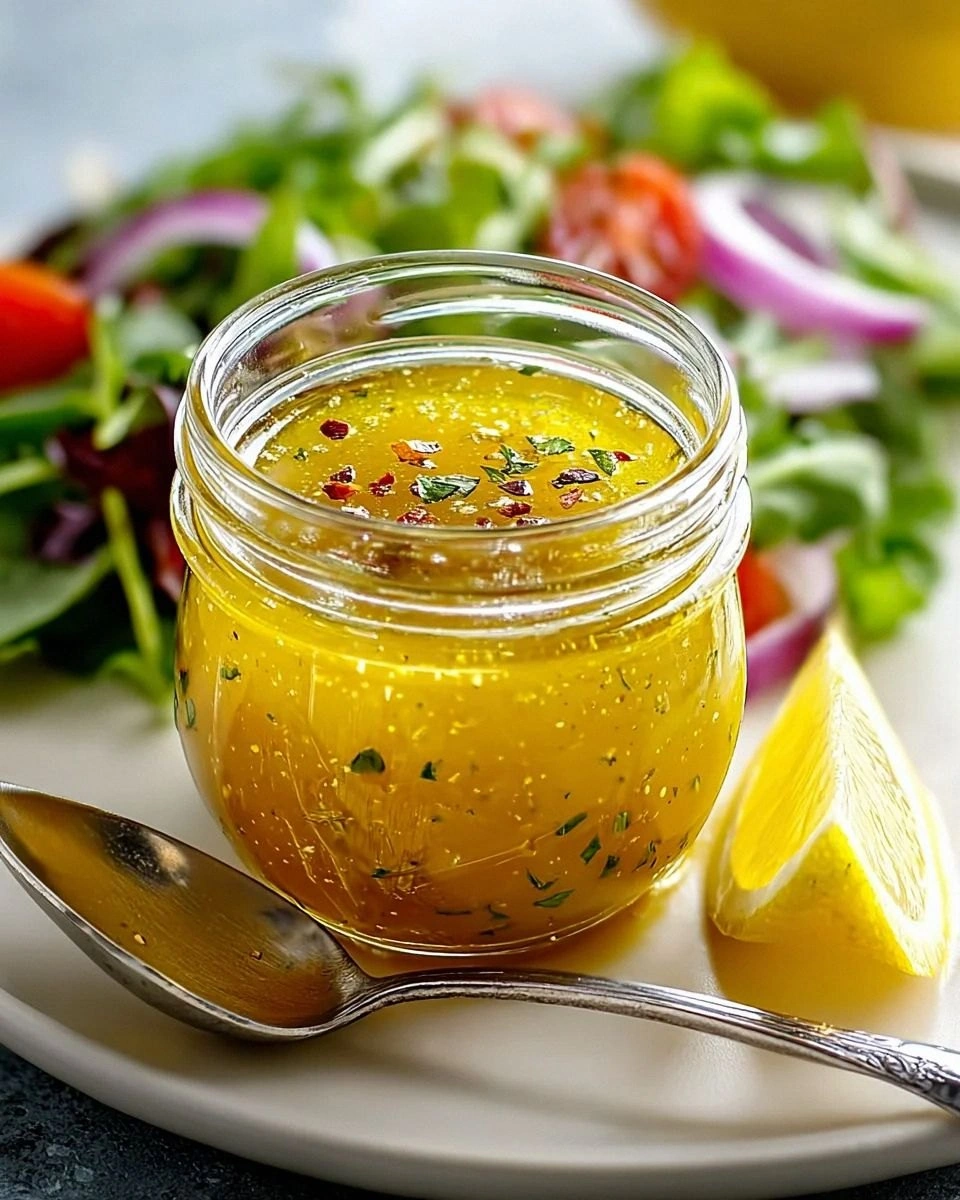
Give the dressing a final vigorous whisk for another 15 seconds. This extra agitation ensures the emulsion is stable and that any lingering air bubbles are released. You’ll notice the vinaigrette becomes slightly thicker, with a sheen that looks like liquid gold.
-
Transfer the vinaigrette to a clean glass jar with a tight‑fitting lid. Store it in the refrigerator for at least 15 minutes before using – this resting period allows the flavors to marry and the texture to settle. When you’re ready to serve, give the jar a good shake; the vinaigrette will re‑emulsify instantly, looking as fresh as the moment you made it.
Kitchen Hack: Store the vinaigrette upside down in the fridge; the oil will cling to the lid and create a natural seal that keeps air out.
That’s it — you did it. But hold on, I’ve got a few more tricks that’ll take this to another level, especially if you’re planning to use it beyond a single salad.
Insider Tricks for Flawless Results
The Temperature Rule Nobody Follows
Always bring your lemon juice and olive oil to room temperature before whisking. Cold ingredients cause the oil to solidify slightly, making emulsification harder and leading to a grainy texture. I’ve seen beginners refrigerate the oil, only to end up with a dressing that separates within minutes. Let the ingredients sit out for 10‑15 minutes, or give the oil a quick warm‑water bath if you’re in a hurry.
Why Your Nose Knows Best
Before you add the salt, take a deep sniff of the vinaigrette. The aroma will tell you whether the lemon is too sharp or the oil is too dominant. If the scent leans heavily toward raw garlic, you’ve probably over‑minced it; a quick whisk can mellow it out. Trust your nose more than the recipe’s measurements – it’s the ultimate flavor barometer.
The 5‑Minute Rest That Changes Everything
After whisking, let the vinaigrette rest uncovered for five minutes. This short pause allows the flavors to meld and the emulsion to stabilize. I once served a vinaigrette immediately and received feedback that it tasted “sharp.” A five‑minute wait would have softened the acidity and delivered a smoother mouthfeel.
Shake, Don’t Stir, When Re‑Emulsifying
If your vinaigrette separates after a day in the fridge, the fastest fix is a vigorous shake in its jar. The agitation re‑creates the emulsion without the need for additional whisking. A friend once tried to stir it with a spoon and ended up with a watery mess – never underestimate the power of a good shake.
Add a Splash of Citrus Water for a Light Finish
Just before serving, whisk in a tablespoon of cold water infused with a few extra drops of lemon zest. This thin layer of “citrus water” brightens the vinaigrette, giving it a lively finish that makes greens feel fresh, even if they’ve been sitting for a while. I’ve used this trick on a summer picnic salad, and the guests thought I’d added a secret ingredient.
Creative Twists and Variations
This recipe is a playground. Here are some of my favorite ways to switch things up:
Herb‑Infused Lemon Vinaigrette
Add a tablespoon of finely chopped fresh herbs such as basil, dill, or mint. The herbs introduce a fresh, garden‑like aroma that pairs beautifully with grilled fish or a cucumber‑tomato salad. I love the mint version on a watermelon‑feta salad for a summer twist.
Spicy Citrus Kick
Stir in a half‑teaspoon of finely grated jalapeño or a dash of hot sauce. The heat balances the acidity, creating a vinaigrette that’s perfect for taco salads or drizzling over roasted cauliflower.
Nutty Lemon Delight
Replace half of the olive oil with toasted almond or walnut oil. The nutty undertones add richness and make the dressing ideal for bitter greens like arugula or radicchio.
Sweet‑And‑Savory Maple Version
Swap honey for pure maple syrup and add a pinch of ground cinnamon. This variation is divine on a warm spinach‑apple salad, where the maple and cinnamon echo the flavors of a fall dessert.
Creamy Lemon Yogurt Dressing
Blend in two tablespoons of plain Greek yogurt after the oil has been emulsified. The result is a thicker, creamier dressing that works as a dip for raw veggies or a sauce for grilled chicken.
Storing and Bringing It Back to Life
Fridge Storage
Transfer the vinaigrette to an airtight glass jar and store it in the refrigerator for up to one week. The flavors will deepen, and the emulsion will stay stable thanks to the mustard. Before each use, give the jar a 10‑second shake to recombine any separated layers.
Freezer Friendly
If you’ve made a large batch, portion it into silicone ice‑cube trays and freeze. Once solid, pop the cubes into a freezer bag and store for up to three months. When you need a fresh batch, simply thaw a cube in the fridge and whisk with a splash of water to restore the perfect consistency.
Best Reheating Method
If the vinaigrette has thickened too much after chilling, place the jar in a bowl of warm (not hot) water for a minute. Add a tiny splash of water – about a teaspoon – and whisk vigorously. The added moisture creates steam that gently re‑emulsifies the dressing without diluting the flavor.