I was in a kitchen that smelled like a storm—burnt garlic, overcooked rice, and the faint scent of a forgotten shrimp dish that had never quite lived up to its potential. I had promised myself I’d never let that happen again. That night, I stared at a bag of fresh shrimp, a tub of quick‑cooking grits, and a stack of cheese shreds, and thought, “What if I could turn this mishap into a show‑stopping, crowd‑pleasing casserole?” I did not know then that I was about to rewrite the entire narrative of shrimp & grits.
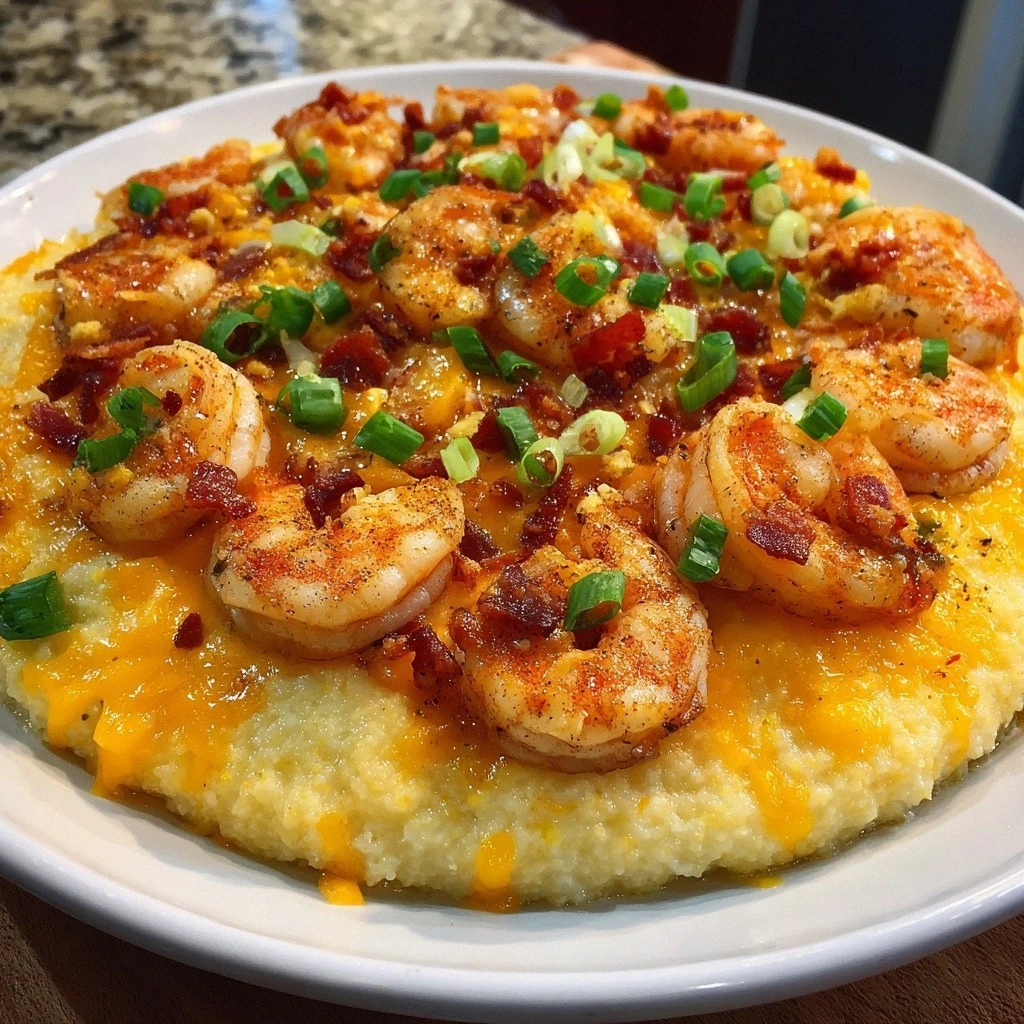
Picture this: a golden crust that crackles like freshly toasted bread, a creamy interior that swirls like a midnight lagoon, and shrimp that are juicy, tender, and coated in a smoky paprika glaze that sings against the subtle heat of garlic powder. The air fills with the buttery aroma of melted cheddar and the bright, almost citrusy zing of green onions. You can hear the gentle hiss of the sauce as it thickens, the subtle pop of shrimp as they finish cooking, and the faint clink of a spoon against a wooden cutting board. Every element is a note in a symphonic dish that turns an ordinary dinner into a memorable experience.
This version stands apart because it blends classic Southern comfort with a modern, casserole‑friendly twist. Instead of simmering shrimp in a skillet, we fold them into a creamy, cheesy grits bed and bake them to a golden finish. The result is a dish that is simultaneously comforting and sophisticated—think of a pot roast that’s been reimagined for the 21st‑century palate. I dare you to taste this and not go back for seconds; the texture alone will have you craving more.
The secret? A few micro‑challenges that elevate flavor and texture. We use a splash of chicken broth to give the grits depth, a generous amount of butter for silky richness, and a pinch of paprika that gives the casserole a subtle smokiness. We also add a touch of green onions at the end, brightening the dish and adding a fresh contrast. If you’re skeptical, just imagine the first bite: the creamy grits, the melty cheddar, and the perfectly seasoned shrimp—all in one mouthful. That’s the kind of satisfaction that makes this recipe hands down the best version you'll ever make at home.
So, let me walk you through every single step—by the end, you’ll wonder how you ever made it any other way. The journey begins with prep, then moves through cooking the grits, seasoning the shrimp, assembling the casserole, and finishing with a crisp, golden top. Along the way, I’ll share kitchen hacks, fun facts, and warnings to ensure your dish turns out flawless. Ready? Let’s dive in.
What Makes This Version Stand Out
- Flavor Depth: The combination of paprika, garlic powder, and a splash of chicken broth creates layers of savory richness that lift the shrimp and grits alike.
- Texture Contrast: Creamy grits meet a crunchy, golden crust—an irresistible mouthfeel that keeps diners coming back for more.
- Ease of Assembly: No fancy equipment or lengthy prep—just a skillet, a baking dish, and a few minutes of hands‑on time.
- Make‑ahead Friendly: Assemble the casserole, chill it, and bake just before serving; perfect for busy weeknights or weekend gatherings.
- Kid‑Approved: The mild seasoning and cheesy base make it a hit with even the pickiest eaters.
- Ingredient Quality: Fresh shrimp, quick‑cooking grits, and real cheddar elevate the dish beyond the ordinary.
- Visual Appeal: The golden top and bright green onions create a dish that looks as good as it tastes.
- Versatility: Swap shrimp for scallops or add bacon for a smoky twist—this base adapts to your cravings.
Alright, let's break down exactly what goes into this masterpiece…
Inside the Ingredient List
The Flavor Base
Water (or chicken broth) is the silent hero that cooks the grits. It hydrates the corn starch, allowing the grits to swell and release their natural sweetness. If you use chicken broth instead of water, the grits absorb a subtle savory note that elevates the entire dish. Skipping this step will leave the grits bland, but you can compensate by adding more seasoning later—though it will never match the depth of broth.
The Texture Crew
Cheddar cheese is the creamy backbone of this casserole. Shredded cheddar melts into a velvety sauce that coats the grits and shrimp, creating a luscious mouthfeel. If you prefer a sharper bite, try adding a pinch of sharp cheddar or even a little pepper jack for a hint of heat. Butter, on the other hand, injects a luxurious richness that counterbalances the saltiness of the cheese. A tablespoon of butter at the end of cooking will give the grits a glossy sheen and a buttery finish.
The Unexpected Star
Green onions are the bright, fresh counterpoint that cuts through the richness. They add a subtle onion flavor and a pop of color that makes the dish visually appealing. If you’re allergic to onions or simply want a milder flavor, try substituting scallions or a small amount of chives. Green onions also carry a slight crunch when sprinkled on top after baking, adding another layer of texture.
The Final Flourish
Garlic powder and paprika are the seasoning duo that brings the dish together. Garlic powder provides a deep, umami background that complements the shrimp’s natural sweetness, while paprika adds a smoky undertone and a beautiful golden hue. If you’re a fan of heat, a dash of cayenne or smoked paprika can turn this into a fiery casserole. Salt and pepper are essential for balancing the flavors; taste as you go to avoid over‑seasoning.
Everything's prepped? Good. Let's get into the real action.
The Method — Step by Step
- Prep the Shrimp: Rinse the shrimp under cold water and pat dry with paper towels. In a small bowl, combine the shrimp with 1 teaspoon of garlic powder, 1 teaspoon of paprika, 1 teaspoon of salt, and 1/2 teaspoon of black pepper. Toss until each shrimp is evenly coated. Set aside on a plate. This step ensures every bite is flavorful—don’t skip it, or you’ll miss that savory punch.
- Cook the Grits: In a medium saucepan, bring 2 cups of water or low‑fat chicken broth to a boil. Stir in 1 cup of quick‑cooking grits, reduce heat to low, cover, and simmer for 5 minutes, stirring occasionally. After 5 minutes, stir in 1/2 cup of whole milk and 2 tablespoons of butter. The grits should be thick, creamy, and glossy. If they’re too thick, add a splash of milk to reach your desired consistency.
- Layer the Base: Transfer the cooked grits to a 9x13 inch baking dish. Spread them evenly, creating a smooth base that will hold the shrimp.
- Add the Shrimp: Evenly distribute the seasoned shrimp over the grits. This placement allows each shrimp to soak up the creamy sauce as it bakes. If you’re using larger shrimp, consider cutting them in half to ensure even cooking.
- Cheese It: Sprinkle 1 cup of shredded cheddar cheese over the shrimp. The cheese will melt into a luscious coating that ties the dish together. Feel free to add a handful of shredded Monterey Jack for a milder flavor.
- Bake: Preheat the oven to 375°F (190°C). Place the baking dish in the oven and bake for 20 minutes, or until the cheese is melted, bubbly, and starting to turn golden. Keep a close eye on the top; you want a crisp, caramelized finish without burning.
- Final Touches: Remove the casserole from the oven. Sprinkle chopped green onions over the top for a burst of color and freshness. If you prefer a slightly crisp edge, return the dish to the oven for an additional 2–3 minutes.
- Serve: Let the casserole rest for 5 minutes before slicing. This rest period allows the flavors to settle and the cheese to set slightly, preventing a gooey mess on the plate. Plate each serving with a side of steamed broccoli or a crisp green salad to balance the richness.
That's it — you did it. But hold on, I've got a few more tricks that'll take this to another level. These insider tips will help you master the dish and avoid common pitfalls.
Insider Tricks for Flawless Results
The Temperature Rule Nobody Follows
Baking at 375°F is a sweet spot that ensures the cheese melts evenly while the shrimp cooks through without drying out. If you bake at a lower temperature, the cheese may not brown properly; a higher temperature can cause the shrimp to overcook. I’ve tried 350°F and the top never achieved that golden crust I love.
Why Your Nose Knows Best
The moment the cheese starts to bubble and the aroma of paprika wafts through the kitchen, you know you’re on the right track. If you don’t smell that buttery, cheesy scent, it’s a sign to check the oven temperature or add a bit more cheese.
The 5-Minute Rest That Changes Everything
Letting the casserole sit for 5 minutes after baking allows the cheese to set, reducing the risk of a gooey mess when you cut into it. It also lets the flavors meld, creating a more cohesive taste. I’ve found this rest period is essential for achieving that perfect bite.
Keep the Shrimp Juicy
If you’re using frozen shrimp, thaw them in cold water for 15 minutes before seasoning. Avoid microwaving, as it can toughen the shrimp. Pat them dry thoroughly; excess moisture will steam the shrimp instead of searing them.
Add a Splash of Lemon Juice
A squeeze of fresh lemon juice right before serving brightens the dish and cuts through the richness. The acidity also helps balance the saltiness of the cheddar and shrimp. I’ve used this trick for dinner parties, and guests rave about the bright finish.
Creative Twists and Variations
This recipe is a playground. Here are some of my favorite ways to switch things up:
Cajun Kick
Swap the paprika and garlic powder for a Cajun seasoning blend. Add a pinch of cayenne for heat and a splash of hot sauce after baking. This version is perfect for fans of spicy Southern cuisine.
Sausage & Spinach
Sauté sliced Italian sausage with spinach, then fold into the grits before baking. The sausage adds a savory depth, while the spinach introduces a subtle earthiness that pairs beautifully with the shrimp.
Bacon & Cheddar Fusion
Crumble crispy bacon over the top before baking. The smoky bacon complements the cheddar and adds a crunchy contrast. This variation is ideal for brunch or a hearty lunch.
Vegan Version
Replace shrimp with sautéed mushrooms or tofu, use a vegan cheese blend, and swap butter for coconut oil. This version maintains the creamy texture while offering a plant‑based alternative.
Mediterranean Twist
Add chopped sun‑dried tomatoes, olives, and a sprinkle of oregano to the grits. Finish with a drizzle of olive oil and a squeeze of lemon. The Mediterranean flavors give the casserole a bright, zesty profile.
Storing and Bringing It Back to Life
Fridge Storage
Let the casserole cool completely before covering tightly with plastic wrap. Store in the refrigerator for up to 3 days. When ready to reheat, place the casserole on a baking sheet, cover loosely with foil, and bake at 350°F for 15 minutes, or until heated through.
Freezer Friendly
Wrap the casserole in two layers of aluminum foil, then place in a freezer‑safe bag. Freeze for up to 2 months. Thaw overnight in the refrigerator before reheating as described above. The texture remains creamy and the flavor stays intact.
Best Reheating Method
The key to reheating is gentle heat to preserve the creamy base. Add a splash of milk or broth before reheating; this steams the casserole back to perfection and prevents it from drying out. Finish with a quick broil for 2 minutes to revive the golden crust.