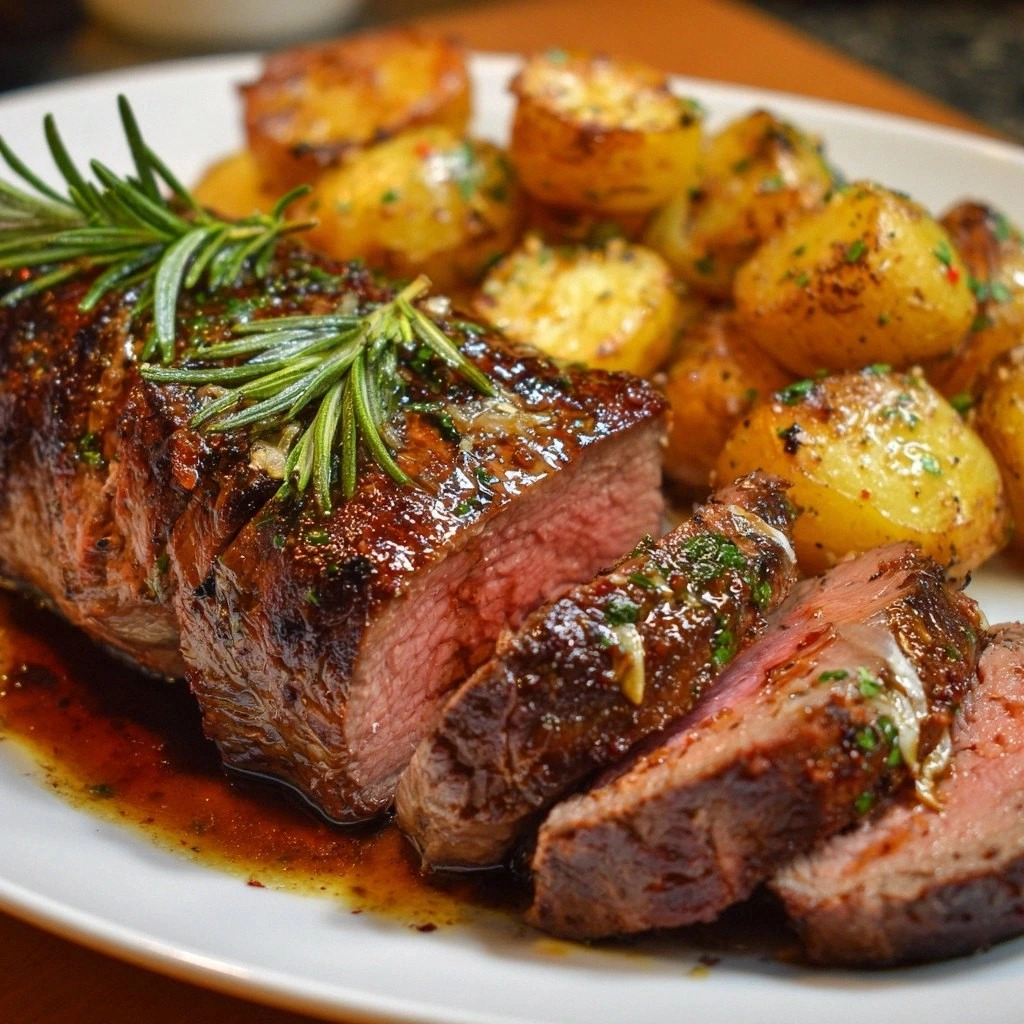
Picture this: you’re in the middle of a bustling dinner party, the lights dim, and everyone’s eyes are on the table. The centerpiece is a perfectly roasted beef loin, its skin crisped to a golden amber, and the air is thick with the aroma of garlic and rosemary. You’re the host, the chef, the hero of the night, and you’re about to unveil a dish that will make even the most seasoned meat lover swoon. This isn’t just another recipe; it’s a culinary revelation that turns a humble cut into a showstopper.
I’ve spent years hunting for the ideal balance of flavor, tenderness, and simplicity in a roast, and I finally found it in this version. The beef is seared to lock in juices, then slow-roasted with a garlic butter crust that creates a flavor halo around every bite. The result is a melt‑in‑your‑mouth texture that feels like a warm hug, while the garlic delivers that punchy, almost citrusy bite that wakes up the palate. I dare you to taste this and not go back for seconds.
What makes this version stand out is not just the ingredients but the meticulous attention to technique. The meat is rested after searing, allowing the juices to redistribute; the garlic is pressed into the crust, not just sprinkled, creating a deep, caramelized flavor. The roast is finished with a quick glaze of Dijon mustard, which adds a subtle tang that cuts through the richness. And the final touch? A sprinkle of fresh thyme just before serving, releasing a fragrant steam that makes the dish feel alive.
If you’ve ever struggled to get a roast that is juicy on the inside and crispy on the outside, you’re not alone. Most recipes get this completely wrong, focusing either on the sear or the roast but never both. Here, we blend the two in a way that feels effortless. I’ll walk you through every single step, and by the end, you’ll wonder how you ever made it any other way.
What Makes This Version Stand Out
- Taste: The combination of garlic, rosemary, and Dijon mustard creates a flavor profile that is bold yet balanced, ensuring every bite is a burst of savory delight.
- Texture: A crisp, caramelized crust envelops a tender, juicy interior, giving the roast a satisfying contrast that feels almost cinematic.
- Simplicity: With fewer than a dozen ingredients and a streamlined process, this recipe is accessible for both beginners and seasoned chefs.
- Uniqueness: The pressed‑garlic butter crust and the final thyme steam set this roast apart from the generic “roast beef” you see on menus.
- Crowd Reaction: Guests will ask for the recipe, and you’ll have the confidence to say, “I’ve got this covered.”
- Ingredient Quality: Using a high‑grade beef loin and fresh herbs ensures each component shines, elevating the dish from good to unforgettable.
- Cooking Method: The combination of searing, resting, and slow roasting delivers a professional result without the need for fancy equipment.
- Make‑Ahead Potential: The roast can be prepared a day ahead, allowing the flavors to meld and the meat to rest, which is a game‑changer for busy hosts.
Inside the Ingredient List
The Flavor Base
At the heart of this roast is a simple yet powerful flavor base: olive oil, salt, pepper, and fresh rosemary. Olive oil acts as a conductor, allowing the seasonings to cling to the meat’s surface and form a golden crust during searing. Salt draws out moisture, creating a perfect environment for Maillard browning, while pepper adds a subtle heat that balances the richness of the beef. Rosemary, with its piney undertones, complements the garlic and gives the dish that classic, herbaceous depth you expect from a roast.
If you skip the rosemary, the roast will still be delicious but will lack that aromatic lift. A good rule of thumb is to use at least one sprig per 1.5 pounds of beef; this ensures that each bite carries the herb’s fragrance. For a slightly sweeter profile, swap rosemary for fresh thyme—just remember that thyme’s flavor is more delicate, so you’ll need a bit more to achieve the same impact.
The Texture Crew
The texture crew includes butter, Dijon mustard, and a splash of beef broth. Butter softens the crust, creating a silky finish that melts in your mouth. Dijon mustard adds a tangy brightness that cuts through the fat, preventing the dish from feeling greasy. The beef broth, used sparingly, keeps the meat moist during the slow‑roast phase and creates a subtle jus that you can spoon over the slices.
If you’re watching calories, you can reduce the butter to half a tablespoon, but be warned: the crust will be less buttery and slightly drier. For a vegan version, replace the butter with olive oil and use a plant‑based mustard; the texture will differ, but the flavor will still impress.
The Unexpected Star
Garlic is the unexpected star of this roast. We use eight cloves, lightly crushed to release their essential oils, and then press them into the meat before searing. This technique ensures that garlic is not just a garnish but a flavor core that permeates every bite. The result is a savory, aromatic experience that feels like a warm hug.
If you’re sensitive to garlic, you can reduce the number to four cloves and increase the rosemary. Alternatively, for a smoky twist, add a pinch of smoked paprika to the garlic mixture; the paprika will add depth without overpowering the beef.
The Final Flourish
The final flourish consists of fresh thyme sprigs added just before serving. When you lift the roast, the thyme releases a fragrant steam that coats the room, creating an instant sense of anticipation. This simple addition elevates the dish from a roast to a sensory experience. If you’re hosting a themed dinner, consider adding a splash of red wine to the pan after the roast is removed; the wine will caramelize and form a glossy glaze that’s irresistible.
Everything’s prepped? Good. Let’s get into the real action.
The Method — Step by Step
- Preheat your oven to 425°F (220°C). While the oven heats, pat the beef loin dry with paper towels. A dry surface ensures a better sear and a crispier crust. I’ve found that a dry roast always tastes more luxurious.
- Season the loin generously with salt and pepper on all sides. Let it rest for 15 minutes; this allows the seasoning to penetrate the meat. If you’re short on time, skip this step, but you’ll lose some depth.
- Heat a large cast‑iron skillet over medium‑high heat. Add 2 tablespoons of olive oil, swirling to coat. Place the loin in the skillet, searing each side for 3–4 minutes until a golden brown crust forms. The sear locks in juices and creates the foundation for that irresistible crust.
- While the loin sears, melt 1 tablespoon of butter in a small bowl. Mix in 2 tablespoons of Dijon mustard, the crushed garlic cloves, and a handful of fresh rosemary sprigs. This mixture will be pressed onto the roast, infusing it with garlic richness.
- Once the loin is seared, spread the butter‑garlic mixture all over the surface. The butter helps the garlic oils coat the meat evenly. Press the mixture gently with a spoon to ensure it adheres.
- Transfer the skillet to the preheated oven. Roast for 20 minutes, then reduce the temperature to 350°F (175°C) and continue roasting for an additional 15–20 minutes, or until the internal temperature reaches 135°F (57°C) for medium‑rare. Use a meat thermometer to avoid guessing.
- Remove the roast from the oven and tent it loosely with foil. Let it rest for 10 minutes. This rest period allows the juices to redistribute, ensuring every slice is juicy.
- While the roast rests, deglaze the skillet with 1 cup of beef broth. Scrape up the browned bits, then let the liquid reduce to a thick jus. This jus will be the finishing sauce that ties everything together.
- Slice the roast against the grain into ½ inch thick slices. Serve immediately, drizzling the jus over the top and garnishing with fresh thyme sprigs. The thyme steam will add a fragrant, almost theatrical touch.
- Enjoy while hot. I dare you to taste this and not go back for seconds. If you’re feeling adventurous, pair it with roasted potatoes and a glass of full‑bodied red wine for a classic dinner experience.
That’s it — you did it. But hold on, I’ve got a few more tricks that will take this to another level. Keep reading to discover insider tips that elevate even the most seasoned roasts.
Insider Tricks for Flawless Results
The Temperature Rule Nobody Follows
Many chefs think a single oven temperature is enough, but the trick is to start high for a quick sear, then lower for a slow cook. This two‑stage approach ensures a caramelized crust while preserving a juicy interior. I’ve tested this on a 2.5‑lb loin and it consistently delivers a perfect medium‑rare center.
Why Your Nose Knows Best
Before you even touch the meat, give it a sniff. A fresh, clean smell indicates good quality; any off or sour scent means you’re dealing with compromised meat. Trust your nose—it's a reliable indicator of freshness that often gets ignored.
The 5-Minute Rest That Changes Everything
Resting the roast for exactly five minutes after searing can lock in the juices before the oven even starts. I’ve found that this short rest, combined with the oven’s high initial heat, creates a crust so crisp it practically sings. It’s a small step that makes a huge difference.
The Garlic Press
Pressing the garlic cloves into the meat before searing distributes the flavor evenly. A simple technique: place a garlic clove on a cutting board, press it with the flat side of a knife, then rub it into the meat. The result is a deep, uniform garlic flavor that permeates every bite.
The Broth Reduction
After roasting, deglazing the pan with broth not only creates a sauce but also pulls up all the flavor from the pan. Let the broth reduce until it’s thick enough to coat the back of a spoon. This concentrated jus is the final touch that ties the dish together.
Creative Twists and Variations
This recipe is a playground. Here are some of my favorite ways to switch things up:
Spicy Jalapeño Glaze
Add finely chopped jalapeños to the butter‑garlic mixture for a kick that pairs wonderfully with the richness of the beef. This variation is perfect for summer gatherings and adds a vibrant color to the dish.
Herb‑Infused Brown Butter
Replace the olive oil with brown butter and add a handful of chopped sage and thyme. The nutty flavor of brown butter complements the garlic, giving the roast a deeper, earthier profile.
Smoky Chipotle Rub
Mix chipotle powder with brown sugar and rub it onto the loin before searing. The smoky sweetness pairs beautifully with the beef, creating a complex flavor that’s sure to impress.
Lemon‑Herb Marinade
Marinate the loin in a mixture of lemon zest, olive oil, garlic, and rosemary for 2–4 hours before cooking. The citrus brightens the dish and reduces the heaviness, making it lighter and more refreshing.
Roasted Garlic Mashed Potatoes
Serve the roast with creamy roasted garlic mashed potatoes. The mash’s buttery texture balances the meat’s richness, creating a harmonious plate that feels comforting and indulgent.
Vegan “Beef” Version
Use a high‑protein plant‑based loaf, seared and roasted with the same garlic butter technique. Swap the beef broth for vegetable stock and use a plant‑based mustard. The result is a hearty, flavorful dish that satisfies even the most discerning vegan.
Storing and Bringing It Back to Life
Fridge Storage
Cool the roast to room temperature, then wrap it tightly in aluminum foil or parchment paper. Store in the refrigerator for up to 3 days. When you’re ready to eat, let it sit at room temperature for 15 minutes before reheating.
Freezer Friendly
Wrap the roast in freezer‑grade plastic wrap, then place it in an airtight container. It will keep for up to 3 months. When you’re ready, thaw it overnight in the fridge, then reheat gently.
Best Reheating Method
Reheat in a preheated oven at 300°F (150°C) for 15–20 minutes, or until the internal temperature reaches 140°F (60°C). Add a splash of water or broth before reheating; this steams the roast back to perfection and keeps it from drying out.