Picture this: you’re halfway through a week of bland dinners, the fridge looks like a battlefield, and your taste buds are screaming for something that feels both indulgent and comforting. You’re scrolling through recipes, hoping for a miracle, when a friend drops a dare: “If you can’t find the right cauliflower, you’re out of the kitchen for the rest of the week.” I laughed, grabbed the nearest head of cauliflower, and decided to turn that dare into a culinary triumph. What followed was a little kitchen experiment that turned a simple vegetable into a show‑stopper, and it’s the kind of dish that will have you humming “honey, garlic, baked cauliflower” long after the plates are cleared.
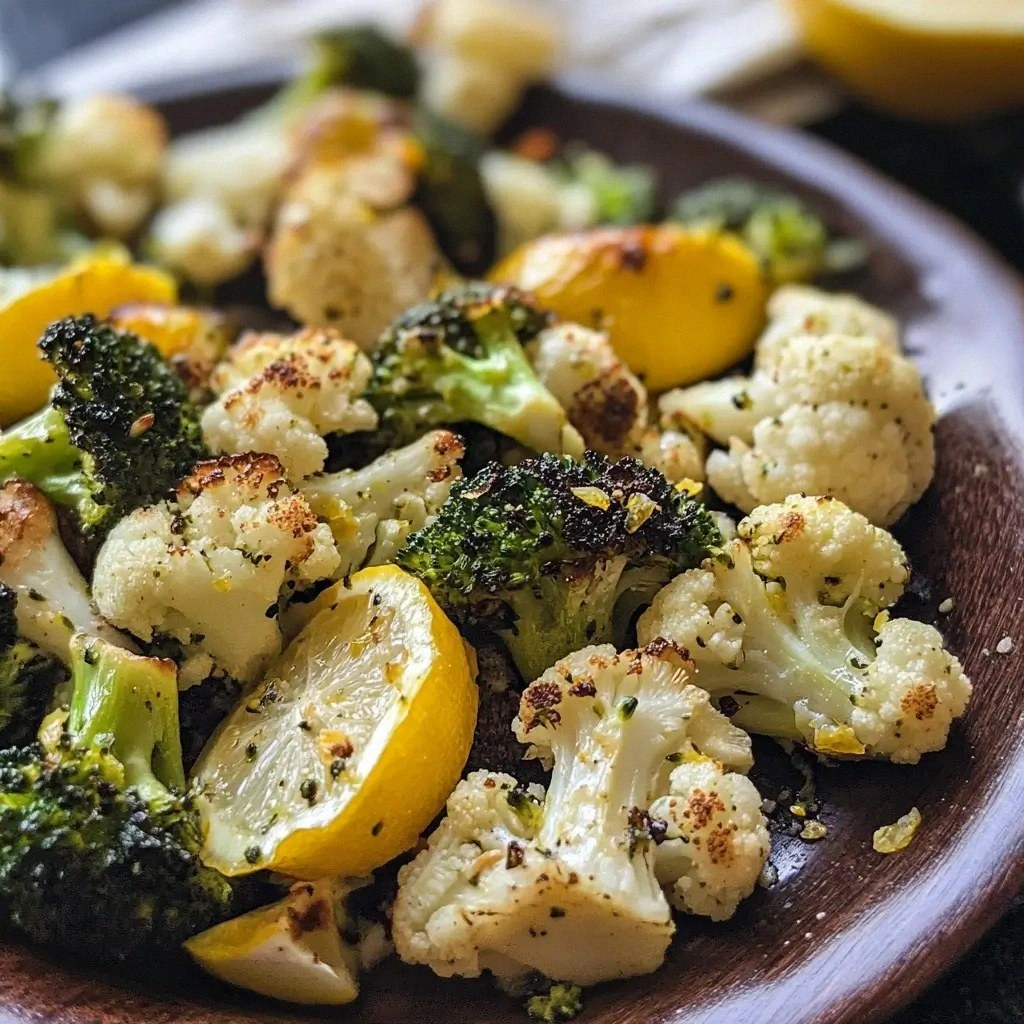
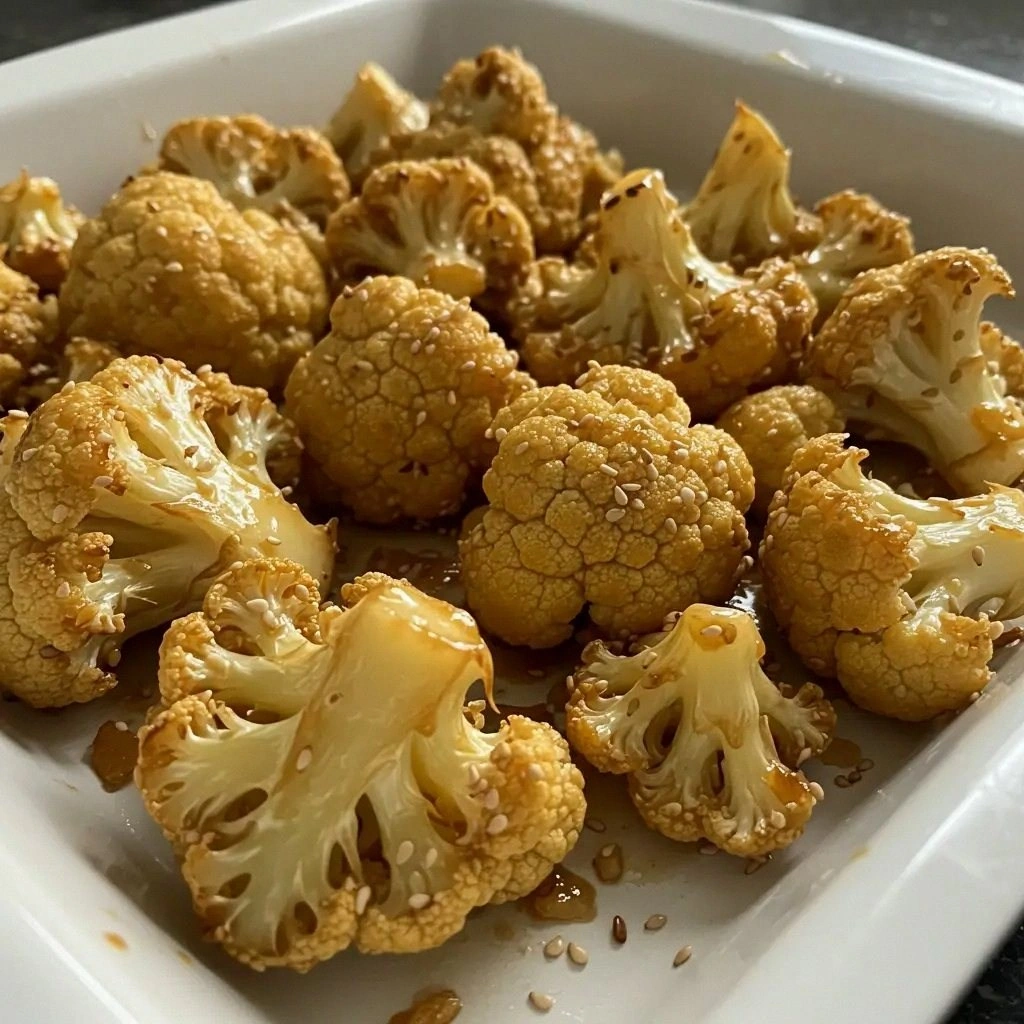
The first time I tossed the florets into the oven, the scent that filled the room was a sweet, almost buttery aroma that made my heart race. The honey caramelized into a glossy glaze, while the garlic released a warm, almost floral note that mingled with the earthy cauliflower. When I pulled it out, the edges were blistered and crisp, like a golden crust that shivered with anticipation. The center, on the other hand, was tender and almost creamy, a contrast that made each bite a textural adventure. I dared you to taste this and not go back for seconds, and I was already craving another spoonful.
What makes this version stand out is not just the combination of honey and garlic, but the careful balance of sweet, salty, and umami that lifts the cauliflower into a new dimension. I’ve spent years tweaking sauces, and this glaze is the culmination of that experimentation: the honey’s natural sugars caramelize to a deep amber hue, the soy sauce adds depth without overpowering, and a dash of ginger keeps it bright. The result is a dish that feels indulgent yet light, a side that can stand alone or complement a main course. If you’ve ever struggled with making cauliflower exciting, this is the fix you’ve been waiting for.
Picture yourself pulling this out of the oven, the whole kitchen smelling incredible, and the table already set with a dish that looks as good as it tastes. The glaze clings to each floret, giving it a shiny, almost lacquered appearance that’s impossible to resist. The crunch of the caramelized edges gives way to a soft, almost buttery interior that melts in your mouth. I’ve found that the moment you take that first bite, the flavors burst into a harmonious chorus that lingers long after the last crumb. And that, my friend, is why this is hands down the best version you’ll ever make at home.
I’ll be honest—when I first served this, I ate half the batch before anyone else got to try it. The moment the dish was plated, the aroma alone was enough to draw a crowd. The contrast between the sweet glaze and the savory undertones made it impossible to stop eating. I’ve been asked to bring it to potlucks, dinner parties, and even my own quiet Sunday nights. The feedback? “This is the most flavorful cauliflower I’ve ever had.” It’s not just a side; it’s a statement.
Okay, ready for the game‑changer? Let’s walk through every single step, because by the end, you’ll wonder how you ever made cauliflower any other way. From the initial prep to that final glossy finish, I’ll share the secrets that turn a simple vegetable into a culinary masterpiece. Stay with me here—this is worth it.
What Makes This Version Stand Out
- Flavor Profile: The combination of honey, soy sauce, and garlic creates a glaze that is simultaneously sweet, salty, and umami. The glaze caramelizes to a deep amber, giving the cauliflower a glossy, almost lacquered appearance that’s impossible to resist.
- Texture Contrast: The oven brings out a crisp, blistered exterior while keeping the interior tender and almost creamy. The contrast between crunchy edges and soft center delivers a satisfying bite that keeps you coming back.
- Simplicity: With only a handful of pantry staples, you can achieve a restaurant‑quality dish in under 45 minutes. No special equipment or exotic ingredients required—just a head of cauliflower, honey, and a few seasonings.
- Versatility: This recipe works as a side, a main, or even a salad topper. Toss it with quinoa, serve it over rice, or add it to a grain bowl for a wholesome meal.
- Crowd‑Pleaser: Even the most skeptical diners will be won over by the sweet‑savory glaze. My friends swear they’d never touch cauliflower again after trying this.
- Ingredient Quality: Using fresh, high‑quality ingredients—especially a good honey and a light soy sauce—makes all the difference. The better the honey, the richer the glaze.
- Make‑Ahead Potential: Once baked, the cauliflower keeps its flavor for up to 3 days in the fridge, and it reheats beautifully. This makes it perfect for meal prep or busy weeknights.
- Health‑Friendly: Low in calories, high in fiber, and packed with vitamin C, this dish is a nutritious addition to any diet.
Inside the Ingredient List
The Flavor Base
Honey is the star of this dish, providing a natural sweetness that caramelizes beautifully when baked. It’s the glue that holds the glaze together and gives the cauliflower a glossy finish. If you prefer a less sweet version, replace half the honey with maple syrup for a slightly different flavor profile. The key is to use a high‑quality, unfiltered honey for the best depth.
Soy sauce adds the essential umami punch that balances the sweetness. Opt for a low‑sodium version if you’re watching your sodium intake, but be prepared to adjust the salt later. The salty undertone from the soy sauce creates a savory backbone that complements the garlic and honey. If you’re allergic to soy, tamari or coconut aminos work as excellent substitutes.
Garlic is the aromatic heart of the dish. Freshly minced garlic releases its full flavor, creating a warm, almost floral note that lingers on the palate. If you’re not a fan of raw garlic, roasting it briefly before adding it to the glaze can mellow the sharpness. The garlic also helps the glaze adhere to the cauliflower, ensuring every floret gets a generous coating.
The Texture Crew
Cauliflower florets are the canvas for this masterpiece. Cut them into bite‑size pieces to ensure even cooking and maximum surface area for the glaze. A fresh head of cauliflower will hold its shape better and provide a firmer bite. If you prefer a softer texture, leave the florets a bit larger, but be prepared for a slightly longer bake time.
Olive oil is the medium that carries the glaze and helps achieve a golden crust. It also prevents the cauliflower from drying out during baking. Use a light or extra‑virgin olive oil for a subtle fruitiness. If you’re avoiding olive oil, a neutral oil like grapeseed or avocado works just as well.
Butter adds a luxurious richness that deepens the flavor profile. It’s optional, but a tablespoon of butter melted into the glaze gives the dish a buttery sheen and a subtle depth. If you’re vegan, simply omit the butter or replace it with a plant‑based butter.
The Unexpected Star
Sesame seeds are a delightful finishing touch that add crunch and a nutty aroma. Toast them lightly before sprinkling on top to bring out their flavor. If you’re allergic to sesame, sunflower seeds or pumpkin seeds make a great alternative. The seeds also add a pop of color that makes the dish visually appealing.
Scallions, thinly sliced, provide a fresh, peppery contrast to the sweet glaze. They add a burst of color and a bright finish that cuts through the richness. If you prefer a milder flavor, replace scallions with chives or green onions. The choice of green onion can subtly shift the dish’s overall taste profile.
The Final Flourish
Ground ginger brings a subtle warmth that enhances the overall flavor without overpowering it. A half teaspoon is enough to add a gentle kick. If you’re sensitive to ginger, simply omit it. The ginger also helps balance the sweetness of the honey.
Red pepper flakes add a touch of heat that contrasts beautifully with the sweet glaze. Use a pinch or a half teaspoon, depending on your heat tolerance. If you’re not a fan of spice, you can leave them out entirely. The heat level can be adjusted to suit your personal preference.
Everything's prepped? Good. Let's get into the real action and see how these ingredients come together to create a dish that will have you shouting, “I need more!”
The Method — Step by Step
- Preheat your oven to 425°F (220°C). Line a large baking sheet with parchment paper or a silicone mat to prevent sticking. This high temperature is key to achieving that blistered, caramelized edge that gives the dish its signature crunch.
- In a large bowl, whisk together 2 tablespoons of honey, 3 tablespoons of soy sauce, 4 minced garlic cloves, 2 tablespoons of olive oil, and 1 tablespoon of melted butter (if using). Add 1/2 teaspoon of ground ginger and a pinch of red pepper flakes. Mix until the honey dissolves and the glaze is smooth.
- Toss the cauliflower florets in the glaze, making sure each piece is coated evenly. Use a spatula or your hands to coat thoroughly; the glaze should cling to every surface. This step is crucial—if the glaze is uneven, some florets will stay raw or under‑seasoned.
- Spread the coated florets in a single layer on the prepared baking sheet. Avoid overcrowding; the florets need space to roast and caramelize. If you’re working with a very large head of cauliflower, you may need to bake in batches.
- Bake for 20 minutes, then flip each floret with a spatula to ensure even caramelization. The edges should begin to blister and develop a golden brown color. This flipping step guarantees a uniform texture throughout.
- Return the sheet to the oven and bake for an additional 10–15 minutes, or until the cauliflower is tender inside and the glaze has thickened into a sticky, glossy coating. The final bake will give you that perfect caramelized sheen that makes the dish irresistible.
- Remove the cauliflower from the oven and let it rest for 5 minutes. This resting period allows the glaze to set and the flavors to meld. It also makes the cauliflower easier to handle when serving.
- Transfer the roasted florets to a serving dish and sprinkle with toasted sesame seeds and sliced scallions for a pop of color and crunch. The final garnish adds a fresh, bright contrast that balances the richness of the glaze.
- Serve immediately with your favorite side dish, such as quinoa, rice, or a simple green salad. The dish is best enjoyed hot, when the glaze is still glossy and the cauliflower is at its crispest.
That’s it—you did it! But hold on, I’ve got a few more tricks that will take this to another level. From adjusting the glaze’s consistency to pairing it with complementary sides, these insider tips will ensure your cauliflower always turns out perfect.
Insider Tricks for Flawless Results
The Temperature Rule Nobody Follows
Many cooks bake cauliflower at a lower temperature, but that leads to a soggy interior. Baking at 425°F forces the exterior to caramelize while keeping the inside tender. If you’re using a convection oven, reduce the temperature by 25°F to avoid over‑browning. This small adjustment can make a huge difference in texture.
Why Your Nose Knows Best
The aroma of caramelizing honey is a powerful cue that the glaze is ready. When the honey starts to bubble and emit a sweet, nutty scent, it’s a sign that the sugars are breaking down. Trust your nose; it will tell you when the glaze has reached the perfect thickness.
The 5-Minute Rest That Changes Everything
Letting the cauliflower rest after baking allows the glaze to set and the flavors to marry. A quick 5‑minute pause also lets the steam escape, preventing the florets from becoming soggy. I’ve seen people rush to serve immediately, but that often leads to a less-than‑ideal texture.
Add a Splash of Water Before Reheating
When reheating leftovers, sprinkle a tiny splash of water over the cauliflower before microwaving. The water turns to steam and keeps the florets from drying out. This trick works best in a microwave-safe dish with a lid.
Use a Baking Rack for Even Heat
Placing a wire rack on the baking sheet elevates the cauliflower, allowing hot air to circulate around each floret. This promotes even caramelization and reduces the chance of sticking. If you don’t have a rack, simply make sure the florets are spread out in a single layer.
Creative Twists and Variations
This recipe is a playground. Here are some of my favorite ways to switch things up:
Spicy Sriracha Glaze
Swap the soy sauce for a mix of soy and sriracha for a spicy kick. Reduce the honey slightly to balance the heat. This version is perfect for those who love a fiery finish.
Coconut‑Infused Sweetness
Replace half the honey with coconut sugar and add a splash of coconut milk to the glaze. The result is a creamy, tropical twist that pairs well with grilled fish or tofu.
Herb‑Rich Mediterranean
Add chopped fresh rosemary and oregano to the glaze. Finish with a squeeze of lemon juice for brightness. This variation brings a Mediterranean flair that’s both fresh and savory.
Pineapple & Ginger Fusion
Mince a handful of fresh pineapple and mix it into the glaze along with a teaspoon of grated ginger. The pineapple adds a tropical sweetness that complements the honey. This is a great option for summer gatherings.
Vegan Butter Swap
Use a plant‑based butter or a drizzle of tahini instead of dairy butter. The result is a creamy, nutty flavor that’s entirely plant‑based. This tweak makes the dish suitable for vegans and dairy‑free diners.
Storing and Bringing It Back to Life
Fridge Storage
Place the cooled cauliflower in an airtight container and refrigerate for up to 3 days. The glaze will firm up slightly, but the flavor remains vibrant. When ready to serve, reheat in the oven at 350°F (175°C) for 10 minutes.
Freezer Friendly
Pack the cauliflower in a freezer‑safe bag, removing as much air as possible. Freeze for up to 2 months. Thaw overnight in the fridge, then bake at 400°F (200°C) for 15 minutes to restore crispness.
Best Reheating Method
Reheating in the oven preserves the crisp edges better than the microwave. If you’re short on time, a quick 30-second microwave burst with a splash of water works, but the oven will give you the best texture. Add a sprinkle of fresh herbs before serving for a burst of color.