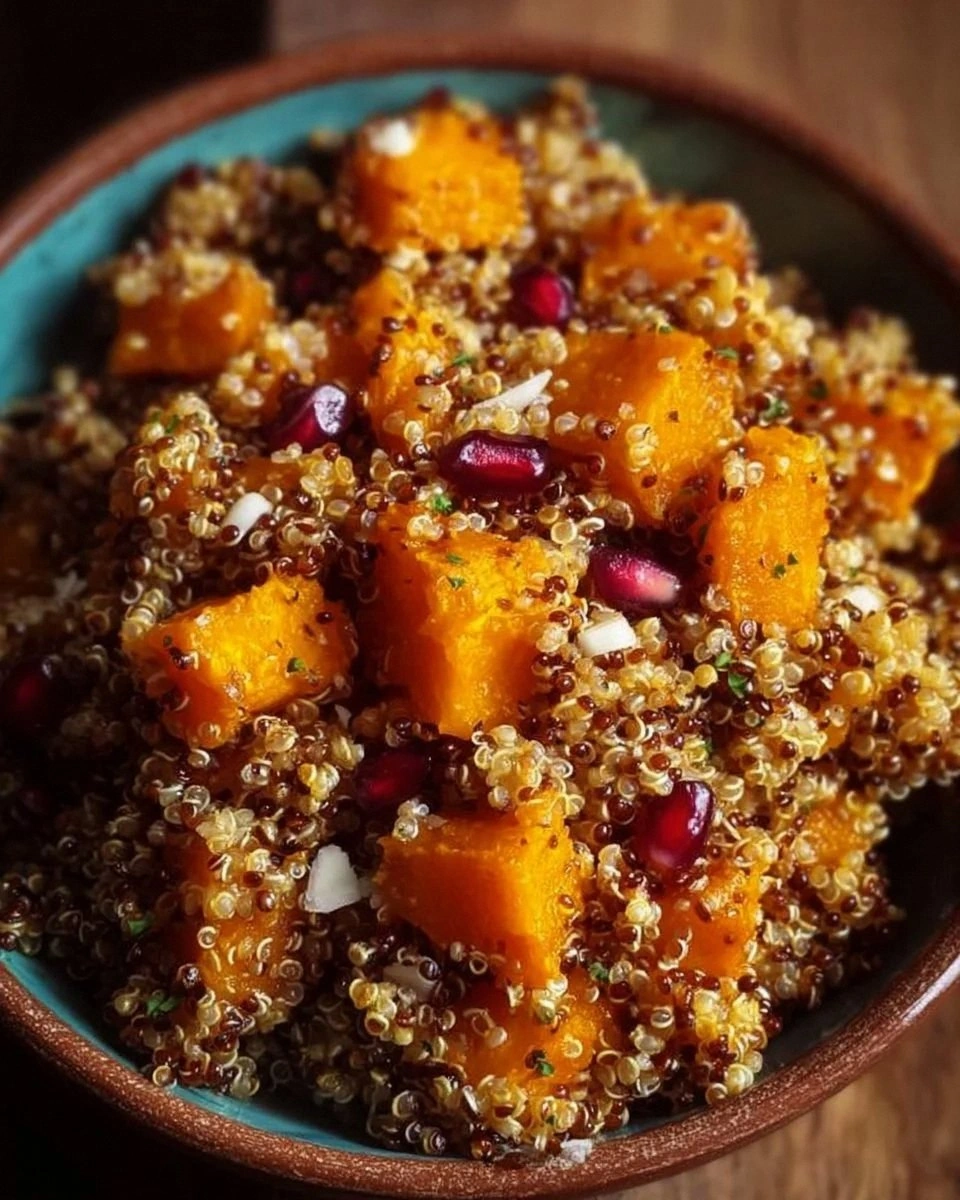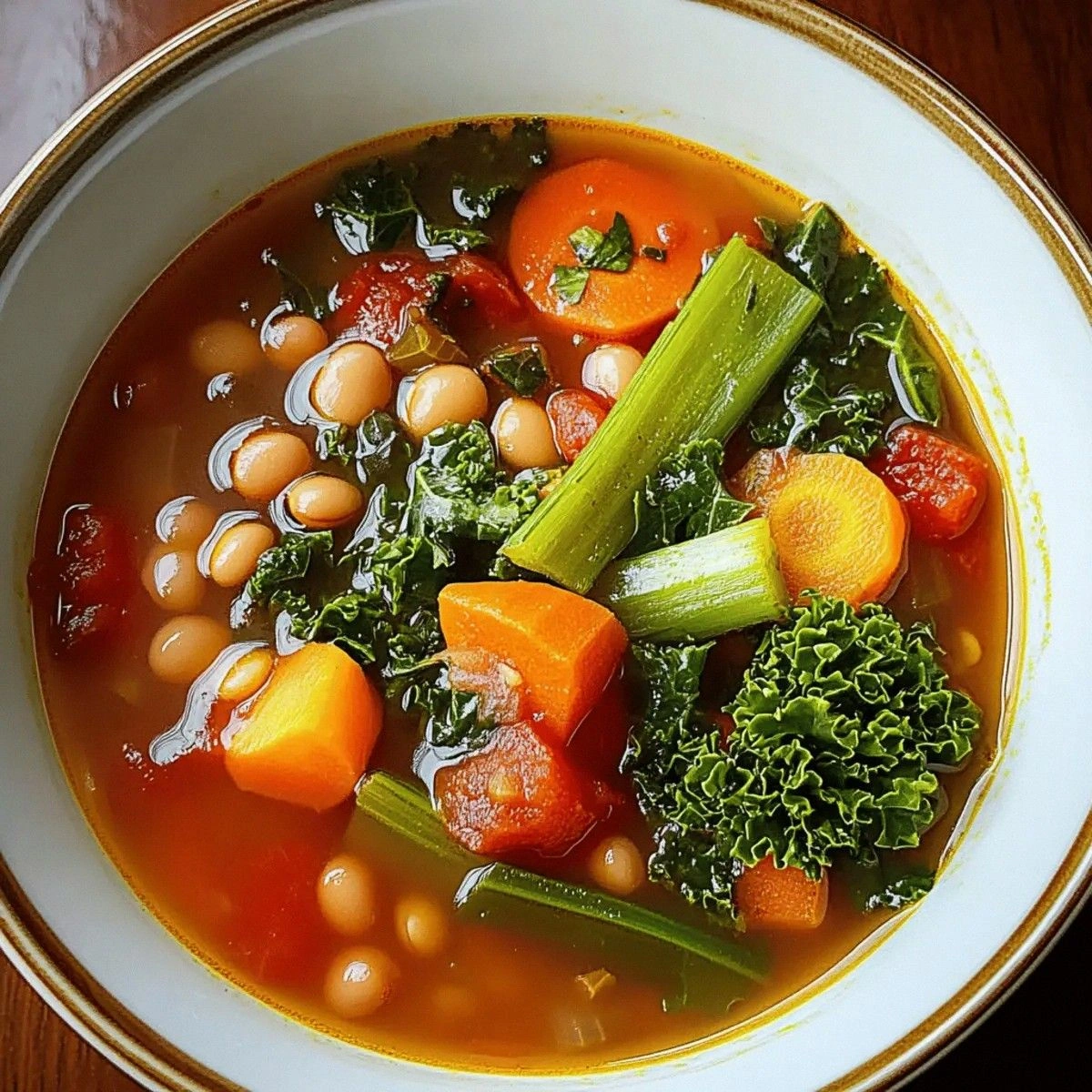
I still remember the Tuesday night I came home from the gym, arms shaking, stomach growling like a grizzly bear who'd skipped hibernation season. My usual post-workout smoothie felt about as exciting as cardboard, and the thought of another dry chicken breast made me want to hide under the covers. I opened the fridge, stared at the vegetable drawer that was bursting at the seams, and thought: "What if I could turn this into something that hugs my soul and feeds my muscles at the same time?" Thirty minutes later, I was slurping the most outrageously satisfying bowl of soup I'd ever created, and my roommate — who claims to hate "healthy food" — literally asked if we could make this every single week. That, my friend, is how this high-protein vegetable soup was born.
Picture this: tender lentils that have soaked up every ounce of flavor like tiny flavor sponges, chickpeas that pop between your teeth with creamy centers, black beans that bring this earthy depth that makes you close your eyes and sigh. The broth is this gorgeous amber color that catches the light like liquid sunshine, flecked with emerald kale and ruby bell pepper dice. And the smell? Oh, the smell. It's like someone took every comforting thing about your grandmother's kitchen and infused it with the knowledge that you're actually doing something amazing for your body. That first spoonful hits your tongue and it's game over — you're hooked, you're warm, you're satisfied in a way that those sad desk salads could never accomplish.
Most vegetable soups leave you hungry an hour later, searching the pantry like a raccoon on a mission. They taste like punishment, like someone decided that healthy meant boring. This version? This version is the rebel of the soup world. It's got enough protein to keep you full until tomorrow's breakfast, enough vegetables to make your doctor weep with joy, and enough flavor complexity that you'll find yourself standing at the stove "tasting" it so many times that half the pot disappears before dinner officially starts. I dare you to taste this and not go back for seconds. Actually, I double-dog dare you, because I've never seen anyone resist.
Here's the kicker — while most recipes get this completely wrong by either making it taste like dishwater or loading it with so much fake meat substitute that you feel like you're eating a chemistry experiment, this one relies on real, humble ingredients that transform into something magical. The secret isn't some exotic powder or expensive supplement. It's in the layering of flavors, the timing of when each vegetable joins the party, and the way we treat our legumes like the protein powerhouses they are. Picture yourself pulling this off the stove, ladling it into your favorite bowl, watching the steam curl up and dance in the light from your kitchen window. Stay with me here — this is worth it. Let me walk you through every single step — by the end, you'll wonder how you ever made it any other way.
What Makes This Version Stand Out
Protein Powerhouse: With lentils, chickpeas, and black beans, each bowl delivers a whopping 25 grams of plant-based protein that actually keeps you satisfied. Most vegetable soups leave you raiding the fridge at midnight — this one keeps you full and energized for hours.
Flavor That Builds: We don't just dump everything in a pot and hope for the best. Each ingredient gets added at the perfect moment, building layers of flavor that taste like it's been simmering all day when it's really been less than an hour.
Texture Paradise: Forget mushy vegetables and sad, disintegrated beans. This soup has the most incredible variety of textures — tender-crisp green beans, soft but intact lentils, and vegetables that still have a little bite. It's like a party where every guest brings something different to the table.
One-Pot Wonder: Everything happens in a single pot, which means less dishes and more time for you to curl up on the couch with your blanket and Netflix. As someone who once destroyed three pans making a single soup, trust me when I say this is life-changing.
Meal Prep Champion: This soup actually tastes better the next day when all those flavors have had time to mingle and get to know each other better. Make a big batch on Sunday, and you've got lunches that'll make your coworkers jealous all week long.
Budget-Friendly Brilliance: Made with pantry staples and whatever vegetables are on sale, this soup costs less than fancy coffee but delivers more nutrition than those $15 salads. Your wallet and your body will thank you.
Family-Approved Magic: I've served this to picky kids, skeptical husbands, and that one friend who thinks vegetables are the enemy. Every single person has asked for the recipe. It's the soup equivalent of a secret handshake — once you know it, you're in the club.
Alright, let's break down exactly what goes into this masterpiece...
Inside the Ingredient List
The Flavor Foundation
Every great soup starts with the holy trinity of aromatics, and this one's no exception. The onion, garlic, and celery form this incredible flavor base that perfumes your entire kitchen with the promise of good things to come. I use a medium onion because it strikes that perfect balance — enough to build flavor but not so much that it takes over the whole show. When you're dicing it, don't stress about perfect cubes — rough, rustic pieces will break down and sweeten as they cook, creating these silky threads that weave through every spoonful. The garlic gets added just after the onion turns translucent because garlic burns faster than gossip spreads at book club, and bitter garlic is the fastest way to ruin a pot of otherwise perfect soup.
Celery often gets the shaft in vegetable soups, but here it's absolutely essential. Those pale green stalks bring this bright, slightly bitter note that cuts through the richness of the beans and keeps the whole thing from tasting heavy. When you're shopping, look for celery with fresh, crisp leaves still attached — those leaves are packed with flavor and make a gorgeous garnish. If you've ever wondered why restaurant soups taste more complex than yours, it's often because they understand that celery isn't filler — it's flavor.
The Texture Crew
Carrots bring more than just sweetness and color to this party. When you dice them relatively small, they cook quickly but still maintain a pleasant bite that contrasts beautifully with the creamy beans. The natural sugars in carrots help balance the earthiness of the lentils and create this gorgeous depth that makes people ask "what's in this?" after their first bite. Pro tip: if your carrots have gone a bit limp in the fridge, soak them in ice water for 20 minutes before chopping — they'll crisp right back up and taste garden-fresh.
Red bell pepper is the unexpected hero here, bringing a subtle sweetness and gorgeous color that makes the whole soup look like it's glowing from within. Unlike green peppers, which can be bitter and overwhelming, red peppers are naturally sweet and become almost jammy when they hit the hot broth. When you're shopping, pick peppers that feel heavy for their size with tight, glossy skin — those are the ones that'll give you the most flavor. And here's a confession: I used to skip bell peppers because they seemed unnecessary, but once I added them to this recipe, I realized they were the missing piece that made everything else sing.
The Protein Powerhouses
Lentils are the marathon runners of the legume world — steady, reliable, and packed with staying power. When they simmer in the broth, they release this subtle earthiness that makes the whole soup taste like it's been cooking for hours. The trick is to add them at just the right moment so they cook through but don't turn to complete mush. If you've ever had lentil soup where the lentils disintegrated into brown sludge, you know exactly why timing matters. I use regular brown lentils because they hold their shape better than red lentils but cook faster than the fancy French ones.
Chickpeas and black beans are like the dynamic duo of plant-based protein. Chickpeas bring this nutty, almost buttery flavor and a firm texture that gives you something to really bite into. Black beans contribute this rich, meaty depth that makes the soup feel substantial without any actual meat. Using both gives you a variety of textures and ensures every spoonful has something interesting going on. And here's the real talk: dried beans are great if you planned ahead, but canned beans make this recipe weeknight-friendly. Just rinse them well to remove that weird canning liquid that tastes like metal and regret.
The Final Flourish
Kale gets such a bad rap, but when you add it in the last few minutes of cooking, it wilts into tender ribbons that add color, nutrition, and a slight peppery bite. The key is to remove those tough stems — nobody wants to wrestle with their soup. Frozen peas are my secret weapon because they add pops of sweetness and vibrant color without any prep work. They thaw almost instantly in the hot soup, so you add them right at the end to preserve their bright flavor and prevent them from turning army-green and mushy.
Fresh lemon juice is the game-changer that most people skip, and it's the difference between good soup and soup that makes people close their eyes and make inappropriate noises. Just a tablespoon brightens all the other flavors and makes the whole thing taste fresher and more alive. Parsley adds that final hit of green freshness and makes the soup look like it belongs in a magazine instead of just your Tuesday night dinner bowl.
Everything's prepped? Good. Let's get into the real action...
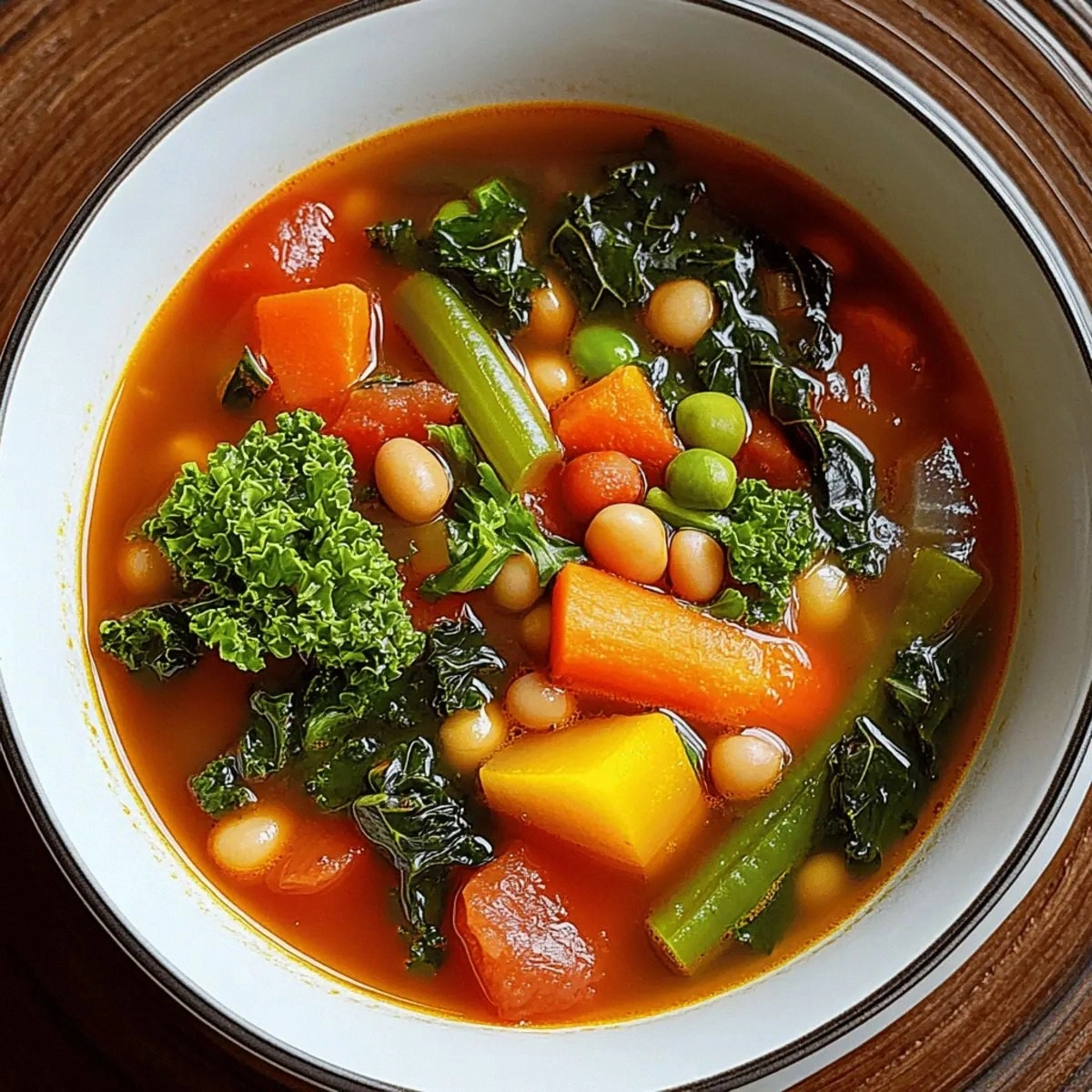
The Method — Step by Step
- Heat the olive oil in a large pot over medium heat until it shimmers like a mirage on hot pavement. This is your cue that the oil is hot enough to properly sauté your aromatics without them turning into soggy, oil-logged sadness. Add your diced onion with a pinch of salt — the salt helps draw out moisture and encourages the onion to soften rather than brown. Stir occasionally for about 5 minutes, until the onion goes from harsh white to soft and translucent, like it's had a spa treatment. Your kitchen should smell like something amazing is about to happen, and if it doesn't, your heat is too low.
- Add the minced garlic and cook for just 30 seconds to 1 minute, stirring constantly. This is the moment of truth — garlic goes from perfectly fragrant to bitter and burnt faster than you can say "What's that smell?" You want it to smell like you're walking into an Italian restaurant, not like you're cleaning out the oven. The second you can smell that garlicky perfume rising from the pot, you're ready for the next step. Don't walk away from the stove here — Instagram can wait.
- Throw in your diced carrots and celery with another pinch of salt and pepper. These vegetables need time to soften and develop their flavors, so give them about 5-7 minutes, stirring occasionally. You're looking for the carrots to start looking a little less raw and more like they're beginning to understand their place in the soup universe. The celery should still have some snap when you bite into it later, so don't worry about cooking it to death. If the vegetables start sticking to the bottom, add a splash of broth to loosen things up.
- Now comes the red bell pepper — add it and let everything cook together for another 3-4 minutes. The pepper will start to soften and release its bright, almost fruity aroma. This is when your kitchen starts smelling like a proper soup kitchen, and you might find family members wandering in asking "what's for dinner?" with suspicious enthusiasm. The colors should be vibrant and gorgeous, like a vegetable rainbow in your pot. Season with another pinch of salt — yes, we're layering our seasoning, and yes, it makes a huge difference.
- Time for the spice party! Add the thyme and basil, stirring for about 30 seconds until they become fragrant. Dried herbs need this quick sauté to wake up their essential oils and release their full flavor potential. Your kitchen will suddenly smell like a Mediterranean herb garden, and this is when you know you're making something special. Don't be tempted to add more herbs than called for — restraint is what makes this soup taste balanced and professional, not like you raided the spice cabinet.
- Pour in the vegetable broth and bring everything to a rolling boil. This is where the magic really starts — the heat helps all those flavors you just developed to meld together into something greater than the sum of its parts. Once it's boiling, add the lentils, reduce heat to low, and let it simmer for 15 minutes. The lentils need this head start because they take longer to cook than the other beans. Stir occasionally to prevent anything from sticking to the bottom and developing that burnt flavor that ruins everything.
- Add the chickpeas and black beans, give everything a good stir, and let it continue simmering for another 10 minutes. This timing ensures the lentils are perfectly tender but not mushy, and the canned beans heat through without turning to complete mush. The broth will start to thicken slightly from the lentils releasing their starch, creating this gorgeous, silky texture that coats every ingredient. You should see the soup transforming from a thin broth to something more substantial and luxurious.
- Now for the green vegetables — add the kale and green beans, cooking for 3-4 minutes until the kale wilts into tender ribbons and the green beans turn bright emerald. The kale should still have some structure, not be complete mush. If you're using mature kale instead of baby kale, you might need an extra minute or two. The green beans should snap when you bite into them later, so don't overcook them into army-green sadness.
- Finally, stir in the frozen peas and cook for just 1-2 minutes. They'll thaw almost instantly in the hot soup, turning bright green and adding pops of sweetness. Remove from heat and stir in the lemon juice and fresh parsley. Taste and adjust seasoning with salt and pepper — this is crucial because the beans and broth have different salt levels, and you want to balance everything perfectly. The lemon juice should make all the flavors pop without making the soup taste lemony.
That's it — you did it. But hold on, I've got a few more tricks that'll take this to another level...
Insider Tricks for Flawless Results
The Temperature Rule Nobody Follows
Here's the thing that separates good soup from soup that makes people ask for your secret — temperature control. Most home cooks crank the heat too high, thinking it'll cook faster, but what really happens is you end up with mushy vegetables and beans that have split their skins in protest. The perfect simmer is gentle, with just the occasional bubble breaking the surface, like a lazy jacuzzi rather than a rolling jacuzzi. This gentle heat allows flavors to develop and meld without destroying textures. I learned this the hard way when I served a pot of what looked like bean porridge to my book club — they were polite about it, but nobody asked for seconds.
Why Your Nose Knows Best
Your sense of smell is your most underutilized kitchen tool, especially when making soup. When the aromatics hit the oil, you should smell them before you see them change color. If you can't smell garlic after 30 seconds, your heat's too low. If you smell burning, it's too high and you've got about 10 seconds to save it before everything tastes bitter. The same goes for herbs — when they become fragrant, they're ready for the next step. I once had a friend who couldn't figure out why her soup tasted flat, and it turned out she was adding herbs to cold broth. Heat activates their essential oils, which is where all the flavor lives.
The 5-Minute Rest That Changes Everything
After you finish cooking, let the soup rest for 5 minutes before serving. I know, I know — you're hungry, it smells amazing, and you want to dive in immediately. But those 5 minutes allow the temperature to equalize throughout the pot, the flavors to settle and marry, and the steam to subside so you can actually taste what you're eating instead of burning off all your taste buds. This is also the perfect time to adjust your final seasoning. Taste the broth, not just the chunky bits — the broth should be flavorful enough to drink on its own. If it tastes flat, add a pinch more salt. If it tastes heavy, add another squeeze of lemon. This final adjustment is what separates amateur soup from soup that tastes like it came from a chef's kitchen.
Creative Twists and Variations
This recipe is a playground. Here are some of my favorite ways to switch things up:
The Mediterranean Vacation
Swap the basil and thyme for oregano and rosemary, add a can of diced tomatoes with the broth, and finish with a handful of kalamata olives and a sprinkle of feta cheese. The tomatoes add gorgeous color and tangy flavor, while the olives bring that briny punch that transports you straight to a seaside taverna. Add some small pasta shapes in the last 10 minutes for an authentic minestrone vibe that'll have you speaking with your hands even if you're not Italian.
The Spice Route Adventure
Replace the herbs with a teaspoon each of cumin and coriander, add a pinch of smoked paprika, and finish with a swirl of coconut milk and a squeeze of lime. The warm spices make the whole soup taste exotic and mysterious, like something you'd discover in a bustling Moroccan market. Add some diced sweet potato with the lentils for extra body and a touch of sweetness that plays beautifully with the spices.
The Green Goddess Version
Double all the green vegetables — add zucchini, spinach, and broccoli florets along with the kale. Replace half the broth with water and add a handful of fresh herbs like cilantro, dill, and mint at the very end. This version tastes like spring in a bowl, fresh and vibrant and alive. The different shades of green make it look like a Monet painting, and the variety of textures keeps every bite interesting.
The Comfort Food Remix
Add a parmesan rind to the simmering soup (remove before serving) for incredible umami depth, and finish with a drizzle of good olive oil and freshly grated parmesan. The rind melts slowly, releasing salty, nutty flavor that makes the whole soup taste richer and more indulgent. It's like giving your healthy soup a warm hug from Italy.
The Clean-Out-The-Fridge Bowl
Use whatever vegetables are lurking in your crisper drawer — cabbage, cauliflower, sweet potato, turnips, whatever you've got. The beauty of this soup is that as long as you have the beans and lentils for protein, you can add almost any vegetables. Hard vegetables go in with the carrots, soft ones go in with the kale. It's like the soup version of a choose-your-own-adventure book, and somehow it always turns out delicious.
The Protein Boost
For days when you need extra protein (leg day, I'm looking at you), add a cup of quinoa with the lentils or stir in some silken tofu at the very end. The quinoa adds a fun little pop and extra protein, while the tofu makes it creamy and luxurious without any dairy. Both options keep it plant-based but pack an even bigger protein punch.
Storing and Bringing It Back to Life
Fridge Storage
This soup keeps beautifully in the refrigerator for up to 5 days, and honestly, it tastes even better on day 2 or 3 after all those flavors have had time to mingle and get to know each other better. Store it in airtight containers — I love using glass mason jars because they don't absorb flavors and you can see the gorgeous layers of vegetables. Leave about an inch of space at the top because the soup will expand slightly as it chills. When you're ready to eat, you might notice the broth has thickened from the lentils releasing more starch — just add a splash of water or broth when reheating to get it back to the perfect consistency.
Freezer Friendly
This soup is a meal prep dream — it freezes perfectly for up to 3 months. Portion it into individual containers before freezing so you can grab exactly what you need. Pro tip: freeze it without the kale and peas, then add fresh ones when you reheat. They'll taste brighter and fresher than if you freeze them. Leave about an inch of space in your containers because liquids expand when frozen, and nobody wants to explain to their roommate why there's soup in the ice cream maker. Thaw overnight in the refrigerator or use the defrost setting on your microwave if you're in a rush.
Best Reheating Method
Gentle is the name of the game here. Microwave on 70% power, stirring every minute, until heated through. On the stovetop, warm over medium-low heat, stirring occasionally, until it just starts to simmer. Don't let it boil vigorously or you'll turn your beautiful vegetables to mush. Add a splash of water or broth to loosen it up if needed, and taste for seasoning — you might want to add a tiny pinch of salt or another squeeze of lemon to brighten it back up. That first spoonful of reheated soup will remind you why you loved it in the first place.