It was a late‑night kitchen raid, the kind that turns a simple grocery run into a full‑blown culinary experiment. I was rummaging through the pantry for a sweet fix, only to stumble upon a jar of cinnamon and a forgotten sheet of cake batter that had been chilling in the fridge for a week. I thought, “Why not turn this into something that feels like a cinnamon roll, but with the comforting density of a cake?” The result was a revelation—a cinnamon roll cake that feels like a hug in every bite.
Picture the scene: the oven preheating to a warm, inviting 350°F, the scent of butter melting and sugar caramelizing filling the air, the sound of the mixer whirring as flour and spices mingle. You can almost taste the first bite—soft, buttery, with a cinnamon kick that lingers like a secret whisper. The texture is a paradox: the cake’s crumb is moist and airy, yet the outer edges hold a caramelized crust that crackles with each forkful. If you’ve ever tried a plain vanilla cake and felt it was missing that “wow” factor, this is the answer you’ve been craving.
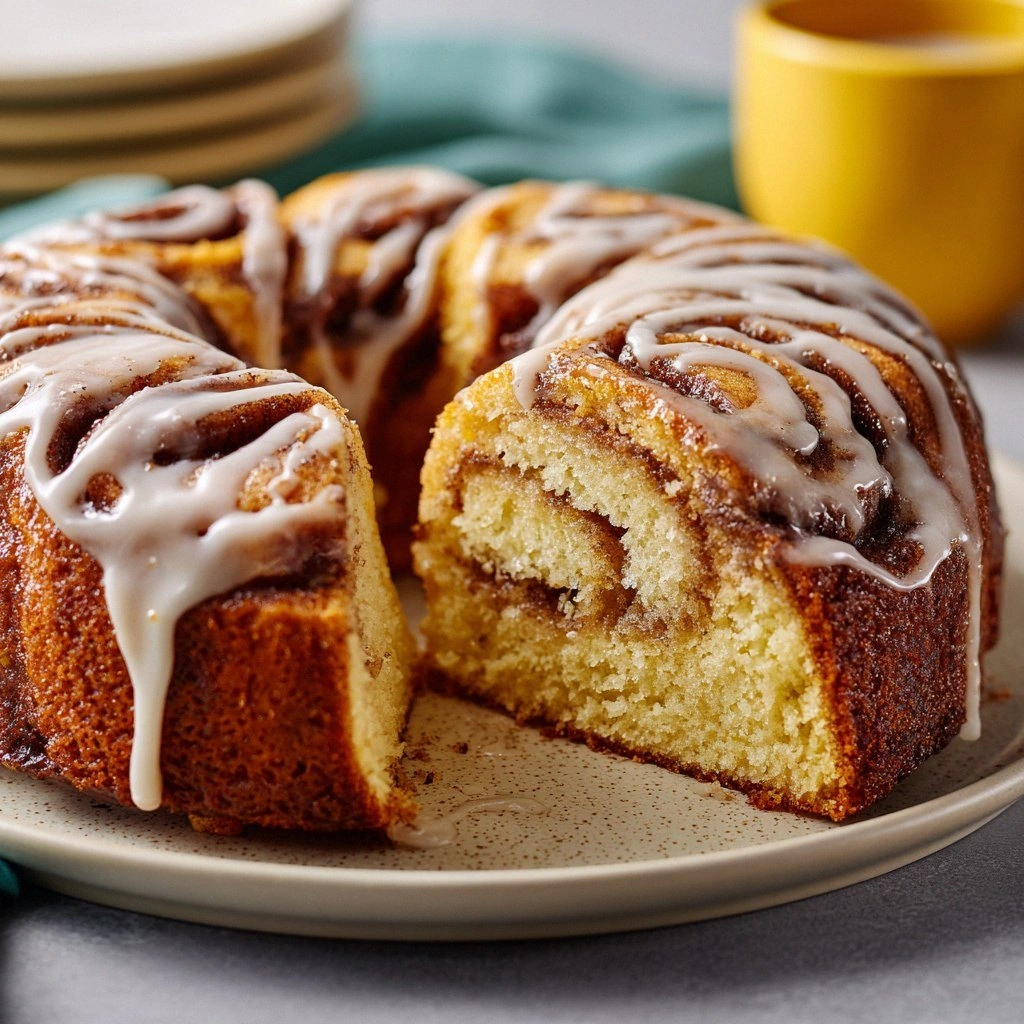
I’m not going to sugarcoat it—this recipe is hands down the best version you’ll ever make at home. The secret lies in the way the cinnamon is folded into the batter, the precise balance of leavening agents, and a glaze that glistens like a freshly baked cinnamon roll. The result is a cake that feels like a cinnamon roll, but with the convenience and versatility of a classic cake. I dare you to taste this and not go back for seconds.
Let me walk you through every single step—by the end, you’ll wonder how you ever made it any other way. I’ll share the little tricks that keep the cake moist, the timing that guarantees a perfect rise, and the finishing touches that make this dessert stand out. Ready? Grab your apron, because we’re about to transform a simple batter into a cinnamon roll masterpiece that will become the centerpiece of every gathering.
What Makes This Version Stand Out
- Flavor Depth: The combination of brown and white sugar creates a subtle caramel undertone that complements the warm cinnamon, giving each slice a layered taste profile.
- Texture Contrast: The batter’s airy structure contrasts beautifully with the caramelized crust, producing a cake that’s both soft inside and slightly crisp on the outside.
- Ingredient Quality: Using high‑grade butter and fresh cinnamon ensures that the flavor is pure and vibrant, avoiding the muted taste that often plagues store‑bought mixes.
- Simple Method: Despite its complexity, the recipe requires only one mixing bowl and one baking pan, making it approachable for bakers of all skill levels.
- Make‑Ahead Friendly: The cake can be assembled a day ahead and chilled, allowing the flavors to meld while keeping the batter from drying out.
- Crowd‑Pleaser: The familiar cinnamon roll aroma draws people in, and the cake’s elegant presentation makes it suitable for both casual brunches and formal dessert tables.
- Versatile Frosting: The cream‑cheese glaze can be tweaked with fruit preserves or a splash of espresso to create endless variations.
- Time‑Efficient: With a total prep time of just 15 minutes and a bake time of 30 minutes, you can have a showstopper on the table in under an hour.
Alright, let's break down exactly what goes into this masterpiece…
Inside the Ingredient List
The Flavor Base
All-purpose flour is the backbone of this cake, providing structure while remaining light enough for a tender crumb. When measuring, tap the spoon into the measuring cup and level with a flat edge; this ensures you don’t pack the flour and end up with a dense texture. Skipping flour entirely would turn the batter into a batter‑cake, losing that classic cake feel. For a gluten‑free version, replace with a 1:1 blend of rice and tapioca flour, but keep the total dry weight the same.
The Sweetness Crew
Granulated sugar delivers the classic sweetness, while brown sugar adds depth and moisture through its molasses content. The ratio of 1 cup white to 1/2 cup brown sugar keeps the cake sweet without overwhelming the cinnamon. If you prefer a lower‑sugar option, replace half the white sugar with honey, but reduce the liquid slightly to compensate for the added moisture. The sugar’s crystallization also aids in the caramelized crust; too little sugar and the edges won’t brown.
The Unexpected Star
Ground cinnamon isn’t just a spice—it’s the soul of this cake. Use freshly ground cinnamon for a bold aroma; pre‑ground can taste flat after a few months. A pinch of ground nutmeg adds a subtle warmth that pairs well with the cinnamon. If you’re a spice rebel, a dash of ground cardamom can introduce a citrusy twist that surprises the palate.
The Final Flourish
Cream‑cheese frosting is the crowning glory that mimics the icing on a classic cinnamon roll. Cream cheese’s tang balances the sweetness, while butter adds richness. A splash of vanilla extract elevates the glaze’s aroma, making it irresistible. If you’re lactose intolerant, replace the cream cheese with a dairy‑free alternative, but use a neutral‑flavored one to avoid altering the taste.
Everything’s prepped? Good. Let’s get into the real action…
The Method — Step by Step
Preheat your oven to 350°F (175°C) and line a 9‑inch round cake pan with parchment paper, leaving an extra inch on the sides for easy removal. The parchment ensures the cake lifts cleanly, preserving that classic cinnamon roll silhouette. If you’re using a metal pan, lightly grease it with butter to prevent sticking. The aroma of butter melting will hint at the richness to come.
In a medium bowl, whisk together 2 cups all‑purpose flour, 1 tsp baking powder, 1/2 tsp baking soda, 1/2 tsp salt, and 1 tsp ground cinnamon. This dry mix forms the cake’s structural foundation and the aromatic base. Sift the mixture once more to eliminate clumps, which could lead to uneven rise.
In a separate large bowl, cream 1/2 cup unsalted butter with 1 cup granulated sugar and 1/2 cup brown sugar until light and fluffy, about 3 minutes on medium speed. The creaming process incorporates air, which helps the cake rise. Watch for a pale, airy texture; if it remains dense, give it a few more minutes.
Beat in 2 large eggs, one at a time, ensuring each is fully incorporated before adding the next. The eggs bind the batter and add moisture. Once the eggs are in, stir in 1 tsp vanilla extract, which enhances the cinnamon’s warmth.
Alternate adding the dry mix and 1 cup milk to the creamed mixture, starting and ending with the dry ingredients. Mix just until combined; overmixing will develop gluten and make the cake tough. The batter should be smooth and pourable, yet thick enough to hold its shape on the spoon.
Pour the batter into the prepared pan, smoothing the top with a spatula. Tap the pan gently on the counter to release any air bubbles that may have formed. The batter should level off evenly, creating a uniform rise.
Bake for 30 minutes, or until a toothpick inserted into the center comes out clean and the edges are lightly browned. The cake’s crust should have a golden hue, indicating caramelization. Keep a close eye on the oven; if it browns too quickly, tent the cake with foil.
While the cake bakes, prepare the glaze: beat 4 oz cream cheese with 1/4 cup softened butter, 1 cup powdered sugar, and 1 tsp vanilla until smooth. A whisk or electric mixer works best for a silky finish. The glaze should be pourable but thick enough to coat the cake.
Once the cake is done, let it cool in the pan for 10 minutes before transferring to a wire rack. This brief cooling period allows the structure to set, preventing cracks when you slice. If you’re in a hurry, you can skip this step, but the cake will be slightly more fragile.
Drizzle the glaze over the warm cake, letting it seep into the cracks and crevices. The glaze should melt slightly, creating a glossy, caramelized finish. Finish with a dusting of extra cinnamon for a finishing touch that looks as good as it tastes.
That's it — you did it. But hold on, I've got a few more tricks that'll take this to another level…
Insider Tricks for Flawless Results
The Temperature Rule Nobody Follows
Many bakers set their oven to the displayed temperature, but ovens can run 10–20°F hotter. Use an oven thermometer to verify the actual temperature. A slightly cooler oven (around 330°F) gives the cake a gentler rise and prevents the edges from over‑browning while the center finishes baking.
Why Your Nose Knows Best
As the batter bakes, the smell of cinnamon and butter rises. Trust your nose: when the aroma feels like a warm, spiced hug, the cake is almost ready. If it still smells like raw batter, give it a few more minutes.
The 5‑Minute Rest That Changes Everything
Letting the cake rest in the pan for 5 minutes after removing from the oven allows the steam to finish cooking the interior. This prevents a hollow center and ensures a moist crumb.
Glaze Consistency Matters
Too thin, and the glaze will run; too thick, and it won’t spread. Aim for a consistency like heavy cream. If it’s too thick, add a splash of milk; if too thin, fold in a little more powdered sugar.
Storing Secrets
Wrap the cooled cake tightly in plastic wrap and store in the refrigerator for up to three days. If you need to keep it longer, freeze the cake slices in a zip‑lock bag; thaw at room temperature for 20 minutes before serving.
Reheating Tips
To revive a frozen slice, warm it in the microwave for 15–20 seconds, then finish under a broiler for 1 minute to restore the glaze’s shine. This quick method keeps the texture fresh without drying it out.
Creative Twists and Variations
This recipe is a playground. Here are some of my favorite ways to switch things up:
Nutty Cinnamon Roll Cake
Fold 1/2 cup chopped pecans or walnuts into the batter for a crunchy texture. Sprinkle extra toasted nuts on top before glazing for a nutty aroma that complements the cinnamon.
Chocolate‑Cinnamon Fusion
Swirl in 1/4 cup melted dark chocolate into the batter before baking. The chocolate adds richness, while the cinnamon keeps the classic flavor intact.
Spiced Apple Cinnamon Cake
Add 1 cup diced apples and 1 tsp ground ginger to the batter. The apple’s natural sweetness and the ginger’s zing create a fall‑season favorite.
Orange‑Cinnamon Twist
Replace vanilla with 1 tsp orange zest and add 2 tbsp orange juice to the glaze. The citrus brightens the cake and pairs beautifully with the warm spices.
Maple‑Infused Glaze
Swap the powdered sugar in the glaze with 1 cup maple syrup for a caramelized sweetness. This variation gives the cake a deeper, richer flavor.
Gluten‑Free Adaptation
Use a gluten‑free flour blend in place of all‑purpose flour, keeping the same dry weight. Add 1 tsp xanthan gum to help the batter hold together.
Storing and Bringing It Back to Life
Fridge Storage
After cooling completely, wrap the cake tightly in plastic wrap and place it in the refrigerator. Store for up to three days. The cold environment keeps the glaze from melting while preserving the cake’s moisture.
Freezer Friendly
Slice the cake before freezing; place each slice in a zip‑lock bag, removing as much air as possible. Freeze for up to two months. When ready, thaw at room temperature for 20 minutes before reheating.
Best Reheating Method
Reheat a frozen slice in the microwave for 15–20 seconds, then finish under a broiler for 1 minute to restore the glaze’s shine. Add a tiny splash of water to the glaze before microwaving; it steams back to perfection and prevents the glaze from drying out.