Introduction
Picture this: I was halfway through a weeknight dinner, the kitchen smelling faintly of burnt onions, when I realized the shrimp I had bought were still raw and the butter was about to melt. I stared at the pot, feeling the heat rise like a storm, and then I remembered a dare from a friend: “I dare you to taste this and not go back for seconds.” That moment sparked a culinary revelation, a craving that could only be satisfied by a dish that marries the buttery richness of melted fat with the bright zing of citrus and the punch of garlic.
When the first sizzle hit the pan, the air filled with the nutty aroma of butter and the sharp, almost sweet scent of minced garlic. The sound was a satisfying pop, a cue that the flavor was about to unfold. I could almost taste the shrimp, pink and tender, coated in a glossy sauce that would cling to every bite. The texture was a promise of crunch from the bell peppers and snap peas, a contrast that would dance on the tongue. I could already hear the clink of a spoon against the skillet, the gentle hum of the stove, and the anticipation of the first bite.
What makes this version stand out is the meticulous balance between simplicity and depth. The sauce is a marriage of butter, garlic, soy, and lemon, a trio that coats the shrimp like velvet while the vegetables provide a crisp counterpoint. The dish feels like a gourmet dinner, yet it can be assembled in under thirty minutes. Most recipes get this completely wrong by overcooking the shrimp or under seasoning the sauce. Here, the shrimp stay juicy, the sauce remains silky, and every ingredient sings in harmony.
And here's a teaser: the secret to that buttery glaze isn’t just butter. It’s a technique that locks in flavor by searing the shrimp just enough to brown the edges, then finishing them with a splash of lemon that brightens the entire dish. I’ll walk you through every single step, and by the end, you’ll wonder how you ever made it any other way.
Okay, ready for the game‑changer? Let me walk you through every single step — by the end, you’ll wonder how you ever made it any other way.
What Makes This Version Stand Out
- Flavor: The sauce is a harmonious blend of butter, garlic, soy sauce, and lemon juice, creating a glossy, savory glaze that coats the shrimp and vegetables without overpowering their natural sweetness.
- Texture: The shrimp remain plump and tender, while the bell peppers and snap peas add a satisfying crunch that balances the buttery richness.
- Speed: The entire dish comes together in about 30 minutes, making it a perfect weeknight dinner that feels indulgent.
- Ingredient Quality: Fresh shrimp, real butter, and freshly minced garlic make a noticeable difference in flavor compared to pre‑flavored sauces or frozen shrimp.
- Visual Appeal: The vibrant colors of red bell pepper, green snap peas, and bright green herbs create an Instagram‑ready plate that invites the eye to taste.
- Make‑Ahead Potential: The sauce can be pre‑made and stored, allowing you to assemble the dish in minutes even on a busy day.
Alright, let's break down exactly what goes into this masterpiece…
Inside the Ingredient List
The Flavor Base
Butter is the heart of the sauce, providing a silky texture and a subtle richness that carries the garlic and lemon. It also helps the shrimp develop a golden sear without burning. When you melt butter, let it bubble just until it turns a light golden‑brown; that’s when the nutty aroma kicks in. If you use salted butter, you’ll need to reduce the soy sauce a bit to avoid an overly salty finish.
Garlic is the backbone of this dish. Freshly minced garlic releases a punch of aroma and flavor that can’t be replicated by pre‑minced or powdered garlic. Mince it finely so it cooks quickly and doesn’t become bitter. The garlic also forms a subtle base that the soy and lemon can build upon.
Soy sauce provides umami and a hint of saltiness that balances the citrus. Use a low‑sodium version if you’re watching your sodium intake, but be mindful that you’ll need to adjust the amount of lemon juice to keep the acidity balanced. If you’re vegan, a splash of tamari can replace soy sauce without compromising flavor.
The Texture Crew
Bell peppers add a sweet, crunchy bite that contrasts nicely with the tender shrimp. Slice them into thin strips so they cook quickly and stay crisp. The color of the bell pepper also adds a pop of visual excitement that makes the dish feel fresh and lively.
Snap peas or green beans bring a snap of crunch that keeps each bite from feeling soggy. They’re also packed with vitamins and a slight sweetness that complements the savory sauce. If you prefer a softer texture, you can blanch the snap peas briefly before adding them to the pan.
Green onions provide a mild onion flavor that layers depth without overwhelming the dish. Chop them finely and add them toward the end of cooking so they remain bright and fresh. If you’re allergic to onions, you can omit them or replace them with chives for a milder flavor.
The Unexpected Star
Red pepper flakes introduce a subtle heat that lifts the dish. A pinch is enough to give a gentle kick; too much can drown the delicate flavors. If you’re not a fan of heat, simply leave them out or use a milder pepper.
The Final Flourish
Fresh parsley or cilantro adds a bright, herbal note that cuts through the richness of the butter. Chop them finely and sprinkle them over the finished dish. They also add a splash of color that makes the plate look professional and appetizing.
Everything’s prepped? Good. Let’s get into the real action…
The Method — Step by Step
- Heat the pan. Place a large skillet over medium‑high heat and let it preheat for about 2 minutes. When the surface is hot, you’ll hear a faint hiss when you add the butter. This ensures the shrimp sears immediately. Avoid overcrowding; if you have a very large skillet, you can do the shrimp in batches.
- Butter melt. Add the 2 tablespoons of unsalted butter and let it melt until it foams and turns a light golden‑brown. That golden hue is a sign that the butter is developing nutty flavors. If the butter starts to brown too quickly, lower the heat slightly.
- Garlic first. Toss in the minced garlic and sauté for 30 seconds until fragrant. The garlic should release a sweet aroma without turning brown. If it starts to brown, lower the heat or add a splash of water to prevent bitterness. Kitchen Hack: Use a garlic press for a finer mince that releases more flavor quickly.
- Seize the shrimp. Add the peeled and deveined shrimp to the pan in a single layer. Let them sit without stirring for 30 seconds to develop a golden crust. Then flip them, letting the other side sear for another 30 seconds. The shrimp should be pink and slightly opaque. This step locks in juices and gives a beautiful color.
- Flavor the sauce. Pour in the soy sauce and lemon juice, stirring to coat the shrimp evenly. The sauce should bubble gently; you’ll hear a subtle hiss. If the sauce thickens too quickly, add a splash of water or broth to thin it slightly. Watch Out: Don’t let the sauce boil vigorously; it can scorch the butter and create a bitter taste.
- Add vegetables. Toss in the sliced bell pepper and snap peas. Stir-fry for 2-3 minutes until they’re bright green and just tender. The vegetables should still have a crunch. Keep the heat high enough to keep them crisp, but not so high that they burn.
- Finish with herbs. Sprinkle in the chopped green onions and red pepper flakes. Stir for 30 seconds, letting the heat release the onion’s aroma. The pepper flakes should give a gentle heat that doesn’t overpower the dish. Kitchen Hack: If you prefer a milder heat, use crushed red pepper flakes instead of whole flakes.
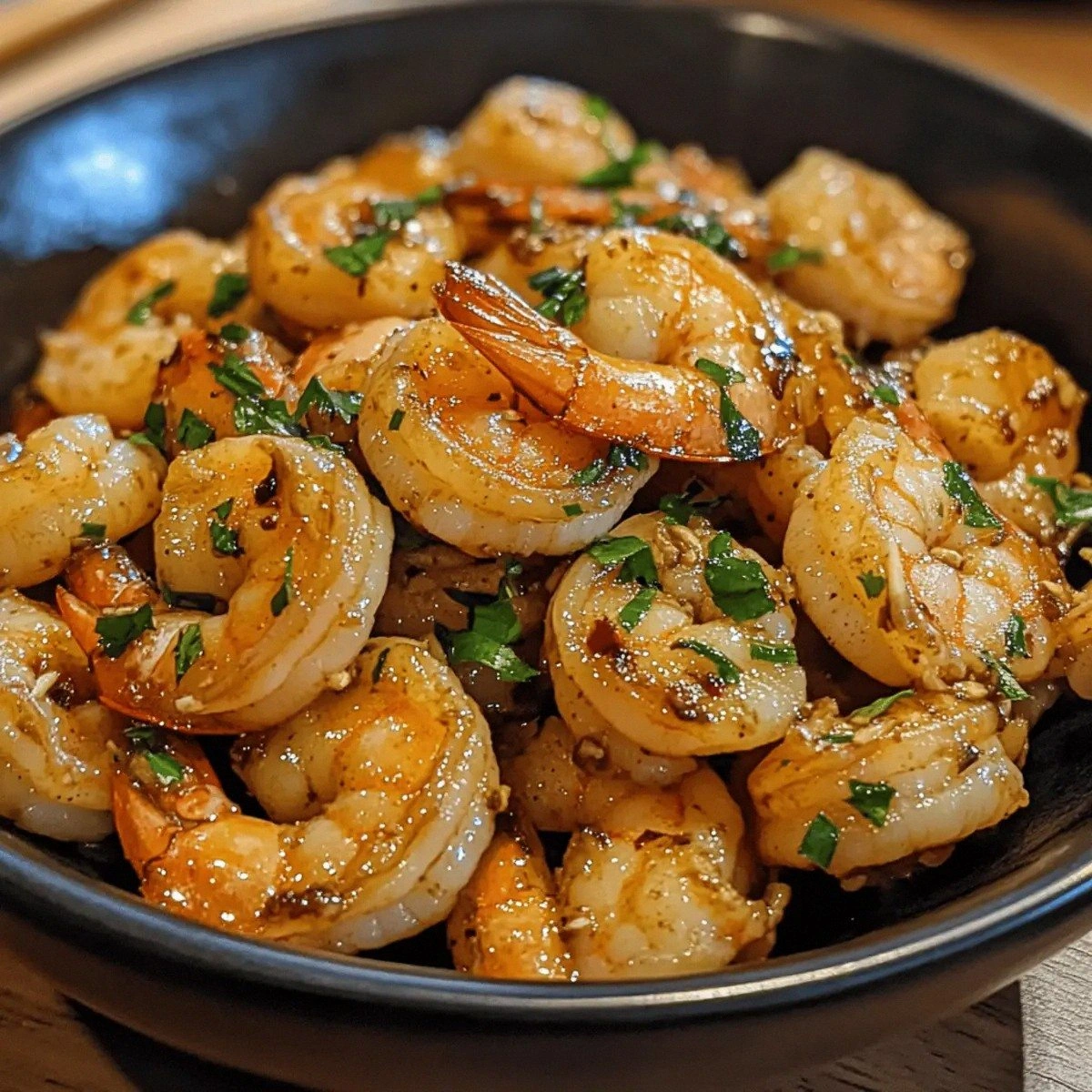
- Plate it. Spoon the shrimp and vegetables onto a bed of cooked rice or noodles. Drizzle any remaining sauce over the top. The dish should look vibrant, with bright colors and a glossy sheen. Garnish with fresh parsley or cilantro for a final burst of freshness.
- Serve immediately. The sauce is at its best when hot and fresh. Serve the dish right away so the shrimp remain juicy and the vegetables stay crisp. If you’re making it ahead, reheat gently in a skillet, adding a splash of water to keep the sauce from drying out.
That's it — you did it. But hold on, I've got a few more tricks that'll take this to another level…
Insider Tricks for Flawless Results
The Temperature Rule Nobody Follows
Many cooks think medium heat is always best, but for shrimp, high heat is the secret weapon. A hot pan sears the shrimp quickly, sealing in moisture and preventing a rubbery texture. Keep the heat high until the shrimp change color, then lower it to finish the vegetables. If you’re unsure, test the pan by sprinkling a few drops of water; if they sizzle instantly, it’s ready.
Why Your Nose Knows Best
When the butter starts to turn golden, you’ll notice a nutty scent. That aroma signals that the butter has reached the right stage for flavor. If you wait until it’s fully browned, it can become bitter. Trust your nose to guide you through the timing.
The 5-Minute Rest That Changes Everything
After you remove the shrimp from the pan, let them rest for 30 seconds before adding them back. This brief pause allows the juices to redistribute, ensuring the shrimp stay moist. It also gives the sauce a chance to thicken slightly, creating a richer coating.
Use the Right Pan
A non-stick skillet is great for quick sears, but a cast-iron skillet adds a depth of flavor and ensures even heat distribution. If you’re using a stainless steel pan, make sure it’s well-seasoned to prevent sticking.
Don’t Forget the Finish
Right before serving, add a splash of lemon juice or a drizzle of olive oil. This brightens the dish and adds a glossy sheen. It also helps balance the richness of the butter.
Creative Twists and Variations
This recipe is a playground. Here are some of my favorite ways to switch things up:
Asian Fusion Twist
Replace soy sauce with coconut aminos and add a splash of sesame oil. Toss in sliced mushrooms and a handful of bean sprouts for extra texture. Finish with a sprinkle of toasted sesame seeds for crunch.
Spicy Cajun Kick
Swap the red pepper flakes for Cajun seasoning and add sliced poblano peppers. Serve over a bed of creamy Cajun rice and garnish with chopped parsley. The smoky heat pairs wonderfully with the buttery shrimp.
Herb‑Infused Variation
Use a mix of basil, oregano, and thyme in place of green onions. Add a handful of sun‑dried tomatoes for a sweet, tangy bite. Finish with a squeeze of fresh lime for brightness.
Vegan Version
Omit the shrimp and replace with firm tofu cubes, lightly pressed and seared. Use vegan butter or coconut oil. Keep the rest of the sauce intact for a plant‑based twist.
Low‑Carb Option
Serve the shrimp and vegetables over cauliflower rice instead of regular rice. Use a sugar‑free soy sauce to keep the carb count low. The cauliflower adds a mild, nutty flavor that complements the dish.
Breakfast Spin
Cook the shrimp and vegetables in a skillet, then fold in scrambled eggs. Add a sprinkle of cheddar cheese and serve with a side of toasted English muffins. This transforms the dish into a hearty breakfast skillet.
Storing and Bringing It Back to Life
Fridge Storage
Store the cooked shrimp stir‑fry in an airtight container for up to 3 days. Keep the rice separate to prevent sogginess. When ready to eat, reheat in a skillet over medium heat, adding a splash of water to keep the sauce moist.
Freezer Friendly
Freeze the shrimp and vegetables in a single layer on a baking sheet before transferring to a freezer bag. This prevents clumping. The dish can stay in the freezer for up to 2 months. Thaw overnight in the fridge and reheat as described above.
Best Reheating Method
The best way to reheat is in a skillet with a splash of water or broth. This restores the sauce’s silky texture and keeps the shrimp from drying out. Heat until the dish is steaming hot, about 4-5 minutes.