Skillet Chicken Pot Pie with C
Picture this: the kitchen is a battlefield, pots are screaming, and you’re halfway through a casserole that has more drama than a soap opera. I was scrambling to salvage a dinner that had turned into a smoky mess, when a friend dared me to turn the chaos into a skillet masterpiece. I stared at the pan, the smell of onions sizzling, and decided to rewrite the rulebook. This isn’t just another pot pie; it’s a single‑pan symphony where every ingredient takes center stage.
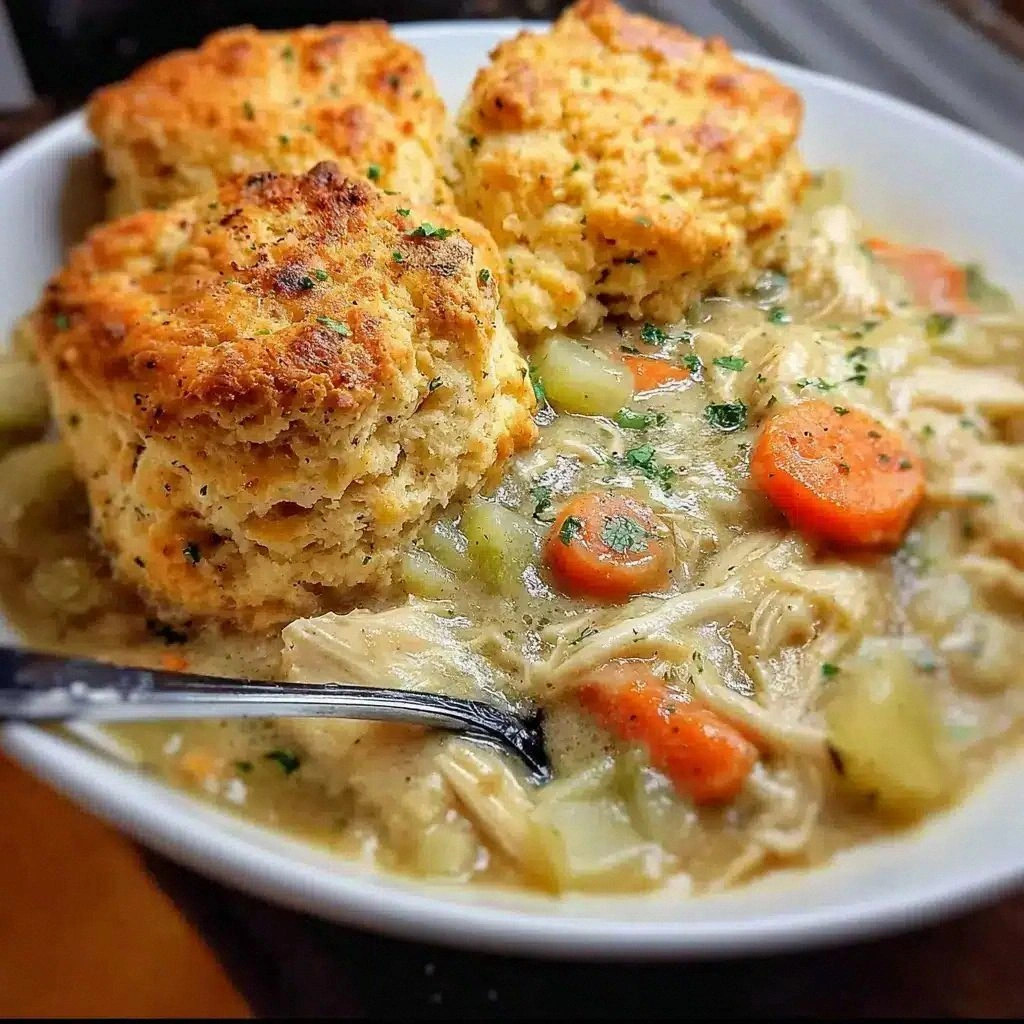
From the first crackle of butter to the last buttery swirl of cheddar, every sound is a cue. The aroma of fresh thyme rises, mingling with the earthy sweetness of carrots and peas. The texture is a dance between a crispy biscuit crown and a velvety, cheese‑laden gravy that coats the chicken like velvet. Feel the heat radiate from the skillet as the mixture bubbles, a gentle reminder that the kitchen is alive and full of promise.
What makes this version stand out? It’s the combination of bold flavors, the ease of a one‑pan method, and the secret ingredient that elevates the entire dish: a buttery biscuit drop that melts into the sauce, creating pockets of gooey decadence. Most recipes get this completely wrong by separating the crust and filling, but here everything comes together in a single, glorious skillet. The result is a comforting, crowd‑pleasing meal that feels like a hug in a bowl.
I dare you to taste this and not go back for seconds. Picture yourself pulling this out of the oven, the whole kitchen smelling incredible, and the moment you bite into the first crumbly biscuit, you’ll know you’ve discovered the best version you’ll ever make at home. Let me walk you through every single step — by the end, you’ll wonder how you ever made it any other way.
What Makes This Version Stand Out
- Flavor: The blend of sharp cheddar, fresh thyme, and a touch of garlic creates a savory depth that feels both comforting and exciting.
- Texture: The biscuit drops melt into the sauce, giving pockets of molten cheese that contrast with the crisp edges of the skillet.
- Simplicity: No need for pie crust or separate baking; everything cooks in one pan, saving time and cleanup.
- Uniqueness: The “cheddar‑garlic drop” technique is a secret weapon that sets this dish apart from traditional pot pies.
- Crowd Reaction: Friends and family will keep asking for the recipe after the first bite; it’s guaranteed to become a staple.
- Ingredient Quality: Using fresh, high‑quality chicken and real cheddar elevates the entire dish.
- Cooking Method: The skillet method locks in juices and creates a caramelized bottom that adds a delightful crunch.
- Make‑Ahead Potential: This dish can be assembled ahead of time and finished in the skillet, making it a perfect weeknight solution.
Alright, let's break down exactly what goes into this masterpiece...
Inside the Ingredient List
The Flavor Base
Onions, garlic, and butter form the aromatic foundation of this skillet. Sautéing the onions until translucent releases their natural sweetness, while the garlic adds a punch of depth that lingers throughout the dish. If you skip this step, you’ll miss the savory undertones that make the pot pie sing. For a richer flavor, use a mix of yellow and white onions, and consider adding a splash of white wine to deglaze the pan before adding the broth.
The choice of butter over oil is intentional; butter’s lactose proteins caramelize, giving the sauce a silky texture and a golden hue. A tablespoon of olive oil can be added for a subtle Mediterranean twist, but keep the butter as the primary fat for that classic comfort feel. If you’re on a low‑fat diet, replace half the butter with a neutral oil, but be prepared for a slightly less indulgent finish.
Remember, the flavor base is the backbone. A well‑developed base means each subsequent ingredient builds upon it, creating layers of taste that evolve as the dish cooks. If you rush this stage, you’ll end up with a flat, one‑dimensional dish that fails to excite the palate. Take your time, let the onions caramelize, and let the garlic release its aroma fully.
The Texture Crew
Flour, milk, and broth together create a velvety sauce that clings to the chicken and veggies. The flour acts as a thickening agent, absorbing excess liquid and giving the sauce body. If you forget the flour, the sauce will be thin and runny, making the dish feel watery. For a gluten‑free version, use cornstarch or arrowroot powder in place of flour; mix it with a small amount of cold water before adding to the skillet.
Milk adds creaminess and balances the sharpness of the cheddar. Whole milk will give a richer texture, while skim milk keeps the dish lighter. A splash of heavy cream can be added for an extra indulgent twist, but be careful not to overdo it, or the sauce will become too heavy. The broth is the backbone of the sauce’s flavor profile; use low‑sodium chicken broth for better control over salt levels.
The vegetables—carrots and peas—provide both color and bite. Frozen peas and carrots are convenient and keep the dish on schedule, but fresh vegetables will bring a brighter, more vibrant flavor. If you prefer a sweeter taste, add a pinch of sugar or a drizzle of honey to the sauce; the sugar will caramelize slightly, enhancing the overall depth. Remember to keep the veggies tender but still crisp; overcooking will make them mushy and dilute the texture.
The Unexpected Star
The biscuit drops are the secret weapon that turns this skillet into a pot pie experience. These are small, buttery lumps of biscuit dough that melt into the sauce, creating pockets of gooey cheese and a crusty, golden top. The biscuit dough’s high fat content is essential; it melts slowly, allowing the cheese to seep in and create a luscious, molten center. If you skip the biscuit drops, the dish will still be delicious, but it will lack that signature “pot pie” feel.
Choosing the right biscuit dough is crucial. Store‑bought biscuit mix is convenient, but homemade biscuits with a touch of buttermilk will give a richer flavor and a more tender crumb. If you’re short on time, a pre‑made biscuit dough works just fine, but be sure to cut it into small cubes so they melt evenly. For a low‑carb version, substitute the biscuit dough with a cauliflower crust or a thin layer of almond flour‑based dough.
The cheese—sharp cheddar—is the heart of the dish. It melts beautifully, providing a sharp, tangy contrast to the mild chicken and veggies. If you prefer a milder taste, switch to mozzarella or a blend of cheddar and Gruyère. Keep in mind that the cheese’s moisture content will affect the sauce’s thickness; more moisture means a looser sauce, so adjust the flour or broth accordingly.
The Final Flourish
Herbs like thyme and rosemary add depth and aroma. Dried thyme is more potent, so use it sparingly; fresh thyme can be added at the end for a bright, green note. Rosemary brings an earthy undertone that pairs beautifully with the chicken. If you’re allergic or simply don’t have rosemary on hand, replace it with sage for a slightly different but equally delightful flavor.
Salt and pepper are the final seasoning touch. They enhance all the flavors and balance the dish. Use a pinch of salt to taste after the sauce has thickened; this allows you to control the saltiness precisely. Pepper adds a subtle heat that wakes up the palate; freshly ground pepper is best, as pre‑ground pepper can taste flat.
Everything's prepped? Good. Let's get into the real action...
The Method — Step by Step
- Heat a large cast‑iron skillet over medium heat and add 2 tablespoons of butter. Once the butter has melted and starts to foam, add 1 cup of diced onion. Sauté until the onion is translucent and fragrant, about 3–4 minutes. This is the moment of truth—if the onions brown too quickly, they’ll bring bitterness to the dish.
- Add 2 cloves of minced garlic and cook for 30 seconds, watching closely so it doesn’t burn. The garlic should release its aroma without turning dark. This step is critical; a burnt garlic will ruin the entire flavor profile.
- Introduce 1.5 lbs of boneless, skinless chicken thighs, cut into bite‑sized pieces. Stir to coat the chicken in the butter, onion, and garlic mixture. Cook until the chicken starts to brown on all sides, about 5–6 minutes. The chicken should be golden, not raw, before you proceed.
- Sprinkle 3 tablespoons of all‑purpose flour over the chicken and stir to coat evenly. This creates a roux that will thicken the sauce. Let the mixture cook for 1–2 minutes to eliminate the raw flour taste.
- Pour in 2 cups of milk and 1 cup of low‑fat chicken broth, whisking constantly to prevent lumps. The mixture should begin to thicken and bubble gently. If it becomes too thick, add a splash of water or broth to reach your desired consistency.
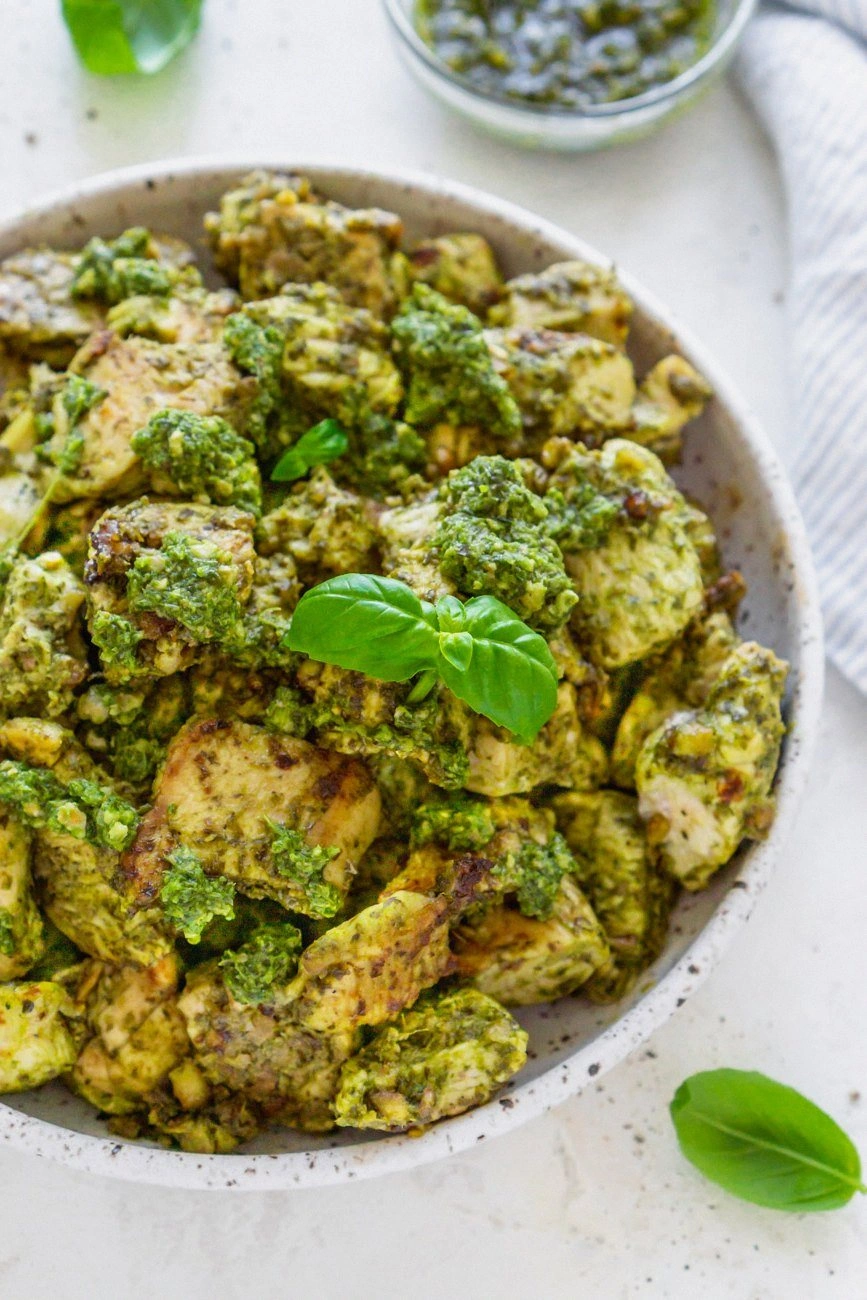
- Add 2 cups of frozen peas and carrots, 1 cup of shredded sharp cheddar cheese, 1 teaspoon of dried thyme, and 1 teaspoon of dried rosemary. Stir until the cheese melts completely, creating a velvety sauce. The sauce should coat the chicken and veggies, not just sit on top.
- Season with salt to taste and freshly ground pepper. Taste the sauce and adjust the seasoning as needed. Remember, the sauce will thicken further as it cools, so a little extra salt now can prevent it from becoming bland later.
- Reduce the heat to low and let the mixture simmer for 5 minutes, allowing the flavors to meld. The bottom of the skillet should develop a light crust that adds crunch and depth to the dish.
- Drop 1 cup of biscuit dough, cut into small cubes, onto the surface of the sauce. Cover the skillet with a lid and let the biscuits bake in the steam for 8–10 minutes, or until the dough has risen and turned golden. The biscuits will melt into the sauce, creating pockets of molten cheese.
- Remove the lid, give the skillet a gentle stir to mix the biscuits into the sauce, and serve immediately. The dish should look glossy, with a golden crust and a luscious, cheesy center. Enjoy the comforting aroma and the first bite that will make you say, “I’m not going to eat just one.”
That’s it — you did it. But hold on, I've got a few more tricks that'll take this to another level...
Insider Tricks for Flawless Results
The Temperature Rule Nobody Follows
Many cooks think a high heat is the key to a great pot pie, but the secret lies in medium‑low heat. Cooking at a lower temperature allows the flavors to develop slowly, preventing the chicken from drying out and the biscuits from burning. I once tried a high‑heat approach and ended up with a rubbery chicken and a scorched crust. Keep the heat moderate, and your skillet will produce a tender, flavorful result every time.
Why Your Nose Knows Best
Your sense of smell is a powerful guide during cooking. When the sauce begins to thicken and the onions are golden, the aroma will tell you it’s time to add the broth. If you’re unsure, trust your nose: a buttery, caramelized scent is the sign that you’re on the right track. A quick sniff before adding the next ingredient can save you from over‑cooking or under‑seasoning.
The 5-Minute Rest That Changes Everything
After you finish cooking, let the skillet rest for 5 minutes before serving. This resting period allows the flavors to settle and the sauce to thicken slightly, creating a more cohesive dish. It also gives the biscuit drops time to fully melt into the sauce, ensuring every bite is rich and gooey. Skipping the rest can result in a watery, unevenly flavored pot pie.
The Secret of Shredded Cheddar
Shredding the cheddar yourself rather than buying pre‑shredded can make a noticeable difference. Freshly shredded cheese melts more evenly and doesn’t contain the anti‑caking agents found in pre‑shredded varieties. If you’re short on time, use a cheese slicer or a mandoline to shred the cheese quickly and uniformly.
The One‑Pan Clean‑Up Trick
To keep the cleanup minimal, line the skillet with parchment paper before adding the biscuit dough. The parchment will catch excess butter and sauce, making it easier to wipe the skillet clean afterward. I’ve never had to scrub a skillet after this recipe; the parchment does all the work for you.
Creative Twists and Variations
This recipe is a playground. Here are some of my favorite ways to switch things up:
Smoky Chipotle Chicken
Add 1 teaspoon of chipotle powder or a splash of adobo sauce to the sauce for a smoky, spicy kick. The chipotle pairs beautifully with the cheddar, creating a flavor profile reminiscent of a southwestern pot pie. Perfect for a night when you need a little heat.
Mushroom Medley
Replace the peas and carrots with a mix of sautéed mushrooms, spinach, and zucchini. The earthy mushrooms deepen the sauce, while the spinach adds a pop of green. This variation is great for a lighter, vegetable‑centric dinner.
Herb‑Infused Chicken
Swap the dried thyme and rosemary for fresh basil, oregano, and parsley. Fresh herbs add a bright, green note that lifts the dish. This version feels lighter and more summery, ideal for a quick weeknight meal.
Cheesy Broccoli Bliss
Add a cup of steamed broccoli florets and replace the cheddar with a blend of cheddar and mozzarella. The broccoli’s mild bitterness balances the richness of the cheese, creating a harmonious flavor. This variation is a hit with kids who love broccoli.
Crispy Bacon Crumbles
Crack up 4 slices of bacon and fry them until crispy. Remove the bacon, crumble it, and stir it into the sauce before adding the biscuit drops. The bacon adds a salty, smoky crunch that elevates the dish to a new level of indulgence.
Low‑Carb Cauliflower Crust
Replace the biscuit dough with a cauliflower crust made from grated cauliflower, eggs, and cheese. The crust is low in carbs and still provides a satisfying crunch. This variation is perfect for keto or low‑carb enthusiasts who crave comfort food.
Storing and Bringing It Back to Life
Fridge Storage
Cool the skillet to room temperature, then transfer the dish into an airtight container. Store in the refrigerator for up to 3 days. The sauce will thicken slightly, so when you reheat, add a splash of milk to restore its silky texture. The biscuits will remain soft, but the flavor will stay vibrant.
Freezer Friendly
Wrap the skillet tightly in aluminum foil and place it in a freezer bag. Freeze for up to 2 weeks. When ready to serve, thaw overnight in the refrigerator, then reheat in a preheated oven at 350°F for 15–20 minutes, or until heated through. The biscuits may lose some crispness, but the sauce will still be luscious.
Best Reheating Method
Reheat the skillet on low heat, stirring occasionally, until the sauce is hot and bubbling. Add a tiny splash of water or broth before reheating; this steams the dish back to perfection, keeping the biscuits from drying out. A quick microwave reheat can work, but it may result in uneven heating.