I was standing in my kitchen, the air thick with the scent of burnt toast and an empty fridge, when my friend texted: “You’ve gotta try this instant pot jambalaya.” I had been chasing that elusive, smoky flavor that makes you want to shout “Encore!” for every bite. The moment I cracked open the Instant Pot, the sizzle of olive oil kissed the air, and the kitchen turned into a small Louisiana kitchen, complete with the faint hum of a radio playing a classic jazz tune. The smell of sautéed onions, garlic, and that unmistakable bite of andouille sausage rolled over the countertop like a velvet curtain, promising a dish that would leave the whole house humming. If you’ve ever felt the disappointment of a bland rice bowl, you’ll feel the electric thrill of this version right away. It’s not just another jambalaya; it’s the kind that turns a regular night into a culinary celebration, and trust me, you’ll want to taste it before you even finish the last spoonful.
Picture this: a pot that seals in every aroma, a rhythm of sauté, sear, and simmer that turns simple ingredients into a symphony of flavors. I’ve spent years trying to replicate the smoky, peppery taste of my grandmother’s jambalaya, but most recipes fall flat, missing that crucial “wow” factor. Here, we’re going to smash that barrier. I’ll show you how to infuse each component with depth, how to use the Instant Pot’s pressure mode to marry textures, and how to finish the dish with a splash of fresh scallions that lifts the entire flavor profile. I dare you to taste this and not go back for seconds, because the heat, the spice, and the tender proteins will keep you hooked. This is hands down the best version you’ll ever make at home, and I’m about to let you in on the secrets that most cookbooks keep under wraps.
Let me walk you through every single step — by the end, you’ll wonder how you ever made it any other way. The first thing you’ll notice is the bold, unapologetic use of Cajun seasoning and fresh thyme, which gives this jambalaya a bright, almost citrusy lift that balances the richness of the sausage and shrimp. The Instant Pot’s ability to lock in moisture means the rice absorbs all those flavors without becoming mushy, while the quick sauté of the vegetables creates a caramelized base that feels like a caramelized sugar coating on a pastry. I’ll also reveal a technique that transforms the usual “cooked rice” texture into something that feels like a soft, comforting hug. And there’s a twist: a splash of tomato paste that deepens the color and adds a subtle umami punch, a detail that will make your friends ask for the recipe. So buckle up; this is going to be a flavorful roller coaster.
If you’ve ever struggled with balancing the heat and the savory depth in a jambalaya, you’re not alone — and I’ve got the fix. The next section will break down why this version stands out from the crowd, and you’ll see how each element works together like a well-rehearsed jazz band. I promise, by the time you’re done, you’ll have a dish that not only tastes incredible but also feels like a warm, comforting hug from the inside out.
What Makes This Version Stand Out
- Flavor Depth: The combination of Andouille sausage, fresh thyme, and a splash of tomato paste creates layers of taste that dance on the palate. The sauce coats the rice like velvet, leaving a lingering spice that doesn’t overwhelm.
- Texture Balance: The Instant Pot’s pressure mode locks in moisture, giving the rice a fluffy interior while the sausage remains firm and the shrimp stay tender. The result is a dish where every bite feels distinct.
- Ease of Prep: With a single pot, you’re cooking everything from the sauté to the final simmer. No more pots to wash; all the magic happens in one place.
- Time Efficiency: From prep to finish, you’re looking at under an hour. That’s a full dinner ready while you’re still catching up on your favorite show.
- Crowd-pleaser: The bold Cajun seasoning and the smoky sausage make this a hit at family gatherings. Even the most skeptical eaters will find themselves reaching for seconds.
- Ingredient Quality: Using fresh, high-quality sausage and real chicken thighs elevates the dish. The difference between supermarket and artisanal ingredients is palpable.
- Make‑Ahead Friendly: This jambalaya can be prepared ahead of time and reheated without losing flavor. The sauce thickens beautifully when stored.
- Versatile Base: Swap proteins or adjust the spice level, and you can create a new dish every time. It’s a foundation that invites creativity.
Alright, let’s break down exactly what goes into this masterpiece…
Inside the Ingredient List
The Flavor Base
Olive oil is the first player in this culinary orchestra. It’s not just a cooking medium; it’s a flavor carrier that lifts the aroma of garlic and onions, allowing their sweetness to bloom. Without oil, the sauté would stick and the spices wouldn’t toast properly. If you skip oil, the dish will feel flat and the sausage will brown unevenly. A small tip: use extra‑virgin olive oil for a peppery finish, or switch to avocado oil if you want a milder profile.
The Protein Ensemble
Andouille sausage brings the smoky, peppery kick that is the hallmark of Cajun cuisine. Its fat content keeps the dish moist and adds a savory depth that no tomato can match. Boneless chicken thighs, on the other hand, are the sturdy backbone that absorbs the spices without drying out. If you’re in a hurry, you can substitute chicken breast, but the thighs will give you a more robust texture. For a vegetarian twist, replace the sausage with smoked tempeh and use a plant‑based broth.
The Veggie Symphony
The classic “holy trinity” of onions, bell pepper, and celery is the flavor foundation of jambalaya. The onion provides sweetness, the bell pepper adds a subtle bitterness, and the celery contributes a crisp, earthy note. Together they form a savory base that carries the spices through the rice. If you’re allergic to celery, a small amount of fennel seeds can mimic its aroma. The key is to sauté them until they’re translucent but still hold a faint crunch, ensuring the texture doesn’t become mushy.
The Unexpected Star
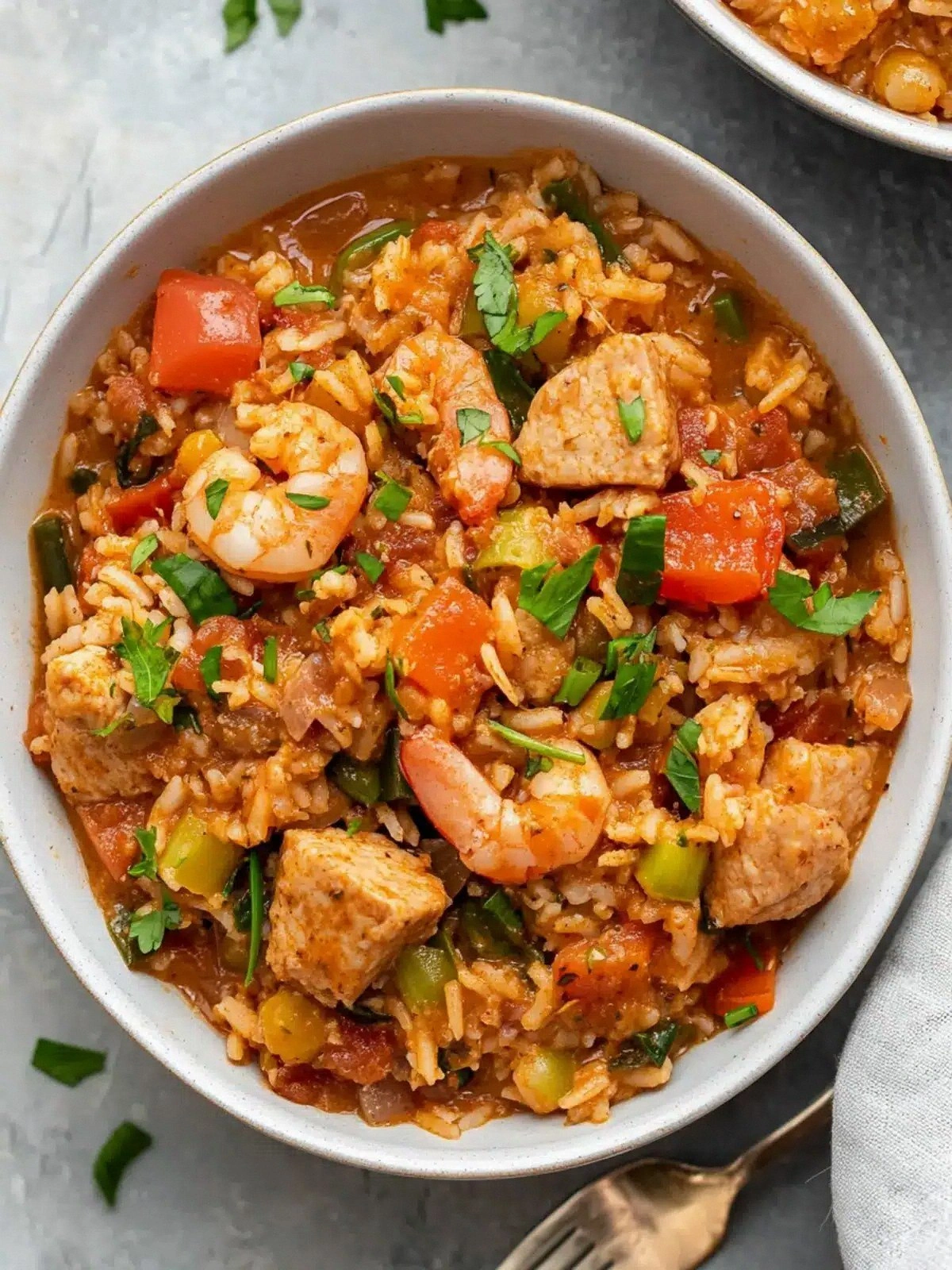
The shrimp is the unexpected star that gives this jambalaya a touch of elegance and a burst of briny sweetness. Fresh shrimp are ideal, but frozen shrimp work fine if you thaw them properly. The shrimp should be added towards the end of the cooking process so they stay firm and avoid overcooking. If you prefer a more subtle seafood flavor, reduce the shrimp quantity by half and increase the amount of diced tomatoes.
Everything’s prepped? Good. Let’s get into the real action…
The Method — Step by Step
- First, set your Instant Pot to the “Sauté” mode. Drizzle the olive oil and let it shimmer. Add the sliced Andouille sausage, breaking it into bite‑sized pieces. This step is crucial; you want the sausage to develop a golden crust that locks in its smoky flavor. Watch the sizzle—if the oil starts to smoke, lower the heat. When the sausage is browned, use a slotted spoon to remove it and set aside.
- In the same pot, add the diced onion, green pepper, and celery. Sauté until the vegetables are translucent but still hold a faint bite, about 3–4 minutes. The goal is to caramelize the sugars without letting them burn. Stir occasionally so the vegetables cook evenly. If you notice the mixture sticking, add a splash of water or broth to deglaze.
- Introduce the minced garlic and cook for an additional 30 seconds until fragrant. Garlic releases its oils quickly; keep a close eye to avoid bitterness. This short burst is what will give the dish that aromatic kick that lingers on the tongue.
- Now, stir in the rice, making sure each grain is coated with the seasoned oil. This coating prevents the rice from sticking together later. Add the diced tomatoes, chicken broth, Cajun seasoning, thyme, and a pinch of salt. Mix thoroughly to combine all the flavors. The liquid should just cover the rice; if it’s too much, let a minute of sauté reduce it a bit.
- Return the browned sausage to the pot, and then gently fold in the cooked chicken thighs. The chicken will reheat and absorb the spices, becoming tender and flavorful. If you’re using pre‑cooked shrimp, reserve them for the next step to avoid overcooking.
- Close the Instant Pot lid, set the valve to “Sealing,” and select the “Pressure Cook” setting for 6 minutes on high. This short, intense cook time ensures the rice is perfectly fluffy while the proteins remain juicy. Once the timer pops, let the pressure release naturally for 10 minutes before quick‑releasing any remaining pressure.
- Open the lid carefully. The jambalaya should be steaming hot, with the rice absorbing the liquid and the proteins sizzling. If the mixture looks dry, add a splash of water or broth and stir. This is the moment of truth—check the seasoning, adjust salt if needed.
- Fold in the shrimp and scallions. The shrimp will cook in the residual heat, maintaining their texture. Let the jambalaya rest for 5 minutes; this resting period allows the flavors to meld and the rice to set. Sprinkle additional thyme or Cajun seasoning if you desire more heat. Serve immediately, and watch the steam rise like a savory cloud.
That’s it — you did it. But hold on, I’ve got a few more tricks that’ll take this to another level. These insider tips will help you avoid common pitfalls, refine the flavor, and make the dish even more memorable.
Insider Tricks for Flawless Results
The Temperature Rule Nobody Follows
Many cooks underestimate the importance of the “Sauté” temperature. Start at medium‑high, then reduce to medium once the vegetables begin to soften. This gradual temperature shift allows the sugars to caramelize slowly, creating a deeper flavor base. If you rush the sauté, you’ll end up with a mushy vegetable layer that dilutes the dish’s texture.
Why Your Nose Knows Best
Before you add the rice, give the pot a sniff. The aroma should smell like a toasted, peppery kitchen. If the smell is bland, the spices haven’t fully toasted. A quick stir and a few more seconds on the sauté mode will bring the aroma back to life. Trust your nose; it’s a reliable indicator of flavor readiness.
The 5‑Minute Rest That Changes Everything
After pressure cooking, let the jambalaya rest for five minutes before serving. During this rest, the rice grains settle, and the flavors mingle more deeply. Skipping this step can result in a dish that feels rushed, with uneven seasoning. The rest period is a small investment that pays off in a more cohesive, satisfying bite.
Add a Splash of Fresh Lemon Juice
A squeeze of lemon juice right before serving brightens the dish and cuts through the richness of the sausage and shrimp. It also adds a subtle tang that enhances the Cajun seasoning’s heat. If you’re not a fan of citrus, try a splash of white wine vinegar for a milder lift.
Use a Rice Cooker to Finish
If you prefer an even fluffier rice, transfer the cooked rice to a rice cooker for a final 10‑minute fluff. This step is optional but can elevate the texture. Just be sure to add a pinch more water before transferring to maintain moisture.
The 3‑Step Garnish Technique
For a finishing flourish, sprinkle chopped parsley, a drizzle of olive oil, and a pinch of smoked paprika. The parsley adds color, the oil adds sheen, and the paprika offers a smoky finish that ties the dish together. This simple garnish can transform a good jambalaya into a show‑stopping centerpiece.
Creative Twists and Variations
This recipe is a playground. Here are some of my favorite ways to switch things up:
Crispy Chicken Version
Swap the boneless chicken thighs for chicken tenders, and after pressure cooking, give them a quick sear in a hot pan. The crispy exterior adds a delightful crunch that contrasts the tender interior. This version is great for kids who love a bit of texture.
Vegan Vibes
Replace the sausage with smoked tempeh and the shrimp with diced jackfruit. Use vegetable broth and a splash of soy sauce for umami. This vegan jambalaya maintains the bold flavors while being plant‑based.
Spicy Shrimp Boost
Add an extra 1/2 teaspoon of cayenne pepper during the sauté. The extra heat will make the dish fiery and vibrant. Pair it with a cooling side of cucumber yogurt to balance the spice.
Cheesy Finale
Stir in a handful of shredded cheddar or Monterey Jack before serving. The cheese melts into the hot jambalaya, creating a creamy, gooey layer that’s irresistible. This twist is perfect for a casual, comfort‑food night.
Herb‑Infused Surprise
Add fresh basil and oregano during the final stir. The herbs bring a bright, aromatic note that contrasts the smoky sausage. This version feels lighter and is ideal for a summer dinner.
Breakfast Jambalaya
Serve the jambalaya over a bed of scrambled eggs instead of rice. The eggs soak up the sauce, creating a hearty breakfast that’s both savory and satisfying. This is a great way to use up leftover proteins.
Storing and Bringing It Back to Life
Fridge Storage
Cool the jambalaya to room temperature before placing it in an airtight container. Store in the fridge for up to 4 days. The rice will firm up, but the sauce will keep it moist. When you’re ready to reheat, add a splash of water or broth to restore moisture.
Freezer Friendly
Pack the jambalaya into freezer‑safe bags, removing as much air as possible. Freeze for up to 3 months. Thaw overnight in the fridge, then reheat on the stove or in the microwave, adding a splash of water to prevent dryness.
Best Reheating Method
Reheat on the stovetop over medium heat, stirring frequently. Add a tablespoon of water or broth and cover for a minute. The steam will help the rice regain its fluffy texture. For a quick microwave method, cover the portion with a damp paper towel and heat in 30‑second intervals until hot.