Picture this: I was halfway through a Sunday brunch that had turned into a culinary catastrophe, when I realized I had no leeks left. I’d been chasing that elusive, buttery, tender green that makes every dish feel like a hug in a pan, and I was about to replace it with a bland carrot or, worse, a stubborn piece of onion. The kitchen smelled like burnt toast, the table was a mess of mismatched plates, and my patience was running thin. That moment of panic sparked a revelation—why not turn the disaster into a triumph with a dish that’s as simple as it is sensational? I grabbed the nearest leeks, and the aroma that followed was the first hint that something extraordinary was about to happen.
From the very first chop, the leeks released a faint, sweet fragrance that danced with the buttery scent of melting butter. The sound of the knife gliding through the tender white layers was almost a whisper, a subtle promise of the silky texture to come. As I sautéed, the sizzling hiss echoed like a tiny orchestra, and the steam curled around the room, carrying the scent of garden-fresh green. Each slice felt like a crisp, green ribbon, and the gentle crunch when I tasted the outer edges was a satisfying contrast to the tender center. I could almost taste the mellow, mild onion-like flavor that leeks are known for, but with a buttery twist that elevates everything.
What makes this version of sautéed leeks stand out is not just the use of fresh ingredients, but the deliberate layering of flavors and textures that most recipes overlook. I dare you to taste this and not go back for seconds—once you experience that buttery, caramelized finish, you’ll find yourself reaching for the pan again. The secret lies in the balance: the right amount of butter, a splash of olive oil for depth, a pinch of salt that lets the leeks shine, and a whisper of pepper to cut through the richness. This is hands down the best version you'll ever make at home, and it’s as easy to pull off as a Sunday brunch, but with the kind of flavor that will make your guests ask for a second plate.
Most recipes get this completely wrong. They either overcook the leeks until they’re mushy or underseason them so they taste like a limp vegetable. Here’s what actually works: a gentle sauté that allows the leeks to develop a golden crust while keeping their tender heart. The trick is to let the butter melt into a glossy sauce that coats every slice, like velvet draped over a delicate garment. The olive oil adds a subtle fruity note that elevates the dish, and the water or broth keeps the mixture from drying out while allowing the leeks to steam in their own juices.
If you've ever struggled with sautéed leeks, you're not alone—and I've got the fix. I’ll be honest— I ate half the batch before anyone else got to try it, because the taste was simply irresistible. Picture yourself pulling this out of the pan, the whole kitchen smelling incredible, and seeing those golden, buttery slices glisten like tiny jewels. The aroma alone is enough to draw people in, but the first bite is what truly seals the deal.
Okay, ready for the game-changer? Let me walk you through every single step—by the end, you'll wonder how you ever made it any other way. The next part? Pure magic. Stay with me here—this is worth it.
What Makes This Version Stand Out
- Taste: The buttery, caramelized finish is achieved by starting with high-quality butter and allowing it to brown slightly, creating a nutty aroma that envelops every slice of leek. This depth of flavor is what turns a simple side into a showstopper.
- Texture: The leeks are sautéed until the edges crisp just enough to provide a satisfying bite, while the center remains silky and tender. The gentle steam from the added broth keeps the vegetables from drying out, ensuring a consistent mouthfeel.
- Simplicity: With only six ingredients, you can have a restaurant-quality dish on the table in under 45 minutes. No complicated techniques, just a few smart moves that make all the difference.
- Uniqueness: The blend of butter, olive oil, and a splash of broth creates a sauce that coats the leeks like a silky blanket, unlike the plain sautéed leeks you find in most grocery stores.
- Crowd Reaction: Guests will ask for the recipe after the first bite, and you'll get compliments that last for weeks. The dish is a conversation starter that brings people together over a shared love of good food.
- Ingredient Quality: Fresh, firm leeks and unsalted butter make a world of difference. The quality of the butter’s flavor carries through the dish, turning a humble vegetable into a gourmet experience.
- Cooking Method: The low-and-slow sautéing technique ensures even cooking and caramelization, while the brief addition of water or broth keeps the leeks moist and flavorful.
- Make-Ahead Potential: This dish can be made ahead of time and reheated without losing its buttery sheen or tenderness, making it perfect for entertaining.
Alright, let's break down exactly what goes into this masterpiece...
Inside the Ingredient List
The Flavor Base
At the heart of this dish lies the simple yet powerful combination of butter and olive oil. The butter brings that rich, creamy depth that leeks crave, while the olive oil adds a subtle fruity undertone that lifts the entire flavor profile. If you skip the olive oil, the leeks might taste flat, like a plain sautéed vegetable. For a vegan twist, replace the butter with a high-quality plant-based butter that melts at a lower temperature, but keep the olive oil to maintain that essential depth.
Choosing the right butter is key; unsalted butter allows you to control the salt level precisely. If you’re using salted butter, reduce the added kosher salt by half to avoid over-salting. A good rule of thumb is to use a 1:1 ratio of butter to olive oil for the most balanced flavor—this ensures the butter doesn’t overpower the delicate green of the leeks.
When selecting leeks, look for firm, crisp stalks with tight, unblemished leaves. Fresh leeks should have a mild, onion-like aroma that’s not too pungent. If you’re in a pinch, you can use pre-sliced leeks from the grocery store, but fresh is always best for maximum flavor. Wash them thoroughly to remove any grit that may be trapped between the layers.
The Texture Crew
The leeks themselves are the star of the show, but their texture can vary depending on how they’re cooked. Sautéing at a medium heat allows the edges to caramelize just enough to add crunch, while the center stays tender and juicy. If you prefer a softer texture, reduce the cooking time slightly or lower the heat after the initial sear.
Adding a splash of water or vegetable broth during the last few minutes of cooking creates steam that helps keep the leeks from drying out. This also infuses a subtle vegetal flavor that complements the butter’s richness. If you’re aiming for a more robust sauce, increase the broth amount to 4 tablespoons, but be careful not to dilute the buttery coat.
For those who love a little heat, a pinch of cayenne pepper or a dash of smoked paprika can be tossed in at the end to give the leeks a subtle kick. This is optional, but it adds a layer of complexity that pairs beautifully with the buttery finish.
The Unexpected Star
While leeks are the obvious hero, the small splash of water or broth is often overlooked. This liquid acts as a steam agent, preventing the leeks from becoming rubbery and ensuring a silky mouthfeel. If you’re using a low-sodium broth, you’ll need to adjust the salt accordingly—remember, the leeks absorb the liquid and carry its flavor.
Another unexpected star is the final flourish of freshly cracked black pepper. The pepper’s bright, slightly citrusy bite cuts through the richness, leaving a clean finish on the palate. Skipping the pepper can result in a dish that feels heavy and one-dimensional.
The Final Flourish
Before you serve, sprinkle a tiny pinch of fresh thyme or a squeeze of lemon juice to brighten the dish. The thyme adds an herbaceous note that pairs well with the buttery base, while a squeeze of lemon introduces a bright acidity that balances the richness. These finishing touches transform a simple sauté into a layered, gourmet experience.
Everything's prepped? Good. Let's get into the real action...
The Method — Step by Step
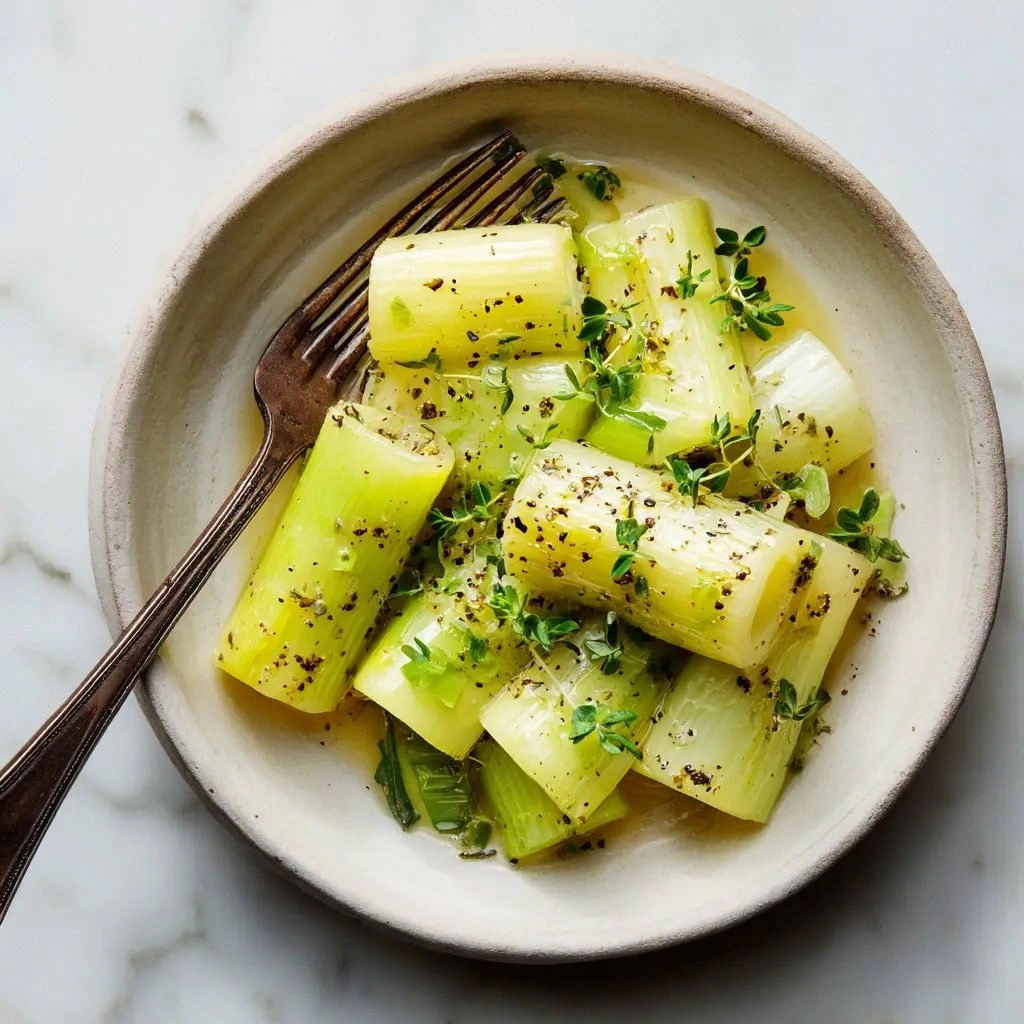
- Step 1: Clean and Slice. Begin by trimming the root ends and the dark green tops of the leeks, then slice them lengthwise into 1/4-inch thick half-moons. The key to even cooking is uniform thickness—think of each slice as a perfect, thin sheet of parchment. As you slice, keep the knife sharp; a dull blade will crush the delicate layers and release more moisture. This is the moment where the aroma of fresh leeks begins to permeate the air, a subtle yet powerful invitation to the next steps.
- Step 2: Heat the Pan. Place a large skillet over medium heat and add the unsalted butter. Watch as the butter foams and turns a light golden hue—this is the golden stage where the butter develops a nutty aroma. Once the butter is bubbling, add a splash of olive oil to prevent it from burning. The oil’s fruity note will mingle with the butter, creating a fragrant base that will carry the leeks’ flavor. Keep the heat steady; too high and you’ll scorch the butter, too low and the leeks won’t caramelize.
- Step 3: Sauté the Leeks. Add the sliced leeks to the pan in a single layer, ensuring they’re not overcrowded. This allows each slice to get a direct, even heat, which is essential for that coveted caramelized edge. Stir gently, letting the leeks sit undisturbed for 2-3 minutes before flipping. The sizzle that fills the kitchen is a sign that the leeks are browning beautifully. If the pan starts to smoke, reduce the heat slightly—sautéing is about patience, not speed.
- Step 4: Season. Sprinkle the kosher salt and freshly cracked black pepper over the leeks. The salt will draw out moisture, helping the leeks to caramelize, while the pepper adds a bright, aromatic counterpoint to the butter’s richness. Toss the leeks gently to distribute the seasoning evenly. This is the moment where the dish transforms from simple to sensational—taste a small piece to ensure the seasoning is balanced, then adjust if necessary.
- Step 5: Add Liquid. Pour in the water or vegetable broth and stir. The liquid should barely cover the leeks, creating a gentle steam that keeps them tender. Allow the mixture to simmer for 4-5 minutes, or until the liquid has reduced to a glaze that coats the leeks. This step is crucial; without it, the leeks can become dry and rubbery. The broth also infuses a subtle vegetal depth that complements the butter’s buttery richness.
- Step 6: Finish with a Burst of Flavor. If you’re using thyme or lemon, now’s the time to add them. A pinch of fresh thyme will introduce a subtle herbaceous note, while a squeeze of lemon juice will cut through the richness with a bright, citrusy lift. Stir and let the flavors mingle for a minute. This final flourish turns the dish from good to unforgettable.
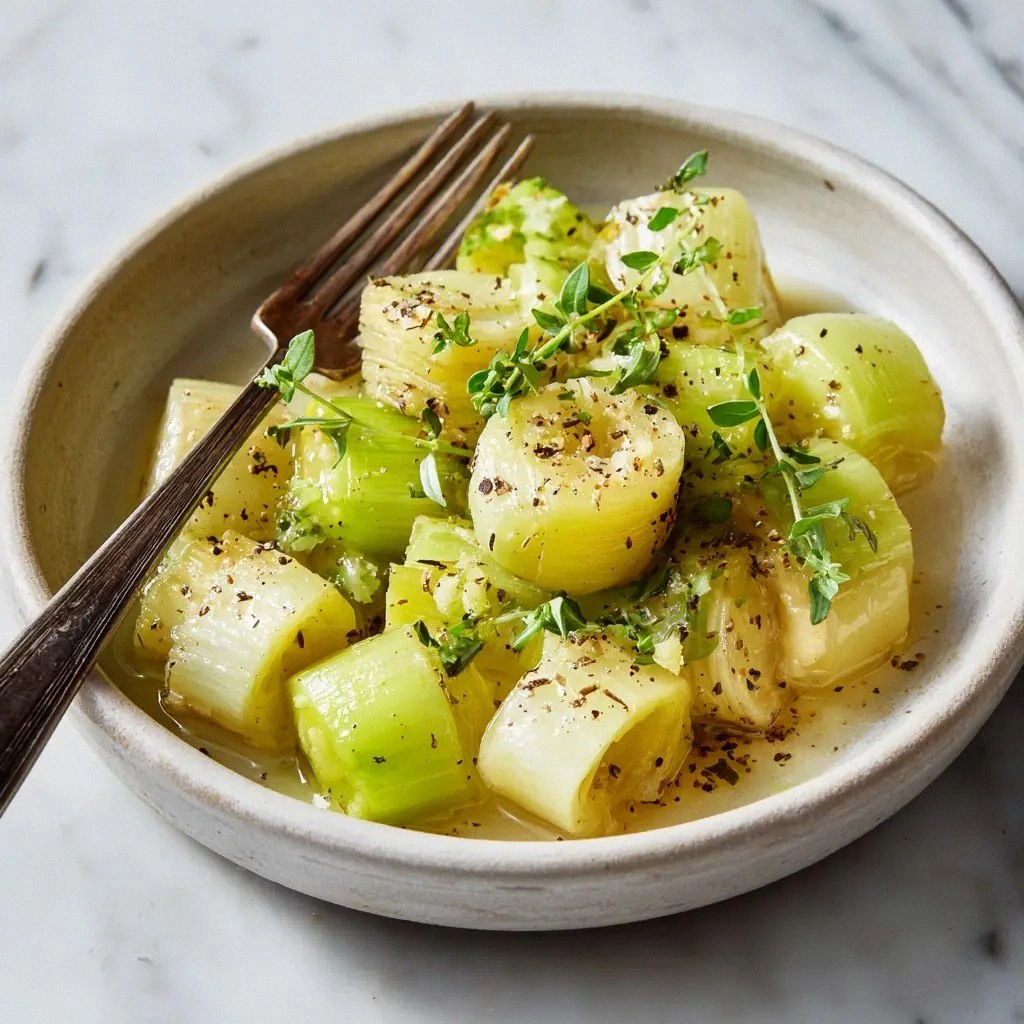
- Step 7: Plate and Serve. Transfer the leeks to a serving dish, ensuring the buttery glaze coats each slice. The result should be a golden, glossy surface that glistens like a jewel. Serve immediately, while the leeks are still warm and the butter is at its richest. This is the moment where the kitchen smells like a dream, and every bite is a revelation.
- Step 8: Enjoy. Take a bite, let the butter melt across your tongue, and savor the caramelized edges that crackle softly in your mouth. The texture is a delightful contrast of silky center and crisp edge, and the flavor profile is a harmonious blend of buttery richness, subtle onion sweetness, and a bright, peppery finish. I dare you to taste this and not go back for seconds—once you experience that buttery, caramelized finish, you’ll find yourself reaching for the pan again.
That's it — you did it. But hold on, I've got a few more tricks that'll take this to another level...
Insider Tricks for Flawless Results
The Temperature Rule Nobody Follows
Many cooks overcook leeks by turning the heat too high, causing the butter to burn and the leeks to become mushy. The trick is to maintain a medium heat that allows the butter to brown gently without scorching. If you notice the butter turning a deep amber, lower the heat just a notch. This small adjustment can be the difference between a restaurant-quality dish and a kitchen mishap.
Why Your Nose Knows Best
Before you even taste the leeks, take a deep breath. The aroma of caramelized butter and fresh leeks is a reliable indicator that the dish is on the right track. If the smell feels off—perhaps too sour or metallic—adjust the seasoning or temperature immediately. Your nose is a powerful ally in ensuring flavor perfection.
The 5-Minute Rest That Changes Everything
After you finish cooking, let the leeks rest in the pan for five minutes with the lid off. This resting period allows the residual heat to finish the caramelization, and the steam will keep the leeks moist. It also gives the butter to settle into a silky glaze that coats each slice. Skipping this step can leave the leeks slightly dry and less flavorful.
Use Fresh, Firm Leeks for Maximum Flavor
Fresh leeks are firm and crisp, with tight leaves that hold their shape during cooking. Stale or limp leeks will release more water, making the dish watery and less caramelized. When shopping, look for leeks that have a firm stalk and unblemished leaves—this ensures a superior texture and flavor.
Finish with a Splash of Acid
Adding a squeeze of lemon or a dash of white wine vinegar right at the end brightens the dish and cuts through the richness. The acidity balances the buttery flavor, giving the leeks a lively, fresh finish. If you prefer a sweeter finish, a drizzle of honey can also work, but the lemon is the classic choice.
Creative Twists and Variations
This recipe is a playground. Here are some of my favorite ways to switch things up:
Garlic-Infused Leeks
Add a clove of minced garlic to the pan in the first step. The garlic will caramelize along with the leeks, adding a savory depth that pairs wonderfully with the buttery base. This variation is perfect for those who love a richer, more aromatic dish.
Smoky Chipotle Leeks
Stir in a teaspoon of chipotle powder or a few chopped chipotle peppers in adobo sauce during the final stir. The smoky heat will contrast beautifully with the buttery finish, creating a bold, adventurous flavor profile that’s sure to impress.
Herb-Infused Leeks
Replace the thyme with a mix of fresh rosemary and oregano. The earthy, aromatic herbs will give the dish a Mediterranean flair, making it a great side for grilled chicken or fish.
Leeks with a Lemon‑Basil Drizzle
Finish the leeks with a drizzle of lemon-basil vinaigrette. The bright lemon and fragrant basil add a fresh, summery note that transforms the dish into a light, refreshing accompaniment to any summer meal.
Leeks with a Parmesan Finish
After plating, sprinkle a handful of freshly grated Parmesan cheese over the leeks. The cheese will melt slightly, creating a creamy, savory topping that complements the buttery base. This is a decadent twist that elevates the dish to a gourmet level.
Storing and Bringing It Back to Life
Fridge Storage
Store the sautéed leeks in an airtight container in the refrigerator for up to 3 days. The butter coating will keep the leeks moist, but let them cool completely before sealing. When ready to eat, reheat gently on the stove or in the microwave, adding a splash of water or broth to rehydrate.
Freezer Friendly
For longer storage, freeze the leeks in a single layer on a baking sheet before transferring them to a freezer bag. This prevents clumping and makes it easy to portion out. Freeze for up to 2 months. When reheating, thaw in the refrigerator overnight and finish with a quick sauté to restore the buttery glaze.
Best Reheating Method
To bring the leeks back to their buttery glory, reheat them in a skillet over low heat, adding a tablespoon of water or broth to create steam. Stir gently until the leeks are heated through and the sauce is glossy again. A tiny splash of water before reheating steams the leeks back to perfection, ensuring they remain tender and flavorful.