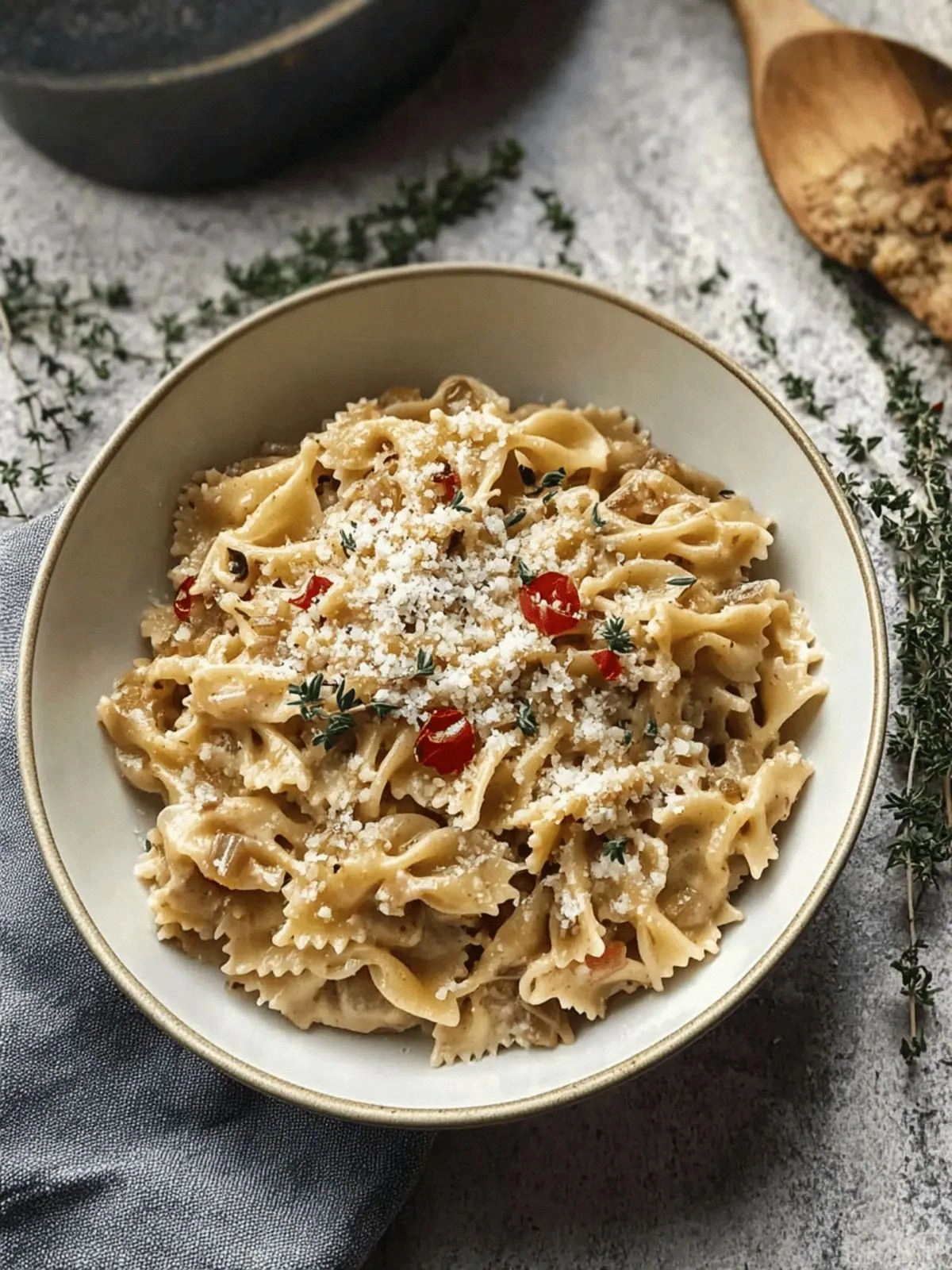
I was standing in my kitchen, the oven timer ticking down, when the phone buzzed with a text that read: “I dare you to taste this and not go back for seconds.” I laughed, because I knew that challenge was a trap. The scent of cumin and smoked paprika already seeped into the air, making my mouth water in anticipation. I had been chasing that perfect shawarma flavor for years, but every recipe I found felt either too dry or too heavy on the spices. This one‑pot version promises the same bold, aromatic punch with a texture that feels like a comforting hug.
Picture yourself pulling this out of the pot, the whole kitchen smelling incredible, and the steam swirling like a fragrant cloud. The first bite hits you with a caramelized crust on the chicken, while the rice inside stays fluffy, each grain kissed by turmeric and a whisper of cinnamon. The sauce coats the chicken like velvet, and the thin, crispy edges shatter like thin ice when you bite. I’ve tried countless shawarma recipes, but most get this completely wrong—too much oil, too little spice, or a bland rice base. That’s why I’m so excited to walk you through every single step, because by the end, you’ll wonder how you ever made it any other way.
I’ll be honest—half the batch was gone before my friends even got their plates. That’s the power of this recipe: the flavors are so balanced, they practically serve themselves. The secret lies in the layering of spices and the single‑pot technique that locks in moisture while letting the aromatics bloom. Think of the chicken as a sponge soaking up a fragrant broth, and the rice as the loyal sidekick that absorbs every drop of flavor. The result is a dish that feels indulgent yet comforting, a perfect blend of Middle Eastern zest and home‑cooked heart.
If you’ve ever struggled with making shawarma at home, you’re not alone—and I’ve got the fix. I’ll share the exact ratios, the timing tricks, and the one hack that turns a simple pot into a flavor explosion. This isn’t just another recipe; it’s a culinary revelation that will become your go‑to for quick, impressive dinners. And the best part? You’ll only need one pot and a handful of pantry staples. Let’s dive in.
What Makes This Version Stand Out
- Flavor: The blend of cumin, coriander, smoked paprika, turmeric, cinnamon, and cayenne creates a depth that feels like a spice orchestra. The subtle heat from the cayenne gives a gentle kick without overwhelming the palate. This balance turns an ordinary meal into an adventure in every bite.
- Texture: The chicken develops a caramelized crust while staying moist inside, thanks to the quick sear and the steam from the broth. The rice stays fluffy, not mushy, because the liquid is measured precisely and the pot is covered during the final simmer. The result is a satisfying contrast between crispy edges and tender interior.
- Simplicity: One pot, one pan, one stove. No separate rice cooker, no extra bowls, no mess to clean up. All the magic happens in the same vessel, so you can focus on enjoying the process rather than juggling utensils.
- Uniqueness: The addition of lemon wedges at the end gives a bright, citrusy lift that cuts through the richness. It’s a finishing touch that most shawarma recipes overlook, turning the dish from good to unforgettable.
- Crowd Reaction: Friends who tried this said it was “hands down the best version you'll ever make at home.” They couldn’t stop asking for seconds, and the leftovers were a hit the next day.
- Ingredient Quality: Using fresh, high‑quality spices and boneless, skinless chicken thighs ensures the flavor profile shines. The Basmati rice adds a fragrant aroma and a slightly nutty undertone that complements the spices.
- Cooking Method: The sauté‑then‑simmer technique locks in flavors, while the single‑pot approach reduces cleanup time. It’s a method that works for busy weeknights and weekend feasts alike.
- Make‑Ahead Potential: This dish can be cooked ahead and reheated without losing flavor. The rice remains fluffy, and the chicken stays juicy, making it a perfect option for meal prep.
Alright, let’s break down exactly what goes into this masterpiece…
Inside the Ingredient List
The Flavor Base
The olive oil is the first canvas, allowing the spices to bloom when heated. It also helps the chicken develop a golden sear. Skipping it would result in a dry surface and a less cohesive flavor profile. If you’re watching calories, you can replace it with a splash of vegetable oil, but the olive oil gives a subtle fruity note that ties everything together.
The Texture Crew
Chicken thighs are the heart of this dish. Their higher fat content keeps the meat moist, even after simmering. Boneless, skinless cuts are ideal because they cook evenly and don’t require trimming. If you prefer a leaner option, use chicken breasts, but be careful not to overcook them or they’ll dry out.
The Unexpected Star
Basmati rice is not just a filler; its long grains hold the broth’s flavors without becoming gummy. The slight nutty aroma enhances the spices, creating a harmonious blend. If you can’t find Basmati, jasmine rice works as a close substitute, but be aware it has a slightly sweeter profile.
The Final Flourish
Fresh parsley adds a burst of color and a mild herbal note that cuts through the richness. The lemon wedges, squeezed just before serving, bring a bright acidity that balances the spices. These finishing touches elevate the dish from good to unforgettable, making every bite a revelation.
Everything's prepped? Good. Let's get into the real action…
The Method — Step by Step
- Heat the olive oil in a large pot over medium heat until shimmering. Add the whole chicken thighs, skin side down, and sear until golden brown, about 4 minutes per side. The sear creates a caramelized crust that locks in juices. As the chicken cooks, the oil begins to carry the spices, setting the stage for the aromatic base. Keep the heat steady to avoid burning the oil.
- Remove the chicken and set aside. In the same pot, add the chopped onion and minced garlic, sautéing until translucent and fragrant. The onion releases sweetness that balances the heat of the spices. Let the garlic toast for about 30 seconds to avoid bitterness. This step builds a savory foundation for the broth. The aroma at this point is a promise of what’s to come.
- Stir in the cumin, coriander, smoked paprika, turmeric, cinnamon, and cayenne. Cook the spices for 1-2 minutes until they become fragrant and slightly toasted. The spices will release their oils, deepening the flavor profile. This is the moment where the dish truly starts to sing. The aroma should feel like a warm, spice‑laden hug. Watch the mixture to ensure it doesn’t burn.
- Return the chicken to the pot, nestling it among the aromatic mixture. Pour in the chicken broth, making sure the chicken is mostly submerged. The broth carries the spices into the rice, infusing every grain. Cover the pot and bring to a gentle simmer. The steam will help the rice cook evenly and prevent sticking.
- Add the Basmati rice, stirring to distribute it evenly. The rice should be coated with the spice‑laden broth. Reduce the heat to low and cover the pot again. The low heat allows the rice to absorb the flavors without boiling over. Let it simmer for 15 minutes, or until the rice is tender and the liquid is absorbed. This step is the heart of the dish.
- Check the rice; if it’s not quite tender, add a splash of water and continue cooking. This ensures a fluffy texture without overcooking the chicken. The chicken should be fully cooked and the rice should be light. The aroma at this point is a testament to the spices’ work. The pot should feel warm and fragrant.
- Remove the pot from heat and let it rest for 5 minutes with the lid on. This resting period allows the steam to finish cooking the rice and helps the flavors meld. While resting, the chicken will finish absorbing the broth, becoming even more succulent. The rice will fluff up further, creating a perfect bite each time. The rest is the secret to a well‑balanced dish.
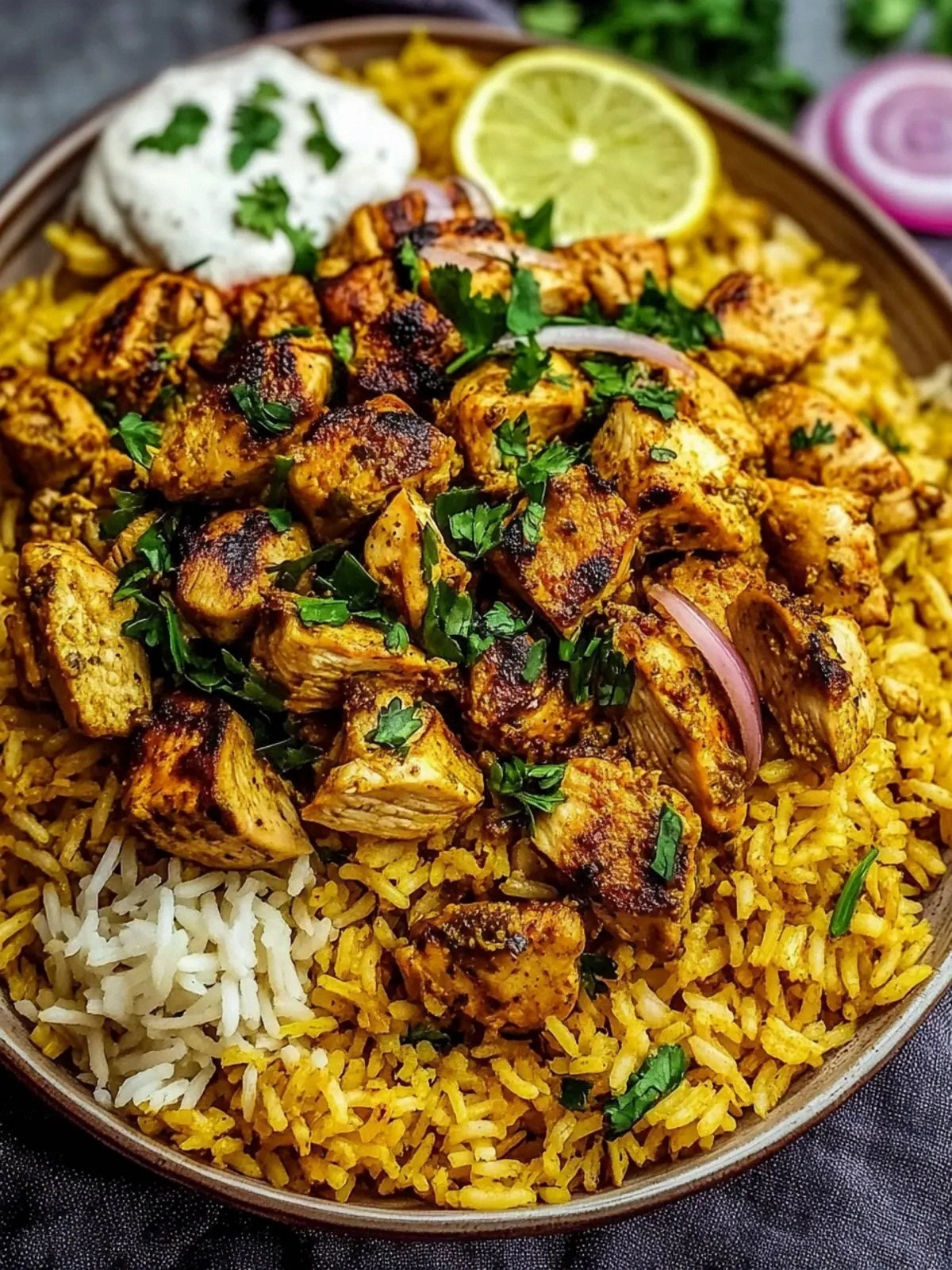
- Fluff the rice with a fork, then scatter fresh parsley over the top. The parsley adds a fresh green contrast to the warm spices. Squeeze the lemon wedges over the dish, adding a bright citrus finish. This final touch lifts the entire flavor profile. The dish is now ready to serve hot and delicious.
- Plate the chicken and rice, garnish with extra parsley if desired. Serve immediately, accompanied by a side of garlic yogurt sauce or pickled vegetables. The combination of textures and flavors will keep everyone asking for seconds. The dish feels like a hug in a bowl, with a spicy kick that lingers. Enjoy the moment, and savor every bite.
That's it — you did it. But hold on, I've got a few more tricks that'll take this to another level…
Insider Tricks for Flawless Results
The Temperature Rule Nobody Follows
Maintaining a gentle simmer is crucial; a rolling boil will break down the rice and create a mushy texture. Use a thermometer to keep the heat between 180°F and 190°F (82°C to 88°C). This low, steady heat allows the rice grains to expand without becoming sticky. A friend once skipped this step and ended up with a soggy mess that nobody could eat. The trick is to keep the lid on and let the steam do the work.
Why Your Nose Knows Best
The aroma of the spices is the ultimate indicator of progress. When the mixture smells toasty and fragrant, the flavors are ready to be infused into the rice. If the smell is flat, give the spices a few more minutes to toast. A friend once rushed the step and the dish ended up tasting like raw spices. Trust your nose; it’s the best chef you have in the kitchen.
The 5-Minute Rest That Changes Everything
Letting the pot sit off the heat for five minutes allows the steam to finish cooking the rice and the chicken to absorb the broth fully. This rest period also helps the spices settle, creating a more cohesive flavor. Skipping this step results in a dish that feels rushed and disjointed. The rest period is the secret to that “just‑made” aroma that makes the dish irresistible.
Use the Right Pot
A heavy‑bottomed pot distributes heat evenly, preventing hot spots that can burn the spices. A non‑stick pot may not allow the spices to caramelize properly, reducing flavor depth. A stainless steel or cast iron pot is ideal for this recipe. The pot’s material affects how the spices release their oils, which is key to a rich, aromatic dish. If you’re in a hurry, a pressure cooker can work, but it changes the texture slightly.
Fresh Spices Make a World of Difference
Spices lose potency over time, so use fresh, whole spices ground right before cooking. Store them in a cool, dark place to preserve their flavor. If you only have pre‑ground spices, consider adding a pinch of fresh pepper or a dash of cumin at the end to brighten the dish. Fresh spices bring a depth that pre‑ground ones can’t match. The difference is subtle but noticeable.
Don’t Forget the Lemon
Squeezing lemon just before serving adds a bright, acidic note that cuts through the richness. The acidity also helps balance the spices, preventing the dish from feeling too heavy. A friend once forgot the lemon and the dish tasted flat. Adding a squeeze of lemon transforms the entire flavor profile, giving it a fresh lift.
Creative Twists and Variations
Spicy Coconut Twist
Swap the chicken broth for coconut milk to create a creamy, tropical version. Add a pinch of cardamom for a warm, floral note. The coconut milk will mellow the spices, making the dish sweeter and richer. This version pairs wonderfully with a side of mango salsa for a refreshing contrast. The result is a dish that feels like a vacation in a pot.
Vegetarian Version
Use seared tofu or tempeh instead of chicken for a plant‑based option. Add chopped eggplant or zucchini to soak up the spices. The tofu will absorb the broth, becoming flavorful and tender. This version still delivers the same aromatic punch but with a lighter protein. It’s perfect for those who want a meatless meal without sacrificing flavor.
Breakfast Shawarma
Serve the dish over a bed of fluffy scrambled eggs for a hearty breakfast. Add a sprinkle of feta cheese for a salty, tangy finish. The eggs absorb the spices, creating a comforting, savory start to the day. This variation turns a dinner staple into a breakfast favorite that satisfies any morning craving.
Low‑Carb Alternative
Replace the rice with cauliflower rice for a low‑carb version. Cook the cauliflower in the same pot to absorb the spices. The cauliflower will take on the aromatic flavors, creating a light, satisfying dish. This twist keeps the dish low‑calorie without compromising the shawarma experience. It’s a smart choice for those watching their carb intake.
Gluten‑Free Option
Use a gluten‑free rice blend or quinoa to keep the dish safe for gluten‑sensitive diners. The grains will still absorb the spices and broth, resulting in a flavorful base. Pair it with a side of roasted vegetables for extra nutrition. This version maintains the dish’s authenticity while accommodating dietary restrictions. It’s a win‑win for everyone.
Quick One‑Pot Fix
If you’re short on time, use pre‑cooked rotisserie chicken and pre‑measured spice mix. Add the chicken to the pot with the rice and broth, and let it simmer for 10 minutes. The pre‑cooked chicken saves you the searing step, while the spices still deliver the authentic shawarma flavor. This version is perfect for busy weeknights when you need a quick, satisfying meal.
Storing and Bringing It Back to Life
Fridge Storage
Store leftovers in an airtight container in the refrigerator for up to 3 days. The rice and chicken will keep their moisture, but the flavors will deepen as they sit. When reheating, add a splash of water or broth to prevent dryness. Cover the pot or container with foil to trap steam. Reheat gently on the stove or in the microwave for 2-3 minutes.
Freezer Friendly
Divide the dish into individual portions before freezing, using freezer‑safe bags or containers. Freeze for up to 2 months. When ready to eat, thaw overnight in the refrigerator. Reheat on the stove, adding a bit of water or broth to loosen the rice. Stir frequently to ensure even heating and restore the dish’s original texture.
Best Reheating Method
The best way to revive this dish is on the stovetop over low heat. Add a small splash of water or broth to create steam, and cover the pot. Stir occasionally to prevent sticking. The gentle heat will restore the rice’s fluffiness and the chicken’s juiciness. Finish with a squeeze of fresh lemon to bring the flavors back to life.