Picture this: I’m standing in a cramped kitchen, a pot of rice boiling over, a handful of ground pork spilling onto the counter, and a friend daring me to whip up a Chinese sticky rice dish that’s “just right.” I’ve tried the usual stovetop method, and every time I end up with a mushy mess that tastes like a wet blanket. I was about to give up when a stray comment on a foodie forum mentioned a rice cooker trick that turned the whole experience into a symphony of texture and flavor. That’s when I decided to experiment, and what emerged was a dish that could make even the most seasoned foodie question their culinary instincts.
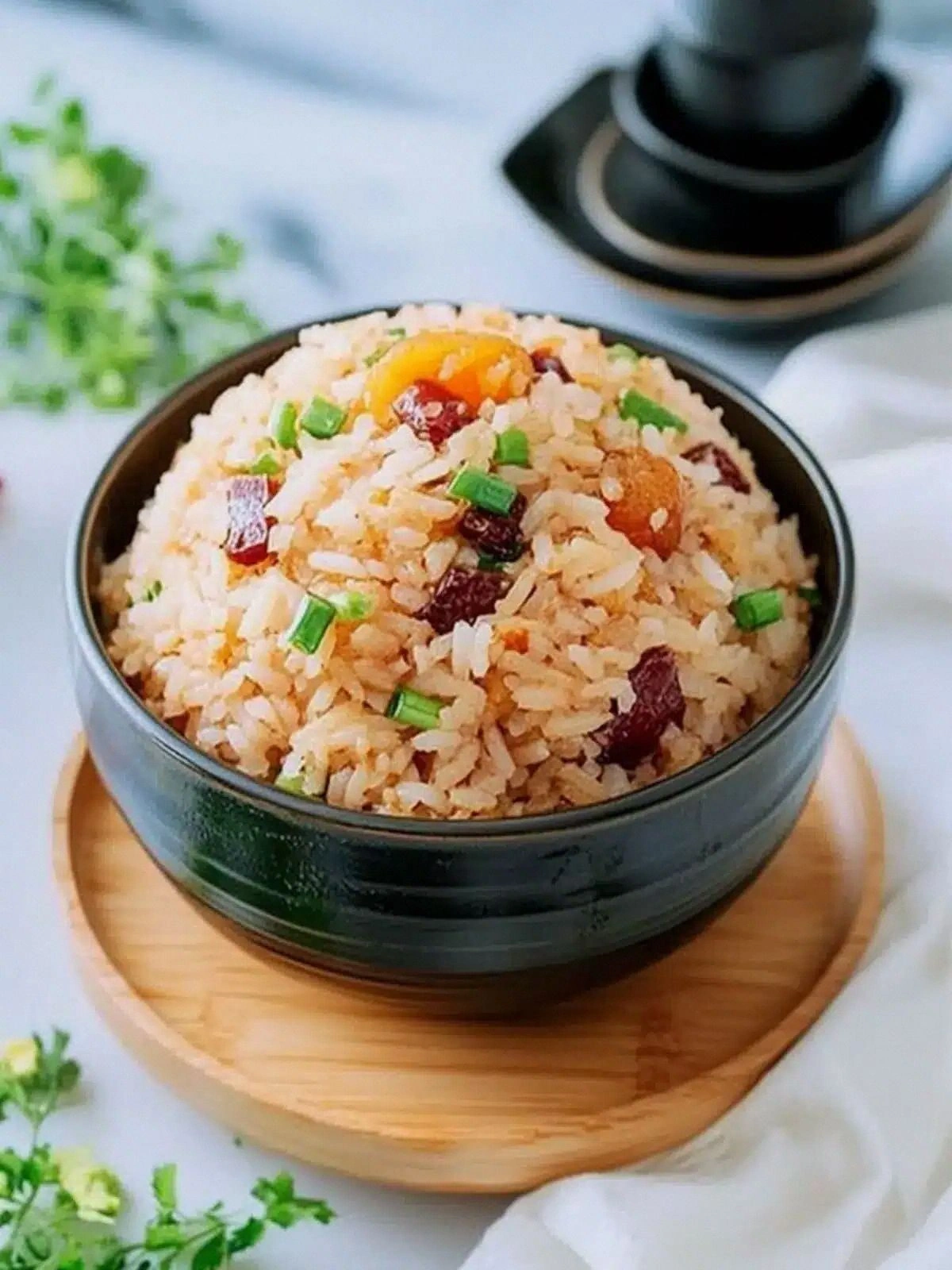
The first thing you notice is the aroma—rich, umami, with a hint of toasted sesame that practically drips down your nose. When you lift the lid, a cloud of steam rises, carrying the subtle sweetness of glutinous rice mingled with the savory depth of oyster sauce and soy. The sound is a gentle hiss, the kind that signals everything is on the right track. As you stir, the rice clings together like a velvety blanket, and the pork sizzles with a caramelized crust that crackles like thin ice. Every bite is a burst of umami, a whisper of ginger, and a satisfying chew that lingers long after the last morsel.
What sets this version apart isn’t just the use of a rice cooker—though that alone is a game changer—it’s the meticulous layering of flavors, the choice of premium ingredients, and the subtle techniques that elevate a humble dish into a showstopper. I’ve fine‑tuned the balance of sweet and salty, added a touch of heat that’s just enough to awaken the palate, and perfected the texture so the rice is sticky yet fluffy. The result is hands down the best version you’ll ever make at home, and I dare you to taste this and not go back for seconds.
The secret? A small, often overlooked ingredient that transforms the entire dish: a splash of oyster sauce in the rice cooker’s inner pot. It coats the grains like velvet, infusing them with a deep, briny sweetness that’s impossible to replicate with plain water. Combined with the ground pork and the Chinese sausages, the sauce creates a harmony that’s both comforting and exhilarating. Picture yourself pulling this out of the oven—no, the rice cooker—your kitchen smelling incredible, the steam curling like a fragrant cloud. That’s the moment you’ll be proud, and I’ll guide you through every single step—by the end, you’ll wonder how you ever made it any other way.
What Makes This Version Stand Out
- Taste: The combination of oyster sauce, soy sauce, and a dash of white pepper creates a layered umami profile that’s both deep and bright. The sweet undertones from the Chinese sausages balance the savory notes, while the fresh ginger adds a subtle zing that lifts the entire dish.
- Texture: The glutinous rice achieves the perfect sticky yet fluffy consistency, thanks to the precise water ratio and the gentle heat of the rice cooker. The pork and shrimp add a satisfying chew, while the dried shiitake mushrooms provide a chewy, earthy contrast.
- Simplicity: With just a handful of ingredients and a single appliance, you can produce a restaurant‑grade meal in under an hour. No need for a wok, no complicated stir‑fry techniques—just set it and forget it.
- Uniqueness: The inclusion of dried shiitake mushrooms and a splash of oyster sauce in the rice cooker is a twist that most home cooks overlook. This subtle addition gives the dish depth and a chewy texture that sets it apart from standard sticky rice recipes.
- Crowd Reaction: Friends and family are often amazed that such a simple dish can be so complex. The dish’s aroma alone can draw people in, and the first bite usually earns a standing ovation.
- Ingredient Quality: Using fresh ground pork, high‑quality Chinese sausages, and authentic Thai glutinous rice ensures that every bite is flavorful and authentic. The quality of the ingredients directly translates into the richness of the final product.
- Cooking Method: The rice cooker method eliminates the risk of burning the rice or overcooking the proteins. It also allows for a hands‑off approach, freeing you to prepare side dishes or set the table.
- Make‑Ahead Potential: This dish can be prepared in advance and reheated without losing its texture. The rice remains sticky, and the flavors meld even better when left to rest.
Inside the Ingredient List
The Flavor Base
Oyster sauce and soy sauce are the backbone of this dish, providing a deep, savory sweetness that coats every grain of rice. They also help the pork and shrimp caramelize slightly, adding a subtle crunch to the proteins. Skipping either sauce will result in a flat, uninspired flavor profile that feels like a missed opportunity.
The Texture Crew
Thai glutinous rice is the star of the show; its sticky yet fluffy texture is achieved by the precise water-to-rice ratio and the gentle heat of the rice cooker. Ground pork, ground into fine shreds, ensures a uniform bite that melts in your mouth, while the shrimp adds a delicate, briny chew. Dried shiitake mushrooms, soaked and sliced, bring a chewy, earthy element that balances the sweetness of the sausages.
The Unexpected Star
Chinese sausages, or lap cheong, are not just a garnish—they’re a flavor powerhouse. Their smoky, slightly sweet profile pairs wonderfully with the oyster sauce and adds a depth that is hard to replicate with other meats. If you’re vegetarian, replace them with marinated tofu cubes seasoned with soy sauce and a pinch of sugar.
The Final Flourish
Sesame oil, grated ginger, and garlic add aromatic complexity. The ginger brings a warm, peppery note, while the garlic provides a savory bite that cuts through the richness of the pork and sausages. A splash of tapioca starch, combined with the sesame oil, helps bind the mixture, giving the rice a glossy sheen and a slightly chewy finish.
Everything's prepped? Good. Let's get into the real action...
The Method — Step by Step
- Step 1: Prepare the Rice. Rinse the Thai glutinous rice under cold water until the water runs clear, then soak it for 30 minutes. Drain and place the rice into the rice cooker’s inner pot. Add 1.25 cups of water, ensuring the water level is just below the rice. Close the lid and set the rice cooker to the “White Rice” or “Sticky Rice” setting. The rice will start to steam, releasing a sweet fragrance that signals you’re on the right track.
- Step 2: Brown the Pork. While the rice is soaking, heat a large skillet over medium heat. Add 1 tablespoon of sesame oil, letting it shimmer. Toss in the ground pork, breaking it up with a spatula. Season with 1/2 teaspoon of white pepper and a pinch of salt. Cook until the pork is browned and fragrant, about 4-5 minutes. Remove from the skillet and set aside.
- Step 3: Sauté the Shrimp. In the same skillet, add the shrimp, a pinch of salt, and a splash of soy sauce. Stir until the shrimp turns pink and opaque, about 2-3 minutes. The shrimp should be tender but not rubbery. This quick sear locks in moisture and adds a pop of color to the dish.
- Step 4: Combine the Proteins. Return the browned pork and the sautéed shrimp to the skillet. Add 2 tablespoons of oyster sauce, 2 tablespoons of soy sauce, and a tablespoon of grated ginger. Stir until the sauces coat the meat and the mixture smells toasty. This step is the moment of truth—if the aromas are missing, you’re not ready for the next stage.
- Step 5: Add the Sausages. Slice the Chinese sausages into thin rounds. Toss them into the skillet with the pork and shrimp. The sausages will release their sweet, smoky oils, infusing the entire mixture with depth. Cook for an additional 2 minutes, allowing the flavors to meld.
- Step 6: Incorporate the Mushrooms. Drain the soaked shiitake mushrooms, reserving the soaking liquid for later. Slice the mushrooms thinly and add them to the skillet. The mushrooms will absorb the sauces, turning slightly translucent and adding a chewy texture.
- Step 7: Bind the Mixture. Sprinkle 1 tablespoon of tapioca starch over the skillet mixture. Stir vigorously to coat all the ingredients. The starch will create a glossy sheen and help bind the rice and proteins together.
- Step 8: Combine with Rice. When the rice cooker switches to the “Keep Warm” mode, open the lid and gently fluff the rice with a fork. Spoon the protein mixture evenly over the top of the rice. The steam will help the flavors meld, and the rice will absorb the sauce.
- Step 9: Final Simmer. Cover the rice cooker again and let everything steam together for 10 minutes. This final simmer allows the rice to soak up the sauces and the proteins to finish cooking.
- Step 10: Serve. Once the 10 minutes are up, fluff the rice one more time. Plate the sticky rice in shallow bowls, ensuring each serving has a generous portion of pork, shrimp, sausages, and mushrooms. Garnish with sliced scallions if desired, and serve immediately.
That's it—you did it. But hold on, I've got a few more tricks that'll take this to another level. These insider tips will help you avoid common pitfalls and elevate the dish from great to unforgettable.
Insider Tricks for Flawless Results
The Temperature Rule Nobody Follows
Many people think any rice cooker will do, but the key is using a model that offers a “Keep Warm” mode with a gentle heat setting. This ensures the rice stays moist without overcooking the proteins. If your cooker has a “Sticky Rice” setting, use it—otherwise, manually set the temperature to 90°C (194°F) for the final simmer.
Why Your Nose Knows Best
Before you close the lid for the final simmer, give the dish a quick sniff. A faint, toasted sesame aroma indicates the sauce has caramelized enough. If it smells too raw, give it an extra minute in the skillet before adding it to the rice.
The 5-Minute Rest That Changes Everything
After the rice cooker finishes, let the dish rest for exactly five minutes with the lid closed. This allows the steam to redistribute the flavors evenly, ensuring each bite is balanced. Skipping this rest often results in uneven seasoning.
The Garlic‑Ginger Balance
When sautéing the garlic, add it after the pork has browned to avoid burning. The ginger should be added at the same time as the garlic to allow its aroma to bloom fully. This timing ensures a harmonious blend of sharpness and warmth.
The Secret of the Sausages
Slice the Chinese sausages into rounds about 0.5 cm thick. Thinner slices will cook faster and release more oil, enhancing the overall flavor. If you prefer a milder taste, remove the skin before slicing.
Creative Twists and Variations
This recipe is a playground. Here are some of my favorite ways to switch things up:
Spicy Sichuan Twist
Add a tablespoon of Sichuan peppercorn paste and a pinch of red chili flakes to the skillet. The peppercorns give a numbing heat that complements the sweet sausages, while the chili flakes add a bright, fiery kick. This version is perfect for those who love a little heat.
Vegetarian Delight
Replace the ground pork with finely chopped mushrooms and add a splash of vegetable broth to the rice cooker. Use tofu cubes marinated in soy sauce and garlic for protein. The dish remains hearty and flavorful, with a plant‑based twist.
Seafood Sensation
Swap the shrimp for a mix of scallops and calamari. Sauté them separately to preserve their delicate texture. The seafood’s briny sweetness pairs beautifully with the sticky rice and savory sauces.
Herb‑Infused Freshness
Add a handful of fresh cilantro and a squeeze of lime juice before serving. The bright herb and citrus notes cut through the richness, creating a refreshing contrast that lingers on the palate.
Miso‑Marinated Version
Marinate the pork in a mixture of white miso paste, sake, and a touch of sugar for 30 minutes before cooking. The miso adds depth and umami, turning the dish into an even more complex culinary experience.
Breakfast Bounty
Serve the sticky rice with a side of scrambled eggs and a drizzle of soy sauce. This transforms the dish into a hearty breakfast that keeps you energized throughout the day.
Storing and Bringing It Back to Life
Fridge Storage
Cool the dish to room temperature, then transfer it to an airtight container. Store in the refrigerator for up to three days. The rice will maintain its sticky texture, and the flavors will deepen, creating a more robust taste.
Freezer Friendly
For longer storage, portion the rice into single servings and wrap each in parchment paper before placing them in a freezer bag. Freeze for up to two months. Thaw overnight in the refrigerator, then reheat as described below.
Best Reheating Method
To reheat, sprinkle a tablespoon of water over the rice and cover it with foil. Warm in the microwave on medium for three minutes, or on the stovetop over low heat, stirring occasionally. Add a splash of water before reheating to steam back to perfection and restore the rice’s original chewiness.