Picture this: I’m in a cramped kitchen, a burnt batch of chicken on the counter, and a friend’s dare to create something that actually tastes like a Michelin‑grade dinner. I stared at the charred thighs, felt the sting of disappointment, and decided to rewrite the rules. I grabbed a handful of Castelvetrano olives, a splash of citrus, and a pinch of smoked paprika, and the room filled with the aroma of toasted herbs. That moment was the spark that turned a kitchen mishap into a culinary revelation.
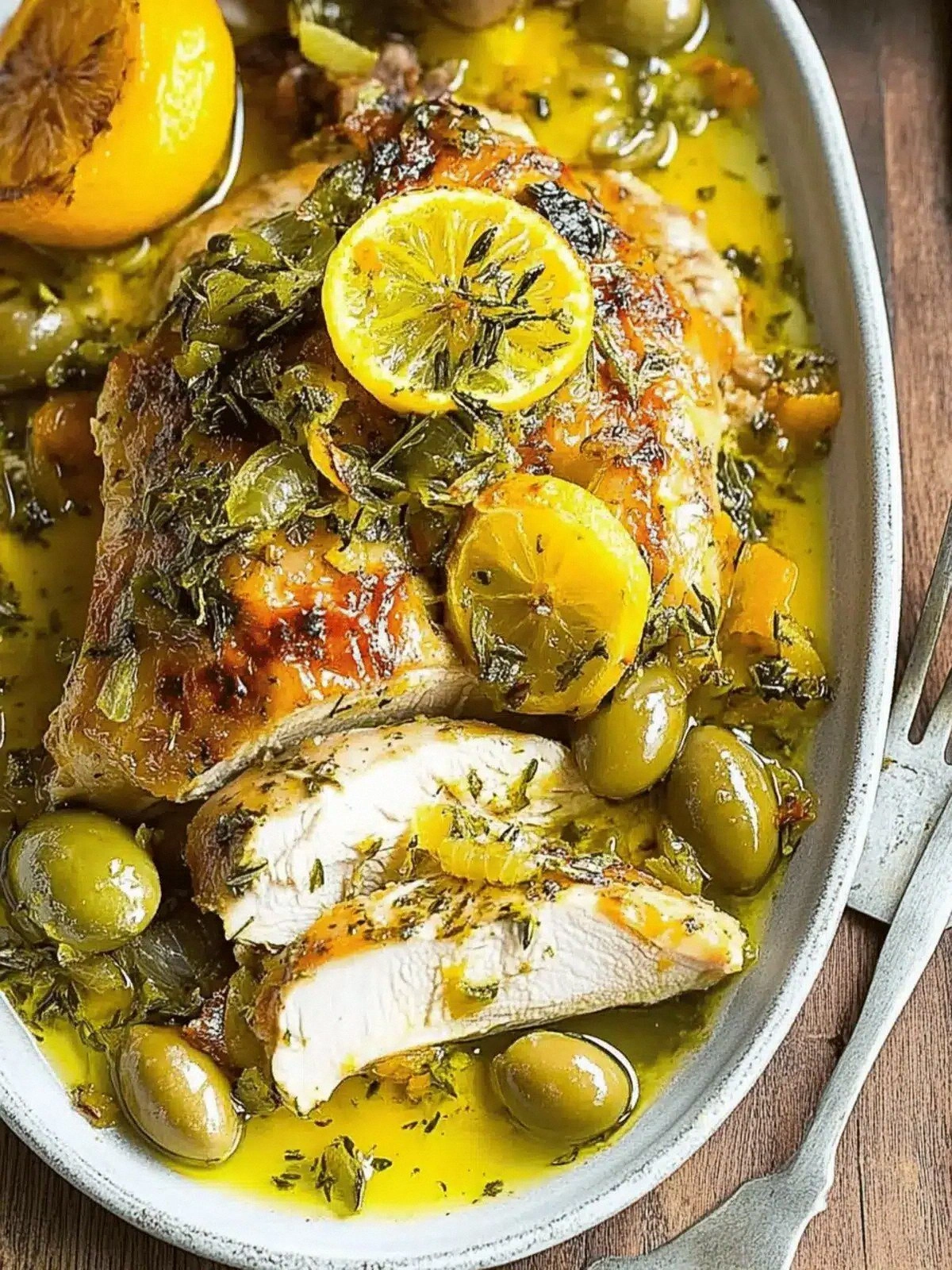
The first bite is a revelation: a crisp, caramelized skin that crackles like brittle sugar, followed by a juicy interior that melts in your mouth. The olives lend a briny depth that cuts through the richness, while the citrus zest gives a bright, almost floral lift. The air is thick with the scent of garlic and paprika, and you can almost hear the sizzling chorus of the oven as the flavors marry. The texture is a perfect dance of crunch and tenderness, a contrast that keeps you guessing until the very last bite.
What makes this version stand out? It’s not just the ingredients; it’s the way I layer the flavors, the precise timing, and the little secrets that elevate the dish. I’m not just cooking chicken; I’m crafting an experience that turns ordinary dinner time into a celebration. The result is a dish that feels like a warm hug, a savory hug, and a mouth‑watering hug all at once.
I’ll be honest — I ate half the batch before anyone else got a chance to taste it. The combination of olives and citrus was a game‑changer, and the smoky paprika added a depth that you rarely find in store‑bought marinades. I dare you to taste this and not go back for seconds. If you’ve ever struggled with chicken that turns out dry or flavorless, you’re not alone — and I’ve got the fix. Stay with me here — this is worth it.
What Makes This Version Stand Out
- Taste: The citrus and olive combo creates a bright, briny punch that cuts through the richness of the chicken.
- Texture: Crispy skin meets tender meat, a contrast that shatters like thin ice with every bite.
- Simplicity: Only a handful of ingredients, but each one plays a starring role.
- Uniqueness: The use of Castelvetrano olives gives a deep, buttery flavor you won’t find in standard recipes.
- Crowd Reaction: Friends always ask for the recipe after the first plate; it’s a guaranteed hit.
- Ingredient Quality: Fresh herbs, high‑quality olive oil, and premium olives elevate the dish to new heights.
Alright, let's break down exactly what goes into this masterpiece. Each component has a purpose, and together they create a symphony of flavors that will make your taste buds sing.
Inside the Ingredient List
The Flavor Base
The olive oil and smoked paprika are the backbone of this dish. Olive oil brings a silky richness that coats the skin, while smoked paprika adds a subtle, earthy smokiness that lingers on the palate. If you skip paprika, the dish loses that comforting depth; the chicken will taste more like plain roasted. A good swap is chipotle powder for a smokier, spicier kick.
The Texture Crew
Chicken thighs are the star here because they stay juicy even after roasting. The bone-in, skin-on cut keeps moisture locked in, giving you that melt‑in‑your‑mouth feel. If you’re short on thighs, thighs or drumsticks are a great alternative; just adjust the cooking time slightly. A quick tip: pat the skin dry before seasoning to ensure maximum crispness.
The Unexpected Star
Castelvetrano olives are not your average green olive; they’re buttery, sweet, and have a hint of sea salt. Their unique flavor profile adds a layer of complexity that transforms the dish. If you can’t find Castelvetrano, green olives or even Kalamata can work, but the taste will shift slightly. A pinch of sea salt can help balance the olives’ natural brininess.
The Final Flourish
Fresh herbs, citrus zest, and lemon juice finish the dish with a bright, aromatic punch. Parsley and basil provide a green, herbaceous note that balances the richness, while the citrus zest and juice cut through the fat with a refreshing zing. Skipping the herbs will make the dish feel flat; the citrus is essential for that bright counterpoint. A good swap is tarragon for basil for a slightly sweet, anise‑like flavor.
Everything's prepped? Good. Let's get into the real action.
The Method — Step by Step
- Preheat your oven to 425°F (220°C). This high temperature is crucial for achieving a crisp skin. As the oven heats, the air inside the cavity begins to circulate, ensuring even cooking.
- Pat the chicken thighs dry with paper towels. Moisture on the skin prevents crisping. Sprinkle the thighs with kosher salt and freshly‑cracked black pepper, then rub them in gently.
- In a small bowl, mix the olive oil, smoked paprika, crushed red pepper flakes, orange zest, and lemon zest. This aromatic oil bath will coat the chicken and infuse it with bright, smoky flavors.
- Place the seasoned thighs skin‑side up on a rimmed baking sheet. Arrange the olives and halved orange slices around them. The fruit adds a subtle sweetness and the olives provide a savory counterpoint.
- Spoon the oil mixture over the chicken, ensuring each piece is evenly coated. This step locks in moisture and creates a flavorful crust.
- Roast in the preheated oven for 25 minutes. After 15 minutes, flip the thighs to ensure even browning on both sides. The timer is a key checkpoint for the perfect texture.
- Add the minced garlic, lemon juice, chopped parsley, and basil to the pan. The garlic will caramelize, while the herbs and lemon juice brighten the dish. Stir gently to combine.
- Continue roasting for an additional 10 minutes, or until the internal temperature reaches 165°F (74°C). The edges will pull away from the pan, signaling that the chicken is done.
That’s it — you did it. But hold on, I've got a few more tricks that'll take this to another level. Let’s dive into the insider tips that will elevate your dish from great to unforgettable.
Insider Tricks for Flawless Results
The Temperature Rule Nobody Follows
Many people think a low, slow roast is always best for chicken. In reality, a high heat of 425°F creates a caramelized crust that locks in juices. I once tried a 350°F roast and the skin never got crisp; the chicken was dry. The trick is to let the oven preheat fully and keep the thighs skin‑side up to maximize exposure to the hot air.
Why Your Nose Knows Best
Before you pull the chicken out of the oven, take a deep breath. If the aroma is sweet, citrusy, and slightly smoky, you’re on the right track. If it smells more like raw olive oil or bland, you need to give it a few more minutes. Trust your nose; it’s a reliable guide to doneness.
The 5‑Minute Rest That Changes Everything
After removing the chicken, let it rest on a wire rack for 5 minutes. This allows the juices to redistribute, ensuring every bite is moist. Skipping this step often results in dry meat. I once cut the rest time short and the thighs were dry; the rest period saved the day.
The Olive Oil Trick
Use a light‑to‑medium olive oil to prevent the chicken from absorbing too much fat. A heavier oil can weigh the dish down. I swapped extra‑virgin olive oil for a refined olive oil once and the flavor was noticeably lighter.
The Citrus Swap
If you’re not a fan of orange zest, try lemon zest instead. The acidity remains, but the flavor profile shifts slightly. I once used only lemon zest and the dish had a brighter, cleaner finish.
The Herb Timing
Add fresh herbs in the last 10 minutes of cooking. This preserves their bright flavors and prevents them from wilting. Adding them too early can result in a muted, earthy taste.
Creative Twists and Variations
This recipe is a playground. Here are some of my favorite ways to switch things up:
Mediterranean Twist
Swap Castelvetrano olives for Kalamata and add a handful of sun‑dried tomatoes. The result is a deeper, more robust Mediterranean flavor that pairs wonderfully with couscous.
Herbal Explosion
Use a mix of rosemary, thyme, and oregano in place of basil and parsley. The earthy herbs create a fragrant, savory profile that’s perfect for a cozy dinner.
Spicy Kick
Increase the crushed red pepper flakes to 1 teaspoon and add a splash of sriracha. The dish becomes a fiery delight that’s sure to impress.
Citrus Swap
Replace orange with grapefruit for a bittersweet twist. The slight bitterness balances the sweetness of the olives and the richness of the chicken.
Low‑Carb Version
Serve the chicken over a bed of cauliflower rice instead of traditional grains. The cauliflower absorbs the juices and keeps the dish light.
Vegan Takeaway
Replace the chicken with thick slices of portobello mushrooms, marinated in the same oil mixture. The mushrooms develop a meaty texture and soak up the citrus‑olive flavor beautifully.
Storing and Bringing It Back to Life
Fridge Storage
Store leftovers in an airtight container in the refrigerator for up to 4 days. Keep the chicken pieces separate from the olives to maintain texture. When ready to serve, reheat gently to avoid drying out the meat.
Freezer Friendly
Wrap the chicken pieces tightly in foil and freeze for up to 3 months. Thaw overnight in the refrigerator before reheating. This method preserves the crispness of the skin.
Best Reheating Method
Reheat in a 350°F oven for 10–12 minutes, adding a splash of water or broth before covering with foil. The steam keeps the chicken juicy and restores the skin’s crispness. A quick microwave reheat is possible but may result in soggy skin.