I was standing in my kitchen, watching a pot of ramen steam, when my friend dared me to turn a humble ground beef batch into something that could outshine a restaurant takeout. I stared at the 1 lb of lean beef on the counter and thought, “If I can make this taste like a five‑star dish, I’ll finally win that bragging rights trophy.” The moment was absurdly simple yet wildly ambitious—an ordinary pantry staple, a dash of courage, and a promise of flavor fireworks. That dare set the stage for a culinary experiment that would soon become my go‑to comfort food.
Picture the kitchen: the clatter of the stove, the metallic hiss as oil hits hot pan, the aroma of garlic and ginger blooming like a sunrise in a bowl. My eyes followed the sizzle, the ground beef browning into a caramelized crust, the cabbage turning a translucent, emerald green. The sound of the skillet was a rhythmic drumbeat, each stir punctuated by a gentle pop that echoed through the room. I could almost taste the savory umami, feel the heat from the pan, and hear the satisfied sigh of a family gathering around the table. This sensory symphony turned a simple stir‑fry into a moment of pure culinary joy.
What makes this version stand out? It’s not just the ingredients; it’s the philosophy behind each choice. I stripped away excess oil, replaced heavy sauces with a balanced blend of soy and sesame, and introduced a crunchy cabbage that keeps the dish light yet filling. The result is a dish that feels like a hug in a bowl—rich, comforting, yet surprisingly fresh. It’s a recipe that proves you can have the flavor of a restaurant and the health benefits of a home‑cooked meal without compromising either. Trust me, this is hands down the best version you'll ever make at home.
And here’s the kicker—there’s a secret technique that most recipes miss: I fold in a splash of sesame oil at the very end, right before serving, to give the dish a glossy, almost lacquered finish. That single step turns a plain stir‑fry into a showstopper that will make your guests ask for the recipe. Picture yourself pulling this out of the pan, the whole kitchen smelling incredible, and everyone leaning forward to taste the first bite. Let me walk you through every single step—by the end, you'll wonder how you ever made it any other way.
What Makes This Version Stand Out
- Taste: The flavor profile balances sweet, salty, and umami with a subtle heat from red pepper flakes, creating a complex yet harmonious bite.
- Texture: Fresh cabbage adds a satisfying crunch that contrasts the tender beef, preventing the dish from becoming mushy.
- Health: Using lean ground beef and minimal oil keeps calories in check while still delivering protein and essential nutrients.
- Speed: The entire dish can be prepared in under 30 minutes, making it an ideal weeknight dinner.
- Versatility: The base can be paired with rice, noodles, or served as a filling for tacos or lettuce wraps.
- Crowd‑Pleaser: The familiar flavors with a modern twist make it a hit with both kids and adults alike.
- Make‑Ahead Friendly: The dish tastes even better the next day, so you can prep ahead and save time.
Inside the Ingredient List
The Flavor Base
Soy sauce and sesame oil form the backbone of this dish, delivering depth and a silky finish. The soy sauce adds saltiness and umami, while the sesame oil injects a nutty aroma that lingers long after the meal. Skipping either would leave the dish feeling flat; you’d need an extra splash of soy or a drizzle of toasted sesame to compensate. For a low‑sodium alternative, look for reduced‑sodium soy or tamari, but keep in mind the flavor will shift slightly.
The Texture Crew
Cabbage is the star of the texture crew, offering a crisp bite that balances the chewiness of the beef. The 4 cups of shredded cabbage are chosen to ensure each mouthful has that satisfying crunch. If you prefer a softer texture, cook the cabbage for an extra minute or two, but be careful not to overcook it or it will lose its bright color. A quick rinse before shredding helps remove excess starch, keeping the dish from becoming gummy.
The Unexpected Star
Fresh ginger isn’t just a garnish—it’s a flavor powerhouse. It cuts through the richness of the beef and adds a zesty, almost citrusy brightness that keeps the dish from feeling heavy. If you’re not a fan of ginger’s sharpness, you can reduce it to ½ tablespoon, but then the dish will lean more toward a traditional Chinese flavor profile. A small note: ginger’s natural oils are volatile, so add it early to preserve its aroma.
The Final Flourish
Red pepper flakes bring a gentle heat that’s noticeable but not overwhelming. They also add a pop of color, giving the dish a vibrant look that makes it Instagram‑ready. If you’re sensitive to spice, you can omit the flakes entirely; the dish will still taste fantastic. For those who love a kick, add a pinch of cayenne or a dash of sriracha for an extra punch.
Everything’s prepped? Good. Let’s get into the real action.
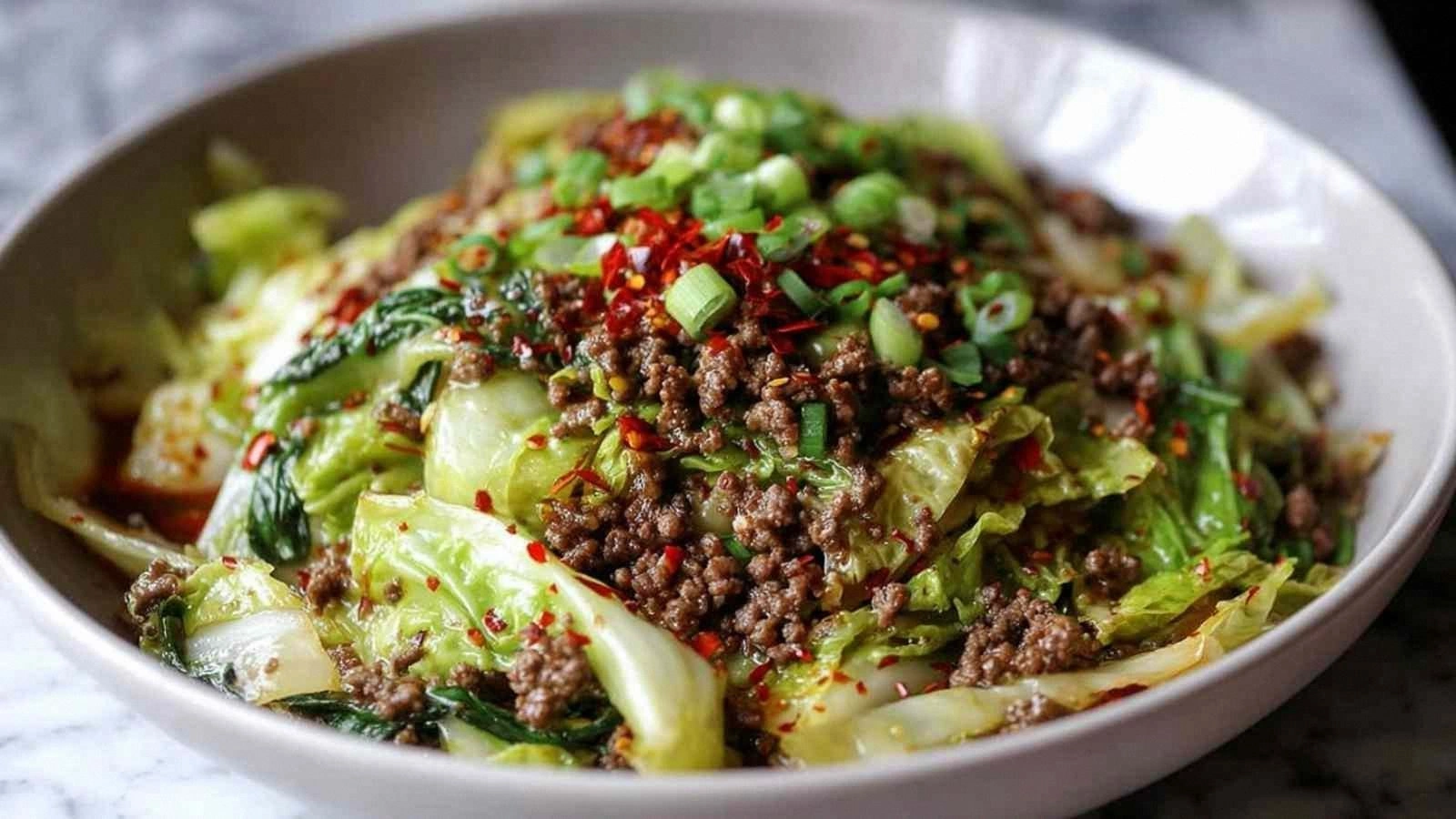
The Method — Step by Step
- Heat a large skillet over medium‑high heat and add 1 tablespoon of olive oil. Watch the oil shimmer; that’s the cue that the pan is ready. Add the minced garlic and grated ginger, stirring constantly to prevent burning. The aromatics should release a fragrant steam in about 30 seconds, signaling that the base is ready. Don’t rush this step—over‑toasting will give a bitter edge.
- Introduce the ground beef, breaking it apart with a spatula. Let it sear untouched for 2–3 minutes before stirring; this develops a caramelized crust that adds depth. Season with a pinch of salt and pepper, and stir to combine. The beef should be browned all over, not just on the surface. This step is the moment of truth—if you rush, you’ll end up with a greasy, unevenly cooked batch.
- Pour in the soy sauce and sprinkle the red pepper flakes. Stir to coat the beef evenly, allowing the sauce to reduce slightly. The mixture should thicken a bit, creating a glossy glaze that clings to each piece of meat. The aroma should now be a warm, savory invitation.
- Add the shredded cabbage, tossing it into the pan. Cook for 3–4 minutes, letting the cabbage wilt just enough to retain its crunch. The edges should start pulling away from the pan, indicating that the cabbage is cooked but still crisp. If you prefer a softer cabbage, let it steam for an additional minute or two.
- Stir in the sesame oil, allowing it to coat the mixture and impart a glossy sheen. This is the final flavor boost that makes the dish shine. The sesame oil should give the stir‑fry a subtle nutty aroma that elevates the entire plate.
- Taste and adjust seasoning if needed. Add a pinch of salt or a splash of soy sauce to balance the flavors. Remember that the beef is lean, so the dish won’t be overly fatty. A quick taste test ensures the sauce isn’t too salty or too bland.
- Serve immediately over steamed rice, quinoa, or noodles. Garnish with sliced scallions or a sprinkle of toasted sesame seeds for an extra visual pop. The dish should look vibrant, with a glossy sheen and bright green cabbage.
- If you’re planning to eat leftovers, let the dish cool, then refrigerate in an airtight container. When reheating, add a splash of water or broth to keep the mixture moist. Reheat over low heat, stirring occasionally to prevent sticking.
That's it — you did it. But hold on, I've got a few more tricks that'll take this to another level.
Insider Tricks for Flawless Results
The Temperature Rule Nobody Follows
Heat is everything in a stir‑fry. A pan that’s too hot will sear the beef too quickly, leaving it dry. Conversely, a pan that’s too cool will cause the beef to steam rather than brown. Aim for medium‑high heat and let the pan reach a steady temperature before adding oil. A simple test: flick a drop of water into the pan—if it dances and evaporates instantly, you’re ready.
Why Your Nose Knows Best
Smell is the first cue that tells you the dish is on track. A fragrant, caramelized beef aroma indicates proper browning. If the smell is metallic or burnt, the pan is over‑heated. Trust your nose to adjust the heat in real time, ensuring a balanced flavor profile.
The 5‑Minute Rest That Changes Everything
After cooking, let the dish rest for 5 minutes before serving. This allows the juices to redistribute, ensuring each bite is juicy and flavorful. A friend once skipped this step, and the beef tasted flat and dry. The rest period is simple but essential.
The Right Oil Pairing
Using both olive oil and sesame oil gives you a clean sauté base with a final nutty finish. Olive oil’s high smoke point makes it ideal for the initial sear, while sesame oil’s low smoke point is perfect for finishing. Mixing them prevents the dish from becoming greasy while adding depth.
The Secret to Crunchy Cabbage
To keep cabbage crisp, add a pinch of salt before cooking. Salt draws out moisture, preventing sogginess. Toss the cabbage with a little salt, let it sit for a minute, then add it to the pan. The result is a crunchy, bright green bite that holds up against the savory beef.
Creative Twists and Variations
Spicy Kimchi Kick
Swap the cabbage for a cup of chopped kimchi and reduce the red pepper flakes. The fermented tang pairs beautifully with the beef, creating an Asian fusion dish that’s both spicy and sour. This variation is perfect for those who love bold, complex flavors.
Thai Basil Fusion
Add a handful of fresh Thai basil leaves at the end and replace the soy sauce with fish sauce. The basil’s sweet, peppery notes add a fresh contrast to the savory beef. Serve over jasmine rice for an authentic Thai twist.
Mediterranean Twist
Replace the soy sauce with a splash of balsamic vinegar and add diced sun‑dried tomatoes. The acidity balances the beef, while the tomatoes introduce a chewy texture. This version is great for a Mediterranean‑inspired dinner.
Vegan Version
Use crumbled tempeh or textured vegetable protein in place of beef. Keep the rest of the ingredients the same, and the dish will still deliver that savory, umami punch. This is ideal for plant‑based diners who crave a hearty meal.
Low‑Carb Delight
Serve over cauliflower rice instead of regular rice, and add a handful of sliced bell peppers for extra crunch. The low‑carb option keeps the dish light while maintaining the rich flavors. It’s a great choice for keto or paleo enthusiasts.
Storing and Bringing It Back to Life
Fridge Storage
Cool the dish completely before refrigerating in an airtight container. Store in the fridge for up to 3 days. The beef will stay juicy, and the cabbage will retain some crunch if you reheat it gently.
Freezer Friendly
For longer storage, freeze the stir‑fry in freezer‑safe bags or containers. Label with the date and consume within 2 months. Thaw overnight in the fridge, then reheat in a skillet with a splash of water to restore moisture.
Best Reheating Method
Reheat over medium heat, stirring frequently. Add a small amount of water or broth to keep the mixture from drying out. The dish should steam back to a piping hot, aromatic state within 5 minutes.