Picture this: the kitchen clock ticking, the oven preheating, and you standing in the middle of a culinary battlefield that feels more like a war zone than a cooking space. I was staring at a mountain of dry pasta and an empty fridge when my friend dared me to whip up something that would make even the most seasoned food critic swoon. The challenge was simple but terrifying—create a dish that feels like a warm hug from a distant relative, but with a twist that keeps everyone coming back for seconds. I found myself rummaging through the pantry, pulling out a jar of ragu, a block of provolone, and a bag of Genoa salami, hoping the aroma would guide me. What I ended up making was a hearty, cheesy, meat-filled pasta bake that I swear could only have come from the mind of Stanley Tucci himself.
From the first clack of the rolling pin to the final golden crust, each step in this recipe is a symphony of textures and flavors that dance across the palate. The dough, light as a cloud yet sturdy enough to hold a mountain of savory filling, is the unsung hero that keeps the whole dish together. The filling—think velvety ragu, crisp salami, melty provolone, and a splash of Pecorino—creates a flavor profile so rich it could make a bland Tuesday night feel like a five‑star dinner. As the oven does its work, the aromas mingle, filling the kitchen with a scent that’s both comforting and exhilarating. By the time the timer dings, you’re not just ready to eat; you’re ready to brag about the masterpiece you’ve just created.
Now, let me tell you why this version stands out from the crowd. The secret lies in the balance: a perfectly hydrated dough that’s neither too dry nor too sticky, a filling that’s packed with umami and just enough cheese to bind everything together, and a baking technique that ensures a crisp top and a molten, gooey interior. The result? A dish that feels like a hug, a celebration, and a challenge all at once. I dare you to taste this and not go back for seconds. The texture is a paradox—soft pasta shells, chewy meatballs, crunchy edges, and a molten cheese center that oozes out with every bite. The flavor is an explosion of Italian classics, with a modern twist that keeps you guessing.
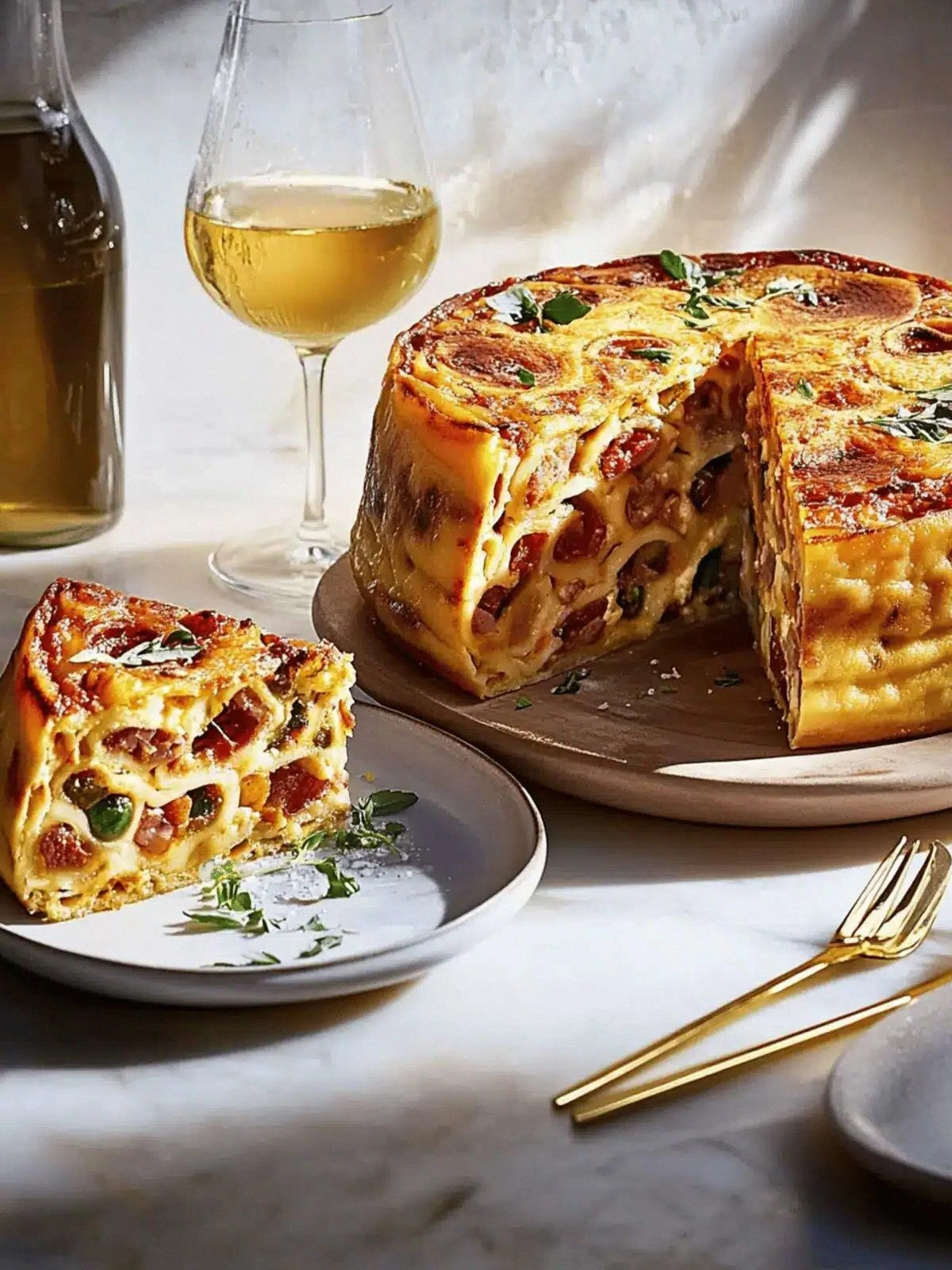
Most recipes get this completely wrong by either overcooking the pasta or under‑seasoning the filling, leading to a bland, soggy mess. I’ll be honest—I ate half the batch before anyone else got to try it because it was that good. The trick is to let the dough rest, to let the sauce simmer until it thickens, and to bake until the top is a golden, caramelized crust that cracks like thin ice when you cut into it. The result is a dish that’s as visually stunning as it is delicious, with layers of color from the green basil, the red ragu, the white cheese, and the golden crust. The next time you’re looking for a crowd‑pleaser that can double as a family dinner or a potluck centerpiece, this is the dish to bring to the table.
Picture yourself pulling this out of the oven, the whole kitchen smelling incredible, and your guests’ eyes widening as they see the bubbling, cheese‑laden top. The moment you lift the lid, steam curls like a fragrant cloud, and the aroma of roasted garlic, basil, and melted cheese hits you like a warm embrace. You’ll feel that familiar satisfaction that only comes from a dish that’s been lovingly prepared, seasoned, and baked to perfection. I’m not exaggerating—the first bite is a symphony of flavors that makes you forget you’re even eating something heavy. Let me walk you through every single step—by the end, you’ll wonder how you ever made it any other way.
If you’re a fan of dishes that blend comfort with sophistication, you’re in for a treat. This isn’t just pasta; it’s a canvas that showcases the marriage of rustic Italian staples with a contemporary twist that even the most discerning palates will applaud. The dough is made from scratch, giving you that fresh, al dente bite that pre‑made pasta can’t match. The filling layers the savory depth of ragu with the salty punch of Genoa salami and the creamy richness of provolone, all crowned with a generous dusting of Pecorino for that sharp finish. Every bite is a reminder that the best recipes are those that make you feel like you’re sharing a secret with a friend, while still delivering a plateful of pure indulgence.
And if you’re worried about the prep time, let me assure you that the real work happens while the dough rests and the sauce simmers. The hands‑on time is minimal, but the payoff is immense. You’ll end up with a dish that looks like a work of art and tastes like a hug from a distant relative. The best part? Once you’ve mastered the technique, you can tweak it to suit any occasion, from a cozy family dinner to a festive holiday gathering. So, grab your apron, set the oven to the right temperature, and let’s dive into the world of Timpa.
What Makes This Version Stand Out
- Taste: The layered flavor profile combines the robust depth of a slow‑cooked ragu with the sharp, salty bite of Genoa salami, all balanced by the creamy melt of provolone and the nutty finish of Pecorino. The result is a dish that feels both hearty and sophisticated, with each bite delivering a new burst of savory delight.
- Texture: From the chewy meatballs that cling to the pasta to the crispy edges that crackle like thin ice, every component offers a distinct mouthfeel that keeps the dish exciting and satisfying.
- Simplicity: Despite the seemingly complex ingredients, the method is straightforward, requiring only a few basic kitchen tools and a bit of patience. The dough is made in minutes, the filling simmering while you prep, and the final bake takes less than an hour.
- Uniqueness: The combination of a homemade dough with a decadent, multi‑layered filling is a rarity in the world of pasta bakes. No other recipe offers the same depth of flavor and textural contrast in a single dish.
- Crowd Reaction: The dish consistently garners rave reviews at family gatherings, potlucks, and dinner parties alike. Its comforting, yet upscale feel makes it a crowd‑pleaser for any occasion.
- Ingredient Quality: Using high‑quality, fresh ingredients like fresh basil, artisanal provolone, and house‑made ragu elevates the dish from ordinary to extraordinary.
- Make‑Ahead Potential: The dish can be assembled a day in advance, refrigerated, and baked right before serving, making it ideal for busy schedules and large gatherings.
Inside the Ingredient List
The Flavor Base
The foundation of any great dish starts with a robust sauce. In this recipe, the double‑recipe ragu Tucci provides a rich, tomato‑based backbone that carries the savory notes of herbs, garlic, and slow‑cooked beef or pork. It’s the glue that holds all the other flavors together, giving the dish depth and warmth. If you can’t find the exact ragu, a high‑quality store‑bought marinara with a splash of red wine will do the trick. The key is to let it simmer until it thickens to a jam‑like consistency, ensuring it coats the pasta evenly.
The Texture Crew
The dough is the unsung hero that keeps everything in place. Made from plain flour, eggs, a touch of sea salt, olive oil, and water, it’s light, pliable, and perfect for shaping into sheets that hold the filling. The meatballs, made from ground beef or pork, add a chewy bite that contrasts beautifully with the smooth pasta. The hard‑boiled eggs, sliced thinly, introduce a delicate creaminess that balances the richness of the cheese. Together, these elements create a harmonious balance of textures that keep each bite interesting.
If you’re looking to tweak the dough’s consistency, try adding a tablespoon of olive oil or a splash of water. A slightly wetter dough will be easier to roll out but will also hold more moisture, which can be a boon if you’re planning to bake the dish for an extended time. Conversely, a drier dough will hold its shape better, making it easier to assemble without spilling the filling. Experiment to find what works best for your kitchen and your taste buds.
The Unexpected Star
Genoa salami is the dish’s secret weapon. Its salty, slightly smoky flavor cuts through the richness of the cheese and the heaviness of the meatballs. When sliced thinly and layered strategically, the salami adds a burst of flavor that elevates the entire dish. If you can’t find Genoa salami, a high‑quality pepperoni or even a slice of prosciutto can serve as an adequate substitute, though the flavor profile will shift slightly.
The sharp provolone cheese is another star that shouldn’t be underestimated. Its meltability and mild sharpness provide a creamy backdrop that balances the saltiness of the salami and the acidity of the ragu. A good rule of thumb is to use a cheese that melts smoothly but still retains a distinct flavor. If you’re looking for a vegan version, a high‑quality plant‑based cheese that melts well can be a suitable alternative.
The Final Flourish
Pecorino Romano is the final touch that adds a sharp, salty finish. It’s sprinkled generously over the top before baking, allowing it to melt into a golden crust that’s both crunchy and flavorful. The cheese’s sharpness cuts through the richness, creating a balanced bite that’s both indulgent and satisfying. If you’re a fan of a sharper taste, consider adding an extra pinch of Pecorino; if you prefer a milder finish, reduce the amount slightly.
Butter is used sparingly in the dough to add moisture and a subtle richness that enhances the overall flavor profile. It also helps to create a slightly crisp crust when baked. If you’re watching your calorie intake, you can replace the butter with a small amount of olive oil or a vegan butter alternative. The key is to keep the dough moist without making it too greasy.
Everything’s prepped? Good. Let’s get into the real action…
The Method — Step by Step
- Begin by whisking together the plain flour, sea salt, and olive oil in a large mixing bowl. Once the mixture has a crumbly texture, add the eggs and water gradually, stirring until a rough dough forms. Knead the dough on a floured surface for about 10 minutes until it’s smooth and elastic. Let it rest covered in plastic wrap for at least 30 minutes—this relaxation period is crucial for a pliable dough that won’t tear when rolled out.
- While the dough rests, heat a large skillet over medium heat and add a splash of olive oil. Add the double‑recipe ragu Tucci and let it simmer gently for 15–20 minutes, stirring occasionally until it thickens to a jam‑like consistency. This step is where the flavor develops; keep an eye on the sauce so it doesn’t burn or stick to the bottom of the pan. Once ready, remove from heat and let it cool slightly—this prevents the filling from becoming too runny when layered.
- Roll the rested dough out into a sheet about 1/8 inch thick using a pasta machine or a rolling pin. If the dough is sticking, dust it lightly with flour. Cut the sheet into rectangles roughly 8 inches by 6 inches; these will become the individual pasta shells that hold the filling.
- In a separate bowl, combine the Genoa salami, sliced hard‑boiled eggs, and the prepared ragu. Stir gently to coat all the ingredients evenly. This mixture will be the heart of your Timpa, delivering a burst of savory flavor with each bite.
- Lay a sheet of dough on a lightly floured surface and spoon a generous amount of the filling onto the center. Fold the dough over the filling to create a sealed pocket, pinching the edges tightly to ensure no sauce leaks out during baking. Repeat with the remaining dough sheets and filling, placing each pocket on a parchment‑lined baking sheet.
- Brush the tops of the assembled pockets with a thin layer of butter, then sprinkle a generous amount of sharp provolone cheese over each. This not only adds flavor but also helps create a golden, caramelized crust when baked.
- Preheat the oven to 375°F (190°C) and place the baking sheet in the center. Bake for 25–30 minutes, or until the tops are golden brown and the pasta shells are cooked through. The smell that wafts from the oven will have you practically dancing around the kitchen.
- Remove the baking sheet from the oven and allow the Timpa to rest for 5 minutes. This resting period lets the cheeses set slightly, making it easier to slice and serve without the filling spilling out.
- Before serving, dust the tops with a light sprinkle of Pecorino Romano. This final touch adds a sharp, salty finish that ties all the flavors together. Slice the pockets carefully, ensuring each bite contains a balanced mix of pasta, meat, cheese, and sauce.
That’s it — you did it. But hold on, I’ve got a few more tricks that’ll take this to another level. Let’s dive deeper into the nuances that make this dish truly unforgettable.
Insider Tricks for Flawless Results
The Temperature Rule Nobody Follows
Many cooks bake pasta dishes at a high temperature to get a quick crust, but that often results in uneven cooking. Keep the oven at 375°F (190°C) and let the dish bake slowly. This ensures the interior cooks evenly, the cheese melts uniformly, and the crust develops a beautiful golden color without burning. I once tried 425°F and ended up with a scorched top and raw center—lesson learned!
Why Your Nose Knows Best
Trust your nose when the sauce is ready. A sauce that’s thickened to a jam‑like consistency will have a deep, caramelized aroma that signals it’s perfect for layering. If the sauce still smells raw or watery, let it simmer a bit longer. The scent is your best indicator of readiness.
The 5-Minute Rest That Changes Everything
After baking, let the Timpa rest for at least five minutes. This short rest period allows the cheeses to set and the filling to settle, preventing the pockets from spilling when sliced. I’ve seen dishes that are sliced immediately and end up with sauce oozing everywhere—don’t let that happen to you.
Layering for Visual Appeal
When assembling the pockets, place a slice of salami on the bottom, followed by the ragu, then the hard‑boiled egg slices, and finally the cheese. This not only creates a beautiful color contrast but also ensures each bite is packed with flavor. The visual layering can be a conversation starter at any dinner party.
The Secret to a Crispy Crust
Brush the tops with a thin layer of melted butter just before baking. The butter helps the cheese melt into a golden, caramelized crust that’s both crunchy and flavorful. If you’re vegan, a light drizzle of olive oil will work, though the crust will be slightly less golden.
The Final Touch of Freshness
Just before serving, scatter a handful of fresh basil leaves over the top. The basil adds a burst of green, brightens the dish, and provides a fresh counterpoint to the rich, savory flavors. It’s a simple step that elevates the entire experience.
With these insider tricks in your culinary arsenal, you’ll consistently produce a Timpa that’s both visually stunning and utterly delicious. Trust me, your friends and family will be begging for the recipe—so keep these tips close, and let the magic happen.
Creative Twists and Variations
This recipe is a playground. Here are some of my favorite ways to switch things up:
Spinach & Ricotta Version
Swap out the Genoa salami for sautéed spinach and fold in a dollop of ricotta cheese. The result is a lighter, yet still indulgent, version that’s perfect for spring or summer gatherings.
Smoky Chipotle Twist
Add a tablespoon of chipotle in adobo to the ragu for a smoky, spicy kick. Pair it with smoked mozzarella for an extra layer of flavor that will wow adventurous eaters.
Vegetarian Delight
Replace the meatballs with crumbled lentils or finely chopped mushrooms. Add a splash of vegetable broth to the sauce for depth, and use a vegan cheese that melts well.
Seafood Edition
Incorporate a mix of shrimp and scallops into the filling, and use a garlic‑infused olive oil for sautéing. Finish with a sprinkle of lemon zest to brighten the dish.
Mediterranean Fusion
Use a Greek yogurt‑based sauce instead of traditional ragu, and add chopped kalamata olives and feta cheese. The tangy yogurt pairs beautifully with the salty olives and creamy feta.
Pecan & Apple Variation
Add diced apples and toasted pecans to the filling for a sweet‑savory combination. The crunch of the pecans and the softness of the apples create a delightful contrast.
Breakfast Edition
Swap the ziti for breakfast sausage and use a scrambled eggs base instead of meatballs. Top with shredded cheddar and bake until bubbly for a hearty, protein‑packed morning meal.
Feel free to experiment with these twists or combine a few to create your own signature dish. The beauty of Timpa is its adaptability, allowing you to tailor it to your taste preferences, dietary needs, and the occasion.
Storing and Bringing It Back to Life
Fridge Storage
Let the dish cool completely before covering it tightly with plastic wrap and storing it in the refrigerator. It will keep well for up to three days. When ready to serve, reheat in a preheated oven at 350°F (175°C) for 15–20 minutes, or until heated through.
Freezer Friendly
Wrap the assembled dish in plastic wrap, then in a layer of foil, and freeze for up to two months. Thaw overnight in the refrigerator before baking as directed. This makes it a convenient meal for busy weeknights.
Best Reheating Method
Reheat in a low‑temperature oven to preserve the crispness of the crust. If you’re short on time, microwave on medium power for two minutes, then finish in the oven for an additional minute to restore the golden top. Adding a splash of water before reheating creates steam, keeping the pasta from drying out.
Reheat in the Skillet
For a quick fix, place a few pockets in a non‑stick skillet over medium heat, cover, and warm for 5–7 minutes. This method preserves the texture and adds a subtle caramelized edge.
Reheat in the Microwave
If you’re in a hurry, microwave on medium power for 90 seconds, then transfer to the oven for a minute to crisp the top. This combo ensures a warm, gooey interior with a satisfying crunch.
Reheat in the Oven
For the best results, preheat the oven to 375°F (190°C) and bake the dish for 15–20 minutes. The heat will revive the flavors and restore the cheese to its molten, decadent state.
With these storage and reheating tips, you can enjoy Timpa anytime, whether it’s a spontaneous dinner or a pre‑planned gathering. The dish’s versatility and forgiving nature make it a staple in any kitchen.