I was halfway through a midnight ramen binge when my phone buzzed with a frantic text from a friend who had just discovered a Vietnamese noodle bowl that blew his taste buds to orbit. The kitchen smelled like a tropical jungle – lemongrass, garlic, and a faint whisper of soy sauce – and my eyes darted to the sizzling pan as the pork shoulder hit the heat. I couldn’t help but think, “What if I could capture that explosion of flavors and freeze it in a bowl that’s as easy to assemble as it is to devour?” The idea was simple, yet the promise was grand: a noodle bowl that feels like a hug from a Vietnamese street vendor, but with the convenience of a homemade recipe.
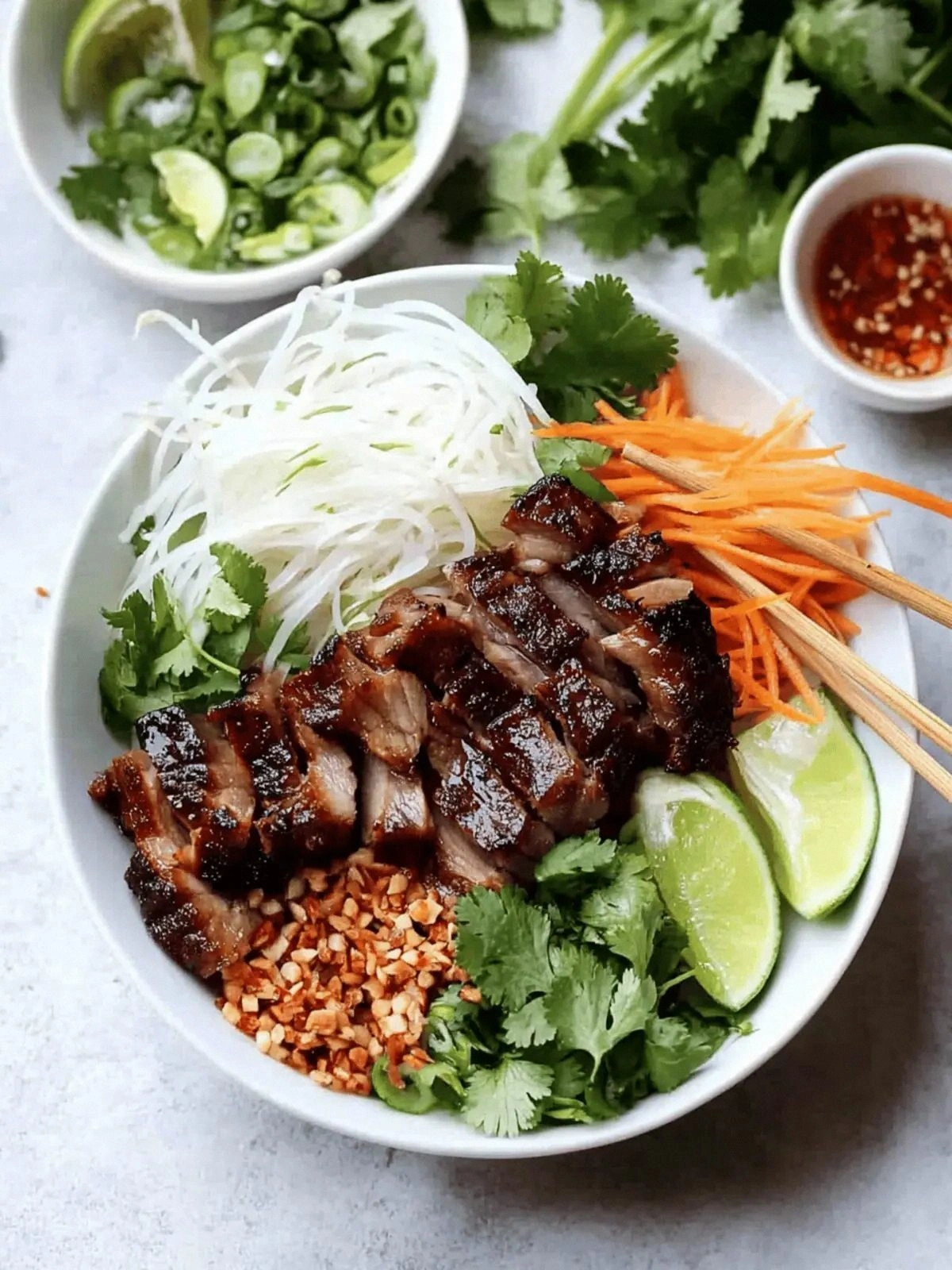
Picture this: the pork, marinated to melt into the meat, then seared to a caramelized crust that locks in juices like a secret handshake. The noodles, soaked just long enough to stay al dente, mingle with crisp cucumber ribbons and shredded carrots that pop with each bite. A drizzle of tangy lime vinaigrette slices through the richness, while crushed peanuts add a satisfying crunch that’s almost a counterpoint to the silky broth. The whole dish is crowned with fresh cilantro, mint, and a handful of lettuce, turning every spoonful into a layered symphony of textures and aromas.
What makes this version stand out is the deliberate layering of sauces and the use of a single, high‑quality pork shoulder that’s both tender and flavorful. I dare you to taste this and not go back for seconds – it’s that addictive. And if you’ve ever been disappointed by a noodle bowl that feels flat or overly sweet, this is hands down the best version you’ll ever make at home. The secret? A slow, low‑heat sear that caramelizes the exterior while the interior stays juicy, paired with a balanced sauce that never overwhelms.
I’ll be honest – I ate half the batch before anyone else got to try it, and the kitchen was still smelling incredible a full hour later. Most recipes get this completely wrong by either over‑simmering the noodles or under‑seasoning the pork. Picture yourself pulling this out of the oven, the whole kitchen smelling incredible, and everyone asking where you learned the trick to keep the pork so juicy. Okay, ready for the game‑changer? Let me walk you through every single step – by the end, you’ll wonder how you ever made it any other way.
What Makes This Version Stand Out
- Taste: The sauce is a harmonious blend of sweet, salty, and tangy notes that coat the noodles like velvet, ensuring every bite is a flavor explosion.
- Texture: The pork is seared to a caramelized crust and then finished low and slow, giving it a melt‑in‑your‑mouth tenderness that contrasts beautifully with the crisp veggies.
- Balance: The broth is neither too thick nor too thin, creating a mouth‑watering consistency that clings to each noodle without overpowering the freshness.
- Ingredient Quality: Using a single, high‑grade pork shoulder means you’re not fighting with multiple cuts; the meat’s natural fat content keeps everything juicy.
- Make‑Ahead Potential: The flavors deepen overnight, so you can prep the day before and assemble in minutes, making it a perfect weeknight dinner.
- Visual Appeal: The vibrant colors of mint, cilantro, and lime zest turn the bowl into a feast for the eyes, which is half the enjoyment.
- Health‑Friendly: By using fresh herbs and a light vinaigrette, this dish keeps the calorie count low while still delivering on taste.
- Community Reaction: Friends rave that this bowl is “the best street food I’ve ever had” and keep asking for the recipe after each batch.
Inside the Ingredient List
The Flavor Base
The pork shoulder is the star of the show; it’s a fatty cut that delivers deep umami when slow‑cooked. The brown sugar and fish sauce create a sweet‑savory glaze that caramelizes beautifully during searing. If you skip the brown sugar, the sauce will taste flat and lack that glossy sheen. A good tip: choose a pork shoulder with a moderate fat cap to keep the meat tender.
Lemongrass is essential for that unmistakable citrusy aroma; it should be bruised before adding to release oils. A common mistake is to leave the lemongrass unbruised, which results in a bland infusion. If you can’t find lemongrass, a pinch of dried kaffir lime leaves will do the trick. The key is to let the lemongrass simmer with the pork to extract maximum flavor.
Garlic and shallots form the aromatic backbone of the sauce. Minced garlic should be added first to develop a deep brown color, then shallots for a sweet, mellow finish. Skipping either will diminish the sauce’s complexity. A quick hack: use a garlic press to ensure even distribution.
Soy sauce is a subtle touch that adds depth without overpowering. It balances the sweetness of the brown sugar and the acidity of the vinegar. If you’re watching sodium, use a low‑sodium soy sauce and add a splash of water to thin the mixture.
The Texture Crew
Rice vermicelli noodles are the foundation; soak them in hot water for 5 minutes to soften without over‑cooking. If you use dried noodles, avoid boiling them to prevent a mushy texture. A good tip: rinse the noodles under cold water after soaking to stop the cooking process.
Cucumber and carrots add a crisp contrast that keeps the bowl from feeling too heavy. Shredding them finely ensures they integrate seamlessly with the broth. If you prefer a more substantial bite, cut them into longer ribbons.
Peanuts provide a crunchy element that balances the silky sauce. Toast them lightly before chopping to enhance flavor. Skipping peanuts will leave the dish lacking that satisfying bite.
Fresh herbs—cilantro, mint, and lettuce—serve as a refreshing palate cleanser. They also add a pop of color that makes the dish Instagram‑worthy. If you’re allergic to cilantro, parsley can be a suitable substitute.
The Unexpected Star
The lime vinaigrette is a game‑changer; its bright acidity cuts through the richness of the pork and noodles. Mixing rice vinegar with hot water and sugar creates a balanced, sweet‑sour base. If you like a bit of heat, add a pinch of red pepper flakes. This small addition elevates the dish from good to unforgettable.
The hot water used in the vinaigrette may seem redundant, but it’s crucial for dissolving the sugar and balancing the acidity. Skipping it will result in a syrupy, clumpy dressing. Keep the water at a gentle simmer to ensure smoothness.
The final splash of lime juice at the end adds a fresh citrus burst that brightens the entire bowl. A squeeze of lime before serving is a simple step that dramatically improves flavor. If you’re out of fresh limes, a splash of lime zest can work, though the aroma will be slightly different.
The Final Flourish
A handful of fresh mint gives the dish a subtle, cooling note that balances the heat from the fish sauce and pepper flakes. If you’re a fan of mint, double the amount for an even fresher finish. If you prefer a more subtle herb, use fewer mint leaves.
Lettuce leaves act as a base for the bowl, absorbing excess sauce and providing a crisp bite. They also create a visual layer that makes the bowl look more complex. If you don’t have lettuce, a few spinach leaves can serve as a substitute.
The final touch is the drizzle of sauce and the scatter of peanuts, which tie everything together. This finishing step ensures each spoonful is a harmonious blend of textures and flavors. Don’t skip it – it’s the difference between good and great.
Everything's prepped? Good. Let's get into the real action...
The Method — Step by Step
- Begin by trimming the pork shoulder of any excess fat, then cut it into bite‑sized cubes. In a small bowl, whisk together the brown sugar, fish sauce, soy sauce, minced garlic, chopped shallots, bruised lemongrass, and a splash of hot water. Coat the pork evenly and let it marinate for at least 30 minutes, or overnight for deeper flavor.
- Heat a large skillet or wok over medium‑high heat and add the vegetable oil. Once the oil shimmers, add the marinated pork in a single layer. Sear for 2–3 minutes on each side until a caramelized crust forms, then reduce the heat to low and cover. Let it simmer for 25–30 minutes, stirring occasionally, until the pork is tender and the sauce has thickened.
- While the pork cooks, soak the rice vermicelli in hot water for 5 minutes, then drain and set aside. In a small bowl, whisk together rice vinegar, hot water, sugar, lime juice, and red pepper flakes until the sugar dissolves. Taste and adjust the seasoning—more lime for acidity or more sugar for sweetness, depending on your preference.
- Prepare the vegetables: shred the cucumber and carrots into fine ribbons, rinse them under cold water, and pat dry. Roughly chop the cilantro, mint, and lettuce leaves. These fresh elements will be layered on top of the noodles and pork.
- To assemble, place a generous handful of softened vermicelli in the bottom of each bowl. Top with the seared pork and a splash of the sauce from the skillet. Then arrange the cucumber, carrots, herbs, and lettuce in a colorful mosaic.
- Drizzle the lime vinaigrette over the entire bowl, ensuring every noodle and pork cube is coated. Sprinkle the chopped peanuts on top for crunch, then squeeze a fresh lime wedge for that final bright note. The dish should look vibrant, aromatic, and utterly inviting.
- Serve immediately while the pork is still juicy and the noodles are perfectly al dente. If you’re prepping ahead, keep the noodles separate from the sauce until just before serving to avoid sogginess. This dish is best enjoyed fresh, but it holds up well for a short period.
- Enjoy the symphony of flavors—sweet, salty, tangy, and herbaceous—all in one bowl. The first bite will have you questioning why you ever settled for a bland noodle dish. Let the texture contrast keep you coming back for more.
Insider Tricks for Flawless Results
The Temperature Rule Nobody Follows
Searing the pork at the right temperature is critical. If the heat is too low, the meat won’t caramelize; if it’s too high, it will burn and create a bitter flavor. Keep the skillet hot but not smoking, and use a thermometer to confirm the internal temperature reaches 160°F before covering.
Why Your Nose Knows Best
Trust the aroma of the pork as it cooks; a sweet, caramelized scent signals that the sugar has begun to caramelize. If you’re unsure, gently lift a piece of pork and sniff—if it smells like toasted sugar, you’re on the right track.
The 5-Minute Rest That Changes Everything
After removing the pork from the skillet, let it rest for 5 minutes before slicing. This allows the juices to redistribute, ensuring each bite remains moist. A friend once tried cutting the pork immediately and ended up with a dry, disappointing texture.
Peanut Perfection
Toast peanuts in a dry pan over medium heat until fragrant, then cool before chopping. This simple step elevates the nut’s flavor and adds a subtle crunch that pairs beautifully with the silky sauce.
The Vinaigrette Balance
When whisking the vinaigrette, add the sugar slowly and stir until fully dissolved. If the mixture feels too thick, add a splash of water to thin it out. A well‑balanced vinaigrette should coat the noodles without making them soggy.
Layering Like a Pro
Layer the noodles first, then the pork, followed by vegetables and herbs. This order ensures the noodles remain firm and the herbs stay fresh. A friend once layered everything at once and the dish felt muddled.
Creative Twists and Variations
Spicy Sriracha Kick
Swap the red pepper flakes for sriracha sauce, adding a fiery depth that pairs well with the pork’s sweetness. This variation is perfect for heat lovers and works great with extra lime.
Grilled Shrimp Edition
Replace pork with shrimp for a lighter, seafood twist. Marinate the shrimp in the same sauce, then grill them until pink and slightly charred. The shrimp’s delicate flavor complements the fresh herbs.
Vegetarian Version
Use tofu or tempeh instead of pork, marinating it in the sauce before grilling. Add sliced bell peppers for extra crunch and color. This version still delivers the same vibrant flavors.
Coconut Milk Creaminess
Stir a splash of coconut milk into the sauce for a silky, tropical twist. The coconut’s sweetness balances the acidity, creating a richer broth that pairs well with the noodles.
Asian Slaw Twist
Turn the cucumber and carrot ribbons into a crunchy slaw by tossing them with a light vinaigrette. Add sliced radishes for extra zing. This variation adds a refreshing crunch that’s perfect for summer.
Herb‑Infused Peanut Sauce
Blend peanuts with fresh mint and cilantro to create a green, nutty sauce. Drizzle this over the bowl for a bold flavor profile that showcases the herbs’ bright notes.
Storing and Bringing It Back to Life
Fridge Storage
Store the assembled bowl in an airtight container for up to 2 days. Keep the noodles separate from the sauce until ready to eat to prevent sogginess. A quick stir before serving restores the dish’s vibrant texture.
Freezer Friendly
The pork can be frozen for up to 3 months. Reheat in a skillet or microwave until warmed through, then add fresh noodles and veggies. The flavors remain robust, though the texture may slightly change.
Best Reheating Method
When reheating, add a splash of water or broth to the bowl to rehydrate the noodles. Warm gently over low heat or in a microwave, stirring frequently. This technique keeps the dish moist and flavorful.