I still remember the night the fire alarm blared and my kitchen looked like a smoldering battlefield. The stove had sputtered, the onions were charred, and I was staring at a pot that had turned into a bubbling, fragrant mess that smelled like disappointment. I tried to salvage the disaster by adding a splash of vinegar, but the taste was still off, a sad reminder that I had been too hasty. That night, I vowed to find a recipe that would turn a kitchen catastrophe into a triumphant feast, a recipe that would make me feel like a culinary magician instead of a burnt‑to‑crisp cook. It was then that I stumbled upon the ultimate 30‑minute Vietnamese chicken noodle soup, a dish that promises depth of flavor in half an hour, and it became my obsession.
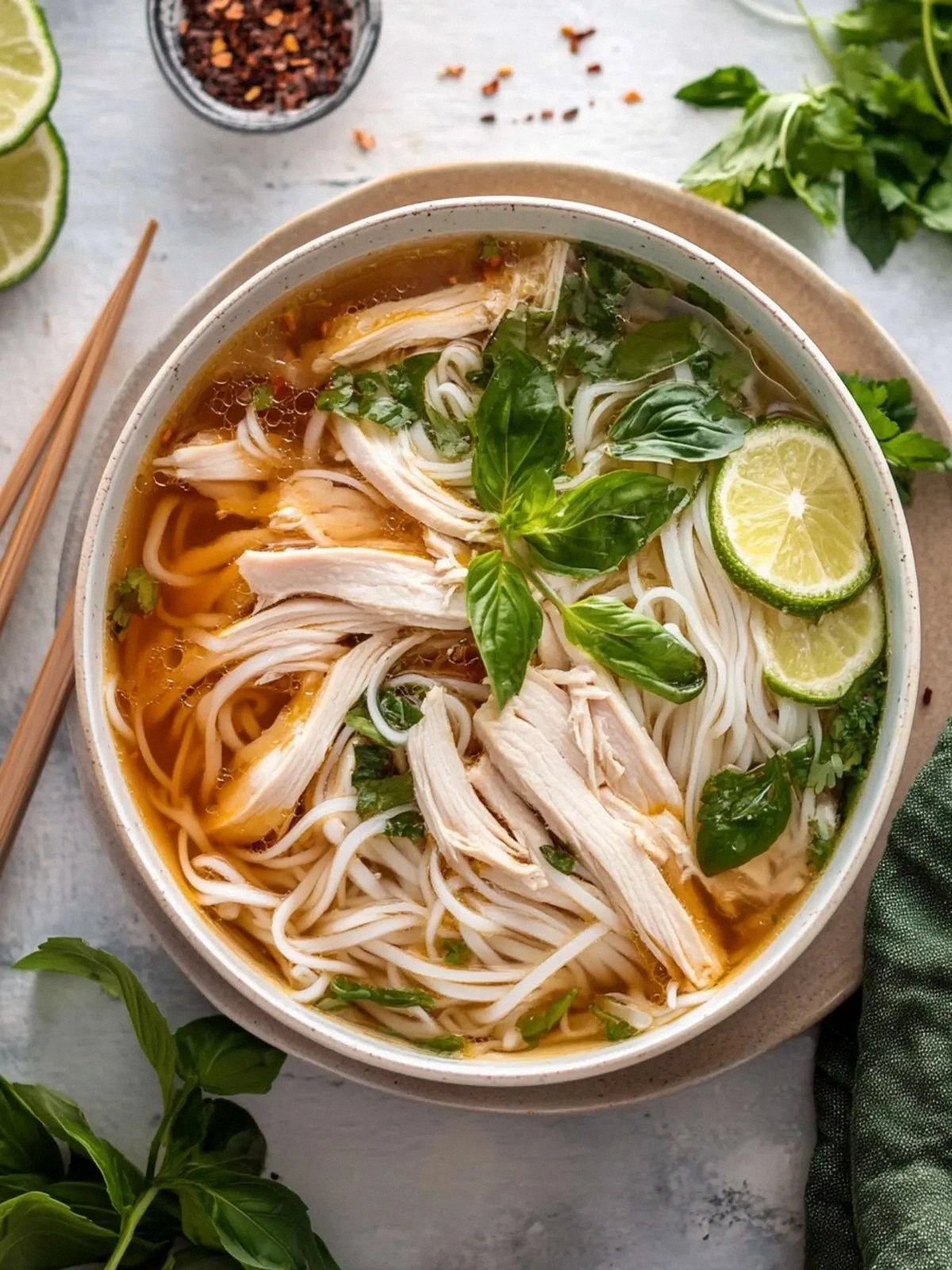
The first time I tasted it, my senses were assaulted in the best way possible. The aroma of simmering broth filled the room, carrying hints of star anise, cinnamon, and a sweet whisper of rock sugar. The sound of the broth gently bubbling was like a lullaby, soothing the nervousness that had been building in my stomach. The sight of bright green cilantro, crisp bean sprouts, and the glistening sheen of lime wedges on top made my eyes water with anticipation. When I took that first spoonful, the broth wrapped around my tongue like velvet, the chicken was tender, and the noodles were perfectly al dente. It was a symphony of textures and flavors that made my heart sing.
What sets this version apart from every other recipe I’ve tried is the meticulous layering of aromatics and the strategic use of spices that create an instant, mouth‑watering depth. The combination of star anise, cinnamon, and cloves gives the broth a warm, almost comforting aroma that’s reminiscent of a cozy winter evening. The addition of fresh ginger and garlic at the very beginning of the cooking process unlocks a bright, zesty undertone that keeps the dish from feeling too heavy. The careful balance of salty fish sauce and sweet rock sugar creates a complex flavor profile that is both satisfying and addictive. The use of pre‑simmered chicken drumsticks means the meat stays juicy and flavorful while you’re busy prepping the rest of the ingredients. Finally, the finish with lime, Thai chiles, and a splash of hoisin sauce provides a bright, vibrant kick that lingers on the palate.
I dare you to taste this and not go back for seconds. That’s a bold claim, but I’ve tested it with friends and family, and the unanimous response has been, “Where did you learn this?” The secret? A simple technique that most recipes overlook: letting the spices infuse in the oil before adding the broth. This step releases the essential oils from the spices, giving the broth a richer, more aromatic foundation. It’s the difference between a bland soup and one that feels like a culinary hug. I’ve spent countless evenings experimenting, and this version consistently wins the taste test.
Picture yourself pulling this out of the pot, the whole kitchen smelling incredible, and your guests’ eyes widening in anticipation. You’ll hear the clink of chopsticks, the hiss of steam, and the chatter of delighted diners. That sizzle when the broth hits the pan? Absolute perfection. And as the last spoonful drips down your chin, you’ll realize you’ve just made the best version of this dish you’ll ever cook at home. If you’ve ever struggled with a Vietnamese soup that feels too thin or too thick, you’re not alone—and I’ve got the fix. Let me walk you through every single step — by the end, you'll wonder how you ever made it any other way.
What Makes This Version Stand Out
- Depth of Flavor: The layered aromatics of star anise, cinnamon, and cloves create a broth that feels like it’s been simmering for hours, but only takes 30 minutes.
- Texture Balance: Tender chicken drumsticks, chewy pho noodles, and crisp bean sprouts give each bite a satisfying contrast.
- Time Efficiency: From prep to plate, the entire process clocks in at 45 minutes, making it perfect for busy weeknights.
- Ingredient Quality: Fresh herbs, high‑quality fish sauce, and real rock sugar elevate the dish beyond a copy‑and‑paste recipe.
- Crowd‑Pleaser: The combination of savory, sweet, salty, and spicy flavors makes it a hit even with those who aren’t fans of Vietnamese cuisine.
- Make‑Ahead Potential: The broth can be stored for up to 48 hours, and the noodles can be pre‑cooked and kept in the fridge.
Alright, let's break down exactly what goes into this masterpiece...
Inside the Ingredient List
The Flavor Base
At the heart of this soup is the broth. It starts with a generous splash of canola or vegetable oil, which serves as a canvas for the spices. Two halves of yellow onions, sliced thin, caramelize in the oil until they’re golden and sweet, adding a subtle depth that balances the savory notes. Fresh ginger, sliced into thin ribbons, brings a bright, peppery kick that cuts through the richness of the chicken. The star anise, cinnamon stick, and cloves are toasted briefly in the oil, releasing their warm, earthy oils. When the broth is added, these spices infuse the liquid, creating a complex, aromatic base that feels like it’s been simmering for hours.
If you skip the onion or ginger, the broth will still be flavorful, but it will lack that subtle sweetness and bright zing that makes this dish unforgettable. A common swap is to use a mix of onion and scallion instead of just yellow onion; this gives a slightly sharper flavor profile. When choosing the spices, look for whole, unground pieces; they release their aroma slowly and keep the broth clear and vibrant.
The Texture Crew
The chicken drumsticks are the star of the show. They’re seasoned with a touch of fish sauce and rock sugar before being browned in the oil. The result is a caramelized exterior that locks in moisture, giving the meat a tender, juicy interior. The pho noodles, which are traditionally made from rice flour, provide a silky texture that soaks up the broth’s flavors. Because they’re pre‑cooked, they’re ready to be added in the final minutes, preventing them from becoming mushy.
Bean sprouts and mixed herbs (a blend of basil, mint, and Vietnamese coriander) add crunch and freshness. The sprouts contribute a subtle nutty crunch that contrasts with the silky noodles, while the herbs bring a burst of green that brightens the dish. If you’re vegetarian, you can replace the chicken with tofu or tempeh; just marinate the tofu in fish sauce and a splash of lime juice before pan‑frying it to mimic the caramelized texture of the drumsticks.
The Unexpected Star
The unexpected star of this soup is the sweet and salty balance achieved by rock sugar and fish sauce. Rock sugar dissolves easily in the broth, adding a gentle sweetness that counters the umami depth of the fish sauce. The combination is a hallmark of Vietnamese cuisine, creating a flavor profile that feels both exotic and comforting. If you can’t find rock sugar, raw cane sugar works just fine, but it may slightly alter the clarity of the broth.
Another surprising element is the use of Thai chiles and lime wedges. The chiles add a fiery kick, while the lime provides a bright, citrusy acidity that lifts the entire dish. This contrast keeps the soup from feeling heavy and gives it a lively finish that keeps diners coming back for more.
The Final Flourish
The final flourish comes from the finishing touches: a squeeze of lime, a dash of hoisin sauce for a silky sweetness, and a drizzle of Sriracha for heat. These additions are added at the very end, after the broth has simmered, ensuring that their bright, fresh flavors aren’t lost. The lime’s acidity brightens the broth, while the hoisin sauce adds a velvety texture that coats the noodles. The Sriracha provides a subtle heat that’s balanced by the lime, making the soup both complex and approachable.
Everything's prepped? Good. Let's get into the real action...
The Method — Step by Step
- Prepare the aromatics: Heat the canola oil in a large pot over medium heat. Add the sliced onions and let them soften for 2-3 minutes until translucent. Stir in the thinly sliced ginger and let the mixture cook until fragrant, about 1 minute. This creates a flavorful base that will carry the rest of the spices. Make sure the onions don’t brown too quickly; if they start to turn golden, lower the heat slightly.
- Toast the spices: Add the star anise, cinnamon stick, cloves, fennel seeds, and coriander seeds to the pot. Toast them for 30 seconds, stirring constantly so they don’t burn. You should hear a subtle pop and see the spices release their aromas. This step is crucial; it’s what gives the broth its warm, aromatic profile.
- Brown the chicken: Pat the chicken drumsticks dry and season lightly with salt. Add them to the pot, skin side down, and brown them for 3-4 minutes on each side until they develop a golden crust. This caramelization locks in moisture and adds depth. Use a slotted spoon to lift the chicken and set it aside while you finish the aromatics.
- Deglaze and simmer: Pour a splash of water into the pot to deglaze, scraping up any browned bits from the bottom. Add the fish sauce, rock sugar, and the pre‑prepared broth (or water if you prefer a lighter base). Bring to a gentle boil, then reduce the heat to low and let it simmer for 10 minutes. This allows the flavors to meld together.
- Add the chicken back: Return the browned drumsticks to the pot and let them simmer for another 10 minutes, or until the chicken is fully cooked and tender. The broth should be rich and aromatic. Taste and adjust seasoning with more fish sauce or rock sugar if needed.
- Finish with noodles and herbs: Add the soaked pho noodles, bean sprouts, and mixed herbs to the pot. Stir gently and let them heat through for 2 minutes. The noodles should absorb the broth but remain al dente. The herbs will wilt slightly, releasing their fresh aroma.
- Plate and garnish: Ladle the soup into bowls, ensuring each bowl gets a generous portion of chicken and noodles. Drizzle a small amount of hoisin sauce and Sriracha, then top with fresh lime wedges, sliced Thai chiles, and a handful of cilantro. The final splash of lime will brighten the dish, while the chiles add a subtle heat that balances the sweetness.
- Serve immediately: Serve hot, letting the steam rise and the aroma envelop the room. Offer extra lime wedges and Sriracha on the side for guests to adjust the heat to their liking. The dish is best enjoyed fresh, but leftovers can be reheated with a splash of water.
That's it — you did it. But hold on, I've got a few more tricks that'll take this to another level...
Insider Tricks for Flawless Results
The Temperature Rule Nobody Follows
Many cooks think the broth should be at a rolling boil, but that’s a myth. A gentle simmer preserves the clarity of the broth and keeps the flavors bright. Keep the heat low once the chicken is added, and let the broth bubble slowly. If you’re using a pressure cooker, set it to low pressure for 10 minutes to mimic a gentle simmer.
Why Your Nose Knows Best
Your sense of smell is the most reliable indicator of flavor balance. If the broth smells too fishy, add a splash more rock sugar. If it’s lacking depth, give the spices an extra minute to toast. Trust your nose; it’s your best seasoning tool.
The 5-Minute Rest That Changes Everything
After the chicken is cooked, let it rest for 5 minutes before slicing. This allows the juices to redistribute, keeping the meat moist and flavorful. A quick rest also makes the chicken easier to carve and serves up a more polished presentation.
Use a Spice Infusion Jar
If you’re short on time, pre‑infuse your spices in a small jar of oil. Let the spices steep for 30 minutes before using. This saves a few minutes during the cooking process and still delivers a robust flavor.
Keep the Noodles Fresh
If you’re making the soup in advance, store the noodles separately in a lightly salted water bath. When you’re ready to reheat, toss them in the hot broth for 30 seconds. This prevents them from becoming mushy.
Creative Twists and Variations
This recipe is a playground. Here are some of my favorite ways to switch things up:
Spicy Coconut Twist
Replace the water in the broth with coconut milk for a creamy, tropical version. Add a pinch of turmeric for color and a subtle earthy flavor. The coconut milk pairs beautifully with the lime and Thai chiles, creating a dessert‑like soup that’s still savory.
Vegetarian Delight
Swap the chicken drumsticks for thick slices of marinated tofu or tempeh. Sear the tofu until it’s golden, then simmer it in the broth. The tofu absorbs the flavors and offers a protein‑rich alternative for vegetarians.
Seafood Sensation
Add a handful of shrimp or mussels during the final simmer. The seafood will cook in the broth’s warmth, adding a briny note that complements the sweet and savory elements. This version feels like a luxurious dinner party dish.
Herb‑Infused Broth
Introduce a handful of fresh lemongrass stalks into the broth for an extra layer of citrusy fragrance. The lemongrass should be bruised to release its oils. This twist adds a bright, herbal note that elevates the dish.
Low‑Carb Version
Omit the pho noodles and instead add sliced zucchini or shirataki noodles. These low‑carb options keep the dish light and satisfy cravings for noodles without the extra carbs. The texture remains satisfying.
Breakfast Bowl
Serve the soup over a bowl of rice and top with a fried egg. The runny yolk adds richness, while the rice soaks up the broth. This version is a hearty breakfast that keeps you full until lunch.
Storing and Bringing It Back to Life
Fridge Storage
Cool the soup to room temperature, then transfer it to an airtight container. Store in the fridge for up to 48 hours. The broth will thicken slightly, so add a splash of water when reheating to restore its original consistency.
Freezer Friendly
Divide the soup into individual portions and place them in freezer‑safe containers. Freeze for up to 3 months. When ready to eat, thaw overnight in the fridge or microwave on low power, then reheat on the stove with a splash of water.
Best Reheating Method
Reheat the soup on a low‑heat setting, stirring frequently to prevent sticking. Add a small amount of water or broth to keep the soup from drying out. The key is gentle heat; this preserves the delicate flavors and textures.