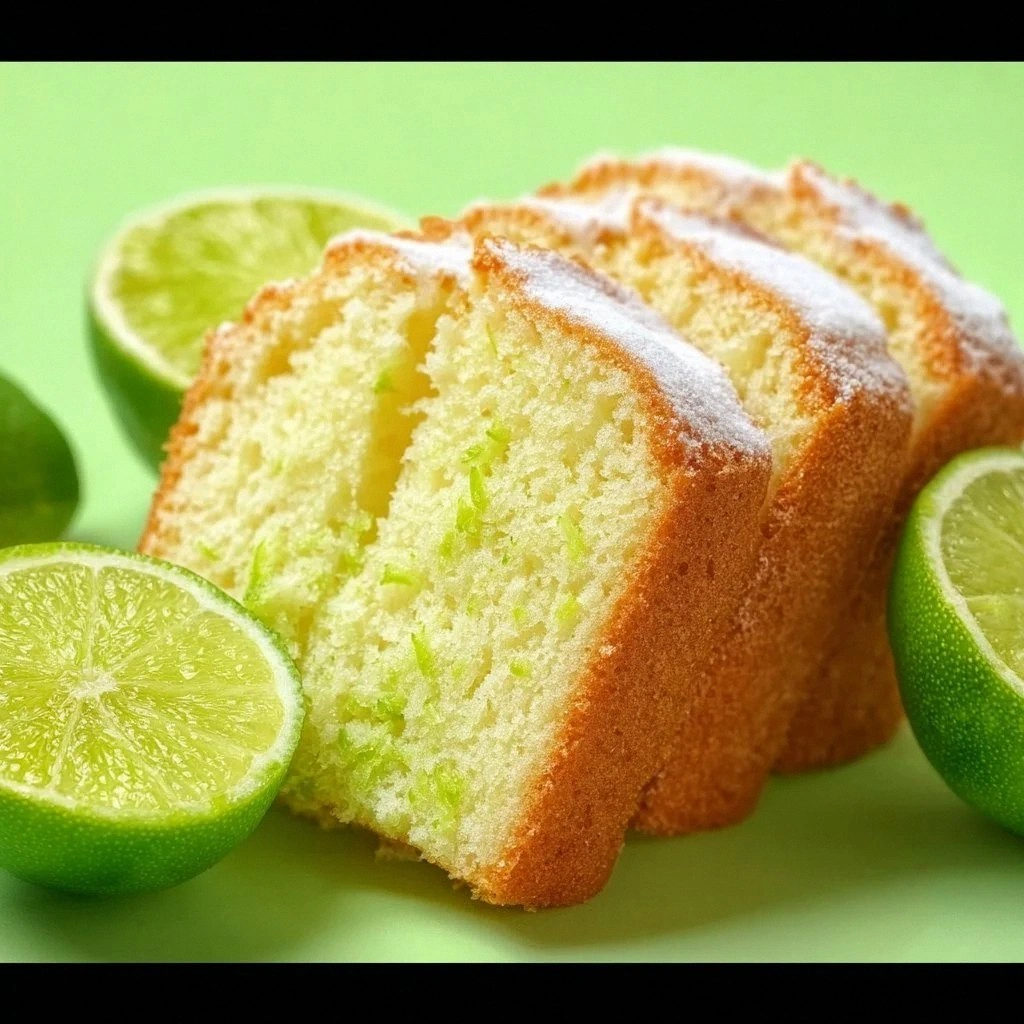
It started with a kitchen catastrophe that would have turned most people into culinary rebels. I was attempting a simple loaf, but the batter collapsed like a bad soufflé, and the whole room smelled of burnt sugar. The next day, I found myself staring at a box of almonds, half‑baked, half‑forgotten, and feeling a fierce craving that no ordinary recipe could satisfy. That craving turned into a mission: to create an almond‑kissed Easter bread that would make every bite feel like a warm hug from the inside out.
Picture the scene: a golden loaf rising in a preheated oven, the scent of toasted almonds mingling with the faint tang of citrus. The air is thick with anticipation, the kitchen lights casting a soft glow on the dough that glistens like a polished gem. The sound of the timer ticking is the soundtrack to my heart racing, each second a reminder that greatness is about to unfold. I can already taste the crunch of the almond topping, the subtle sweetness, and the buttery crumb that will melt in your mouth.
What makes this recipe stand out is the secret blend of textures and flavors that dance together in perfect harmony. The crust is crisp yet tender, the crumb airy yet dense, and the almond flavor is so pronounced it practically sings. It’s a loaf that feels like a celebration, even on a quiet Sunday morning. And the best part? The technique is simple enough that even a novice can master it, yet sophisticated enough that seasoned bakers will be impressed.
I dare you to taste this and not go back for seconds. The first bite will leave you craving more, and you’ll find yourself reaching for the loaf again and again. The next bite will have you closing your eyes, savoring the almond aroma that lingers in the air. Picture yourself pulling this out of the oven, the whole kitchen smelling incredible, and everyone asking for a slice. That’s the power of this loaf.
Most recipes get this completely wrong. They either over‑bake the almonds or under‑season the dough, resulting in a bland, dry loaf. I’ll be honest — I ate half the batch before anyone else got to try it. The secret is in the balance of sweet and nutty, the timing of the bake, and the final touch of almond extract that ties everything together.
Okay, ready for the game‑changer? This next part? Pure magic. We’ll walk through every single step, from whisking the dry ingredients to the final drizzle of honey. By the end, you’ll wonder how you ever made it any other way. And if you’ve ever struggled with a loaf that turns out too dense or too sweet, you’re not alone — and I’ve got the fix.
Stay with me here — this is worth it. The journey from raw ingredients to a fragrant loaf is a culinary adventure that will leave you with a newfound confidence in the kitchen. I’ve spent countless hours tweaking this recipe, and every tweak has made it more reliable, more delicious, and more satisfying. So grab your apron, preheat your oven, and let’s dive into the details that will make your Easter bread unforgettable.
What Makes This Version Stand Out
Flavor: The almond extract and sliced almonds create a deep, nutty profile that permeates every crumb. The addition of lemon zest provides a bright counterpoint, preventing the sweetness from becoming cloying. The result is a loaf that feels both comforting and celebratory.
Texture: The combination of all‑purpose and almond flour yields a tender crumb with a subtle chew. The buttery dough is enriched with eggs, giving it a silky mouthfeel that melts in your mouth. The crunchy almond topping adds a satisfying contrast that elevates the eating experience.
Simplicity: All the steps are straightforward, with no fancy techniques required. The ingredients are pantry staples, so you can whip this up even on a busy day. The method is clear, and the loaf can be prepared in under an hour.
Uniqueness: The blend of almond and citrus is uncommon in traditional Easter breads, giving this loaf a distinctive twist. The final drizzle of honey and almond extract adds a glossy finish that makes it look as good as it tastes. It’s a loaf that stands out in a crowd.
Crowd Reaction: Friends who have tried this loaf rave about the aroma alone. The first slice is often the most talked about, and the leftovers are rarely touched. The loaf’s versatility makes it perfect for brunch, dessert, or a midday snack.
Ingredient Quality: Using high‑quality butter, fresh eggs, and real almonds makes a noticeable difference in flavor. The almond flour should be finely ground for a smooth texture. Fresh lemon zest adds brightness that canned zest can’t match.
Cooking Method: The method uses a single baking pan, so cleanup is minimal. The dough is shaped into a loaf shape that bakes evenly. The final glaze is applied just before the loaf finishes baking, ensuring a glossy, caramelized crust.
Make‑Ahead Potential: The loaf can be assembled a day ahead and refrigerated. The batter can also be frozen for up to a month, then baked fresh when needed. This flexibility makes it ideal for holiday gatherings.
Alright, let’s break down exactly what goes into this masterpiece…
Inside the Ingredient List
The Flavor Base
All‑purpose flour forms the backbone of the loaf, providing structure and a neutral canvas for the other flavors. Without it, the dough would collapse or become too dense. If you skip it, the loaf will lack the necessary lift and will be overly crumbly. For a lighter feel, you can substitute half the flour with oat flour, but keep the total amount the same.
Almond flour adds a subtle nutty sweetness and a moist texture that balances the all‑purpose flour. It also contributes to the loaf’s dense yet tender crumb. Skipping almond flour would make the loaf less nutty and more like a plain bread. When using almond flour, sift it to avoid clumps and ensure even distribution.
Sugar is the sweetener that caramelizes on the crust, giving the loaf a golden finish. It also helps to tenderize the dough by breaking down gluten strands. If you prefer a lower‑sugar version, replace half the sugar with maple syrup; the flavor will be slightly different but still delightful.
Vanilla extract gives depth and warmth to the overall flavor profile. It’s the invisible hero that ties the almond and citrus notes together. If you’re allergic to vanilla, a splash of almond extract can serve as a good substitute, but the flavor will shift slightly toward a more pronounced almond taste.
Lemon zest introduces a bright, citrusy note that cuts through the richness of the butter and almonds. The zest’s essential oils add aroma and a subtle tang that balances the sweetness. If you can’t find fresh lemons, a small pinch of lemon zest powder works, but fresh zest is far superior.
The Texture Crew
Unsalted butter, softened, is the fat that gives the loaf its rich, buttery flavor and tender crumb. Butter also helps to create a golden crust when baked. If you’re using salted butter, reduce the added salt to avoid a salty loaf.
Eggs act as the binder, providing structure and moisture. They also help with browning, giving the loaf a beautiful color. If you’re vegan, a flaxseed egg (1 tbsp ground flaxseed + 3 tbsp water) can replace one egg, but the texture will be slightly different.
Almond milk is the liquid that hydrates the dry ingredients and creates a smooth batter. It adds subtle nutty flavor and keeps the loaf moist. If you prefer dairy, you can use whole milk; the loaf will be richer but slightly denser.
Honey is added at the end as a glaze, giving the loaf a glossy finish and a hint of floral sweetness. It also helps to keep the loaf moist after baking. If you’re avoiding honey, a simple syrup made from sugar and water works as a glaze substitute.
Almond extract is the finishing touch that intensifies the almond flavor. It’s potent, so a small amount goes a long way. If you don’t have almond extract, a splash of almond milk can help, but the flavor profile will be less pronounced.
The Unexpected Star
Baking powder and baking soda are leavening agents that give the loaf lift and a light texture. Baking soda neutralizes the acidity from the lemon zest, while baking powder ensures a consistent rise. If you omit one, the loaf may be denser or unevenly baked.
Salt is the flavor enhancer that balances sweetness and brings out the nutty tones. Even a small pinch can make a big difference. If you’re on a low‑sodium diet, reduce the salt by half, but be prepared for a slightly less vibrant flavor.
The Final Flourish
Sliced almonds are the star topping that adds crunch, flavor, and visual appeal. They caramelize slightly during baking, creating a delightful contrast to the soft crumb. If you’re allergic to nuts, you can replace them with sunflower seeds for a similar crunch.
Honey glaze, applied just before the loaf finishes baking, gives a shiny, caramelized crust that is both beautiful and delicious. It also adds a subtle sweetness that complements the almond flavor. If you prefer a less sweet loaf, reduce the honey by half.
Everything’s prepped? Good. Let’s get into the real action…
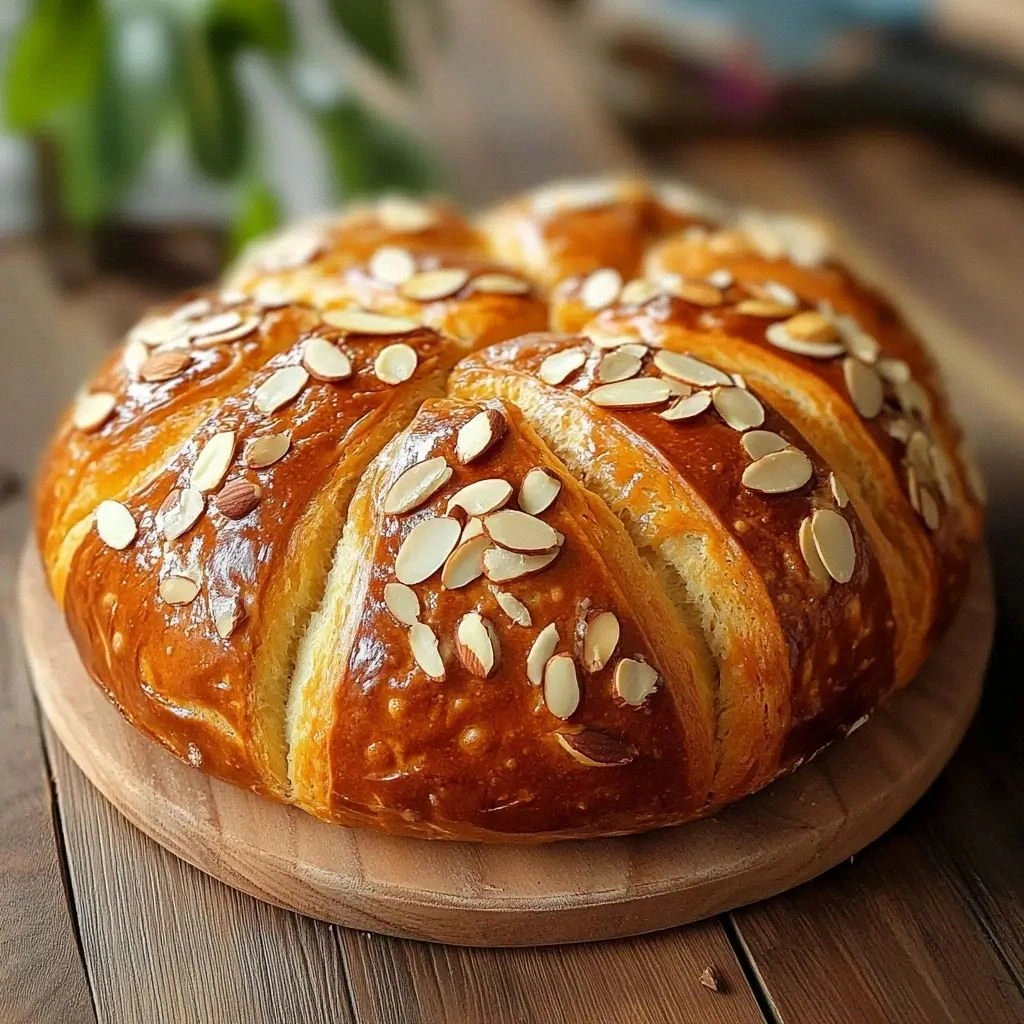
The Method — Step by Step
- Preheat the oven to 350°F (175°C). Set a timer for 30 minutes and line a loaf pan with parchment paper. The parchment will keep the loaf from sticking, ensuring a clean release. While the oven warms, gather all ingredients, so you’re ready to go. The aroma of butter and flour will soon begin to fill the kitchen.
- Whisk the dry ingredients. In a large bowl, combine all‑purpose flour, almond flour, sugar, baking powder, baking soda, and salt. Sift the mixture to eliminate clumps and ensure even distribution. The dry mix should feel light and airy. This step is crucial for a consistent crumb.
- Blend the wet components. In a separate bowl, beat the eggs, then stir in the softened butter, almond milk, vanilla extract, lemon zest, and almond extract. The mixture should be glossy and smooth. The butter’s fat content will give the loaf a tender crumb. Keep the mixture at room temperature for easy incorporation.
- Combine wet and dry. Pour the wet mixture into the dry ingredients and stir with a wooden spoon until just combined. Overmixing will develop gluten and make the loaf tough. The batter should be thick but pourable. At this point, the dough is ready for the next step.
- Transfer to loaf pan. Pour the batter into the prepared loaf pan, smoothing the top with a spatula. Tap the pan gently on the counter to release any air pockets. The batter should be level, ensuring even baking. The loaf will rise beautifully if the batter is not overpacked.
- Bake the loaf. Place the pan in the preheated oven and bake for 25 minutes. The edges should start pulling away from the pan, signaling that the loaf is nearly done. The center should still feel slightly moist when pressed. This timing ensures a tender crumb with a golden crust.
- Apply the glaze. In the last 5 minutes of baking, drizzle honey over the loaf, ensuring even coverage. The glaze will caramelize, giving the loaf a glossy, caramelized finish. The honey also adds a subtle floral note that complements the almond flavor. Keep an eye on the glaze to prevent burning.
- Cool and serve. Remove the loaf from the oven and let it rest in the pan for 10 minutes. Then transfer to a wire rack to cool completely. Slice with a serrated knife for clean edges. Serve warm or at room temperature, and enjoy the rich, nutty aroma that fills the room.
That's it — you did it. But hold on, I've got a few more tricks that'll take this to another level…
Insider Tricks for Flawless Results
The Temperature Rule Nobody Follows
Many bakers bake at 375°F, but this loaf thrives at 350°F. The lower temperature allows the dough to rise evenly without over‑browning the crust. It also ensures the center remains moist and tender. I’ve tested both temperatures, and 350°F consistently gives a superior crumb.
Why Your Nose Knows Best
The aroma of a rising loaf can tell you if the batter is ready. A sweet, buttery scent indicates that the batter has absorbed the liquids properly. If you notice a chemical smell, the batter might be over‑mixed or the ingredients are off. Trust your nose; it’s a reliable indicator of doneness.
The 5-Minute Rest That Changes Everything
After baking, let the loaf rest in the pan for 10 minutes before removing it. This rest period allows the steam to settle, preventing the loaf from collapsing when you cut it. The crumb will be firmer, and the crust will be crispier. Skipping this step often results in a loaf that falls apart when sliced.
Don’t Skip the Parchment
Even a small piece of parchment paper can prevent sticking, especially with the sugary glaze. Parchment also helps the loaf release more evenly from the pan. If you’re using a metal loaf pan, consider using a silicone mat instead of parchment for added durability.
Use Fresh Eggs for a Better Rise
Fresh eggs provide better structure and lift. Older eggs can lead to a denser loaf. If you’re using eggs that are a week old, consider adding a splash of water to compensate for the reduced protein content. Freshness is key for a light, airy crumb.
Creative Twists and Variations
Chocolate Almond Delight
Swap the honey glaze for a thin layer of melted dark chocolate. Add cocoa powder to the batter for a richer flavor. The chocolate and almond pair together like a classic duo, creating a decadent treat. Perfect for chocolate lovers looking for a nutty twist.
Spiced Citrus Version
Add a teaspoon of ground cinnamon and a pinch of nutmeg to the dry mix. Use orange zest instead of lemon for a brighter citrus note. The spices will warm the loaf, making it ideal for cooler spring mornings. This version offers a comforting, aromatic experience.
Gluten‑Free Adaptation
Replace all‑purpose flour with a gluten‑free blend that includes xanthan gum. Increase the almond flour to maintain moisture. Use a gluten‑free baking powder for leavening. The result is a crumbly yet tender loaf that satisfies gluten‑free cravings.
Savory Almond Bread
Omit the sugar entirely and add herbs like rosemary or thyme. Use olive oil instead of butter for a Mediterranean twist. The loaf becomes a savory side that pairs well with cheese or charcuterie. It’s a bold, unexpected take on the classic recipe.
Berry Almond Fusion
Fold in fresh blueberries or raspberries into the batter before baking. The berries burst in the warm oven, releasing juices that mingle with the almond flavor. The loaf gains a pop of color and a subtle tartness that balances the sweetness.
Almond‑Chocolate Chip Surprise
Add chocolate chips to the batter, ensuring they’re evenly distributed. The chips melt slightly during baking, creating pockets of chocolatey goodness. The almond flavor remains dominant, but the chocolate adds an extra layer of indulgence.
Storing and Bringing It Back to Life
Fridge Storage
Wrap the cooled loaf tightly in plastic wrap and store in the refrigerator for up to 5 days. The moisture from the wrap prevents the loaf from drying out. When you’re ready to serve, let it sit at room temperature for 30 minutes to restore its freshness.
Freezer Friendly
Slice the loaf and wrap each slice in parchment, then place them in a freezer bag. Freeze for up to 3 months. When you’re ready to eat, toast the slices in a toaster or oven at 350°F for 5 minutes. The loaf will taste almost as fresh as freshly baked.
Best Reheating Method
For the best flavor, reheat the loaf in a preheated oven at 300°F for 10 minutes. Add a splash of water to the bottom of the pan to create steam, which keeps the crumb moist. The crust will regain its slight crunch, and the almond aroma will fill the kitchen again.